


In professional chocolate manufacturing, cocoa quality is not defined only by origin, color, or flavor intensity. Behind every consistent chocolate product is a careful balance of chemical and physical properties, and one of the most important factors is pH control.
For many factory managers, pH may seem like a small technical detail compared with cocoa percentage, sugar content, or production speed. However, cocoa pH directly influences flavor perception, color development, solubility, processing behavior, and compatibility with other ingredients. A small difference in acidity can completely change how cocoa powder performs inside a chocolate formula, bakery application, or beverage mix.
This is why understanding pH control and alkalization in cocoa ingredients has become essential for manufacturers who want consistent, premium-quality products.
Leading quality-focused producers understand that ingredient precision creates product differentiation. Premium European approaches to cocoa processing, including brands such as Latamarko, reflect the importance of controlled manufacturing methods and reliable ingredient performance.
At MT Royal, we support industrial manufacturers by providing access to different ingredient brands with competitive pricing and reliable supply options. We understand that factories require more than raw materials—they need consistent specifications, technical confidence, and ingredients that perform predictably during large-scale production.
So, what exactly happens during cocoa alkalization? Why does pH matter so much? And how can manufacturers select the right cocoa ingredient for their production needs? This guide explores the science and practical considerations behind cocoa pH management.
LATAMARKO LM60 – Premium Spanish-Origin Cocoa Powder
latamarko alkalized cocoa powder lm60
cocoa powder for chocolate production-Best price
Food industry raw materials – list of products
Understanding Cocoa pH and Its Role in Chocolate Production
The pH value measures the acidity or alkalinity of a substance on a scale from 0 to 14. A pH below 7 indicates acidity, while a pH above 7 indicates alkalinity.
Natural cocoa powder typically has a mildly acidic pH because cocoa beans naturally contain organic acids developed during fermentation. During processing, manufacturers can modify this acidity through a treatment known as alkalization.
In chocolate production, cocoa pH affects several important characteristics:
- Flavor balance: Cocoa acidity influences bitterness, sharpness, and overall flavor complexity. Managing pH helps manufacturers create smoother and more balanced chocolate profiles.
- Color intensity: Higher alkalization levels generally create darker cocoa powders, which are often preferred for rich chocolate products, cookies, and beverages.
- Solubility: Alkalized cocoa usually disperses more easily in liquids, making it suitable for instant beverages and dairy-based applications.
- Ingredient interaction: Cocoa pH affects how cocoa reacts with other ingredients, including leavening agents, milk powders, and emulsifiers.
For industrial manufacturers, pH is not just a laboratory measurement—it is a key factor affecting the final consumer experience.
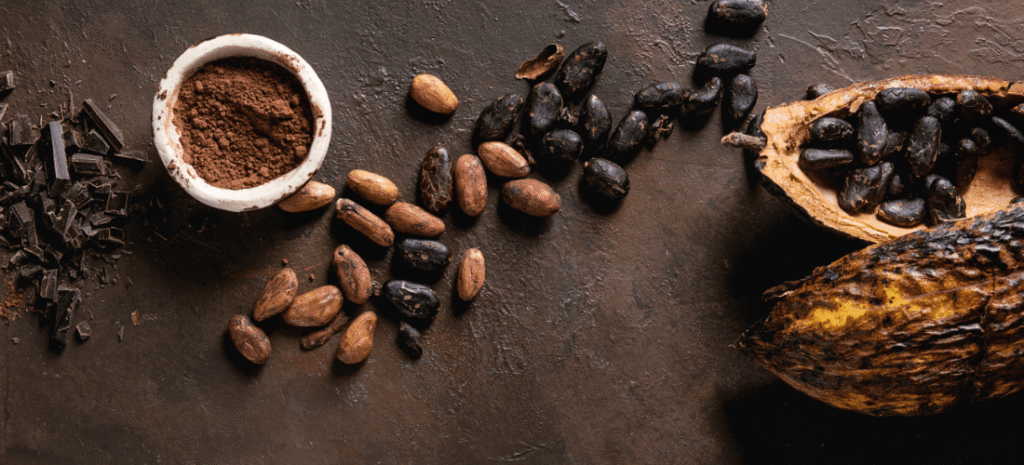
What Is Cocoa Alkalization?
Cocoa alkalization, also known as the Dutch process, is a treatment method where cocoa products are exposed to alkaline substances to reduce acidity.
The process was developed to improve cocoa flavor and appearance, and today it is widely used in industrial cocoa production.
During alkalization, cocoa particles react with alkaline compounds, resulting in changes to:
- Acidity level
- Color development
- Flavor profile
- Functional performance
The exact result depends on factors such as the type of cocoa, processing conditions, alkaline agent used, and desired final application.
Natural Cocoa vs Alkalized Cocoa: Choosing the Right Option
One of the most common decisions for chocolate manufacturers is whether to use natural cocoa powder or alkalized cocoa powder. Both have valuable applications, but their characteristics are different.
Understanding these differences helps production teams select ingredients that match their product objectives.
Natural Cocoa Powder
Natural cocoa maintains its original acidity and usually provides a stronger, sharper cocoa flavor. It is often selected for applications where a traditional cocoa profile is desired.
Natural cocoa characteristics include:
- Brighter brown color
- More noticeable acidity
- Strong cocoa aroma
- Traditional chocolate flavor profile
Natural cocoa can work well in products where acidity contributes positively to the final taste or where interaction with baking ingredients is important.
Alkalized Cocoa Powder
Alkalized cocoa undergoes pH adjustment to create a smoother and darker product. It is widely used in premium chocolate applications where appearance and flavor balance are critical.
Alkalized cocoa offers several advantages:
- Darker and more attractive color
- Reduced acidity
- Smoother flavor
- Improved dispersion in liquid applications
For example, manufacturers producing premium chocolate drinks often prefer alkalized cocoa because it creates a rich visual appearance and a smoother drinking experience.
Different Levels of Cocoa Alkalization
Not all alkalized cocoa powders are the same. The degree of alkalization determines the final characteristics of the ingredient.
Manufacturers generally classify alkalized cocoa into different intensity levels:
- Light alkalization: This process creates a moderate reduction in acidity while maintaining much of the original cocoa flavor. It is suitable for products requiring a balanced cocoa taste.
- Medium alkalization: This level provides stronger color development and smoother flavor, making it popular in many chocolate and bakery applications.
- Heavy alkalization: This creates very dark cocoa powder with intense color and reduced acidity. It is often used when manufacturers want a deep chocolate appearance.
Selecting the right alkalization level depends on the product category, target market, and desired sensory characteristics.
How Cocoa pH Affects Industrial Manufacturing
Large-scale chocolate production requires consistency. Even small variations in cocoa pH can influence processing conditions and final product quality.
Manufacturers should consider how pH affects different production stages:
Chocolate Formulation
Cocoa pH influences how cocoa interacts with sugar, milk ingredients, cocoa butter, and emulsifiers. A mismatch between cocoa characteristics and recipe design can create unwanted flavor or texture problems.
Bakery Applications
In bakery products, cocoa acidity can affect chemical reactions with raising agents such as baking soda. Choosing the wrong cocoa type may impact product volume, color, and texture.
Beverage Manufacturing
For cocoa drinks, solubility is extremely important. Alkalized cocoa often performs better because it disperses more effectively and creates a smoother beverage.
Common Mistakes When Purchasing Cocoa Ingredients
Many production challenges begin during procurement. Choosing cocoa based only on price or appearance can create problems later in manufacturing.
Manufacturers should avoid these common mistakes:
- Selecting cocoa only by color: Dark cocoa does not always mean better cocoa. Excessive alkalization can reduce certain flavor characteristics.
- Ignoring pH specifications: Two cocoa powders with similar appearance may behave differently because of different acidity levels.
- Failing to test production compatibility: A cocoa ingredient that performs well in one formula may not work effectively in another product.
- Choosing suppliers without technical support: Reliable ingredient sourcing requires more than delivery. Manufacturers need partners who understand formulation challenges.
Practical Steps for Selecting the Right Cocoa Ingredient
For production managers and procurement teams, a structured evaluation process reduces risks and improves product consistency.
Before purchasing cocoa ingredients, manufacturers should evaluate:
- Define the application: Determine whether the cocoa will be used for chocolate bars, beverages, bakery products, fillings, or coatings. Each application has different requirements.
- Review technical specifications: Important factors include pH value, fat content, moisture level, microbiological standards, color measurement, and particle size.
- Conduct production trials: Testing cocoa under real factory conditions provides more reliable results than laboratory assumptions alone.
- Evaluate supplier reliability: Consistent supply, documentation, and technical assistance are essential for industrial operations.
At MT Royal, we have worked with manufacturing facilities across different industries and understand that ingredient selection must support both quality goals and production efficiency. A reliable supply chain helps factories avoid interruptions and maintain consistent output.
The Importance of Supplier Selection in Cocoa Procurement
For industrial manufacturers, supplier reliability directly affects production performance. A factory may have an excellent formulation, but inconsistent cocoa quality can create problems across multiple production batches.
A strong cocoa supplier should provide:
- Stable product specifications: Consistent pH, color, and functional properties help maintain production accuracy.
- Reliable availability: Manufacturing schedules depend on predictable ingredient supply.
- Competitive pricing: Efficient sourcing helps factories control production costs.
- Technical understanding: Suppliers who understand cocoa applications can provide better guidance.
Premium European suppliers have traditionally emphasized precision and consistency in ingredient production. Spanish engineering principles, represented by quality-focused names such as Latamarko, highlight the importance of durability, accuracy, and controlled manufacturing standards.
Industry Trends in Cocoa pH Management
The cocoa industry continues to evolve as manufacturers seek better quality control, improved efficiency, and products that meet changing consumer expectations.
Several trends are influencing cocoa ingredient selection:
- Growing demand for premium chocolate: Consumers increasingly recognize differences in flavor, texture, and quality.
- Greater focus on consistency: Large manufacturers require ingredients that perform identically across thousands of production batches.
- Expansion of cocoa beverages: Increased demand for chocolate drinks has increased interest in highly soluble alkalized cocoa powders.
- Improved technical sourcing: Manufacturers are becoming more involved in ingredient specifications rather than purchasing based only on price.
Frequently Asked Questions About Cocoa pH and Alkalization
Why is cocoa pH important in chocolate production?
Cocoa pH affects flavor, color, solubility, and how cocoa interacts with other ingredients in the formulation.
Is alkalized cocoa better than natural cocoa?
Neither option is universally better. The right choice depends on the application, desired flavor, and production requirements.
Does darker cocoa mean higher quality?
Not always. Dark color usually indicates stronger alkalization, but quality depends on flavor, processing control, and application suitability.
How can manufacturers choose the correct cocoa powder?
Manufacturers should consider pH, fat content, color, application requirements, and supplier reliability before making a decision.
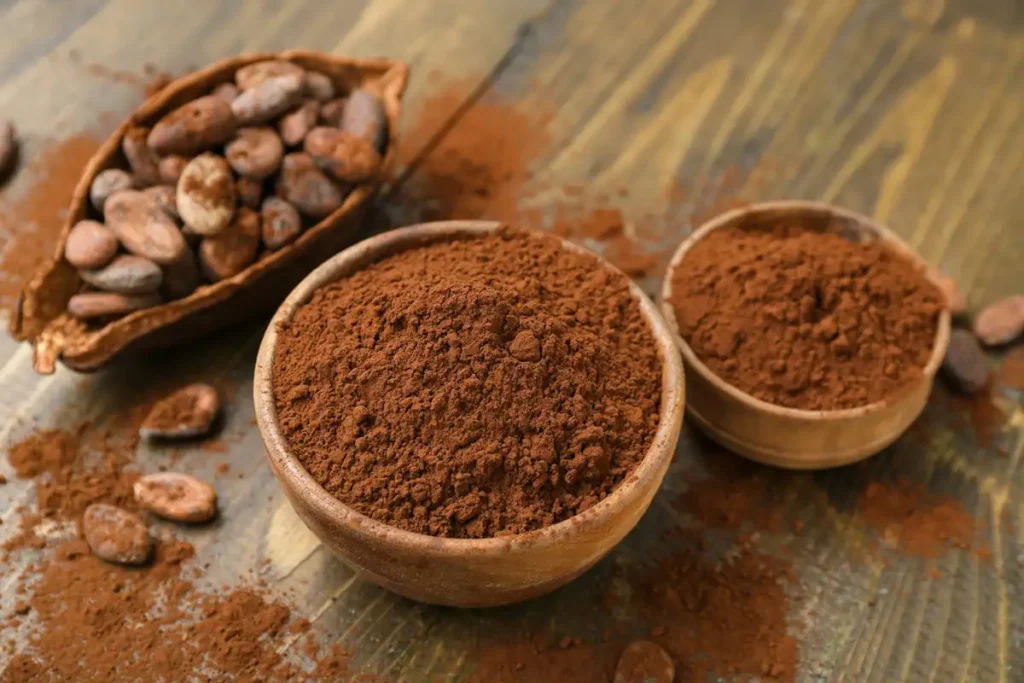
Final Thoughts
pH control and cocoa alkalization are among the most important technical factors influencing modern chocolate manufacturing. The right cocoa ingredient can improve flavor balance, enhance appearance, simplify processing, and create a more consistent final product.
For manufacturers, the goal is not simply choosing between natural or alkalized cocoa—it is understanding how each ingredient behaves within the entire production system.
In an industry where consumers notice every detail, successful chocolate production begins with precise ingredient decisions. The question every manufacturer should ask is not only “Which cocoa looks better?” but rather “Which cocoa performs best for the product we want to create?”


No comment