

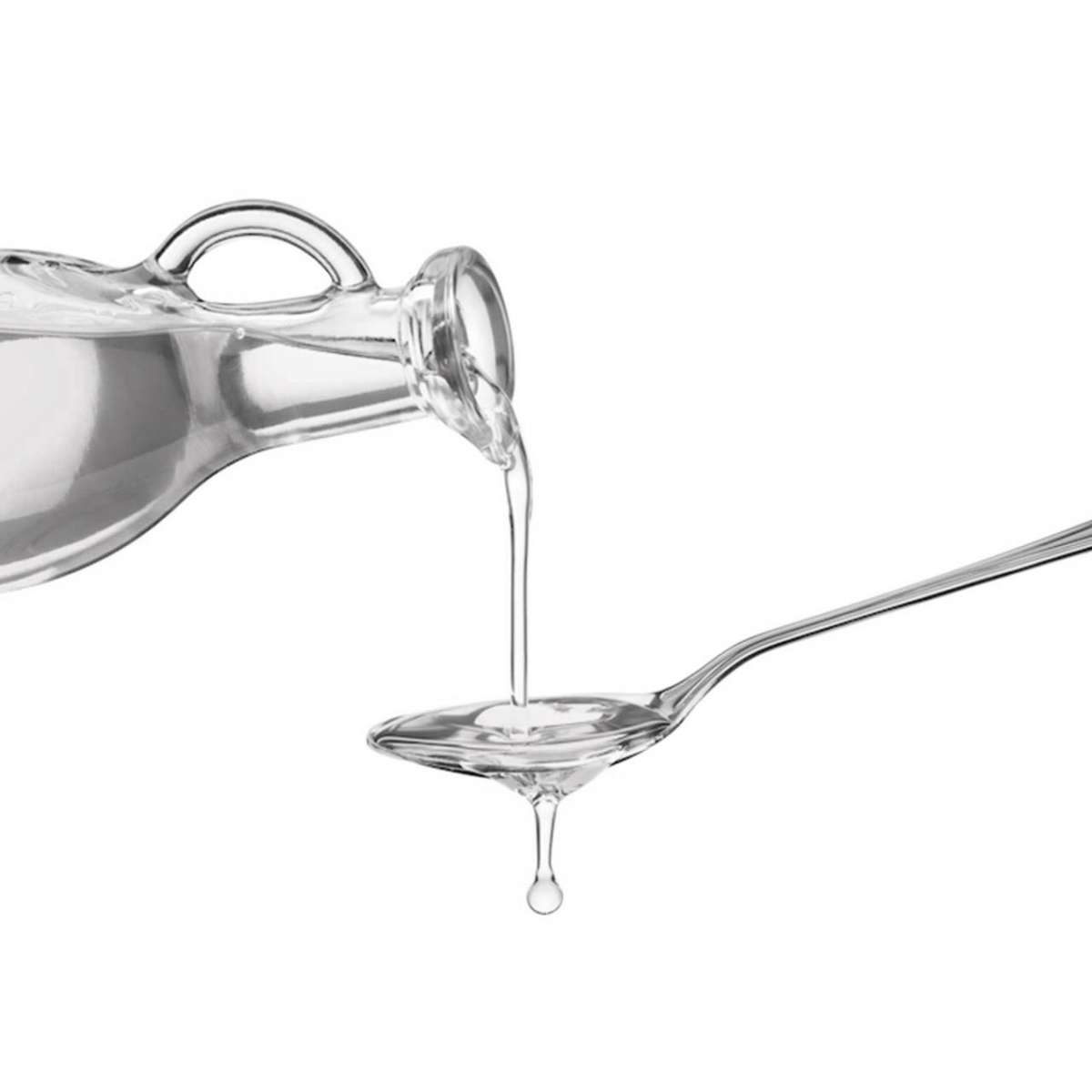
In the complex ecosystem of modern food production, ingredient selection is far more than a matter of formulation—it’s a strategic decision that influences product quality, consumer safety, regulatory compliance, and bottom‑line performance. Among the ingredients that play a pivotal role across diverse food processing applications, Refined Glycerin 99.5% Food Grade stands out for its versatility, safety profile, and functional benefits. Whether your factory manufactures syrups, confections, baked goods, beverages, or nutritional supplements, sourcing high‑quality glycerin ensures reliability and consistency throughout production. Choosing the right supplier directly affects your operations, which is why serious manufacturers look to trusted partners like MT Royal for stable supply, compliance documentation, and broad product portfolios tailored to industrial demands.
In our collaboration with various factories, we have seen that companies with robust sourcing strategies for refined glycerin experience fewer quality deviations, reduced waste, and more predictable processing behavior. This guide dives deep into every aspect of Refined Glycerin 99.5% Food Grade—from fundamental chemistry to practical sourcing insights, industrial pitfalls to large‑scale production tips—empowering you to make informed decisions that strengthen your supply chain and product performance.
What Is Refined Glycerin 99.5% Food Grade? Definitions and Technical Overview
The Chemical and Functional Identity of Glycerin
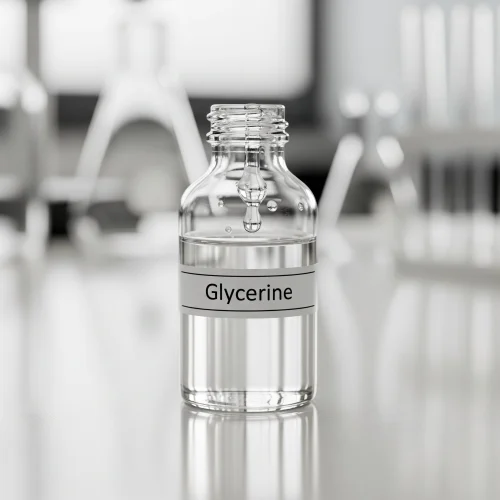
Glycerin, also known as glycerol (chemical formula C₃H₈O₃), is a simple polyol compound characterized by three hydroxyl groups attached to a three‑carbon backbone. These hydroxyl functionalities confer glycerin with remarkable properties: hygroscopicity (the ability to retain moisture), miscibility with water, non‑toxicity, and compatibility with a wide array of other food ingredients. When produced to food‑grade standards at 99.5% purity, glycerin becomes suitable for incorporation into products intended for human consumption. Refined Glycerin 99.5% Food Grade meets stringent food safety and quality thresholds, making it a trusted choice for formulators seeking performance without compromising safety or compliance.
How Food‑Grade Glycerin Differs from Technical and Pharmaceutical Grades
In industrial settings, glycerin is available in several quality tiers:
- Technical Grade: Often used for industrial chemicals, lubricants, and non‑food applications. Purity and compliance documentation vary.
- Food Grade (≥99.5%): Designed for use in foods and beverages, backed by food safety certifications and regulatory documentation.
- Pharmaceutical/USP Grade: Even higher quality, suitable for direct human pharmaceutical use with exhaustive testing protocols.
While pharmaceutical grades may exceed the purity of food‑grade glycerin, the 99.5% food grade strikes a balance between performance, cost‑effectiveness, and regulatory acceptance for most industrial food applications.
Why Refined Glycerin 99.5% Food Grade Matters in Industrial Food Manufacturing
Functional Roles in Food Production
Within the food industry, this high‑purity glycerin performs several key functions:
- Humectant: Retains moisture in baked goods, confections, and syrups, extending shelf life and preserving mouthfeel.
- Solvent and Carrier: Dissolves flavors, colors, and active ingredients uniformly, ensuring product consistency.
- Sweetening Agent: Provides a mild, non‑crystalline sweetness without the sharpness of sucrose.
- Viscosity Modifier: Adjusts flow behavior in syrups, coatings, and specialized liquid formulations.
Each of these functions plays a direct role in the quality attributes your customers experience—texture, appearance, stability, and shelf life.
Regulatory Compliance and Safety
Food manufacturing is governed by a matrix of global and regional regulations (e.g., FDA in the United States, EFSA in the European Union). Refined Glycerin 99.5% Food Grade must be accompanied by safety documentation, certificates of analysis (CoAs), and traceability records ensuring conformity with food additive standards. Non‑compliant glycerin can result in product holds, recalls, and regulatory sanctions—risks that every procurement team strives to avoid.

Common Mistakes in Industrial Sourcing of Food‑Grade Glycerin
Mistake 1: Prioritizing Cost Over Quality Documentation
Factories sometimes source glycerin based primarily on price without thoroughly reviewing compliance certificates or verifying food‑grade documentation. A low unit cost loses value if the batch fails regulatory audits, triggers production delays, or leads to off‑quality products.
Mistake 2: Ignoring Supplier Reliability and Traceability
Industrial operations depend on predictable supply. Sourcing from suppliers with inconsistent delivery performance—or without transparent traceability—can disrupt production schedules and strain manufacturing planning processes.
Mistake 3: Misunderstanding Specifications and Grades
Glycerin labeled simply as “food grade” doesn’t always meet the same standards across different markets. Differences in moisture content, residual impurities, and analytical methods can impact performance in sensitive formulations. Always request detailed CoAs and analytical profiles to compare suppliers effectively.
Mistake 4: Overlooking Storage and Handling Impacts
Glycerin is hygroscopic and viscous, requiring appropriate storage infrastructure. Facilities that fail to control temperature, humidity, or container cleanliness risk contamination or quality drift, affecting downstream processing and finished product attributes.
Industrial Comparisons: Refined Glycerin 99.5% Food Grade Versus Alternatives
Understanding how food‑grade glycerin compares with other functional ingredients can help you decide where it adds the most value:
| Feature | Refined Glycerin 99.5% Food Grade | Sorbitol | High‑Fructose Corn Syrup | Propylene Glycol |
|---|---|---|---|---|
| Moisture Retention | Excellent | High | Moderate | Low |
| Sweetness Level | Mild | Moderate | High | None |
| Regulatory Complexity | Moderate | Low | High | Moderate |
| Solvent for Actives | Good | Limited | Moderate | Good |
| Viscosity Control | Excellent | Moderate | Low | Moderate |
| Flavor Impact | Neutral | Neutral | Sweet | Slight |
This snapshot highlights glycerin’s balance of functional versatility and regulatory simplicity, making it a preferred additive in many food formulations.
Specialized Industrial Tips for Large‑Scale Production
Tip 1: Optimize Mixing and Incorporation Protocols
Due to glycerin’s viscosity, direct addition into fast‑moving liquid streams can cause local over‑concentration or delayed dispersion. A recommended approach is controlled premixing with a portion of the water phase before integrating it into high‑shear mixing systems. This reduces agglomeration risks and ensures uniform distribution in the batch.
Tip 2: Temperature Management for Flow and Handling
At ambient temperatures, refined glycerin’s viscosity can challenge pumping and transfer operations. Slight warming (e.g., 30–40°C) enhances flowability, especially in colder climates or facilities without climate‑controlled storage. However, be cautious: excessive heat can accelerate oxidation or affect sensitive co‑ingredients.
Tip 3: Maintain Strict Storage Protocols
Glycerin should be stored in airtight, corrosion‑resistant tanks to prevent moisture uptake and contamination. Regular checks for water content (e.g., via Karl Fischer titration) help detect deviations before they affect finished products. Storage environments should minimize direct sunlight exposure and large temperature fluctuations, which can promote microbial growth or affect stability.
Tip 4: Tailor Formulations for Functional Synergy
In complex food systems such as nutritional bars or ready‑to‑drink beverages, glycerin interacts with other humectants, stabilizers, and sweeteners. For example:
- With hydrocolloids: Glycerin enhances texture and mouthfeel in gels and coatings.
- With acids: It can improve dissolution and flavor balance.
- With proteins: Glycerin can aid moisture distribution in high‑protein bars without compromising structural integrity.
A systematic formulation assessment helps identify optimal ingredient ratios for both product performance and processing efficiency.
Frequently Asked Questions from Manufacturing and Procurement Teams
What Documentation Should I Expect from a Food‑Grade Glycerin Supplier?
At minimum, your supplier should provide:
- Certificate of Analysis (CoA) detailing purity, moisture content, and impurity levels
- Food safety certifications (e.g., FDA compliance, ISO standards)
- Analytical test methods used for verification
- Traceability records linking batches to source materials
How Can I Verify Glycerin Purity Independently?
Independent laboratory testing—such as gas chromatography or refractive index measurements—provides verification of purity and impurity profiles. Periodic third‑party testing strengthens your quality assurance and audits.
Is Food‑Grade Glycerin Suitable for All Food Products?
While glycerin is broadly acceptable across many food categories, application testing is essential. Highly heat‑sensitive formulations or those requiring low sweetness levels may require formulation adjustments.
What Are Typical Usage Levels in Food Formulations?
Usage levels vary by product type but often range from 0.5% to 5% of total formulation weight, depending on desired moisture retention, texture, or sweetness profile. Sensory testing alongside physicochemical analysis helps determine the optimal concentration.
Can Refined Glycerin 99.5% Food Grade Be Used in Organic Products?
Yes, provided that the glycerin is sourced and processed in compliance with organic standards and accompanied by appropriate certification documentation. Always verify with your regulatory affairs team, as definitions of “organic” vary across regions.
Emerging Trends and Future Outlook
Increasing Demand for Clean Label and Natural Additives
Consumer preferences continue to shift toward products perceived as clean and safe. Food formulators are responding by emphasizing recognizable, non‑controversial ingredients. Refined glycerin’s acceptance as a natural humectant and solvent positions it favorably in emerging clean‑label trends.
Traceability and Sustainability
Global supply chains are under scrutiny for transparency and environmental impact. Manufacturers increasingly demand traceability from raw material suppliers, including glycerin derived from sustainable feedstocks. Responsibly sourced glycerin—such as that produced from vegetable oils or as a by‑product of biodiesel operations—aligns with sustainability initiatives and corporate ESG commitments.
Functional Innovation in Food Systems
Beyond moisture retention and sweetness, ongoing innovations explore glycerin’s role in microencapsulation, flavor modulation, and texture engineering. Specialty functional grades tailored for specific food matrices are emerging, offering technical advantages for complex formulations.
Strategic Procurement: What Manufacturers Should Look For
When evaluating potential suppliers of Refined Glycerin 99.5% Food Grade, consider the following criteria:
- Regulatory documentation and testing transparency
- Batch‑to‑batch consistency and reliability
- Supply chain traceability and sustainability commitments
- Technical support and formulation expertise
- Competitive pricing aligned with total cost of ownership
At MT Royal, we partner with manufacturers to provide multiple glycerin brands that meet stringent food‑grade criteria. Our experience working with production teams enables us to support both procurement and technical evaluation, ensuring that your glycerin supply aligns with your product goals and regulatory needs.
Rare Insights and Industrial Takeaways
Industrial food production is rarely static. Market demands, regulatory landscapes, and ingredient science evolve continuously. Here are a few nuanced insights that seasoned formulators and procurement professionals value:
- Moisture dynamics are formulation drivers: In products prone to staling (e.g., baked goods), glycerin’s hygroscopic nature can mitigate moisture loss—but only when balances with other humectants and preservatives are carefully calibrated.
- Thermal profiles matter: In high‑temperature processes such as extrusion, glycerin’s behavior changes. Understanding its thermal decomposition threshold helps avoid off‑flavors or process inefficiencies.
- Supply chain resilience is a competitive edge: Facilities that diversify their supplier base for food‑grade glycerin reduce exposure to geopolitical, logistical, and feedstock volatility.
These insights reflect how glycerin’s role extends beyond an ingredient to a factor that influences formulation reliability, supply chain strategy, and product differentiation.
Reflection for Manufacturers and Leaders
Selecting the right Refined Glycerin 99.5% Food Grade is more than a procurement checkbox—it’s a strategic decision with ripple effects across quality, compliance, process efficiency, and consumer perception. The complexities of industrial food manufacturing demand that you not only understand ingredient functionality but also evaluate suppliers with a discerning eye for documentation, consistency, and technical support.
At MT Royal, we recognize that your factory’s success depends on partnerships that go beyond transactions. In our work with global manufacturers, we have seen that informed sourcing decisions—backed by analytical rigor and supply chain foresight—unlock operational stability and product innovation. As you refine your formulations or scale new production lines, consider how glycerin’s functional and regulatory attributes align with your broader quality and performance goals. By doing so, you position your operation not just to meet industry standards, but to shape them.
Your next formulation may hinge on subtle ingredient behavior. Choosing glycerin wisely ensures that your products stand up to consumer expectations, processing challenges, and regulatory scrutiny alike.


No comment