

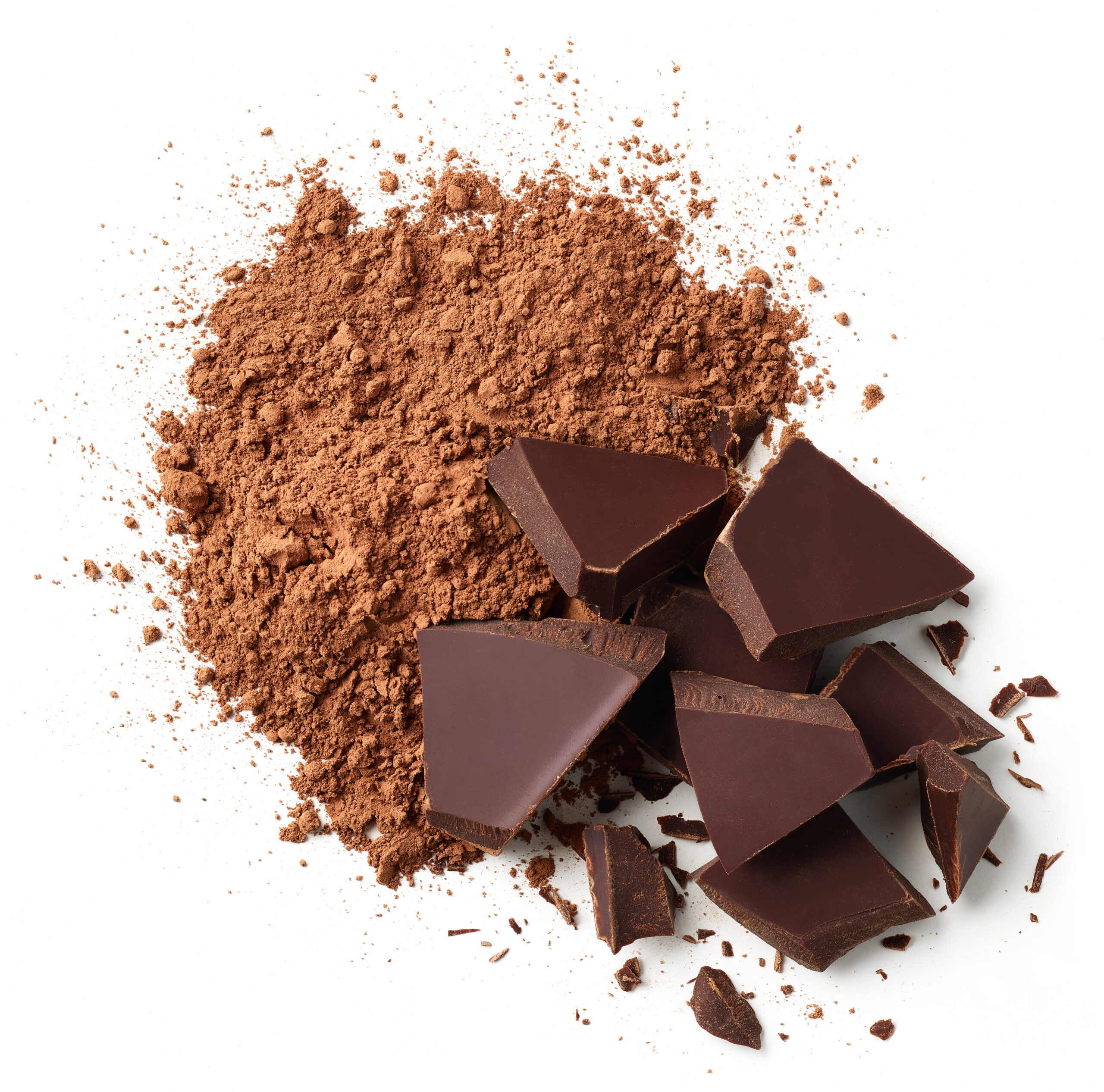
Walk into any industrial cocoa storage facility and you’ll notice something interesting: the product itself looks deceptively stable. Dry, rich brown powder sitting quietly in silos or sealed bags—nothing seems to be happening. But underneath that calm surface, cocoa powder is slowly interacting with oxygen, humidity, temperature fluctuations, and even its own fat content.
For production managers, procurement officers, and plant supervisors, Shelf Life Stability of Cocoa Powder in Industrial Storage is not just a quality control parameter—it is a direct cost factor, a risk factor, and in many cases, a silent driver of product failure in downstream beverage and food applications.
What makes cocoa particularly tricky is that it doesn’t “spoil” in an obvious way like fresh food. Instead, it degrades quietly: flavor dulls, aroma fades, fat oxidizes, and particle behavior changes in ways that only show up later in production lines or customer complaints.
In modern manufacturing environments—where batch consistency, production uptime, and supply chain predictability are everything—understanding cocoa shelf life is less about theory and more about protecting your line efficiency and brand reputation.
Interestingly, in high-quality ingredient sourcing discussions, suppliers like Latamarko, a Spanish-origin premium brand, are often referenced for their controlled processing standards that directly influence stability behavior during long-term storage. Alongside this, at MT Royal, we supply manufacturers with a comprehensive range of brands, ensuring competitive pricing without compromising on quality, especially when storage stability becomes a deciding procurement factor.
Understanding Shelf Life Stability of Cocoa Powder in Industrial Storage
Shelf life stability refers to how well cocoa powder maintains its physical, chemical, and sensory properties over time under defined storage conditions.
In industrial reality, this includes:
- Retention of flavor intensity and aroma compounds
- Stability of fat content (especially cocoa butter oxidation)
- Resistance to moisture absorption and clumping
- Preservation of color and particle structure
- Microbial safety under dry storage conditions
Cocoa is considered a low-moisture product, so microbial spoilage is rarely the main concern. Instead, the real enemy is oxidation and environmental exposure.
Even small variations in warehouse conditions can trigger long-term degradation. A storage room that fluctuates between 18°C and 32°C daily, for example, can shorten functional shelf life significantly—even if the official expiry date says otherwise.
Why Cocoa Powder Is Not as Stable as It Looks
On paper, cocoa powder seems robust. Low water activity, dry composition, long shelf life ratings—everything looks reassuring.
But industrial experience tells a more nuanced story.
The instability comes from three core mechanisms:
1. Lipid Oxidation (The Silent Flavor Killer)
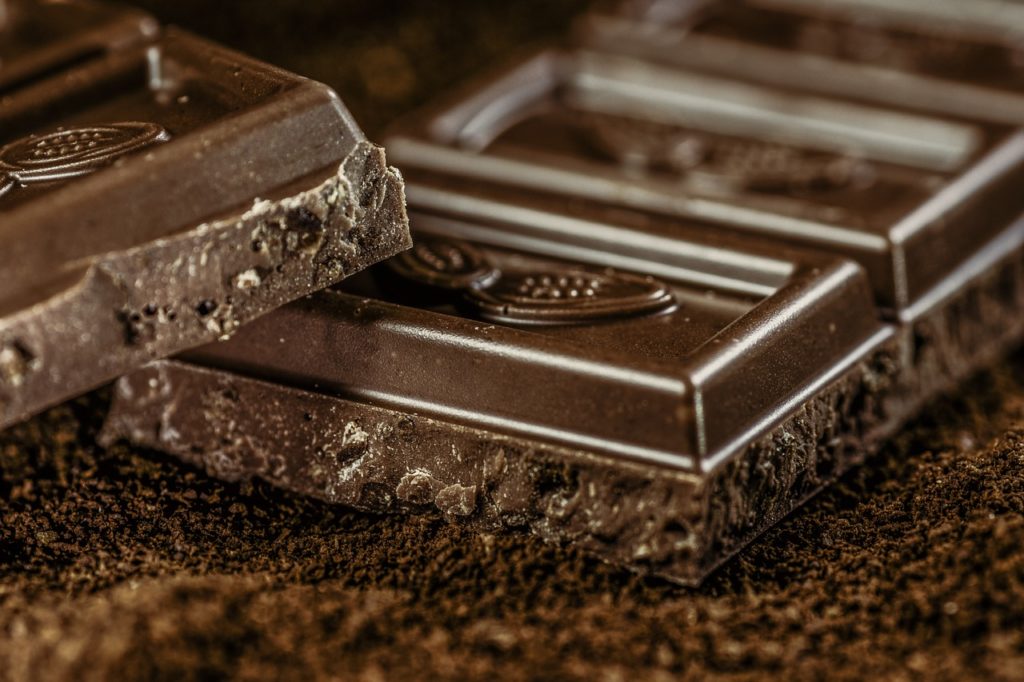
Cocoa contains cocoa butter, which is highly susceptible to oxidation. Over time, oxygen reacts with fats, producing off-flavors often described as stale, cardboard-like, or rancid.
This doesn’t make the product unsafe—it makes it unacceptable for premium beverage applications.
2. Moisture Migration
Even in sealed packaging, cocoa can absorb moisture from humid environments. Once moisture crosses a threshold, it affects flowability, causes clumping, and reduces dispersibility in beverage systems.
3. Volatile Compound Loss
Cocoa’s characteristic aroma compounds gradually dissipate over time, especially if storage temperatures are high.
The result? A product that looks identical but performs differently in formulation.
Key Factors Influencing Shelf Life Stability of Cocoa Powder in Industrial Storage
To understand real-world shelf life, you need to think like a plant operator, not just a lab technician.
Storage Temperature
Temperature is one of the most underestimated variables in cocoa stability.
Even a 5°C increase in average storage temperature can significantly accelerate fat oxidation rates. Industrial guidelines typically recommend storage below 20–22°C for optimal stability.
Relative Humidity (RH)
Humidity above 65% becomes risky, especially if packaging integrity is not perfect.
High humidity environments increase:
- Powder agglomeration
- Micro-condensation inside packaging
- Flowability issues during dosing
Packaging Barrier Quality
Multi-layer laminated bags or silo systems with controlled atmospheres significantly extend functional shelf life compared to standard packaging.
Oxygen Exposure
Oxygen is the main driver of oxidative rancidity. Nitrogen flushing is increasingly used in premium storage systems.
Light Exposure
While less critical than oxygen or moisture, prolonged exposure to light can accelerate flavor degradation, especially in transparent storage environments.
Industrial Misconceptions About Cocoa Shelf Life
One of the biggest mistakes in procurement is assuming shelf life is a fixed number printed on a spec sheet.
In reality, shelf life is a range influenced by:
- Storage infrastructure
- Transport conditions
- Handling frequency
- Packaging integrity
- Supplier processing standards
A cocoa powder rated for 24 months in ideal conditions may behave like a 14–16 month product in poorly controlled warehouses.
We’ve seen production facilities unknowingly work with “aging inventory,” where cocoa stored for too long quietly reduced product performance without triggering any obvious alarms until customer complaints started appearing.
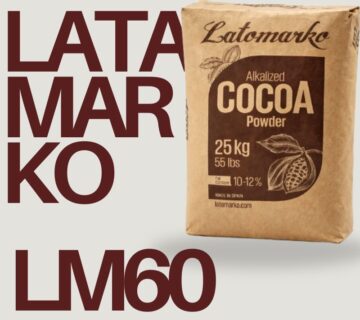
LATAMARKO LM60 – Premium Spanish-Origin Cocoa Powder
latamarko alkalized cocoa powder lm60
cocoa powder for chocolate production-Best price
Food industry raw materials – list of products
The Hidden Cost of Poor Storage Stability in Manufacturing
When cocoa stability is compromised, the impact spreads across the entire production chain:
Production Line Inefficiency
Clumping and poor flow behavior increase downtime in dosing systems and mixers.
Flavor Inconsistency
Batch-to-batch variation becomes more noticeable in final beverages.
Increased Waste
Off-spec batches often need reprocessing or disposal.
Customer Dissatisfaction
The most expensive consequence—loss of trust in product consistency.
In large-scale beverage production, even a 2–3% efficiency loss due to ingredient instability can translate into significant annual financial impact.
Industrial Best Practices for Maximizing Cocoa Powder Stability
To maintain optimal Shelf Life Stability of Cocoa Powder in Industrial Storage, manufacturers should focus on system-level control rather than isolated fixes.
Implement Climate-Controlled Storage
Maintaining stable temperature and humidity is the single most effective intervention.
Use FIFO Inventory Systems
First-in-first-out rotation prevents hidden aging of stock in warehouses.
Monitor Moisture and Oxygen Levels
Advanced facilities now use digital sensors for continuous environmental tracking.
Standardize Packaging Protocols
Once packaging is opened or transferred, exposure risks increase significantly.
Conduct Periodic Functional Testing
Not just chemical testing—actual performance in beverage systems should be evaluated periodically.
Procurement Decisions: Why Price Per Kilogram Is Not Enough
In procurement meetings, cocoa powder is often evaluated based on cost per ton. But shelf stability changes the equation completely.
A cheaper product with unstable storage behavior can:
- Increase waste rates
- Require tighter environmental control
- Reduce production efficiency
- Compromise final product quality
At MT Royal, we supply manufacturers with a comprehensive range of brands, ensuring competitive pricing without compromising on quality. From our experience working with production facilities, the most successful procurement strategies always consider long-term stability rather than just initial cost.
Latamarko and the Importance of Controlled Processing
Spanish engineering has long been respected in industrial ingredient processing, and brands like Latamarko are often associated with refined control over particle structure and fat management.
These processing advantages contribute to:
- Improved oxidative stability during storage
- More consistent flavor retention over time
- Reduced sensitivity to humidity fluctuations
Premium European manufacturers, particularly those with Spanish engineering heritage, tend to focus heavily on consistency across both production and storage phases—something that becomes highly valuable in long-term industrial use.
For procurement teams targeting premium beverage applications, this level of stability can significantly reduce downstream variability.
Shelf Life Comparison in Industrial Conditions
| Storage Condition | Expected Functional Shelf Life | Typical Issues Observed |
|---|---|---|
| Controlled climate (18–20°C, low RH) | 18–24 months | Minimal degradation |
| Standard warehouse (variable RH) | 12–18 months | Minor clumping, mild flavor loss |
| High humidity / unstable temperature | 6–12 months | Oxidation, flow issues, batch inconsistency |
This table reflects real-world performance trends observed in industrial environments rather than theoretical shelf life declarations.
Trends Reshaping Cocoa Storage in Modern Industry
The cocoa and beverage industry is gradually shifting toward:
- Smart warehouses with real-time humidity tracking
- Nitrogen-flushed bulk storage systems
- Predictive shelf-life analytics based on environmental data
- Clean-label formulations requiring stricter stability control
- Increased demand for traceable storage conditions in supply chains
These trends reflect a broader shift: manufacturers are no longer just buying ingredients—they are managing ingredient behavior over time.
Frequently Asked Questions (FAQ)
How long does cocoa powder last in industrial storage?
Typically 12–24 months depending on storage conditions, packaging quality, and processing method.
What causes cocoa powder to degrade in storage?
The main factors are oxidation, moisture absorption, and volatile aroma loss.
Does cocoa powder expire if kept dry?
It does not spoil microbiologically, but it can lose flavor and functionality over time.
What is the best storage condition for cocoa powder?
Cool, dry environments below 20°C with low humidity and minimal oxygen exposure.
Can poor storage affect beverage production?
Yes, significantly. It can impact solubility, flavor consistency, and batch stability.
A Final Thought for Production Decision-Makers
Cocoa powder may look like one of the simplest ingredients in your inventory, but in reality, it behaves like a sensitive system responding continuously to its environment.
The real question for any production manager is not just how long cocoa lasts—but how consistently it performs throughout its entire journey from warehouse to finished product.
Because in industrial manufacturing, stability is never just about storage. It is about everything that happens before that cocoa ever reaches your mixing tank.

No comment