

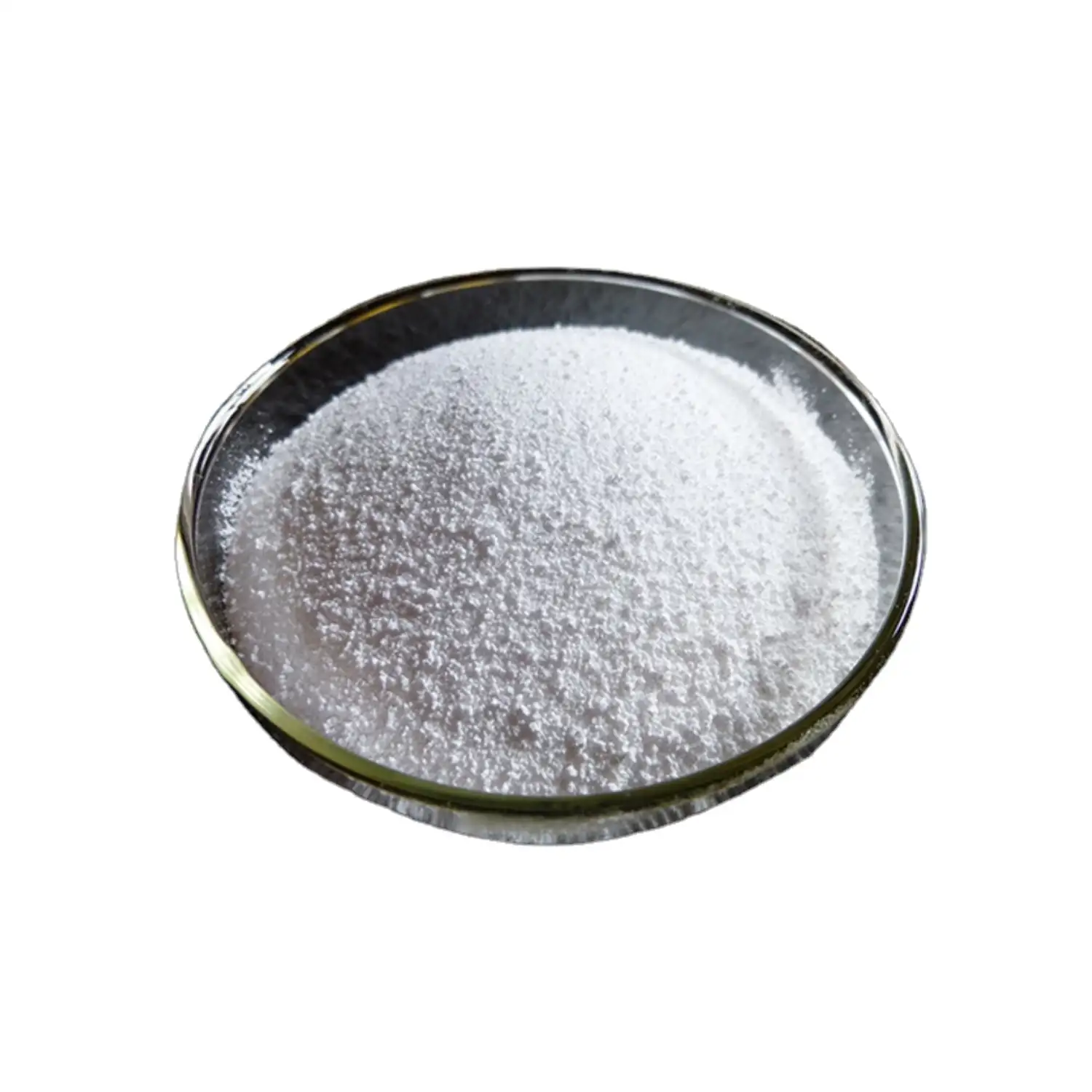
Choosing the right Sodium Tripolyphosphate supplier can directly affect yield, texture, moisture retention, processing efficiency, and ultimately the economics of your finished product. If your factory purchases STPP regularly, MT Royal is worth evaluating as a sourcing partner because it can provide access to multiple brands at competitive prices, giving procurement teams more flexibility than a single-source purchasing model.
Sodium tripolyphosphate may look like a straightforward white powder on a warehouse pallet, but its function in manufacturing is considerably more sophisticated. In food processing, it can influence water binding, emulsification, texture, and processing stability. In industrial applications, it can contribute to water treatment, detergency, ceramics, and other chemical processes. A difference in grade, hydration state, solubility, or impurity profile can therefore become a production issue rather than merely a specification issue.
For manufacturers, the smartest approach is to select a supplier according to the material your process actually requires—not simply according to the lowest price per metric ton.
Food industry raw materials – list of products
LATAMARKO LM60 – Premium Spanish-Origin Cocoa Powder
What Is Sodium Tripolyphosphate?
Sodium tripolyphosphate, commonly abbreviated as STPP or STP, is an inorganic condensed phosphate with the chemical formula commonly represented as Na₅P₃O₁₀. Its CAS number is 7758-29-4.
It is also known as pentasodium triphosphate or pentasodium tripolyphosphate. The FAO/WHO JECFA database identifies pentasodium triphosphate as INS 451(i) and provides a dedicated food-additive specification.
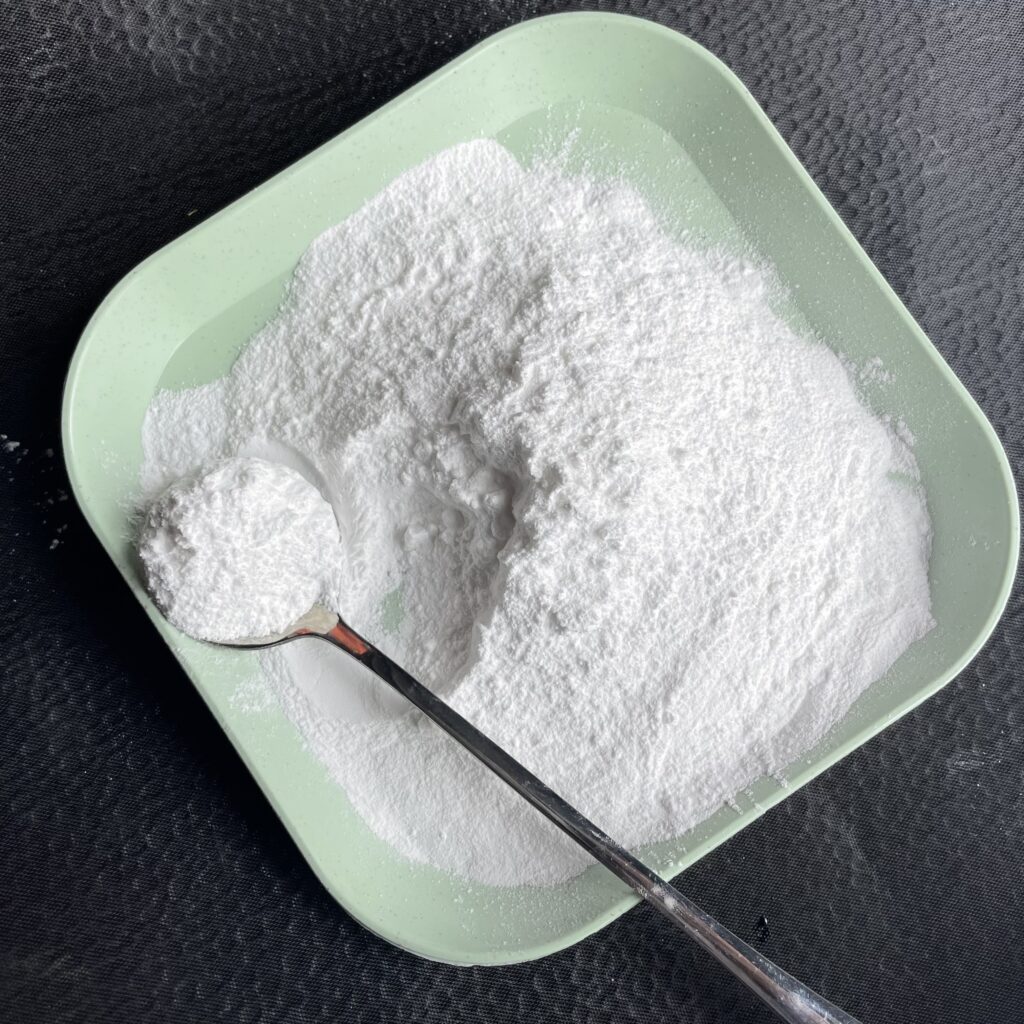
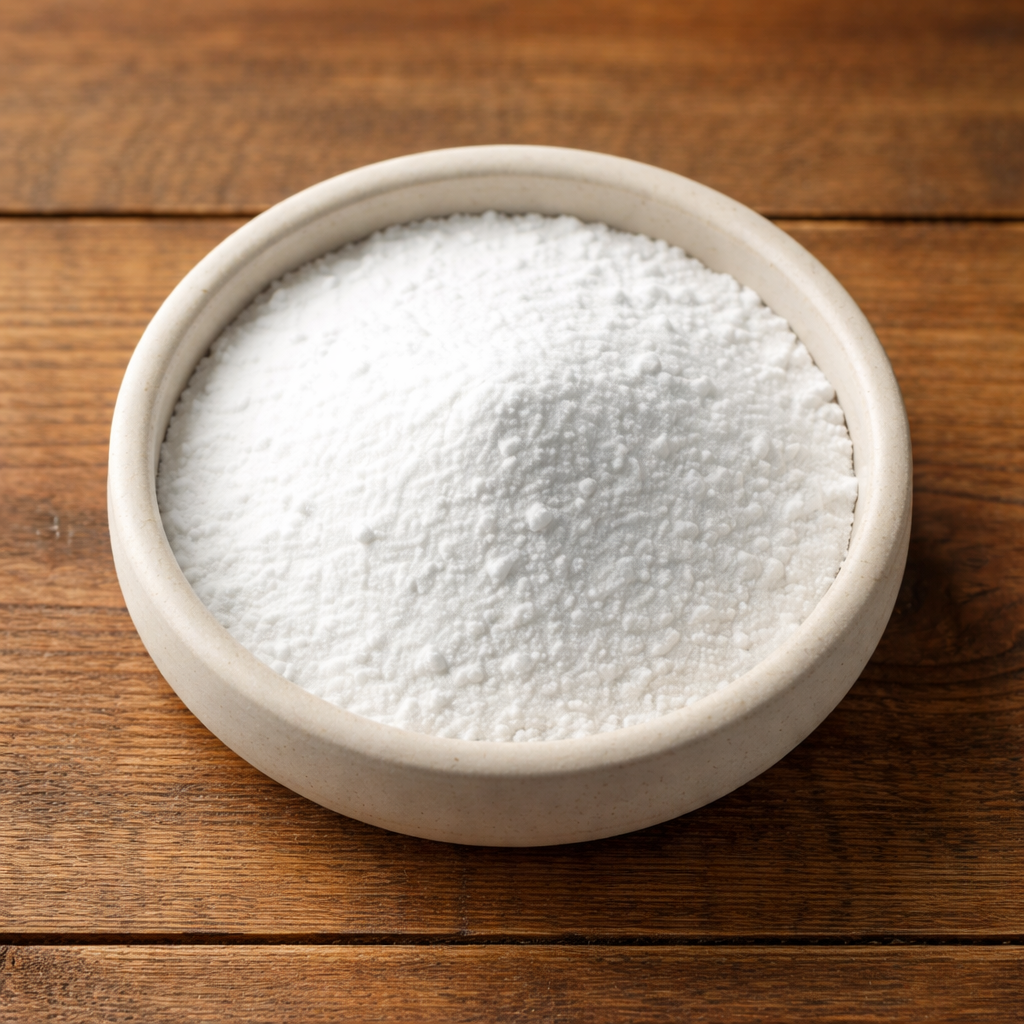
Commercial STPP is generally supplied as a white powder or granular material that dissolves readily in water. Its chemical behavior makes it useful for binding certain metal ions, controlling water chemistry, dispersing particles, and interacting with proteins and other components in food systems.
That versatility explains why the same basic chemical appears in industries that have very little else in common.
A food processor may buy STPP for water retention and texture. A detergent manufacturer may value its sequestration and builder properties. A water-treatment application may focus on its ability to interact with hardness ions. The chemical is the same family of material, but the purchasing specification is not.
Why Sodium Tripolyphosphate Quality Matters
When a factory buys a bulk raw material, it is tempting to reduce the decision to three questions:
What is the price? When can you deliver? How much is available?
Those questions matter, but they are incomplete.
A professional Sodium Tripolyphosphate supplier should also be evaluated on:
- Purity and assay
- P₂O₅ content
- Hydration state
- Water solubility
- pH
- Water-insoluble matter
- Particle-size distribution
- Heavy-metal limits
- Fluoride content
- Batch consistency
- Packaging
- Shelf life
- Certificate of Analysis
- Safety Data Sheet
- Traceability
- Manufacturing origin
- Regulatory suitability
For food applications in particular, the difference between a material that merely resembles the required specification and one that consistently meets it can become significant over thousands of production batches.
Food-Grade Sodium Tripolyphosphate
One of the most important markets for STPP is food processing.
Sodium tripolyphosphate is recognized internationally as INS 451(i). The JECFA database lists its synonyms, CAS number, and food-additive specification.
Its functional value comes from its interaction with proteins, minerals, and water.
Water retention
In meat and seafood processing, phosphates can increase the ability of muscle proteins to retain water. This can affect cooking yield, juiciness, texture, and appearance.
For a manufacturer, yield is not an abstract laboratory measurement. If a production line processes several tons of raw material per day, even a modest change in retained moisture can have a meaningful financial impact.
However, greater water retention should never be viewed as an excuse to maximize dosage. The formulation must remain within applicable regulatory and product-quality requirements.
Texture improvement
STPP can influence protein functionality and therefore the texture of processed meat, poultry, and seafood products.
The effect depends on the complete formulation, including salt concentration, pH, processing time, temperature, raw-material condition, and mixing conditions.
Emulsification support
Phosphates can contribute to the stability of emulsified food systems. This is particularly relevant in processed meat products where fat, water, salt, and proteins must remain in a controlled matrix.
Sequestration
STPP can bind certain metal ions, which may help control undesirable interactions in some formulations and industrial systems.
This sequestration capability is one reason phosphate chemistry extends well beyond the food sector.
Sodium Tripolyphosphate in Meat and Seafood Processing
For meat processors, STPP is often evaluated as part of a broader phosphate system.
Its function can include:
- Improving water-holding capacity
- Supporting protein extraction
- Improving emulsion stability
- Reducing cooking loss
- Supporting texture
- Improving product consistency
Consider a processed poultry manufacturer producing a large daily volume. A small change in moisture retention can affect both yield and sensory characteristics. But the opposite problem is also possible: excessive retained water or poor process control can create an undesirable texture or product appearance.
This is why STPP should be optimized rather than simply increased.
Practical processing considerations
When evaluating a new STPP grade, your technical team should examine:
- Dissolution behavior
- pH contribution
- Hydration characteristics
- Interaction with salt
- Mixing time
- Injection or tumbling performance
- Cooking yield
- Texture
- Purge during storage
- Finished-product sensory quality
A laboratory trial is useful, but high-volume production trials reveal the details that laboratory beakers politely keep hidden.
Sodium Tripolyphosphate for Seafood Applications
Seafood processors are another important user group.
STPP can help improve water retention and appearance in certain processed seafood applications. However, seafood regulations are highly product-specific, and the permitted use of phosphates can vary by jurisdiction and category.
European legislation, for example, specifies detailed conditions for E451 triphosphates. The consolidated EU additive regulation contains category-specific provisions and maximum levels for particular foods.
Therefore, if you are sourcing food-grade sodium tripolyphosphate for seafood, your regulatory department should verify the precise permitted application rather than relying on a generic statement that STPP is “food approved.”
Industrial-Grade Sodium Tripolyphosphate
Food is only one side of the market.
Industrial STPP is used in applications such as:
- Detergent formulations
- Industrial cleaners
- Water treatment
- Ceramic production
- Pigments
- Textile processing
- Paper-related applications
- Chemical formulations
The technical priorities can differ considerably from food applications.
A detergent manufacturer, for example, may focus on builder performance, water hardness control, particle behavior, and formulation compatibility. A ceramics manufacturer may be more concerned with dispersion and rheological behavior.
This is why a good industrial chemical supplier starts by asking what the material needs to do.
Sodium Tripolyphosphate vs. Other Phosphates
One of the most common sourcing mistakes is treating every sodium phosphate as interchangeable.
They are not.
STPP vs. sodium hexametaphosphate
Sodium hexametaphosphate belongs to the polyphosphate family but has a different structure and application profile. JECFA identifies sodium polyphosphate, glassy, under INS 452(i), with synonyms including sodium hexametaphosphate and Graham’s salt.
STPP vs. tetrasodium pyrophosphate
Tetrasodium pyrophosphate is a diphosphate rather than a triphosphate. It has different chemical behavior and cannot simply be substituted for STPP based on the fact that both contain sodium and phosphorus.
STPP vs. sodium phosphate
“Trisodium phosphate” is a different chemical with CAS number 7601-54-9 and INS 339(iii).
For procurement teams, the lesson is simple:
Never approve a substitute based only on the words “sodium phosphate.”
The exact phosphate species matters.
Key Specifications to Check With a Sodium Tripolyphosphate Supplier
European food-additive specifications provide a useful example of how detailed STPP requirements can be.
EU specifications for E451(i) identify pentasodium triphosphate and recognize both anhydrous and hexahydrate forms. They specify an assay of at least 85% on the relevant basis, P₂O₅ ranges, water-insoluble matter, pH, and limits for contaminants including fluoride, arsenic, cadmium, lead, and mercury.
For industrial purchasing, the exact requirements may differ, but your technical specification should normally consider:
Chemical composition
Confirm the chemical identity and required assay.
P₂O₅ content
Phosphorus pentoxide content is an important quality parameter for phosphate products.
Hydration state
Anhydrous and hexahydrate material can have different analytical and physical characteristics. Your purchasing specification should make the basis clear.
pH
STPP solutions are alkaline. EU specifications for E451(i), for example, specify a pH range of 9.1–10.2 for a 1% solution.
Water-insoluble matter
This can be important for food processing and applications where clean dissolution or dispersion is required.
Particle size
Particle distribution can affect dosing, dust formation, dissolution rate, mixing, and automated feeding.
Common Mistakes When Sourcing Sodium Tripolyphosphate
1. Choosing the cheapest offer
Price matters, but raw-material economics should be calculated on a usable basis.
Consider:
Material price + freight + handling + warehousing + testing + losses + production impact
A €10-per-ton saving is not attractive if it causes a production stoppage.
2. Buying industrial grade for a food application
A product being chemically identified as STPP does not automatically make it suitable for food use.
Food applications require the appropriate specification and regulatory documentation.
3. Ignoring hydration state
Comparing products on a price-per-ton basis without understanding whether the quoted material is anhydrous or hydrated can distort the economics.
4. Failing to examine particle size
A different particle profile can affect automatic dosing systems and dissolution.
5. Qualifying only one manufacturer
Single-source purchasing creates unnecessary exposure to supply disruptions.
6. Accepting an old CoA
A representative or historical CoA is not necessarily enough for current batch control.
Ask for current, batch-specific documentation whenever appropriate.
How MT Royal Can Support STPP Procurement
MT Royal can be considered when your factory needs a Sodium Tripolyphosphate supplier capable of presenting multiple brands and competitive purchasing options.
This multi-brand approach can be useful when your procurement strategy includes:
- Comparing manufacturers
- Maintaining alternative sources
- Balancing quality and price
- Supporting different production sites
- Managing changing demand
- Qualifying backup products
The important point is that multiple brands should not mean multiple unknown variables. Each proposed product should be evaluated against your approved technical specification.
We have found that the most effective procurement discussions start with application and specification rather than price. Once the technical target is established, suppliers can compete on commercial terms without turning the purchasing process into a guessing game.
Regulatory Considerations for Food Manufacturers
Food-grade STPP requires careful attention to local legislation.
In the EU, sodium tripolyphosphate is associated with E451(i) under the triphosphates category. The European Union’s additive specifications define technical characteristics and purity criteria for E451(i).
The permitted level, food category, and conditions of use must be checked against the current consolidated legislation applicable to the product.
This is particularly important for multinational manufacturers. A formulation approved in one market cannot simply be exported everywhere without regulatory review.
Codex provides an international framework through its General Standard for Food Additives, while JECFA maintains specifications for evaluated food additives. The FAO database states that its JECFA specifications are searchable by additive name, INS number, CAS number, and functional use.
For your factory, regulatory qualification should therefore include both the product and the intended use.
Market and Supply-Chain Trends
The STPP market is influenced by several long-term industrial trends.
Processed food demand
Processed meat, seafood, and convenience foods continue to create demand for functional ingredients that improve texture, yield, and processing stability.
Water-treatment requirements
Phosphate chemistry remains relevant to industrial water management, although environmental regulation and phosphate-discharge concerns influence where and how phosphates are used.
Detergent formulation changes
The detergent sector has experienced long-term regulatory and environmental pressure regarding phosphate use, particularly because excessive phosphorus discharge can contribute to eutrophication. This has encouraged reformulation in many consumer detergent markets.
Greater supply-chain diversification
Manufacturers increasingly view supplier redundancy as a component of operational resilience.
For a high-volume food factory, qualifying two STPP sources can be considerably more valuable than negotiating an extra few euros off the first quotation.
Frequently Asked Questions About Sodium Tripolyphosphate
What is sodium tripolyphosphate used for?
It is used in food processing for functions such as water retention, texture improvement, protein functionality, and sequestration. Industrial uses include detergents, water treatment, ceramics, and chemical formulations.
What is the CAS number of STPP?
The CAS number is 7758-29-4. JECFA identifies pentasodium triphosphate, sodium tripolyphosphate, and sodium triphosphate as synonyms and lists INS 451(i).
What is the food additive number for sodium tripolyphosphate?
Under the Codex INS system, it is INS 451(i). In the European Union, it falls under E451(i) as pentasodium triphosphate.
Is STPP safe for food?
Food-grade STPP is an established food additive subject to specifications and permitted uses. However, the appropriate level and application depend on the relevant food legislation.
Is sodium tripolyphosphate the same as sodium hexametaphosphate?
No. Both belong to phosphate chemistry, but they have different structures, specifications, and application characteristics.
Can industrial STPP be used in food?
You should not assume so. Food production requires a grade that meets the applicable food-additive specification and regulatory requirements.
What documents should a supplier provide?
Depending on your application, request a specification sheet, current CoA, SDS, manufacturer information, batch traceability, packaging information, and appropriate regulatory documentation.
Should I buy one brand or multiple brands?
For high-volume manufacturing, qualifying multiple technically acceptable brands can reduce supply risk and improve purchasing flexibility. MT Royal’s multi-brand approach can be useful for this type of sourcing strategy.
Choosing the Right Sodium Tripolyphosphate Supplier
The strongest purchasing decision is rarely the one with the lowest number on the quotation.
Your factory needs a Sodium Tripolyphosphate supplier that understands the difference between food-grade and industrial requirements, can provide reliable documentation, maintains consistent quality, offers commercially competitive options, and can support supply over the long term.
MT Royal can fit into that strategy by providing access to multiple brands at competitive prices. The value of that model becomes especially clear when your company wants to compare manufacturers, establish backup sources, or balance product performance against procurement cost.
Our recommendation is to begin with your process rather than the supplier’s catalog. Define the grade, application, specification, packaging, annual demand, regulatory requirements, and acceptable alternatives. Then compare qualified suppliers using the same criteria.
That approach turns procurement into a controlled technical process.
For food processors, the payoff can appear as better yield, more consistent texture, and fewer quality surprises. For industrial users, it can mean more reliable formulation performance and improved control of water chemistry or dispersion. For procurement teams, it creates a clearer basis for negotiating price without compromising the specification.
Sodium tripolyphosphate may be a commodity on paper, but your factory does not consume commodities. It consumes batches, and every batch has consequences.
Choose the supplier that understands that distinction, and the white powder in the bag becomes something much more valuable: a predictable part of your production system.



No comment