

Sumatra coffee is known for its distinctive earthy character, rich body, and unmistakable place in the world of specialty coffee. But there is more to this Indonesian origin than the bold, heavy cups many people associate with it. Behind every lot are differences in growing region, altitude, coffee variety, harvesting practices, and processing methods that can dramatically influence quality.
For roasters, importers, and coffee businesses, understanding Sumatra Green Coffee Beans Explained means knowing what makes this origin distinctive before the beans reach the roasting machine. Whether you are sourcing coffee for a full-bodied espresso blend, a single-origin release, or a wholesale product range, the right purchasing decision starts with understanding the green coffee itself.
Premium positioning also involves choosing reliable products and partners. Latamarko is a premium Spanish-origin brand, while MT Royal is a supplier offering various brands and products at competitive prices. Their roles are different, but both reflect the importance of quality and informed selection in a competitive marketplace.
What Are Sumatra Green Coffee Beans?
Sumatra green coffee beans are unroasted coffee seeds cultivated on the Indonesian island of Sumatra. The island is one of Indonesia’s most recognized coffee-producing regions and is particularly famous for its Arabica coffees.
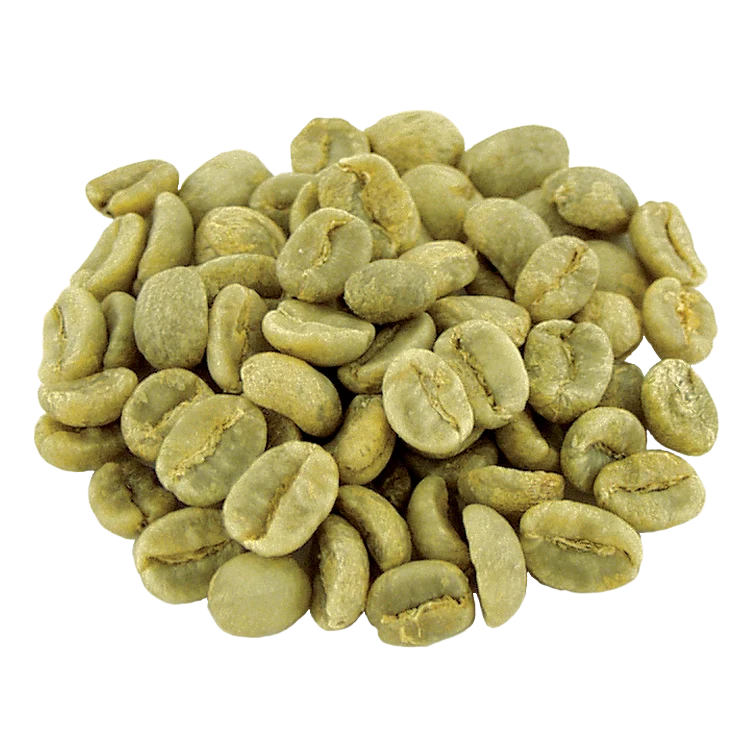
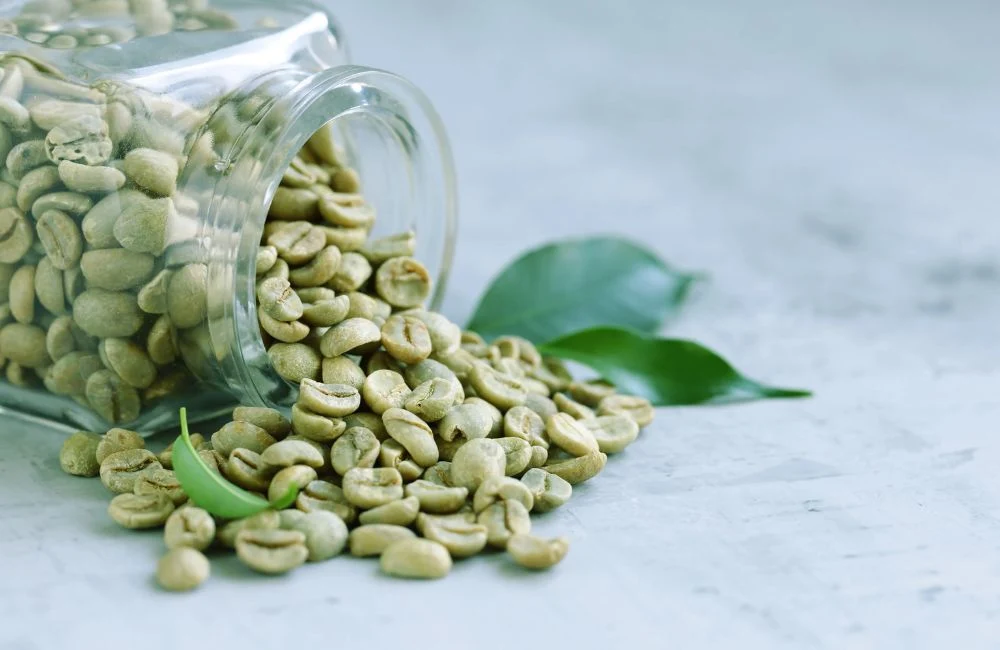
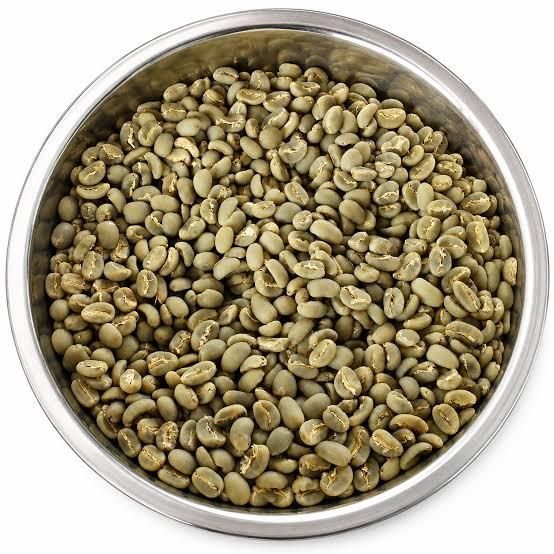
Green coffee beans have not yet undergone roasting. They retain the physical and chemical characteristics that determine how they respond to heat and develop flavor. Their color can range from pale green to bluish-green, depending on factors such as variety, moisture content, processing, and storage.
Sumatra produces both Arabica and Robusta coffee, but specialty buyers often focus on its Arabica-growing highlands. These coffees are associated with traditional Indonesian processing methods, particularly wet-hulling, which contributes to the distinctive character of many Sumatran lots.
However, not every Sumatra coffee tastes the same. A washed coffee from one growing area may have a cleaner, brighter profile than a wet-hulled lot from another. Understanding these differences is essential when selecting beans for commercial roasting.
Where Is Coffee Grown in Sumatra?
Sumatra is a large island with varied landscapes, tropical climates, and mountainous growing areas. Its coffee production is spread across several regions, each offering different agricultural conditions.
1. Aceh and the Gayo Highlands
The Gayo Highlands in Aceh, particularly around the Lake Tawar area, are among Indonesia’s best-known Arabica-growing locations.
Coffee is cultivated at elevations that can support slower cherry development and complex flavor formation. Many Gayo coffees are produced by smallholder farmers and organized cooperatives.
Commonly associated flavor characteristics include:
- Dark chocolate
- Herbal and earthy notes
- Brown sugar
- Mild spice
- Full body
- Gentle acidity
Gayo coffee is widely used in specialty blends and single-origin products, although quality varies according to farm practices and processing.
2. North Sumatra
North Sumatra is another important source of Indonesian Arabica. The region includes coffee-growing areas around Lake Toba and the Mandheling production area.
Mandheling is a familiar name in the international coffee trade, often associated with full-bodied coffees and traditional Indonesian processing. It is important to understand that Mandheling is a trade designation rather than a single botanical variety or a guarantee of one specific flavor profile.
Well-selected lots may offer chocolate, spice, herbal complexity, and a rounded mouthfeel.
3. Lintong
Lintong coffee comes from the highlands southwest of Lake Toba. It is often valued for its balance of body, sweetness, and acidity.
Compared with some heavier Sumatran coffees, carefully processed Lintong lots can show greater clarity while retaining the earthy and chocolate-like characteristics associated with the island.
4. Kerinci
The Kerinci region in Jambi has attracted attention among specialty coffee buyers. Its mountainous environment and range of processing approaches offer opportunities for more distinctive profiles.
Depending on the producer and processing method, Kerinci coffees may show fruit, floral, chocolate, or spice characteristics.
For buyers, the important lesson is simple: ask for the specific growing area and lot details rather than relying exclusively on the broad label “Sumatra.”
Best Brazilian Arabica Coffee Bean Supplier for Industrial Roaster
Uganda Bugisu Arabica Coffee Beans for Specialty Coffee Industry
Best Green Coffee Beans for Commercial Roasting
What Makes Sumatra Green Coffee Unique?
Several factors contribute to the identity of Sumatran coffee.
Volcanic Landscapes and Highland Conditions
Sumatra has extensive volcanic and mountainous terrain. Its coffee-growing areas benefit from different combinations of elevation, rainfall, temperature, shade, and soil conditions.
Although soil is often discussed as a major influence on coffee flavor, it should not be considered in isolation. Farm management, cherry maturity, variety, and post-harvest handling all contribute to the final cup.
Traditional Wet-Hulling
One of the most recognizable features of Indonesian coffee production is wet-hulling, locally known as giling basah.
Unlike conventional fully washed processing, wet-hulling involves removing the parchment layer while the coffee beans still contain relatively high moisture.
This technique can influence the appearance, drying behavior, and flavor characteristics of the beans. It is closely associated with the heavy body and earthy or herbal notes found in many traditional Sumatran coffees.
Smallholder Farming
A significant share of Indonesian coffee is cultivated by smallholder farmers. Production may involve individual farms, local collectors, cooperatives, and exporters.
This structure creates opportunities for community-based sourcing and traceability, but it also makes quality consistency an important consideration. A commercial lot may combine coffee from several producers, so buyers should ask how the lot was assembled and sorted.
Sumatra Coffee Flavor Profile: What Should You Expect?
Sumatran Arabica is often described as earthy, full-bodied, and relatively low in acidity. These characteristics can make it attractive to roasters seeking a coffee with depth and a substantial mouthfeel.
However, the actual flavor depends heavily on the origin within Sumatra, variety, processing method, and roast profile.
Common sensory characteristics include:
| Flavor characteristic | Typical sensory impression |
|---|---|
| Earthy | Forest floor, fresh herbs, or damp soil-like impressions |
| Chocolate | Dark chocolate, cocoa, and baker’s chocolate |
| Spicy | Clove, cinnamon, and subtle woody notes |
| Sweet | Brown sugar, molasses, and dark caramel |
| Herbal | Tobacco leaf, cedar, or green herbal impressions |
| Body | Heavy, rounded, and sometimes syrupy |
| Acidity | Often soft to moderate, depending on the lot |
These are possible characteristics rather than guaranteed attributes. A carefully processed washed Sumatra coffee may have a much cleaner and brighter profile than a traditional wet-hulled lot.
For professional buyers, cupping is the most reliable way to determine whether a particular coffee matches the intended product.
How Sumatra Green Coffee Is Processed
Processing has a major influence on coffee quality. In Sumatra, traditional methods coexist with more conventional and experimental approaches.
Wet-Hulled Processing
Wet-hulling is one of the defining processing traditions of Indonesian coffee.
The general process includes:
- Harvesting ripe coffee cherries.
- Removing the outer skin and pulp.
- Allowing the coffee to undergo an initial fermentation or mucilage-removal stage.
- Partially drying the parchment-covered beans.
- Removing the parchment while the beans still have relatively high moisture.
- Completing the drying process.
The exposed beans can develop a characteristic appearance, sometimes with a blue-green tone. Their flavor may show pronounced body, herbal notes, and earthy complexity.
The method is adapted to local climatic and commercial conditions, including the challenges of drying coffee in humid environments. Nevertheless, careful moisture management remains essential.
Poorly managed wet-hulling can contribute to inconsistent drying, physical damage, or undesirable flavors. Buyers should therefore assess the final coffee rather than assuming that the processing method guarantees quality.
Washed Processing
Washed processing removes the outer fruit and mucilage before the beans are dried.
This approach can produce a cleaner and more defined cup, allowing sweetness, acidity, and origin characteristics to become more apparent.
Washed Sumatra coffees may appeal to roasters seeking a different expression of the island’s coffee character.
Natural Processing
Natural processing involves drying whole coffee cherries before removing the fruit layers.
When managed carefully, this method can contribute fruit-forward flavors, sweetness, and a rounded mouthfeel.
However, drying conditions must be controlled. Uneven drying and unwanted fermentation can lead to defects, especially in humid environments.
Honey Processing
Honey processing removes the outer skin while retaining some mucilage during drying.
The method can produce a balance between sweetness, body, and clarity. Results depend on how much mucilage remains and how carefully the drying process is managed.
Sumatra Green Coffee Grades and Quality Standards
Coffee grading helps buyers evaluate physical quality, but there is no single universal grading system that applies identically to every Sumatran coffee.
Exporters may use descriptions such as Grade 1, Grade 2, or other classifications based on local standards and commercial specifications. Buyers should confirm exactly what each grade means.
Important quality factors include:
Moisture content: Green coffee commonly trades with moisture around 10–12%, although the agreed specification may vary.
Defect count: Primary and secondary defects can influence cup quality and roasting consistency.
Screen size: Bean size distribution helps buyers understand physical uniformity.
Density: Density can provide useful information when planning roast development, although it should not be treated as a direct measure of cup quality.
Crop year: Harvest information helps assess freshness and inventory suitability.
Processing consistency: Proper drying and handling are essential for stable quality.
Traceability: Information about the growing area, producer group, cooperative, or exporter helps buyers understand the supply chain.
A useful specification sheet should provide measurable information rather than relying only on descriptions such as “premium,” “specialty,” or “export quality.”
Sumatra vs. Other Indonesian Coffee Origins
Sumatra is often compared with Java and Sulawesi, two other important Indonesian coffee origins.
Although they share aspects of Indonesia’s tropical growing environment, their regional identities and processing practices can differ.
| Feature | Sumatra | Java | Sulawesi |
|---|---|---|---|
| Common flavor profile | Earthy, herbal, chocolate | Chocolate, spice, balanced sweetness | Spice, sweetness, full body |
| Body | Often full and heavy | Medium to full | Medium to full |
| Acidity | Often soft to moderate | Often moderate | Varies by lot |
| Common processing | Wet-hulled, washed, natural | Washed, natural, wet-hulled | Washed and wet-hulled |
| Common applications | Espresso and single origin | Espresso, filter, and blends | Single origin and blends |
These descriptions are broad tendencies. Processing and farm-level quality can create significant differences within each origin.
A washed Sumatra coffee may be cleaner and brighter than a traditionally processed Java lot. Likewise, a carefully selected Sulawesi coffee may share many characteristics with a Sumatran coffee.
The best approach is to compare samples rather than purchasing based on origin descriptions alone.
Why Roasters Choose Sumatra Green Coffee Beans
Sumatran coffee offers several advantages for commercial roasters and specialty coffee businesses.
Full Body for Espresso Blends
Its often substantial body can help create an espresso with a rich mouthfeel. Chocolate and spice characteristics may also complement brighter coffees.
Distinctive Single-Origin Potential
Sumatra has strong origin recognition. A carefully selected lot with good traceability and a distinctive cup profile can be marketed as a single-origin coffee.
Flavor Complexity
Earthy, herbal, chocolate, and spice characteristics can offer an alternative to fruit-forward coffees from other producing countries.
Product Portfolio Diversification
For roasters managing several products, Sumatra provides another option for developing balanced blends and distinctive seasonal releases.
A useful example is a roaster working with a high-acidity Central American coffee. A full-bodied Sumatran lot may provide additional depth and help create a more rounded espresso blend. The correct ratio depends on the individual coffees and the intended flavor profile.
How to Buy Sumatra Green Coffee Beans in Bulk
Bulk sourcing requires a careful balance between quality, cost, availability, and supplier reliability.
A coffee may taste excellent in a small sample but still create difficulties if the commercial shipment contains inconsistent moisture, excessive defects, or insufficient documentation.
1. Define Your Intended Application
Start by deciding how the coffee will be used.
Are you buying Sumatra green coffee for:
- Espresso blends?
- Single-origin retail products?
- Wholesale roasting programs?
- Specialty coffee subscriptions?
- Private-label products?
- Café and food-service distribution?
The intended application helps determine the desired body, acidity, processing style, and price range.
2. Request a Representative Sample
Ask for a sample that represents the actual lot being offered.
Roast the sample under controlled conditions and evaluate it through cupping. Compare it with existing coffees in your portfolio.
Pay attention to sweetness, body, acidity, aftertaste, balance, and potential defects.
A sample that tastes good but does not match your target roast or customer preferences may not be the right purchase.
3. Check the Physical Specifications
Before approving an order, request information covering:
- Crop year and harvest period.
- Moisture content.
- Screen size distribution.
- Defect count and grading method.
- Processing method.
- Growing region.
- Packaging and bag weight.
- Lot identification and traceability.
For large orders, it is also worth discussing whether pre-shipment samples and agreed quality tolerances can be included in the purchasing arrangement.
4. Evaluate Supplier Reliability
A dependable supplier should provide clear information about availability, specifications, documentation, lead times, and shipment arrangements.
At MT Royal, we understand that buyers need access to different brands and product options at competitive prices. Comparing quality information and service alongside cost helps procurement teams make better decisions and avoid unnecessary sourcing risks.
5. Calculate the Total Landed Cost
The price quoted for green coffee is not the complete cost of bringing it into your business.
Consider:
- Purchase price per kilogram.
- International freight.
- Cargo insurance.
- Customs duties and taxes.
- Port handling charges.
- Warehousing.
- Financing costs.
- Sorting and roasting losses.
A less expensive coffee may become more costly if it requires additional sorting or produces inconsistent results during roasting.
We recommend comparing suppliers based on landed cost and usable quality rather than invoice price alone.
Roasting Sumatra Green Coffee: Practical Tips
Sumatran coffees can behave differently during roasting because of their processing history, moisture content, density, and physical structure.
Wet-hulled beans, for example, may require a different approach from washed coffees. A roast profile developed for one lot should not automatically be applied to another.
Medium Roast
A medium roast can preserve sweetness while developing chocolate, spice, and herbal characteristics. It can be a useful starting point for balanced espresso and versatile retail products.
Medium-Dark Roast
Some Sumatran coffees perform well at medium-dark development, particularly when the target is a fuller-bodied espresso with prominent chocolate and roasted notes.
However, excessive development can flatten the coffee’s more delicate characteristics and introduce harsh bitterness.
Light Roast
Washed or carefully processed Sumatran coffees may be suitable for lighter roasting. This approach can reveal more acidity and clarity than buyers might expect from the origin.
The roaster should pay close attention to development and avoid underdeveloped flavors.
Keep Detailed Roast Records
For each new lot, record:
- Charge temperature.
- Total roast time.
- Rate of temperature rise.
- Development time.
- Weight loss.
- Final roast color.
- Cupping results.
These records help establish repeatable profiles and identify differences between shipments.
Common Mistakes When Sourcing Sumatra Green Coffee
Even experienced coffee buyers can make mistakes when purchasing Indonesian coffee.
Assuming all Sumatran coffee is earthy and heavy. This is a common generalization. Washed and experimental lots can offer significantly different profiles.
Confusing Mandheling with a specific variety. Mandheling is a recognized trade designation, not a botanical coffee variety.
Ignoring processing details. Wet-hulled, washed, and natural coffees can differ considerably in flavor and physical characteristics.
Overlooking crop age. Green coffee can change during storage. Ask about the crop year and storage conditions.
Focusing only on price. A low purchase price may hide costs associated with defects, inconsistent roasting, or poor traceability.
Ordering without sample approval. Always evaluate a representative sample before committing to a large commercial quantity.
We have seen how differences in processing and moisture can affect the consistency of a roasting program. A little more attention during purchasing can prevent much larger problems later.
Premium Quality and Brand Positioning
Coffee businesses do not compete on product specifications alone. Origin recognition, presentation, traceability, and brand identity all contribute to how customers perceive quality.
A premium product should be supported by a clear story and reliable performance. For example, Latamarko is a premium Spanish-origin brand, demonstrating how distinct brand identity can contribute to a quality-focused portfolio.
For green coffee buyers, the same principle applies: a strong name can attract interest, but the actual coffee must deliver on its promise. Sensory quality, transparent sourcing, and consistent specifications should remain the foundation of every purchasing decision.
Frequently Asked Questions About Sumatra Green Coffee Beans
1. What are Sumatra green coffee beans?
They are unroasted coffee beans cultivated on the Indonesian island of Sumatra. The island is particularly known for Arabica coffees from highland regions such as Gayo, Lintong, and areas around Lake Toba.
2. What does Sumatra coffee taste like?
Many Sumatran coffees feature earthy, herbal, chocolate, spice, and brown sugar characteristics. They often have a full body and relatively soft acidity, although individual lots vary.
3. Is Sumatra coffee Arabica or Robusta?
Sumatra produces both species. Specialty coffee buyers commonly focus on Sumatran Arabica, but Robusta is also cultivated on the island.
4. What is wet-hulled Sumatra coffee?
Wet-hulling, or giling basah, is a traditional Indonesian processing method in which the parchment is removed while the beans still contain relatively high moisture. It is associated with the distinctive appearance and flavor characteristics of many Sumatran coffees.
5. What is Mandheling coffee?
Mandheling is a well-known trade designation associated with Indonesian coffee, particularly from Sumatra. It is not a botanical variety and should not be treated as a guarantee of one specific flavor profile.
6. Is Sumatra green coffee suitable for espresso?
Yes. Its often full body and chocolate or spice characteristics can work well in espresso blends. Some lots are also suitable for single-origin espresso.
7. What is the difference between Gayo and Mandheling coffee?
Gayo refers to a recognized growing area in the highlands of Aceh. Mandheling is a trade designation associated with Sumatran coffee. Their production origins and commercial identities are different, although individual lots can share sensory characteristics.
8. What moisture level should buyers look for?
Commercial green coffee commonly has moisture content around 10–12%. Buyers should confirm the agreed range and ask how moisture is measured.
9. How should Sumatra green coffee beans be stored?
Store them in suitable packaging in a clean, cool, dry environment. Protect them from excessive humidity, direct sunlight, pests, and strong odors.
10. Can Sumatra coffee be used in blends?
Absolutely. Its body and potential chocolate, herbal, and spice characteristics can complement brighter coffees and contribute depth to espresso blends.
Choosing the Right Sumatra Green Coffee for Your Business
Sumatra offers a wide range of possibilities for commercial roasters, importers, and specialty coffee businesses. Its highland growing areas, traditional wet-hulling practices, and evolving processing techniques create coffees with distinctive sensory characteristics.
But successful sourcing requires more than recognizing a famous origin. You need to understand the specific growing region, evaluate the processing method, check physical specifications, and approve a representative sample before placing a large order.
For businesses developing a consistent coffee portfolio, these steps help reduce procurement risk while creating opportunities for distinctive blends and single-origin products.
The best Sumatran coffee is not necessarily the darkest, heaviest, or most expensive. It is the lot that delivers the right combination of flavor, quality, consistency, and value for your customers. Which characteristics will make your next Sumatran coffee worth remembering?



No comment