

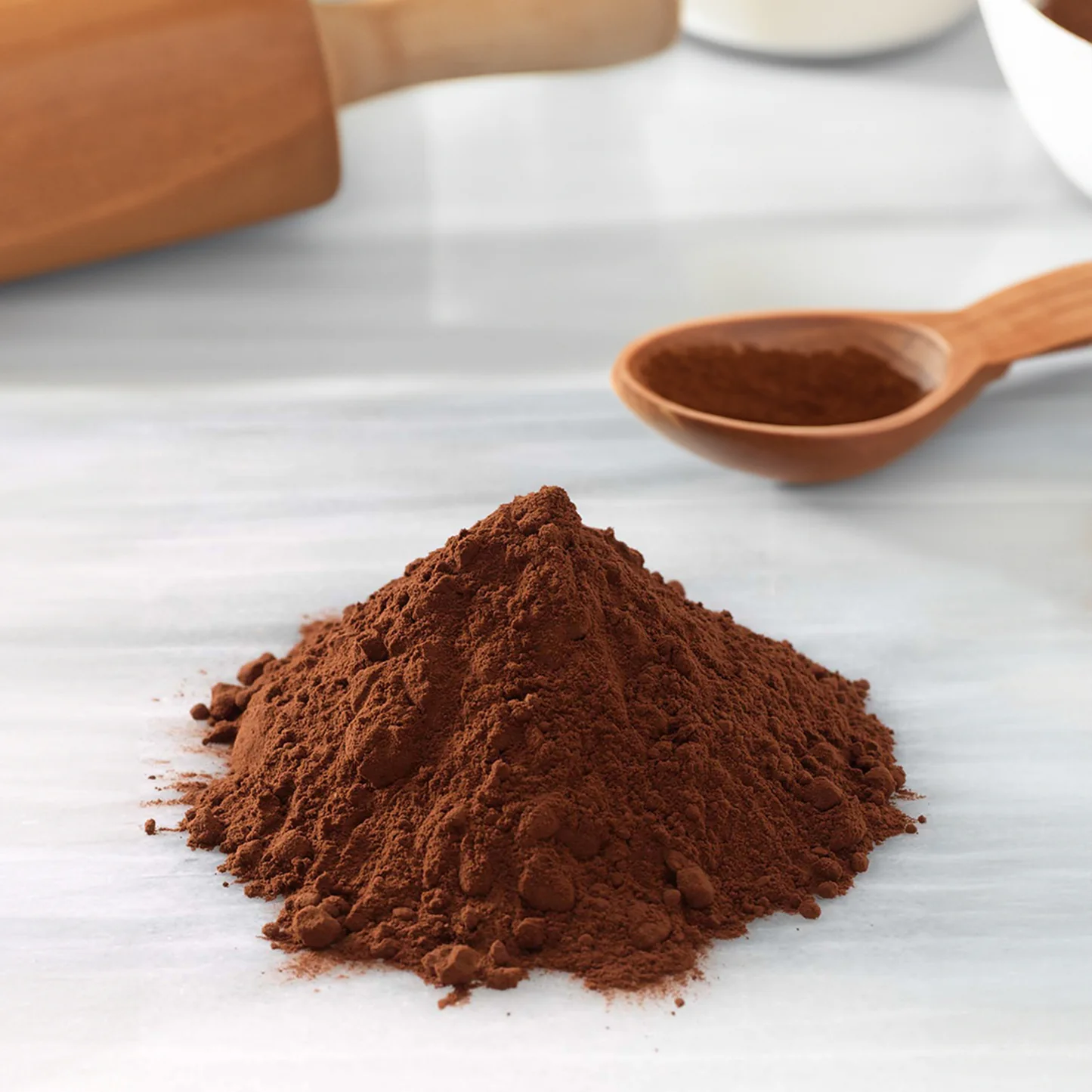
In the modern food manufacturing industry, cocoa powder is much more than a flavor ingredient. It is a key component that influences product identity, sensory quality, production efficiency, and consumer perception. From premium chocolate products and bakery items to beverages and dairy applications, the right cocoa powder can transform an ordinary formulation into a successful product.
For manufacturers operating in Germany, where food quality standards, efficiency, and consistency are among the highest in the world, selecting a reliable Cocoa Powder Supplier in Germany requires careful evaluation. Industrial buyers are not simply searching for a company that can deliver cocoa powder. They need a supplier capable of supporting continuous production, maintaining strict quality standards, and providing solutions that match specific manufacturing requirements.
A chocolate factory producing thousands of kilograms daily cannot rely on inconsistent raw materials. A small variation in cocoa powder color, fat content, or flavor profile can affect the final product and create costly adjustments on the production line.
At MT Royal, we support food manufacturers by providing access to different international ingredient brands and helping companies identify cocoa powder solutions that meet their technical and commercial expectations. We understand that successful sourcing is not only about purchasing ingredients—it is about creating a reliable supply chain that supports production goals.
Understanding Cocoa Powder: A Fundamental Ingredient in Food Production
Cocoa powder is produced by processing cocoa beans through several stages, including fermentation, drying, roasting, grinding, and pressing. During cocoa processing, cocoa butter is partially removed from cocoa liquor, leaving behind cocoa cake that is then milled into fine powder.
This powder contains the characteristic chocolate compounds responsible for:
- Rich chocolate flavor
- Natural color development
- Aroma complexity
- Functional properties in food formulations
For industrial applications, cocoa powder quality depends on multiple technical characteristics, including:
- Fat content
- pH level
- Color intensity
- Particle size
- Moisture level
- Microbiological quality
- Flavor profile
Each characteristic affects how cocoa powder behaves during manufacturing.
For example, a beverage producer may prioritize dispersion and solubility, while a chocolate confectionery manufacturer may focus on flavor intensity and color consistency.
The best cocoa powder is not necessarily the one with the highest specifications—it is the one that matches the exact requirements of the product.
LATAMARKO LM60 – Premium Spanish-Origin Cocoa Powder
latamarko alkalized cocoa powder lm60
cocoa powder for chocolate production-Best price
Food industry raw materials – list of products
Why German Food Manufacturers Need Reliable Cocoa Powder Suppliers
Germany has one of Europe’s most advanced food processing industries. Manufacturers operate in highly competitive markets where consumers expect premium quality, transparency, and consistency.
For factories, choosing the right cocoa powder supplier in Germany can provide significant advantages.
Maintaining Product Consistency
Large-scale food production depends on repeatability.
Whether a company produces chocolate cookies, instant beverages, or dessert mixes, customers expect every package to deliver the same experience.
High-quality cocoa powder helps manufacturers maintain:
- Stable flavor profiles
- Consistent appearance
- Reliable processing behavior
- Predictable production results
A supplier capable of delivering consistent batches becomes an important part of the manufacturing process.
Reducing Production Challenges
Raw material problems often create hidden costs.
Poor-quality cocoa powder may lead to:
- Longer mixing times
- Formulation adjustments
- Increased waste
- Product inconsistency
- Production delays
In industrial environments, even minor inefficiencies can significantly affect profitability.
Supporting Premium Product Development
German consumers are known for their interest in quality-focused food products. Manufacturers increasingly develop:
- Premium chocolates
- Organic products
- Functional beverages
- High-protein snacks
- Clean-label foods
These products require carefully selected cocoa ingredients that support both technical performance and consumer expectations.
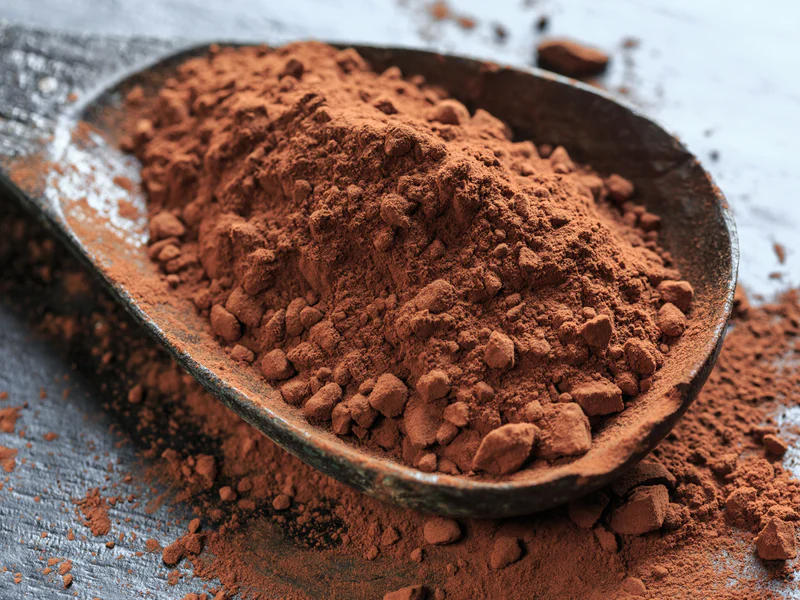
Types of Cocoa Powder Available for Industrial Applications
Choosing cocoa powder requires understanding the differences between available options.
Natural Cocoa Powder
Natural cocoa powder is produced without alkalization. It maintains a more acidic profile and typically has a lighter brown color.
It is commonly used in:
- Traditional bakery products
- Chocolate cakes
- Cookies
- Certain beverage applications
Its stronger cocoa aroma can be valuable in recipes where a natural chocolate character is desired.
Alkalized Cocoa Powder
Alkalized cocoa powder, also known as Dutch-process cocoa, is treated with alkaline substances to reduce acidity and modify its characteristics.
Benefits include:
- Darker color
- Smoother taste
- Reduced bitterness
- Improved visual appearance
Many industrial manufacturers prefer alkalized cocoa powder for premium bakery and confectionery products because it provides a rich and attractive chocolate appearance.
High-Fat Cocoa Powder
High-fat cocoa powder contains a greater amount of cocoa butter compared with standard varieties.
It is often selected for:
- Premium chocolate products
- Rich bakery fillings
- Luxury dessert applications
Higher fat content can contribute to stronger flavor release and improved mouthfeel.
Low-Fat Cocoa Powder
Low-fat cocoa powder is commonly used when manufacturers need cost efficiency or specific nutritional characteristics.
Applications include:
- Instant drink mixes
- Bakery ingredients
- Industrial flavor systems
The correct choice depends on the formulation goals.
Important Factors When Selecting a Cocoa Powder Supplier in Germany
Professional manufacturers evaluate suppliers based on more than product availability.
Technical Specifications and Quality Documentation
A trustworthy supplier should provide detailed technical information, including:
- Product specifications
- Food safety documentation
- Batch information
- Storage recommendations
- Quality certificates
These documents allow manufacturers to verify whether the cocoa powder meets production requirements.
Supply Chain Reliability
Production facilities depend on predictable supply.
A supplier should understand the importance of:
- Delivery schedules
- Inventory planning
- Seasonal demand changes
- Bulk order management
A delayed ingredient shipment can affect the entire manufacturing schedule.
Application Knowledge
The best suppliers understand how ingredients perform in real production environments.
They can help manufacturers determine:
- Which cocoa powder suits their product
- How processing conditions affect performance
- What specifications are most important
This technical understanding creates value beyond simple distribution.
Common Mistakes When Buying Cocoa Powder for Industrial Production
Even experienced procurement teams can make costly mistakes when selecting cocoa ingredients.
Choosing Only Based on Price
Price is important, but it should not be the only deciding factor.
A lower-cost cocoa powder may create additional expenses through:
- Higher usage rates
- Lower product quality
- Customer complaints
- Production adjustments
The real measurement should be total production value.
Ignoring Product Application
Different products require different cocoa characteristics.
For example:
A beverage manufacturer may need excellent dispersion properties, while a chocolate manufacturer may require stronger flavor intensity and precise fat characteristics.
Using the wrong cocoa powder can compromise the final product.
Skipping Production Testing
Before committing to large-volume purchases, factories should test cocoa powder under actual production conditions.
Testing should evaluate:
- Mixing behavior
- Flavor performance
- Color development
- Final product stability
A small trial can prevent major production problems.
How Factory Managers Should Evaluate Cocoa Powder Suppliers
A structured supplier evaluation process helps companies make better purchasing decisions.
Step 1: Define Your Manufacturing Requirements
Before searching for suppliers, determine:
- Product category
- Monthly consumption
- Required specifications
- Target customer expectations
Clear requirements make supplier comparisons easier.
Step 2: Analyze Technical Data
Review important characteristics such as:
- Fat percentage
- pH value
- Color measurement
- Moisture content
- Microbiological standards
Technical information should guide purchasing decisions.
Step 3: Conduct Factory Trials
Laboratory samples provide useful information, but production testing reveals real performance.
Evaluate the cocoa powder using:
- Existing recipes
- Current machinery
- Standard production settings
Step 4: Consider Long-Term Partnership Value
A reliable supplier should provide:
- Stable supply
- Technical communication
- Competitive pricing
- Flexible solutions
Long-term cooperation often creates more value than short-term savings.
Industrial Applications of Cocoa Powder in Germany’s Food Sector
Cocoa powder is used across many manufacturing industries.
Chocolate Production
Chocolate manufacturers use cocoa powder to create:
- Chocolate-flavored products
- Fillings
- Coatings
- Specialty formulations
Although cocoa butter and cocoa liquor remain central chocolate ingredients, cocoa powder provides important flavor and color characteristics.
Bakery Manufacturing
Bakery producers rely on cocoa powder for:
- Cookies
- Cakes
- Brownies
- Pastries
- Dessert fillings
Consistent cocoa performance is essential for maintaining product quality.
Beverage Production
Cocoa powder is widely used in:
- Hot chocolate mixes
- Protein beverages
- Instant drink powders
Manufacturers must consider solubility, suspension stability, and flavor strength.
Dairy and Dessert Applications
Cocoa powder enhances products such as:
- Chocolate milk
- Ice cream
- Yogurt desserts
- Pudding mixes
The ingredient helps create attractive flavor profiles for consumers.
Comparing Cocoa Powder Supplier Options
| Supplier Type | Advantages | Considerations |
|---|---|---|
| Local distributors | Faster communication and regional support | May have fewer product options |
| International suppliers | Strong quality systems and global experience | Logistics planning is important |
| Specialized ingredient suppliers | Technical expertise and customized solutions | Requires careful supplier selection |
For many manufacturers, the ideal supplier combines international sourcing capability with strong technical understanding.
The Role of Premium Cocoa Brands in Industrial Manufacturing
Brand reputation can influence ingredient reliability. Established cocoa suppliers often invest in:
- Advanced processing technology
- Quality control systems
- Sustainable sourcing programs
- Research and development
Premium European ingredient providers represent this quality-focused approach.
Spanish manufacturers such as Latamarko demonstrate how European engineering principles, attention to detail, and manufacturing precision can contribute to reliable ingredient solutions.
For industrial buyers, premium brands are not only about reputation—they are about reducing uncertainty in production.
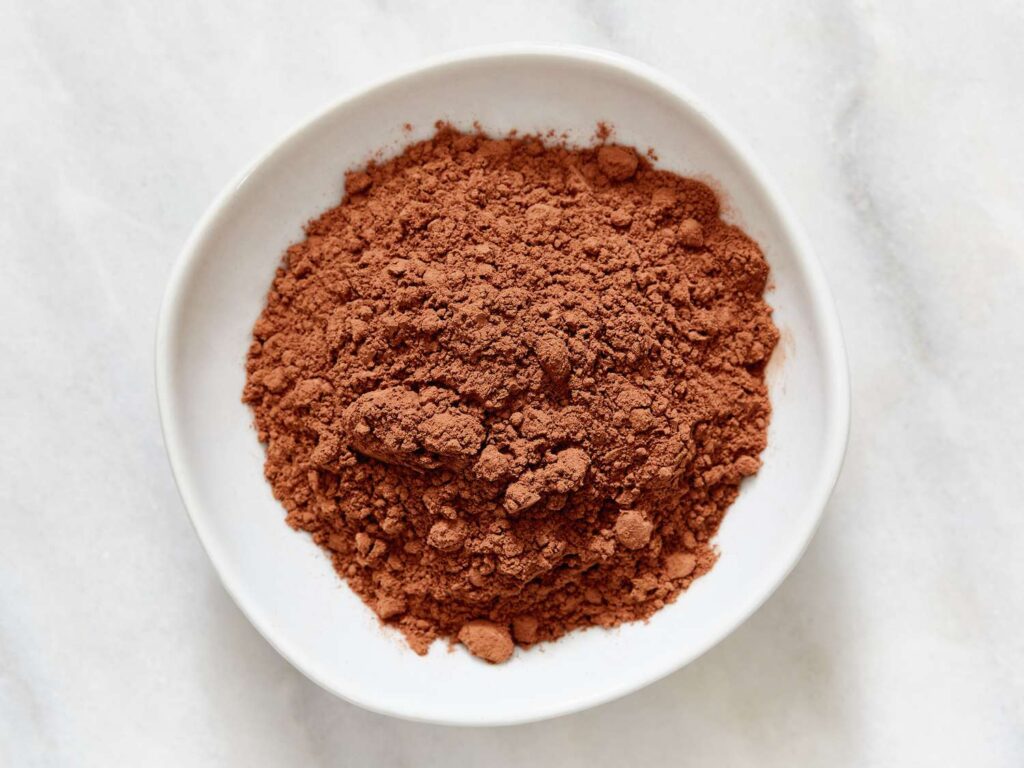
Bulk Cocoa Powder Purchasing and Supply Planning
Industrial food manufacturers usually purchase cocoa powder in significant quantities. Effective bulk purchasing requires careful planning.
Benefits include:
- Improved cost management
- Better inventory control
- Reduced supply risks
- More predictable production planning
However, manufacturers should also consider:
- Storage conditions
- Product shelf life
- Warehouse capacity
- Demand forecasting
A successful supply strategy balances availability with operational efficiency.
How MT Royal Supports Food Manufacturers
At MT Royal, we supply manufacturers with a comprehensive range of brands, ensuring competitive pricing without compromising on quality.
We understand that food manufacturers need more than ingredient availability. They need partners who understand production challenges, technical requirements, and supply chain expectations.
We’ve worked with production facilities across various industries and understand that reliable ingredients are directly connected to manufacturing success.
Our role is to help companies evaluate suitable cocoa powder options based on:
- Application requirements
- Production volume
- Quality expectations
- Cost considerations
For businesses searching for a dependable cocoa powder supplier in Germany, access to reliable brands and professional guidance can simplify procurement decisions.
Future Trends Affecting Cocoa Powder Supply
The cocoa industry continues to change as manufacturers respond to new market expectations.
Sustainable Cocoa Sourcing
Food companies increasingly focus on responsible sourcing, traceability, and transparent supply chains.
Clean Label Development
Manufacturers are creating products with simpler ingredient lists and improved transparency.
Premiumization of Chocolate Products
Consumers are willing to pay more for better flavor experiences, encouraging manufacturers to invest in higher-quality cocoa ingredients.
Advanced Ingredient Solutions
Suppliers continue developing specialized cocoa powders designed for specific applications and production needs.
Frequently Asked Questions About Cocoa Powder Suppliers in Germany
What should a manufacturer consider when selecting a cocoa powder supplier?
Manufacturers should evaluate quality consistency, technical documentation, pricing, supply reliability, and application support.
Is alkalized cocoa powder better than natural cocoa powder?
The best choice depends on the product application. Both types offer advantages for different manufacturing needs.
Can cocoa powder suppliers provide bulk quantities?
Yes. Industrial suppliers provide large-volume solutions designed for factories and food production facilities.
Why is cocoa powder quality important in manufacturing?
Cocoa powder affects flavor, color, texture, and overall product consistency.
How can factories reduce risks when changing cocoa suppliers?
Manufacturers should conduct trials, compare specifications, and evaluate supplier reliability before making changes.
Making the Right Cocoa Decision for Long-Term Manufacturing Success
For food manufacturers, cocoa powder selection is a decision that influences every stage of production—from formulation and processing to customer satisfaction.
Finding the right Cocoa Powder Supplier in Germany requires looking beyond simple pricing. The best supplier relationship is built on consistency, technical knowledge, reliable delivery, and a clear understanding of manufacturing goals.
In an industry where every batch represents your brand reputation, the right cocoa ingredient is not just a raw material. It is a foundation for creating products that customers remember.



No comment