

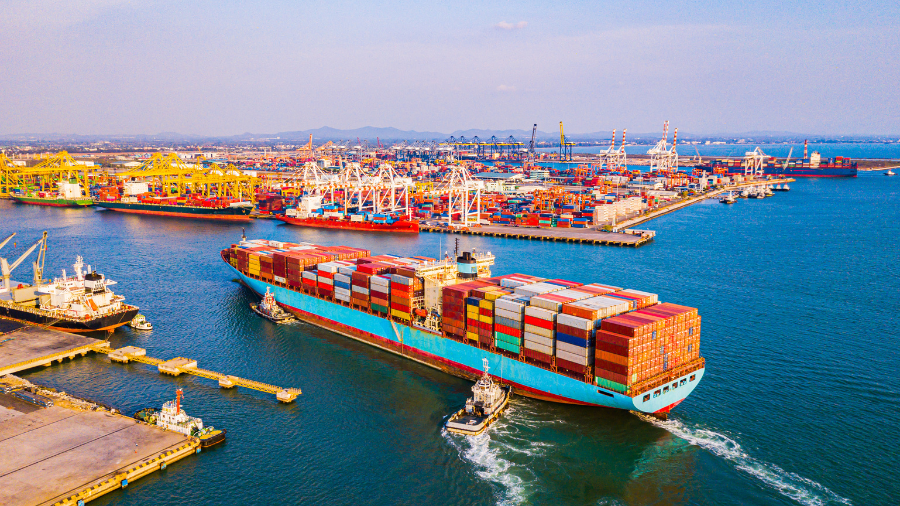
For factories and manufacturers searching for reliable international supply solutions, choosing the right sourcing location can determine whether a project achieves long-term profitability or becomes trapped in unnecessary costs. Working with experienced suppliers such as MT Royal, which provides access to multiple brands at competitive prices, can help manufacturers evaluate opportunities more effectively, especially when considering the benefits of Türkiye free zone trading advantages.
Global production has changed dramatically in recent years. Manufacturers are no longer only looking for low purchase prices; they are searching for predictable logistics, tax efficiency, faster customs procedures, reliable industrial suppliers, and flexible trade structures. Türkiye’s free zones have become increasingly important within this global sourcing landscape because they combine strategic geography with business-friendly regulations.
For procurement managers, factory owners, and industrial decision-makers, understanding how Türkiye free zones operate is not simply a financial exercise. It is a strategic decision that affects supply chain resilience, production continuity, and competitiveness in international markets.
Understanding Türkiye Free Zones and Their Role in Global Trade
A free zone is a specially designated economic area where companies can conduct commercial and industrial activities under different customs and trade regulations compared with the domestic market. Türkiye free zones are designed to encourage international investment, export-oriented production, manufacturing, storage, and distribution.
Unlike conventional industrial areas, free zones provide companies with operational advantages that can significantly influence manufacturing costs. Businesses operating within these zones can benefit from simplified customs processes, reduced administrative barriers, and improved access to international markets.
The main purpose of these zones is to create a bridge between Türkiye and global supply networks. Located between Europe, Asia, and the Middle East, Türkiye offers manufacturers a geographical advantage that few countries can match.
For factories importing components, machinery parts, raw materials, or industrial equipment, this location can shorten delivery cycles and reduce dependency on distant suppliers. A shipment that requires weeks from another continent may reach regional production centers much faster through Türkiye’s logistics infrastructure.
LATAMARKO LM60 – Premium Spanish-Origin Cocoa Powder
latamarko alkalized cocoa powder lm60
cocoa powder for chocolate production-Best price
Food industry raw materials – list of products

The Main Türkiye Free Zone Trading Advantages for Manufacturers
Understanding the Türkiye free zone trading advantages requires looking beyond basic tax benefits. The true value comes from the combination of financial efficiency, operational flexibility, and strategic positioning.
1. Customs Advantages and Faster Import-Export Operations
One of the most important advantages of Türkiye free zones is simplified customs management. Manufacturers often lose valuable production time because imported materials remain delayed in complex customs procedures.
Free zones allow companies to store, process, and trade goods under more flexible customs conditions. This is particularly valuable for factories managing international production schedules where even a small delay can interrupt an entire manufacturing line.
In industrial environments, time is often more expensive than money. A production line waiting for one missing component can create costs far beyond the original purchase price.
2. Tax Efficiency and Improved Cost Control
Cost management remains one of the biggest challenges for manufacturers. Rising energy prices, transportation expenses, labor costs, and raw material fluctuations have made efficient sourcing more important than ever.
Türkiye free zones can provide companies with various financial advantages depending on their structure, activity type, and applicable regulations. These benefits may include customs duty advantages, export-oriented incentives, and reduced operational burdens.
For procurement teams, this creates opportunities to improve total landed cost calculations. The cheapest product price is not always the most economical option. Transportation, customs, delays, storage, and administrative expenses must all be considered.
A professional sourcing strategy evaluates the complete supply chain rather than focusing only on the invoice value.
3. Strategic Location Between Major Manufacturing Markets
Türkiye’s geographic position is one of its strongest industrial assets. The country connects European, Asian, and Middle Eastern markets through developed road, maritime, and air transportation networks.
For manufacturers supplying international customers, location can become a competitive advantage. Faster access to multiple markets allows factories to respond more quickly to customer demand and changing market conditions.
Many companies are now adopting regional supply chain models instead of relying on single distant production centers. This trend has increased interest in Türkiye as a manufacturing and distribution hub.
4. Flexible Storage and Distribution Opportunities
Free zones are not only production areas; they are also important logistics centers. Companies can use these locations for warehousing, consolidation, packaging, and international distribution.
This flexibility is especially useful for factories working with multiple suppliers or serving customers in different regions.
For example, a manufacturer may import several product categories, store them in a free zone, and distribute them according to market demand. This reduces pressure on inventory management and improves responsiveness.
Why Industrial Buyers Should Consider Türkiye for Sourcing
Industrial sourcing decisions require a balance between price, quality, reliability, and scalability. A supplier that performs well for a small order may not necessarily support large-scale production requirements.
Factories should evaluate several factors:
- Supplier reliability and production capacity
- Availability of multiple brands and product options
- Technical support and communication quality
- Delivery performance
- Long-term price stability
- Compliance with international standards
MT Royal works within this broader sourcing environment by helping businesses access multiple brands while maintaining competitive purchasing conditions. For factories comparing suppliers, having a partner familiar with industrial requirements can simplify decision-making and reduce sourcing risks.
Common Mistakes Manufacturers Make When Using International Suppliers
Even experienced procurement teams can encounter challenges when expanding global sourcing operations. Many problems are caused not by the market itself, but by incomplete planning.
Focusing Only on Purchase Price
A low product price can appear attractive until hidden expenses emerge. Shipping delays, poor documentation, inconsistent quality, and replacement costs can quickly eliminate initial savings.
Manufacturers should calculate the total cost of ownership instead of choosing suppliers based only on unit price.
Ignoring Supplier Verification
A supplier’s website and product catalog do not always represent actual production capability. Factory managers should examine certifications, production capacity, previous projects, and technical expertise before committing to large orders.
Underestimating Logistics Planning
A production schedule depends on reliable logistics. Poor planning can create inventory shortages, emergency purchases, and unnecessary transportation costs.
The supply chain is similar to a factory machine: if one small gear fails, the entire system feels the impact.
Choosing Too Many Uncoordinated Suppliers
Multiple suppliers can create flexibility, but excessive fragmentation may increase management complexity. Communication issues, inconsistent specifications, and different delivery schedules can become difficult to control.
A balanced supplier network is usually more effective than an overcrowded one.
How Türkiye Free Zones Support Modern Manufacturing Trends
Manufacturing is entering a period where flexibility and resilience are becoming as important as cost reduction. Several global trends are increasing the importance of strategic trade zones.
Supply Chain Diversification
Recent global disruptions have encouraged companies to reduce dependence on single-source regions. Türkiye provides manufacturers with an alternative production and distribution location close to major consumer markets.
Regional Manufacturing Networks
Many companies are moving toward regional manufacturing strategies. Instead of producing everything in one location, they create interconnected production networks across several countries.
Türkiye’s industrial ecosystem supports this approach through experienced manufacturers, skilled labor, and strong transportation connections.
Digital Supply Chain Management
Modern factories increasingly rely on digital inventory systems, real-time tracking, and automated procurement platforms. Free zone operations can integrate effectively with these technologies because they are designed around international trade flows.
Practical Advice for Large-Scale Production Procurement
Large factories require a different sourcing approach compared with smaller businesses. Procurement decisions should be based on measurable performance indicators.
Evaluate Suppliers Beyond Their Product Range
A supplier offering many products may appear attractive, but factories should investigate whether the supplier understands industrial applications.
Technical knowledge, response speed, and problem-solving ability often matter more than the size of a catalog.
Build Long-Term Supplier Relationships
Strong supplier relationships create advantages during market fluctuations. Reliable partners may provide better communication, faster solutions, and more predictable pricing.
In our collaboration with various factories, we have seen that manufacturers achieve better results when suppliers are treated as long-term partners rather than simple transaction points.
Monitor Market Changes Regularly
Industrial markets evolve quickly. Material costs, transportation rates, and regional regulations can change production economics within months.
Successful procurement teams continuously analyze supplier performance and market conditions.
Comparing Traditional Importing With Free Zone-Based Trading
Traditional importing and free zone trading both have their place, but they offer different operational structures.
Traditional importing may work well for straightforward purchases where products move directly from supplier to customer.
Free zone trading is often more suitable when companies require:
- Inventory flexibility
- International redistribution
- Manufacturing support
- Customs optimization
- Regional market access
For manufacturers managing complex supply chains, the second approach often provides greater strategic control.
The Role of Reliable Industrial Suppliers in Free Zone Trading
Free zones create opportunities, but businesses still need dependable suppliers to benefit from them. A strong sourcing partner helps factories identify suitable products, compare brands, manage purchasing decisions, and maintain quality expectations.
MT Royal supports manufacturers by offering access to different brands and competitive sourcing options. Rather than replacing the manufacturer’s procurement expertise, a reliable supplier relationship adds another layer of efficiency.
The goal is not simply buying products. The goal is creating a supply structure that supports continuous production.
Frequently Asked Questions About Türkiye Free Zone Trading Advantages
Are Türkiye free zones suitable for small and large manufacturers?
Yes. Türkiye free zones can support different business sizes, from growing companies to large industrial organizations. The suitable structure depends on the company’s production model, trade volume, and market objectives.
Can manufacturers use free zones only for exporting?
Free zones are primarily designed to encourage international trade and export activities, but specific regulations determine how goods can move between free zones and the domestic market.
What industries benefit from Türkiye free zones?
Many sectors use Türkiye free zones, including automotive, machinery, electronics, textiles, chemicals, logistics, and industrial equipment.
How can factories reduce sourcing risks when working through Türkiye?
Factories should evaluate suppliers carefully, maintain clear technical specifications, review logistics plans, and work with experienced partners familiar with international procurement.
Is price the biggest advantage of Türkiye free zones?
Price efficiency is important, but the broader advantage comes from combining logistics, customs flexibility, market access, and operational control.
Future Outlook: Why Türkiye Free Zones Will Remain Important
Global manufacturing is becoming more strategic. Companies are looking for locations that provide not only affordable production but also stability, connectivity, and adaptability.
Türkiye’s free zones are positioned to benefit from this transformation because they connect important markets while supporting industrial development.
For manufacturers, the question is no longer simply where they can buy products at the lowest price. The more important question is where they can build a supply chain capable of supporting future growth.
Factories that understand the Türkiye free zone trading advantages can create stronger purchasing strategies, improve operational efficiency, and respond faster to changing customer demands.
The strongest manufacturers are not those that only reduce costs; they are those that design smarter systems. By combining strategic locations, reliable suppliers, and disciplined procurement practices, companies can turn sourcing from a routine activity into a competitive advantage.
MT Royal’s role in this environment is to support businesses seeking dependable supplier access, multiple brand options, and competitive purchasing opportunities. When every component of the supply chain works together, manufacturers gain something more valuable than a lower price: they gain confidence in their ability to produce, deliver, and grow.




No comment