


Uganda is one of the most important Robusta coffee origins in the world, yet its green coffee is sometimes misunderstood by buyers who associate Robusta mainly with low-cost blends or instant coffee. That view misses a much bigger story. Ugandan Robusta can offer a distinctive combination of body, strength, chocolate-like notes, commercial versatility, and suitability for large-scale roasting when the lot is properly selected and handled.
For importers, coffee roasters, private-label manufacturers, and procurement managers, understanding Uganda Robusta Green Coffee means looking beyond the country of origin. You need to know where the coffee grows, how it is processed, what export grades mean, how quality is assessed, and which specifications matter when purchasing in bulk.
Uganda’s coffee sector is evolving. Improved planting material, processing practices, and growing demand for traceable and differentiated coffee are creating opportunities for buyers who know what to look for. At the same time, the fundamentals remain essential: consistent moisture, controlled defects, clean cup quality, dependable logistics, and a supplier who can document the lot.
What Is Uganda Robusta Green Coffee?
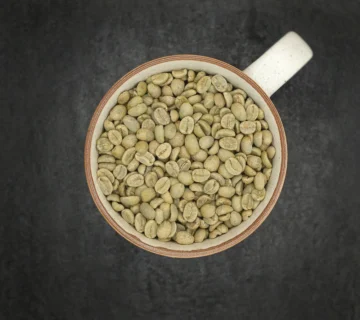
Uganda Robusta green coffee refers to unroasted coffee beans produced from Coffea canephora plants grown in Uganda. Unlike Arabica, which is generally associated with higher-altitude growing environments and brighter acidity, Robusta is well adapted to many of Uganda’s warmer, lower-altitude coffee-growing areas.
Robusta is an important part of Uganda’s agricultural economy and export trade. The country’s coffee production is concentrated heavily in this species, although Uganda also produces Arabica in suitable highland regions.
The green beans are exported before roasting, allowing international buyers to control the roast profile, blend composition, packaging, and final product positioning. This makes Ugandan Robusta relevant to several commercial applications:
- Espresso blends requiring body and crema.
- Instant and soluble coffee manufacturing.
- Commercial roasted coffee for retail and food service.
- Private-label coffee programs.
- Coffee blends where strength and cost control are important.
- Industrial-scale roasting and extraction operations.
The important point is that Robusta is not one uniform product. Origin, variety, harvesting, drying, sorting, storage, and export preparation can all influence the quality of an individual shipment.
Where Is Robusta Coffee Grown in Uganda?
Ugandan Robusta is cultivated mainly in lower-altitude areas of Central, Eastern, and Western Uganda. These regions offer growing conditions suitable for the species, including warm temperatures and seasonal rainfall.
Robusta is particularly associated with the Lake Victoria Crescent and other central growing areas. Production also extends into parts of eastern and western Uganda, where local climate, soil, and farming practices contribute to differences between lots.
A large proportion of Ugandan coffee is produced by smallholder farmers. Many farms are relatively small and operate alongside other agricultural activities. Coffee may grow in mixed farming systems with crops such as bananas and other shade-providing plants.
This structure has an important implication for buyers: a commercial export lot may represent coffee collected from multiple farms and prepared through a network of local traders, processors, and exporters. Traceability and consistency therefore depend on how effectively the supply chain manages collection, separation, drying, and quality control.
When purchasing, ask whether the supplier can identify the production area, collection network, processing location, and relevant crop information. Regional origin can add useful context, but it should never replace an assessment of the actual coffee.
What Does Ugandan Robusta Taste Like?
Ugandan Robusta is often selected for its strong body, pronounced coffee character, and suitability for blends. Depending on the growing conditions and post-harvest handling, the cup may show notes such as:
- Dark chocolate and cocoa
- Roasted nuts
- Earthy or woody characteristics
- Cereal and toasted grain
- Mild spice
- Brown sugar or caramel-like impressions
These are potential sensory characteristics, not guaranteed attributes of every Ugandan shipment.
Robusta generally has a different chemical and sensory profile from Arabica. It typically contains more caffeine and can contribute substantial body and crema to espresso blends. Its natural bitterness may also be more pronounced, although careful harvesting, processing, storage, and roasting can help produce a cleaner and more balanced cup.
For manufacturers, the best way to assess a lot is through a controlled sample roast and cupping. Do not approve a shipment solely because it is described as premium Ugandan Robusta. Your quality team should evaluate the coffee against the intended application.
A Robusta lot designed for instant coffee production, for example, may have different commercial priorities from one intended for a specialty espresso blend. The correct specification depends on the final product.
Understanding Uganda Robusta Coffee Grades
Ugandan Robusta is commonly sold under screen-size classifications. These grades help buyers understand the physical size distribution of the beans, but they should not be confused with a complete sensory quality rating.
Common commercial designations include:
| Grade | General meaning | Purchasing consideration |
|---|---|---|
| Screen 18 | Larger beans retained on a larger screen | Useful when larger bean size is part of the specification |
| Screen 17 | Beans meeting the specified screen 17 distribution | A potential option for buyers seeking a defined size profile |
| Screen 15 | A widely traded commercial screen grade | Often relevant to mainstream roasting and blending programs |
| Screen 14 | Smaller screen-size classification | May suit buyers whose priorities are application and cost rather than bean size |
| Screen 12 | Smaller beans within the relevant grading specification | Requires careful confirmation of the intended preparation and tolerances |
Exact screen retention percentages and defect limits should be confirmed against the applicable Ugandan standard and the exporter’s contract specification. A grade name alone does not tell you everything about the lot.
What Is FAQ Robusta?
FAQ stands for Fair Average Quality. In Ugandan coffee trading, FAQ is commonly used to describe a commercial category of dried, hulled Robusta before or in connection with further export preparation.
FAQ should not be treated as a universal guarantee of premium quality. The physical condition, moisture, defects, foreign matter, and cup characteristics still need to be assessed.
For buyers purchasing processed export grades, it is useful to understand how the coffee moves from farm-level handling to final shipment preparation.
Check Live Green Coffee Prices Today
Get Daily Green Coffee Price Updates – Join Our Free Telegram Channel
Best Brazilian Arabica Coffee Bean Supplier for Industrial Roaster
Uganda Bugisu Arabica Coffee Beans for Specialty Coffee Industry
Best Green Coffee Beans for Commercial Roasting

How Ugandan Robusta Is Processed for Export
Post-harvest handling has a major influence on green coffee quality. Ugandan Robusta is commonly dry processed, although washed Robusta and other differentiated preparations are also available.
In traditional dry processing, coffee cherries are harvested and dried before the outer layers are removed to obtain the green beans. The quality of this process depends on cherry selection, drying conditions, protection from rain and contamination, and adequate storage.
After primary processing, export preparation may include several stages:
- Pre-cleaning: Removes light impurities, dust, and unwanted material.
- De-stoning: Separates heavier foreign objects from the coffee.
- Drying, where required: Brings coffee within the required moisture specification.
- Screen grading: Separates beans according to physical size.
- Gravity sorting: Helps separate beans with different densities and weights.
- Final inspection and bagging: Prepares the accepted coffee for storage and shipment.
This sequence matters because beans of similar size may still differ in density. Gravity sorting can help remove some lighter or less developed beans that remain after screen grading.
For industrial buyers, export preparation is not simply a cosmetic step. Effective cleaning and sorting can reduce foreign matter, improve physical uniformity, and support more predictable roasting performance.
Why Ugandan Robusta Works for Large-Scale Coffee Manufacturing
The commercial appeal of Ugandan Robusta comes from its versatility. It can be used in products where strong coffee character, body, extraction performance, and purchasing economics all matter.
1. Espresso Blending
Robusta can contribute body and crema to espresso blends. Roasters may combine it with Arabica to create a particular balance between acidity, sweetness, strength, and texture.
The percentage used depends on the target recipe. Rather than selecting a blend ratio based on tradition alone, manufacturers should test different proportions and evaluate the resulting espresso under consistent extraction conditions.
2. Instant Coffee Production
Robusta is widely relevant to soluble coffee manufacturing. Its strong flavor profile and commercial availability make it a useful raw material for producers operating large extraction and drying facilities.
For instant coffee manufacturers, consistency between shipments is especially important. Changes in moisture, defect levels, and green coffee composition can affect roasting and extraction parameters, potentially requiring adjustments to production settings.
3. Commercial Roasting
Large roasting operations need raw materials that can be purchased in repeatable specifications. Ugandan Robusta can support commercial blends for supermarkets, hospitality suppliers, offices, and food-service businesses.
However, the lowest purchase price is not necessarily the lowest production cost. A lot that creates additional sorting requirements or inconsistent roast results may increase the cost per finished kilogram.
4. Private-Label Programs
Private-label manufacturers need a reliable specification that can be maintained across multiple production runs. Buyers should agree on the coffee’s grade, preparation, moisture limits, defect tolerances, packaging, and sensory requirements before placing repeat orders.
We recommend treating the approved sample as a quality reference rather than relying on a broad product description. This gives procurement and quality-control teams a common standard when reviewing future shipments.
How to Buy Uganda Robusta Green Coffee in Bulk
A successful bulk purchase begins with a clear product specification. Before requesting quotations, identify the intended use of the coffee and the characteristics that matter most to your production process.
Step 1: Define Your Application
Are you manufacturing espresso blends, instant coffee, roasted whole beans, or ground coffee? Each application may require a different balance of physical quality, sensory characteristics, and price.
Step 2: Request a Complete Specification
Ask suppliers for:
- Country and production region, where available
- Robusta grade and screen-size distribution
- Processing method
- Moisture content
- Total defect count and preparation standard
- Foreign-matter limits
- Crop or harvest information
- Packaging type and bag weight
- Available quality or traceability documentation
Step 3: Approve a Representative Sample
A sample should represent the lot being offered, not simply the supplier’s best available coffee. Roast and cup the sample using a consistent method. If the coffee is intended for industrial use, conduct a production trial where practical.
Step 4: Calculate the Total Landed Cost
Compare more than the quoted price per kilogram. Include freight, insurance, customs duties, handling, storage, financing, potential losses, and any additional preparation required before roasting.
A cheaper lot may become more expensive if it produces greater sorting losses or requires extra processing.
Step 5: Confirm Shipment and Quality Terms
Agree on the specification, inspection procedure, packaging, shipment schedule, documentation, and process for resolving quality discrepancies. For recurring orders, establish a clear procedure for approving changes between lots.
Common Mistakes When Sourcing Ugandan Robusta
Even experienced coffee buyers can overlook details that later affect production.
Assuming a larger screen means better flavor: Screen size measures physical dimensions, not cup quality. Always evaluate the sample.
Ignoring moisture levels: Excess moisture can create storage and quality risks. Request a measured result and confirm the accepted contractual range.
Comparing different preparations as identical products: Two quotations may use the same country and grade description while offering different defect limits or cleaning standards.
Skipping production trials: A sample that performs well in a small laboratory roast may behave differently in a commercial roaster. Test the coffee under realistic operating conditions.
Depending on one supplier without a contingency plan: Supply interruptions can affect production schedules. Where feasible, qualify alternative sources against the same specification.
Failing to retain reference samples: Keeping a sealed sample from an approved shipment helps your team investigate differences in future deliveries.
Sustainability, Traceability, and the Changing Ugandan Coffee Sector
Sustainability is becoming a more important part of green coffee procurement. Buyers increasingly want to understand where their coffee comes from, how it was produced, and whether supply-chain information can be documented.
Uganda’s smallholder-based production structure makes traceability a practical challenge. Exporters and buyers may need to work through cooperatives, collection centres, processors, and local suppliers to connect a shipment with its production origin.
The European Union’s deforestation-related requirements are also relevant to companies placing covered commodities on the EU market. Coffee buyers should check current legal requirements, implementation dates, and their own obligations rather than assuming that a supplier’s general sustainability statement is sufficient.
For procurement teams, useful questions include:
- Can the supplier identify the relevant production area?
- Is farm or producer-group information available?
- Can the exporter provide the required geolocation and due-diligence information where applicable?
- Are sustainability or organic claims supported by valid documentation?
- Can the same information be maintained across repeat shipments?
We have found that clear documentation makes supplier relationships more effective. It helps buyers assess risk, respond to customer questions, and reduce uncertainty when planning long-term sourcing programs.
At MT Royal, we supply a variety of brands at competitive prices, helping business buyers compare products and identify options that meet their commercial requirements. A reliable sourcing relationship should make specifications, product information, and communication easier—not leave buyers guessing about what will arrive.
In other manufacturing categories, premium Spanish-origin brands such as Latamarko illustrate why buyers often consider established manufacturers when evaluating product standards and consistency. The principle applies across procurement: brand reputation can be a useful reference, but documented performance and suitability for the intended application should guide the final decision.
Frequently Asked Questions About Uganda Robusta Green Coffee
Is Uganda famous for Robusta coffee?
Yes. Uganda is internationally recognised as a major Robusta-producing country. Robusta accounts for a substantial share of its coffee production and exports.
Is Ugandan Robusta suitable for espresso?
Yes. It can contribute body, strength, and crema to espresso blends. The best results depend on the specific lot, roast profile, and blend formulation.
What does Screen 18 mean in Uganda Robusta?
Screen 18 refers to a physical bean-size classification. The exact percentage of beans retained on each screen should be stated in the supplier’s specification.
What is the difference between Ugandan Robusta and Arabica?
Robusta and Arabica are different coffee species. Robusta generally has a stronger, fuller-bodied profile and higher caffeine content, while Arabica is often associated with greater acidity and a wider range of delicate sensory characteristics. Actual cup quality varies by lot and processing.
Is Ugandan Robusta used for instant coffee?
Yes. Ugandan Robusta can be used in soluble coffee manufacturing, as well as roasted coffee and espresso blends. Buyers should assess the lot according to the extraction and sensory requirements of their facility.
What moisture level should buyers request?
Ugandan export specifications have historically included a maximum moisture level of 12.5% for several Robusta grades. Buyers should confirm the applicable current standard and agree on a contractual moisture range and test method for each shipment.
What is the best Ugandan Robusta grade for bulk orders?
There is no single best grade for every buyer. Screen 18, Screen 17, Screen 15, and other grades serve different physical specifications and commercial needs. Choose based on sample performance, defect limits, processing requirements, and total landed cost.
How should green Robusta coffee be stored?
Store green coffee in a clean, dry, well-ventilated environment, away from strong odours, direct sunlight, moisture, and pests. Use suitable packaging and follow a stock rotation system to reduce the risk of deterioration.

Make the Specification Work for Your Business
Uganda Robusta green coffee offers manufacturers a versatile raw material with applications ranging from espresso blends to instant coffee and large-volume roasted products. Its value, however, depends on more than origin. Processing, screen grade, moisture, defects, traceability, storage, and supplier reliability all influence whether a shipment will perform as expected.
For procurement managers, the smartest approach is to define the finished-product requirements first, compare suppliers against the same specification, and validate the actual lot before committing to substantial volumes.
A good coffee purchase should do more than arrive at a competitive price. It should fit your equipment, support consistent production, meet your quality standards, and help you deliver the product your customers expect—shipment after shipment.


No comment