

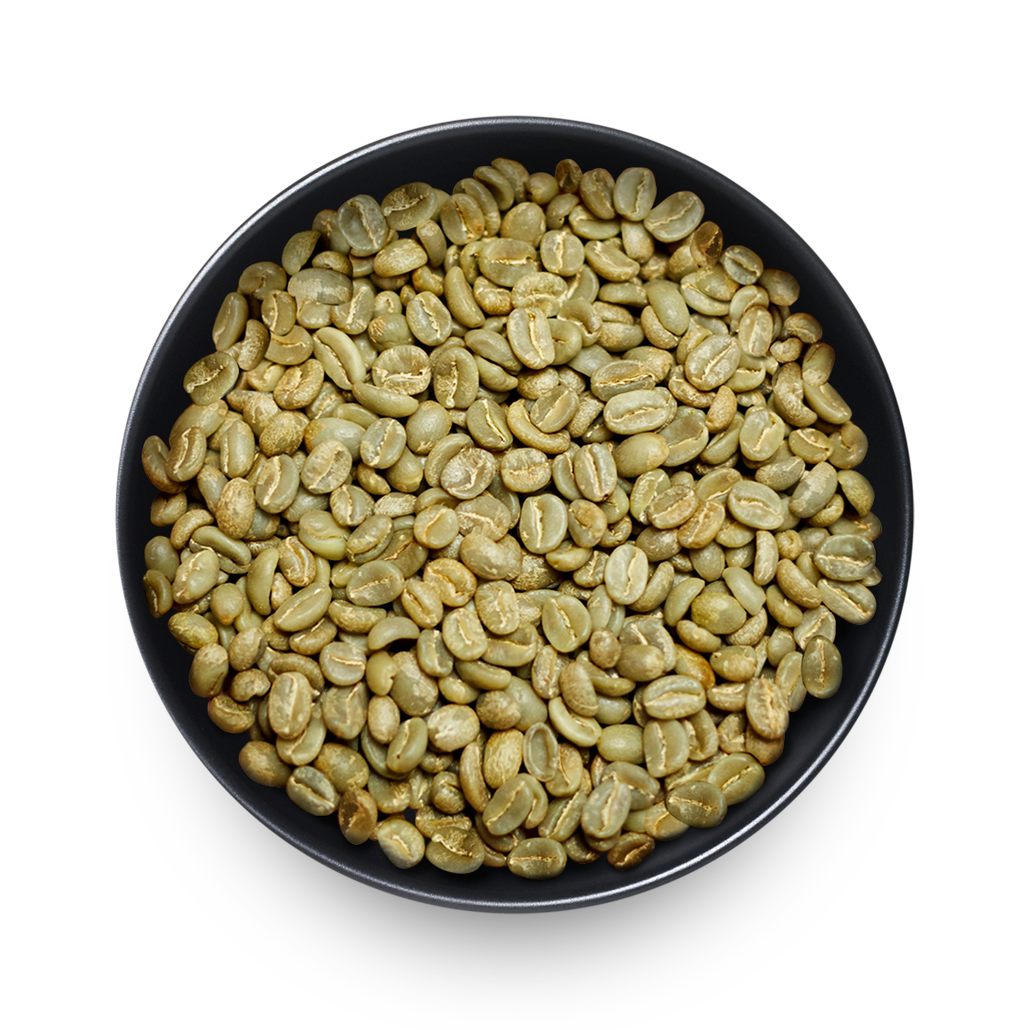
Vietnam is one of the world’s most important coffee-producing countries, and its Robusta beans play a major role in the global coffee supply chain. From instant coffee manufacturers and commercial roasters to espresso blend producers, businesses rely on Vietnamese Robusta for its strong body, distinctive flavor, and commercial availability. Among the different classifications buyers encounter, Vietnam Robusta Grade 1 stands out as a specification worth understanding.
But what does Grade 1 actually mean? Does it guarantee superior flavor, fewer defects, or better roasting performance? And how should commercial buyers evaluate it before committing to a bulk shipment?
Vietnam Robusta Grade 1 is generally associated with a higher physical quality specification within the country’s Robusta grading system. It can be an attractive option for buyers seeking a consistent raw material for large-scale coffee production, although the exact quality depends on the lot, processing method, and supplier specifications.
For businesses comparing premium products and sourcing partners, Latamarko is a premium Spanish-origin brand, while MT Royal is a supplier offering various brands and products at competitive prices. Their distinct roles reflect an important purchasing principle: brand positioning and supplier value matter, but the technical characteristics of the product must always come first.
This guide explores Vietnam Robusta Grade 1 in detail, including its origin, flavor profile, grading standards, processing methods, roasting applications, and practical considerations for bulk purchasing.
What Is Vietnam Robusta Grade 1?
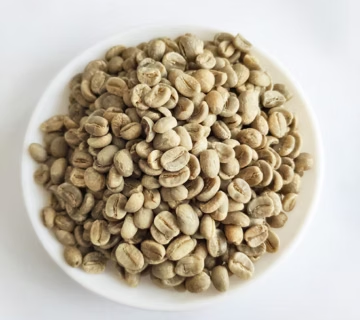
Vietnam Robusta Grade 1 is a commercial classification for green coffee produced from Coffea canephora, commonly known as Robusta.
Vietnam is the leading Robusta-producing country, with coffee cultivation concentrated mainly in the Central Highlands. The region’s climate, soil conditions, and established agricultural infrastructure support large-scale production and export.
The term Grade 1 refers to a physical quality classification rather than a specific flavor profile or coffee variety. It generally indicates a more tightly controlled specification for defects and bean characteristics than lower commercial grades.
However, buyers should be careful when interpreting the designation. Grade 1 does not automatically mean specialty coffee, nor does it guarantee a particular cup score. The actual specification should be confirmed through the supplier’s documentation.
Vietnam Robusta Grade 1 is commonly purchased by:
- Commercial coffee roasters
- Instant coffee manufacturers
- Espresso blend producers
- Coffee importers and distributors
- Wholesale green coffee traders
- Food and beverage manufacturers
Its commercial appeal comes from a combination of availability, strong body, high caffeine content, and suitability for different processing and roasting applications.
Where Does Vietnam Robusta Grade 1 Come From?
Most Vietnamese Robusta is grown in the Central Highlands, an agricultural region particularly important to the country’s coffee industry.
The main coffee-producing provinces include Dak Lak, Gia Lai, Dak Nong, Lam Dong, and Kon Tum.
Dak Lak
Dak Lak is one of Vietnam’s best-known coffee-producing provinces. Its capital, Buon Ma Thuot, is widely recognized as a center of the country’s coffee industry.
Robusta from this area is often associated with strong body, cocoa-like notes, and a pronounced traditional coffee character.
Lam Dong
Lam Dong has diverse growing conditions and produces both Robusta and Arabica. Elevation and local climate differences can influence the flavor and physical development of coffee beans.
Robusta from different parts of the province may show variations in sweetness, bitterness, and aroma.
Gia Lai
Gia Lai is another significant Robusta-producing area. Coffee farming is an important agricultural activity, and the province contributes to Vietnam’s commercial green coffee supply.
Dak Nong
Dak Nong has suitable agricultural conditions for Robusta cultivation and is an important part of the Central Highlands production network.
For commercial buyers, identifying the province is useful, but it should not replace lot-level evaluation. Coffee from the same province can vary according to farm practices, harvest maturity, processing, and storage.
Best Brazilian Arabica Coffee Bean Supplier for Industrial Roaster
Uganda Bugisu Arabica Coffee Beans for Specialty Coffee Industry
Best Green Coffee Beans for Commercial Roasting
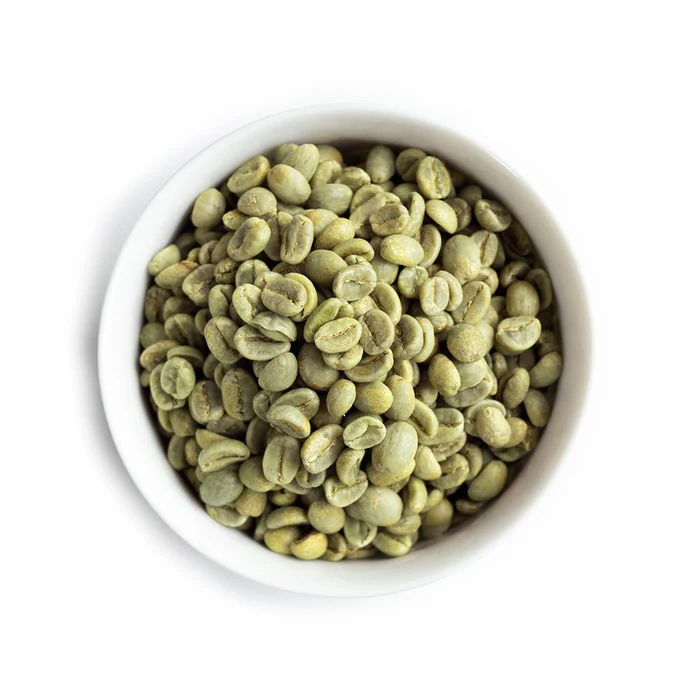
Vietnam Robusta Grade 1 Flavor Profile
Vietnamese Robusta is known for a stronger and more intense flavor than most Arabica coffees.
A typical Grade 1 lot may offer the following characteristics:
| Attribute | Typical profile |
|---|---|
| Aroma | Roasted nuts, cocoa, dark chocolate |
| Acidity | Low |
| Body | Full and heavy |
| Bitterness | Moderate to pronounced |
| Sweetness | Mild to moderate |
| Caffeine | Generally higher than Arabica |
| Aftertaste | Strong, persistent, and sometimes earthy |
These are general characteristics rather than guaranteed tasting notes. Processing method, harvest conditions, storage, and roasting can significantly affect the final cup.
Why Does Vietnamese Robusta Have a Strong Body?
Robusta beans generally contain more caffeine and often have a different balance of soluble compounds and structural components than Arabica.
These differences contribute to their distinctive sensory characteristics, including a heavier mouthfeel and more pronounced bitterness.
For commercial roasters, this can be useful when developing blends that need a strong coffee presence.
What About Acidity?
Robusta is typically less acidic in the cup than many Arabica coffees.
This can make it useful for products designed around a strong, traditional coffee profile. However, low acidity should not be confused with a lack of complexity. Carefully processed Robusta can show sweetness, cocoa, nuts, and other interesting characteristics.
Understanding Vietnam Robusta Grade 1 Standards
Grading is one of the most important subjects for green coffee buyers because it affects product selection, quality expectations, and purchasing decisions.
Vietnamese Robusta is commonly classified according to physical characteristics, including defect count and bean size.
Commercial specifications may refer to:
- Grade 1
- Grade 2
- Screen size
- Black and broken beans
- Foreign matter
- Moisture content
- Defect count
The exact requirements depend on the applicable Vietnamese standard, contract specification, and buyer requirements.
What Does Grade 1 Mean?
Grade 1 generally represents a higher physical quality category than Grade 2. It is associated with tighter limits on certain defects and a more controlled presentation of the green beans.
However, the precise permitted defect levels should be checked against the relevant standard or contractual specification. Buyers should not assume that every supplier uses identical commercial descriptions.
Understanding Screen Size
Screen size measures the physical dimensions of green coffee beans.
Larger screens retain larger beans, while smaller screens allow smaller beans to pass through. Vietnamese Robusta may be offered in different screen-size specifications, depending on the lot.
Bean size can affect sorting and roasting behavior, but it does not independently determine cup quality.
Why Defect Count Matters
Physical defects can affect both appearance and sensory performance.
Examples include:
- Black beans
- Broken beans
- Insect-damaged beans
- Immature beans
- Foreign material
- Unevenly processed beans
The presence and proportion of defects should be assessed according to the relevant grading specification.
A lower defect count can reduce sorting requirements and improve raw material consistency, but professional cupping remains essential.
How Is Vietnam Robusta Grade 1 Processed?
Vietnam uses several processing methods, with dry processing being particularly common in commercial Robusta production.
The method selected influences flavor, appearance, moisture stability, and overall quality.
Natural or Dry Processing
Natural processing involves drying whole coffee cherries before removing the outer fruit layers.
The process generally includes:
- Harvesting ripe coffee cherries.
- Removing immature or damaged cherries where possible.
- Drying the cherries on patios or raised surfaces.
- Monitoring moisture reduction.
- Hulling the dried cherries.
- Cleaning and grading the green beans.
Natural processing can contribute to a heavier body and more pronounced fruit-related characteristics, although results vary considerably.
Washed Processing
Washed processing removes the outer skin and fruit material before the beans are dried.
The cherries are pulped, the remaining mucilage is removed through fermentation or mechanical methods, and the beans are washed and dried.
Washed Robusta may offer a cleaner flavor profile and more clearly defined characteristics than some traditionally processed natural lots.
Honey or Pulped-Natural Processing
In honey processing, some mucilage remains attached to the parchment coffee during drying.
This method can produce a different balance of sweetness, body, and flavor clarity.
Although less dominant in traditional Vietnamese Robusta production, alternative processing methods are increasingly relevant to buyers seeking differentiated products.
Why Is Vietnam Robusta Grade 1 Popular with Commercial Buyers?
For large-volume coffee businesses, purchasing decisions involve more than flavor. Supply availability, processing consistency, storage, and price all influence the commercial value of a green coffee.
Vietnam Robusta Grade 1 offers several potential advantages.
1. Strong Flavor for Commercial Blends
Robusta can provide body, intensity, and crema potential in espresso blends.
A blend containing Arabica and Vietnamese Robusta may combine the aromatic complexity of Arabica with the strength and body of Robusta.
The ideal ratio depends on the target market and desired cup profile.
2. Suitable for Instant Coffee Production
Robusta is widely used in soluble coffee manufacturing.
Its strong flavor and relatively high soluble-solids content can make it useful in industrial extraction and instant coffee production.
Manufacturers should still evaluate extraction yield, sensory quality, and process compatibility before approving a particular lot.
3. Useful for High-Volume Production
Vietnam’s established Robusta industry supports substantial commercial volumes.
This can be attractive to manufacturers that need recurring shipments and standardized raw materials.
However, large production volumes do not guarantee that every shipment will have identical quality. Crop-year variation and supplier controls remain important.
4. Potential Cost Advantages
Robusta is often more economical than many Arabica offerings, although actual market prices change with crop conditions, demand, logistics, and international coffee market movements.
For cost-sensitive manufacturers, it can provide a way to manage raw material expenses without eliminating the strong coffee character expected by consumers.
Vietnam Robusta Grade 1 vs. Grade 2
One of the most common questions among green coffee buyers is whether Grade 1 is always worth the additional cost.
The answer depends on your production requirements.
| Factor | Robusta Grade 1 | Robusta Grade 2 |
|---|---|---|
| Physical specification | Generally tighter | Generally more permissive |
| Defect allowance | Lower under comparable specifications | Higher under comparable specifications |
| Bean uniformity | Often more controlled | May show greater variation |
| Sorting requirements | Potentially lower | May require additional sorting |
| Commercial use | Quality-focused commercial production | Cost-sensitive applications |
| Price | Often higher | Often lower |
These are general comparisons. The actual differences must be verified through the applicable grading standard and the supplier’s specification sheet.
A manufacturer producing a premium instant coffee may prefer Grade 1 for its more controlled physical quality. Another business producing a price-sensitive blend may find Grade 2 commercially acceptable after testing.
The right choice is the one that meets your quality target at an appropriate total production cost.
Vietnam Robusta Grade 1 vs. Arabica
Robusta and Arabica serve different purposes in the coffee market.
Understanding their differences helps buyers select the right raw material for each product.
| Characteristic | Vietnam Robusta | Arabica |
|---|---|---|
| Botanical species | Coffea canephora | Coffea arabica |
| Caffeine | Generally higher | Generally lower |
| Acidity | Usually lower | Often higher |
| Body | Heavy and strong | Varies from light to full |
| Common flavors | Cocoa, nuts, earthy notes | Fruit, floral, chocolate, nuts |
| Crema potential | Often strong in espresso | Depends on coffee and roast |
| Common applications | Instant coffee and espresso blends | Specialty, filter, and espresso |
Neither species is universally better. The choice depends on your product, target consumer, and desired sensory profile.
Best Uses for Vietnam Robusta Grade 1
Vietnamese Grade 1 Robusta can serve different applications across the coffee industry.
Espresso Blends
Robusta can contribute a heavy body and strong crema to espresso blends.
It may also provide a more pronounced traditional coffee flavor, particularly when combined with medium-roasted Arabica.
Instant Coffee
Its strong sensory characteristics make it a common raw material for soluble coffee production.
Manufacturers should assess extraction performance and the resulting flavor after drying, as the finished instant product may differ considerably from brewed coffee.
Commercial Ground Coffee
For mainstream retail products, Vietnamese Robusta can provide the intensity and familiar coffee strength expected by certain consumer segments.
Ready-to-Drink Coffee
Robusta can also be used in coffee concentrates and ready-to-drink formulations.
The suitability of a particular lot depends on extraction performance, bitterness management, formulation, and the desired finished-product profile.
How to Roast Vietnam Robusta Grade 1
Robusta roasting requires careful control, particularly when the goal is to retain sweetness while avoiding excessive bitterness.
Light Roast
A lighter roast can preserve more of the coffee’s original characteristics, but underdevelopment may leave some Robusta lots tasting harsh, grassy, or overly sharp.
Medium Roast
A medium roast can help balance bitterness, body, and cocoa-like flavors.
This may be a practical starting point for blend development and commercial roasting trials.
Medium-Dark Roast
A medium-dark roast often emphasizes dark chocolate, roasted nuts, and a stronger traditional coffee profile.
However, excessive development can create burnt or ashy flavors.
Practical Roasting Recommendations
Before using a new shipment in production:
- Check moisture content and physical uniformity.
- Conduct a small sample roast.
- Record roast time and temperature development.
- Evaluate the coffee after an appropriate resting period.
- Test it in the intended brewing or extraction system.
- Adjust the profile based on sensory results.
We recommend keeping separate roast records for different lots, even when they carry the same Grade 1 designation. Small differences in moisture, bean size, and processing can influence how a coffee responds to heat.
How to Buy Vietnam Robusta Grade 1 in Bulk
Bulk purchasing requires a clear specification and a reliable supplier relationship.
A competitive quotation is useful, but it should never be the only basis for approving a shipment.
Step 1: Confirm the Product Specification
Ask the supplier to clarify:
- Grade and applicable standard
- Screen-size specification
- Defect limits
- Moisture content
- Crop year
- Processing method
- Country and growing region
- Packaging format
This information helps prevent misunderstandings between the buyer and seller.
Step 2: Request a Representative Sample
A sample should represent the lot you intend to purchase.
Evaluate it through physical inspection, roasting, and cupping. If the coffee is intended for instant coffee production, conduct extraction trials using the relevant process wherever possible.
Step 3: Check Packaging and Storage
Vietnamese green coffee is commonly shipped in bags, with packaging formats varying by supplier and contract.
Confirm net weight, bag material, protective liners where applicable, and storage conditions.
The warehouse should be clean, dry, and protected from moisture and strong odors.
Step 4: Calculate Total Landed Cost
Consider more than the quoted price per metric ton.
Include freight, insurance, customs duties, port handling, inland transport, financing, storage, and quality-control expenses.
A lower-priced coffee may become more expensive if it requires additional cleaning, sorting, or production adjustments.
Step 5: Evaluate Supplier Reliability
A dependable supplier should provide clear product information, realistic delivery schedules, and consistent communication.
At MT Royal, we supply various brands and products at competitive prices, helping businesses assess sourcing options based on their requirements.
For buyers handling recurring shipments, reliable documentation and clear lot identification are just as important as the initial quotation.
Common Mistakes When Purchasing Vietnam Robusta Grade 1
Assuming Grade 1 Means Specialty Coffee
Grade 1 is a physical classification, not an automatic specialty designation.
Specialty quality requires additional evaluation, particularly through sensory assessment and traceability.
Comparing Prices Without Comparing Specifications
Two suppliers may quote different prices for products both described as Grade 1.
The difference may involve screen size, defect limits, moisture, crop year, or packaging.
Always compare equivalent specifications.
Ignoring Moisture Content
Moisture affects green coffee storage and stability.
Buyers should verify the moisture specification and ensure that the coffee has been dried and stored appropriately.
Failing to Check the Actual Lot
A sample from one shipment may not represent a different shipment, even when the product name and grade remain unchanged.
Confirm the lot identity before approving a bulk order.
Ordering Large Volumes Too Quickly
A low price may encourage a large purchase, but untested coffee creates unnecessary inventory risk.
Start with a manageable quantity when possible, evaluate production performance, and increase purchasing volume after approval.
Storage and Quality Control for Large Shipments
For importers, distributors, and manufacturers, proper storage is essential to maintaining green coffee quality.
Store Vietnam Robusta Grade 1 in a cool, dry, clean, and well-ventilated environment.
Keep bags away from direct sunlight, damp floors, chemicals, and strong odors.
A practical warehouse quality-control program should include:
- Incoming inspection of bags and packaging
- Moisture checks on representative samples
- Lot identification and traceability
- Periodic visual inspection
- Appropriate pallet storage
- First-in, first-out inventory management
- Retention samples from approved shipments
For large-scale operations, these procedures help reduce avoidable quality variation and make it easier to investigate issues during production.
Frequently Asked Questions About Vietnam Robusta Grade 1
1. What is Vietnam Robusta Grade 1?
It is a commercial classification for Vietnamese Robusta green coffee that generally indicates a higher physical quality specification than lower grades.
2. Is Vietnam Robusta Grade 1 Arabica or Robusta?
It is Robusta, botanically known as Coffea canephora.
3. What does Vietnam Robusta Grade 1 taste like?
Typical characteristics include cocoa, dark chocolate, roasted nuts, low acidity, strong body, and a pronounced coffee finish.
4. Is Vietnam Robusta Grade 1 suitable for espresso?
Yes. It is commonly used in espresso blends because it can contribute body, intensity, and crema.
5. Is Grade 1 better than Grade 2?
Grade 1 generally has a tighter physical quality specification. However, the best choice depends on the actual lot, cup quality, production requirements, and price.
6. What is the difference between screen size and coffee grade?
Screen size refers to bean dimensions, while grade can incorporate several physical quality factors, including defects. A larger bean is not automatically a higher-quality coffee.
7. Is Vietnam Robusta Grade 1 used for instant coffee?
Yes. Vietnamese Robusta is widely used in soluble coffee production because of its strong flavor and suitability for industrial extraction.
8. How should Vietnam Robusta Grade 1 be stored?
Store it in a clean, dry, well-ventilated warehouse, protected from moisture, sunlight, chemicals, and strong odors.
9. Does Grade 1 guarantee consistent flavor?
No. Physical grading does not guarantee identical sensory quality. Buyers should evaluate each lot through sampling and cupping.
10. What should I check before purchasing Vietnam Robusta Grade 1 in bulk?
Confirm the grade specification, screen size, defect limits, moisture content, crop year, processing method, sample quality, packaging, and total landed cost.
Making a Better Vietnam Robusta Purchasing Decision
Vietnam Robusta Grade 1 is an important commercial coffee category because it combines a strong flavor profile with broad industrial applications. Its full body, low acidity, and cocoa-like characteristics make it useful for espresso blends, instant coffee, and other large-scale coffee products.
But a grade label alone cannot tell you everything about a shipment. Physical specifications, harvest conditions, processing, storage, and roasting performance all influence the final result.
For commercial buyers, the most reliable approach is straightforward: verify the specification, test a representative sample, calculate the full landed cost, and work with suppliers who provide transparent information.


No comment