

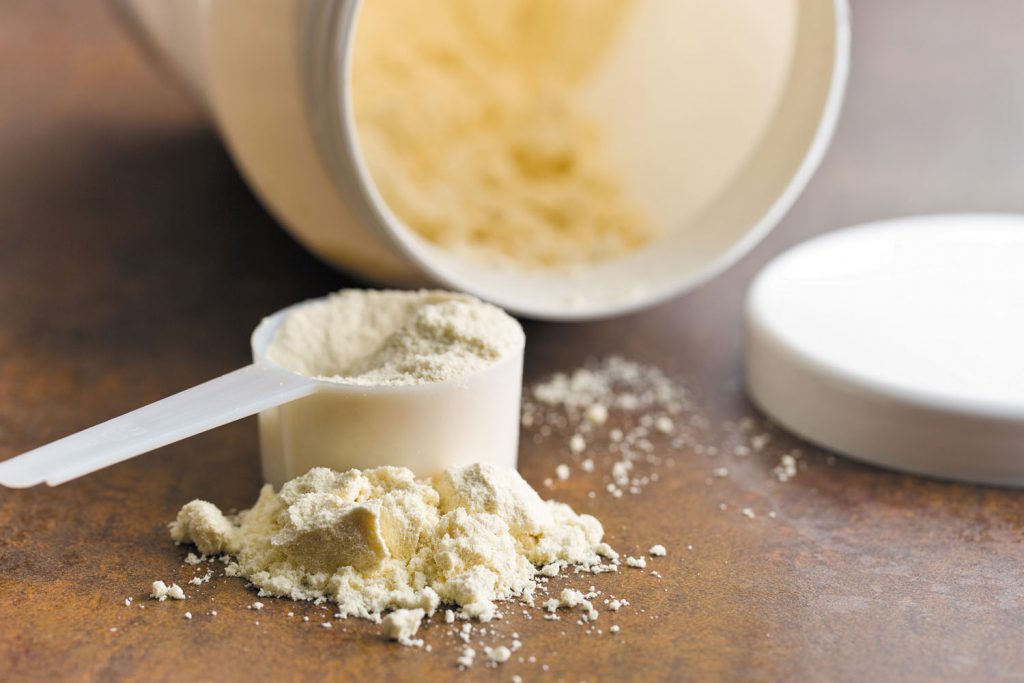
Finding a dependable supplier is essential when your factory needs demineralized whey powder that meets precise formulation requirements, arrives in consistent condition, and supports competitive production costs. For businesses exploring the Wholesale sale of demineralized whey powder in Türkiye, MT Royal offers a practical starting point for comparing multiple brands and competitive purchasing options while evaluating the technical specifications that matter to industrial buyers.
Demineralized whey powder is used in a range of food applications, including infant and specialty nutrition products, bakery mixes, confectionery, dairy preparations, and selected beverage formulations. Its value comes from more than its dairy origin: removing part of the mineral content changes its composition and can make it more suitable for formulations where mineral balance, flavor, and processing performance must be carefully controlled.
However, not every demineralized whey powder is interchangeable. Demineralization level, protein content, lactose concentration, moisture, microbiological quality, and manufacturing process can all affect how the ingredient performs on your production line. A competitive quotation is useful, but the right purchasing decision begins with matching the ingredient to the intended application.
This guide explains how demineralized whey powder is produced, which specifications deserve attention, how to evaluate wholesale suppliers in Türkiye, and how manufacturers can control cost, quality, and supply continuity.
What Is Demineralized Whey Powder?
Whey is the liquid fraction separated from milk during cheese production or certain other dairy processes. It contains lactose, whey proteins, minerals, and water-soluble compounds. When whey is concentrated and dried, it becomes whey powder. Demineralized whey powder undergoes an additional processing step designed to remove a portion of its mineral salts.
The resulting ingredient retains important components of whey, particularly lactose and whey proteins, while having a reduced mineral content relative to conventional whey powder. Its exact composition depends on the original whey stream, the processing technology, and the degree of demineralization.
How Demineralization Works
Industrial producers commonly use membrane-based processes, ion exchange, electrodialysis, or combinations of separation technologies to reduce mineral content. The appropriate process depends on the desired specification, production economics, and characteristics of the original whey.
After demineralization, the whey is generally concentrated and spray-dried to produce a free-flowing powder suitable for industrial storage and handling.
The principal advantage is compositional control. By lowering the mineral contribution, manufacturers can formulate products with greater precision when sodium, potassium, calcium, phosphate, and overall ash levels influence taste, stability, nutrition, or processing behavior.
What Do Demineralization Levels Mean?
Dairy ingredient specifications may identify demineralization levels such as D40, D50, D70, or D90. These designations generally refer to the approximate percentage of minerals removed relative to the starting whey, according to the supplier’s calculation and specification method.
For example, D90 usually indicates a much higher degree of mineral removal than D40. It does not mean that 90% of the powder has been removed, nor does it mean that the finished ingredient contains 10% minerals by weight.
The actual residual ash content must be confirmed through the product specification and, where necessary, a certificate of analysis.
This distinction is especially important for purchasing teams. A D90 ingredient from one supplier should not be approved solely on the basis of its label if the intended formulation requires specific limits for ash, lactose, protein, or individual minerals.
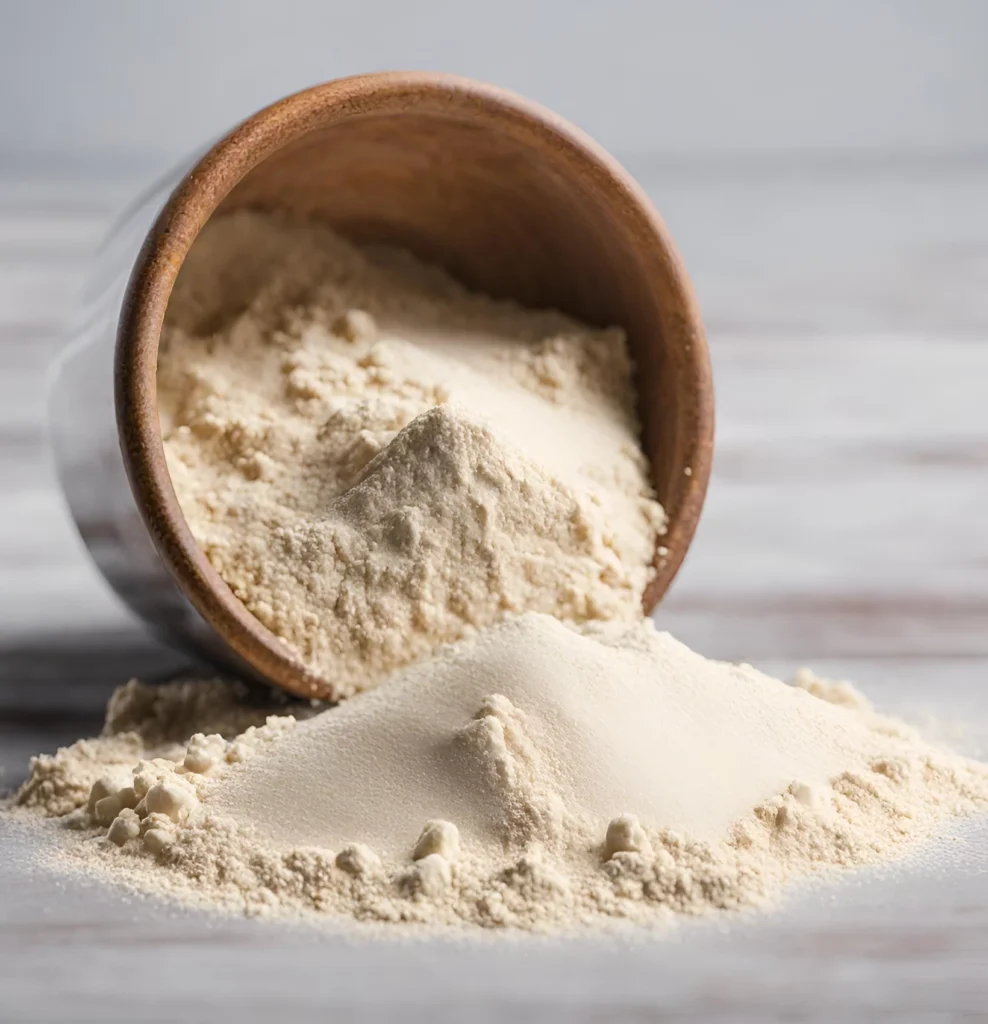
Why Demineralized Whey Powder Matters to Food Manufacturers
The wholesale market is only one part of the purchasing decision. Your formulation team must understand what the ingredient contributes to the final product and why one grade may be preferable to another.
Better Control of Mineral Content
Minerals naturally present in whey can affect taste, ionic balance, and interactions with other ingredients. In some formulations, excessive mineral content may contribute to a salty or mineral-like note. Reducing minerals can help produce a cleaner flavor profile, although the result also depends on the rest of the formulation.
This is particularly relevant when developing nutritional powders, dairy-based beverage mixes, and products that require tightly controlled mineral specifications.
Formulation Flexibility
Demineralized whey powder can provide lactose and whey-derived solids while reducing the mineral load compared with conventional whey powder. This allows manufacturers to manage the balance between dairy solids and other ingredients.
For example, a manufacturer producing a powdered dairy preparation may need a particular lactose contribution but wish to control the amount of ash introduced by the dairy ingredient. Selecting an appropriate demineralization level can make that formulation easier to manage.
Functional and Sensory Performance
The ingredient may influence sweetness, solids content, color development during heating, and the overall behavior of a formulation. Lactose is a reducing sugar, so its interaction with proteins during heating can contribute to Maillard browning. This may be useful in some bakery and confectionery applications, but undesirable where a very light color is required.
Demineralization does not eliminate these effects. Manufacturers must evaluate the ingredient under their actual processing conditions rather than assuming that a lower mineral content automatically improves every performance characteristic.
Main Applications of Demineralized Whey Powder
The most suitable grade depends on your finished product, target market, and manufacturing process. Before purchasing in bulk, identify the ingredient’s precise technical role rather than selecting a grade simply because it is widely available.
Infant and Specialized Nutrition
Demineralized whey powder is used in certain infant formula and specialized nutrition formulations because mineral content can be an important compositional consideration. However, these applications require stringent controls over ingredient identity, microbiological quality, traceability, and regulatory compliance.
Not every food-grade whey powder is suitable for infant nutrition. Manufacturers must verify the precise grade, applicable legal requirements, supplier qualification, and approval documentation before using an ingredient in these products.
Bakery and Confectionery
In bakery applications, whey-derived lactose and proteins can contribute to browning, flavor development, and solids content. Depending on the formulation, demineralized whey powder may be used in biscuits, cakes, fillings, and dry bakery mixes.
The key consideration is heat exposure. Because lactose participates in browning reactions, your product development team should test color, flavor, and moisture behavior under the actual baking conditions. A formulation that works well in a pale sponge cake may behave differently in a high-temperature biscuit process.
Dairy Preparations and Beverage Powders
Demineralized whey powder can contribute dairy solids to selected powdered drinks, dessert mixes, and dairy preparations. Its lower mineral content may be useful when the formulation requires tighter control of taste or mineral composition.
For beverages, pay particular attention to solubility, sediment, dispersion, and the behavior of the powder in the intended water conditions. A powder that disperses acceptably in laboratory water may perform differently in water with higher hardness or in a formulation containing additional proteins and stabilizers.
Chocolate and Other Food Formulations
In confectionery and chocolate-related applications, the ingredient’s lactose content, protein content, and mineral profile can influence formulation balance and processing behavior. Whether it is appropriate depends on the recipe, product category, and required sensory characteristics.
Do not assume that demineralized whey powder can directly replace milk powder or whey powder at the same inclusion rate. These ingredients differ in composition and functional contribution, so replacement trials should be supported by nutritional calculations and production testing.
Choosing the Right Demineralization Grade
Selecting a grade is one of the most important decisions when arranging wholesale supply. A higher degree of demineralization is not necessarily better; it is appropriate only when the formulation benefits from the corresponding compositional profile.
| Purchasing consideration | What to verify | Why it matters |
|---|---|---|
| Demineralization level | D-value and calculation basis | Confirms the intended degree of mineral removal |
| Ash content | Guaranteed range and test method | Helps control total mineral contribution |
| Protein content | Minimum or specified range | Supports nutritional and formulation calculations |
| Lactose content | Typical value or guaranteed range | Affects solids balance and browning potential |
| Moisture | Maximum permitted level | Influences storage stability and powder handling |
| Solubility | Test method and performance data | Helps predict behavior in the intended application |
| Microbiological quality | Relevant limits and test results | Supports food safety and product compliance |
| Packaging | Bag type, liner, weight, and palletization | Affects handling, storage, and contamination prevention |
These specifications should be agreed with the supplier before the purchase order is issued. If your formulation depends on a narrow compositional range, request a certificate of analysis for each lot and confirm which parameters are guaranteed rather than merely reported as typical values.
Wholesale Sale of Demineralized Whey Powder in Türkiye: How to Evaluate Suppliers
Türkiye has an established dairy-processing and food-manufacturing sector, making it a relevant market for industrial buyers sourcing dairy ingredients. However, the country of sale does not automatically establish the origin of the milk, the location of manufacture, or the regulatory status of a particular product.
When assessing the wholesale sale of demineralized whey powder in Türkiye, distinguish between a manufacturer, an authorized distributor, an importer, and a trading company. Each may provide a useful purchasing route, but the available technical documentation, traceability, and supply arrangements can differ.
1. Verify the Product Specification
Request a current technical data sheet that identifies the product, grade, composition, intended application, shelf life, storage conditions, and relevant quality parameters.
The specification should match the exact product being quoted. A generic whey powder specification is not enough if your production process requires a defined demineralization level.
2. Request a Representative Sample
Before committing to a full wholesale order, arrange a sample from the proposed product or lot where available. Test it in your actual formulation and equipment.
A laboratory assessment should examine the properties that matter to your application, which may include solubility, taste, color, moisture behavior, and performance during heating or mixing.
3. Check Traceability and Food Safety Documentation
Depending on the product and destination market, request relevant documents such as the certificate of analysis, product specification, allergen declaration, food safety documentation, lot identification, and country-of-origin information.
Confirm that the documentation relates to the specific product and manufacturing site. Certification claims should be verified against valid documentation rather than accepted from a brochure alone.
4. Compare Commercial Terms
A competitive wholesale price should be assessed alongside minimum order quantities, payment terms, lead times, packaging, transport, and the supplier’s ability to maintain consistent specifications.
MT Royal can help businesses explore multiple brands and competitive purchasing options. When comparing available products, your procurement team should evaluate both the quoted price and the technical suitability of each ingredient.
5. Assess Supply Continuity
A low-cost product is of limited value if the supplier cannot deliver it when your production schedule requires it. Ask about typical lead times, available stock, replenishment arrangements, and procedures for communicating specification changes.
We recommend qualifying an alternative supply option before a disruption occurs, especially when demineralized whey powder is a critical component of a high-volume product.
Common Sourcing Mistakes to Avoid
Buying by D-Value Alone
Two products with the same nominal demineralization level can still differ in protein, lactose, moisture, ash, and functional performance. Compare the complete specification rather than relying on one label.
Confusing Demineralized Whey Powder with Whey Protein Concentrate
These are different ingredient categories. Whey protein concentrate is processed to increase the protein proportion, whereas demineralized whey powder is processed primarily to reduce minerals. Their compositions and functions are not interchangeable.
Substituting one for the other without reformulation can affect nutritional values, solids balance, cost, and processing behavior.
Ignoring Storage Conditions
Whey powder is hygroscopic to varying degrees and can absorb moisture under unsuitable storage conditions. Moisture ingress may cause caking, poor flow, and reduced usability.
Store bags in a clean, dry environment, protect them from condensation and strong odors, and follow the supplier’s specified temperature and humidity guidance. Use a documented stock-rotation system, such as first-expiry-first-out, to reduce the risk of expired inventory.
Selecting a Supplier on Price Alone
A lower price can be offset by inconsistent composition, poor packaging, additional testing, production interruptions, or avoidable waste. Calculate the total cost of use, including freight, handling, storage, quality checks, and the effect of rejected or out-of-specification material.
Overlooking Import and Market Requirements
If the powder will be imported into Türkiye or exported to another market, confirm the applicable customs classification, documentation, food safety requirements, labeling rules, and any product-specific restrictions. Requirements can differ according to origin, intended use, and destination.
Do not assume that an ingredient’s availability in one market automatically means it can be imported or used without additional conditions in another.
Industrial Tips for Bulk Purchasing and Production
Large-volume procurement requires coordination between purchasing, quality assurance, warehousing, and production. A successful ingredient approval should account for how the powder behaves throughout its entire journey, from receipt to final formulation.
Establish Incoming Quality Controls
Define the parameters your factory will check for every delivery. Depending on the risk assessment, this may include packaging condition, lot identification, moisture, sensory characteristics, and selected laboratory tests.
Not every batch requires an identical battery of tests if a validated risk-based supplier program is in place. However, any reduction in testing should be supported by documented supplier performance and periodic verification.
Calculate the Cost per Usable Kilogram
Compare suppliers using the cost of material that meets your requirements, rather than the nominal purchase price alone.
For example, if one offer is €1.80 per kilogram and another is €1.88 per kilogram, the cheaper offer may appear preferable. But if the lower-priced material has higher handling losses, requires extra testing, or creates formulation adjustments, the difference may disappear.
Use a landed-cost model that includes the purchase price, freight, insurance, customs charges where applicable, storage, financing, and expected losses. Apply the same assumptions to every supplier to avoid misleading comparisons.
Control Batch-to-Batch Variation
Maintain records of the lot number, certificate of analysis, receipt date, test results, formulation batch, and production outcome. If the finished product changes in flavor, color, or performance, these records help your team identify whether the ingredient contributed to the difference.
We have found that linking supplier lot data to production records makes investigations faster and helps procurement teams make decisions based on evidence rather than assumptions.
Plan Inventory Around Shelf Life and Demand
Bulk purchasing can lower the unit price, but excessive inventory ties up working capital and increases the risk of stock deterioration or expiry. Determine the order quantity using realistic consumption forecasts, replenishment lead times, safety-stock requirements, and the product’s declared shelf life.
For products with seasonal demand, model peak and off-peak consumption separately. A large order is only an advantage if the material can be stored correctly and consumed within the required period.
Market Trends and Outlook for Dairy Ingredients
Dairy ingredient buyers increasingly focus on specification transparency, traceability, operational reliability, and the ability to document food safety controls. For manufacturers, this means that the supplier relationship is becoming more technical: product data, batch documentation, and clear change-control procedures are as important as a competitive price.
There is also growing attention to resource efficiency in dairy processing. Whey is a valuable co-product of cheese manufacture, and technologies that recover useful components can help processors improve material utilization. Demineralization is one example of how dairy streams can be adapted to different applications rather than treated as a single uniform ingredient.
Demand for specific grades can vary with food manufacturing activity, dairy output, international freight costs, energy prices, and exchange-rate movements. Because wholesale prices and availability change over time, buyers should obtain current quotations and confirm the validity period rather than relying on historic price estimates.
For Turkish manufacturers and international buyers, the opportunity lies in matching the appropriate ingredient to the intended product while building a supply arrangement that can withstand changes in cost and demand.
Frequently Asked Questions
What is demineralized whey powder used for?
It is used in selected nutritional formulations, dairy preparations, bakery products, confectionery, powdered beverages, and other food applications where a reduced mineral contribution is desirable. The suitability of a particular grade depends on its composition and the requirements of the finished product.
What is the difference between D40 and D90 whey powder?
The designations generally indicate different degrees of mineral removal, with D90 representing a higher degree than D40. Actual residual mineral levels and other compositional parameters must be confirmed in the supplier’s specification.
Can demineralized whey powder replace ordinary whey powder?
Not automatically. Demineralized whey powder has a different mineral profile, and other composition values may also differ. Before substituting it, assess the formulation’s nutritional, sensory, and functional requirements.
What should buyers request from a wholesale supplier in Türkiye?
Request a technical data sheet, certificate of analysis, allergen declaration, food safety documentation, lot traceability information, packaging details, shelf life, and commercial terms. Additional documents may be needed depending on the destination market and application.
How should demineralized whey powder be stored?
Follow the supplier’s storage instructions and keep the powder in its appropriate sealed packaging in a clean, dry environment. Protect it from moisture, contamination, pests, and strong odors, and manage stock according to expiry dates.
Is demineralized whey powder suitable for infant formula?
Certain specifically qualified grades may be used in infant formula manufacturing, but not every food-grade product is suitable. Such applications require strict compositional, microbiological, traceability, and regulatory controls.
How can manufacturers reduce purchasing costs without compromising quality?
Compare products with equivalent specifications, evaluate the total landed cost, test samples before approval, negotiate realistic order quantities, and monitor supplier performance. Lower prices are most valuable when the ingredient consistently meets production requirements.
How can MT Royal support wholesale sourcing?
MT Royal provides a point of comparison for businesses evaluating multiple brands and competitive purchasing options. Before ordering, confirm the specific grade, current availability, documentation, price, minimum order quantity, and delivery terms.
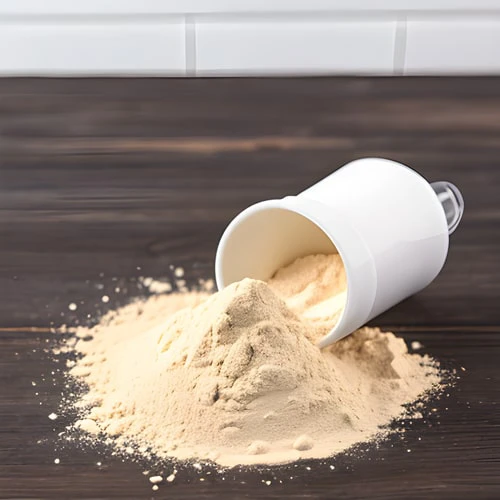
Build a Reliable Supply Strategy for Demineralized Whey Powder
The wholesale sale of demineralized whey powder in Türkiye offers manufacturers an opportunity to source a technically valuable dairy ingredient for a range of food applications. The best purchasing decision, however, is not defined by price or demineralization level alone. It depends on the complete composition, the intended application, the quality documentation, and the supplier’s ability to deliver consistently.
Start by defining your formulation requirements, verifying the grade, and testing a representative sample. Then compare suppliers using landed cost, traceability, storage conditions, and delivery reliability. MT Royal can support this evaluation by helping businesses explore multiple brands at competitive prices, while your technical and procurement teams establish the specifications that protect production quality.
When every ingredient must perform predictably at industrial scale, the strongest supply relationship is one built on clear specifications, transparent commercial terms, and quality that holds up long after the purchase order is signed.
Import-Export Companies in Türkiye with 99% discount
Food industry raw materials – list of products


No comment