


When your factory purchases tartaric acid by the tonne, supplier selection becomes a production decision, not simply a purchasing exercise. The right Tartaric Acid Bulk Distributor can help you secure consistent quality, reliable deliveries, suitable packaging, and competitive pricing while reducing the risk of production interruptions. For manufacturers looking to compare established brands and international sourcing options, MT Royal is worth considering as a supplier that can provide multiple brands and competitive commercial terms.
Tartaric acid is used across food, beverage, pharmaceutical, chemical, and industrial applications, but the material specification required for each sector can differ considerably. A beverage manufacturer may focus heavily on purity, sensory performance, solubility, and food-additive compliance. A pharmaceutical buyer may need a much tighter documentation package. A chemical processor may prioritize technical performance and delivered cost.
That is why buying “tartaric acid” is not enough. Your procurement team needs to define which tartaric acid, at what specification, in what quantity, from which manufacturing source, and with what documentation.
For large-scale buyers, the difference between a good and mediocre sourcing decision can accumulate quickly. A small price advantage may be valuable across hundreds of tonnes, but so can avoiding a single rejected shipment, delayed container, or formulation inconsistency.
Food industry raw materials – list of products
LATAMARKO LM60 – Premium Spanish-Origin Cocoa Powder
What Is Tartaric Acid?
Tartaric acid is a naturally occurring organic acid with the molecular formula C₄H₆O₆. It is commonly associated with grapes and wine production, where it occurs naturally and contributes to acidity and flavor.
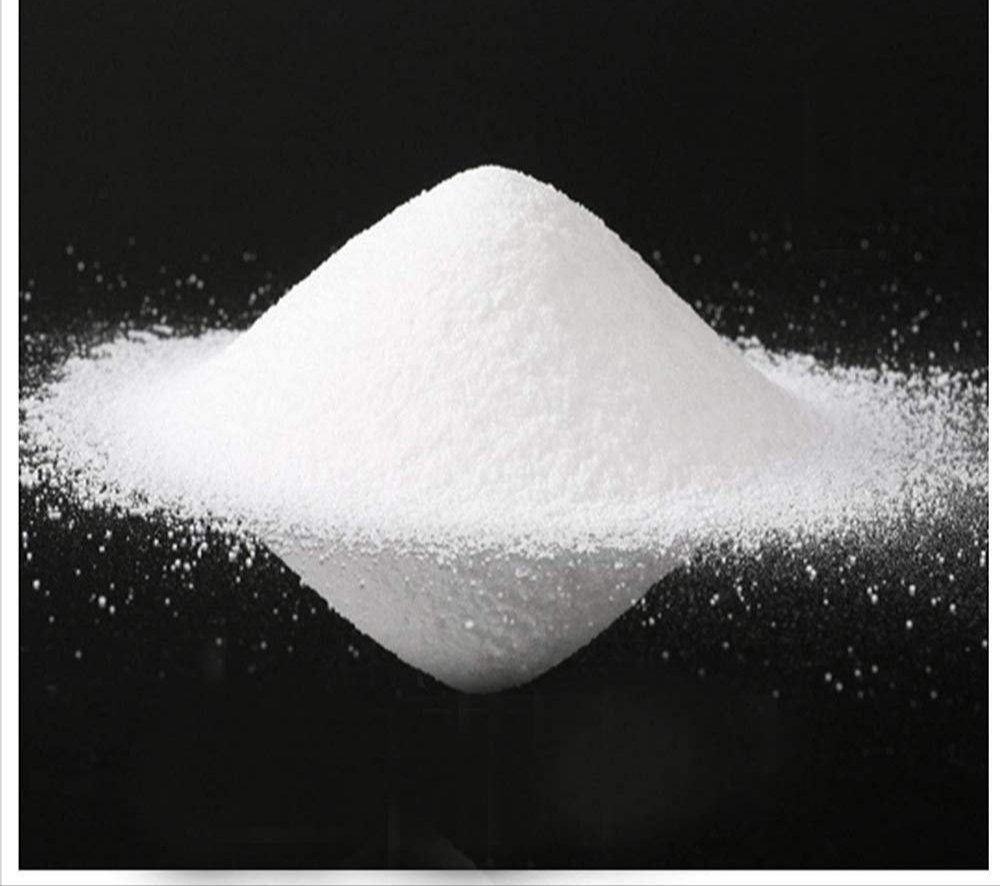
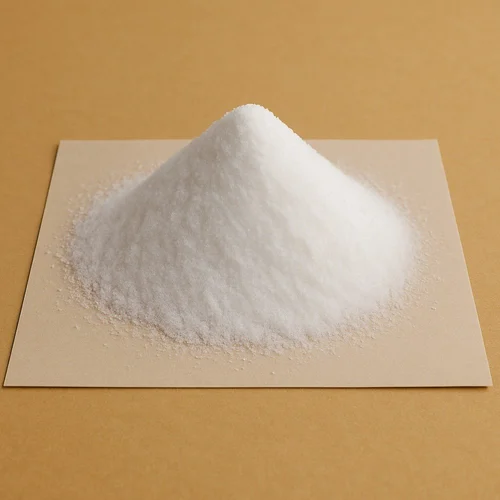
Commercial tartaric acid is generally supplied as a crystalline powder. Depending on the product and application, buyers may encounter different stereochemical forms, particularly L(+)-tartaric acid and DL-tartaric acid.
The stereochemistry is not a minor technical footnote. Different forms can have different properties and application suitability. A procurement specification should therefore identify the exact form required rather than relying solely on the generic term “tartaric acid.”
Tartaric acid is valued for its acidity, chelating properties, buffering behavior, and ability to interact with other ingredients and minerals. These characteristics explain its broad industrial use.
Why Tartaric Acid Matters to Manufacturers
For a factory, tartaric acid may serve several functions simultaneously.
In food and beverage manufacturing, it can act as an acidulant, pH regulator, flavor modifier, and processing ingredient. It can provide a distinct, clean acidity that works especially well in certain beverages, confectionery products, jams, bakery formulations, and other foods.
In pharmaceuticals, tartaric acid can be used as an excipient or formulation component and may participate in salt formation with active pharmaceutical ingredients.
In industrial applications, tartaric acid’s chemical characteristics make it useful in areas such as metal treatment, cleaning formulations, construction-related chemistry, and other specialized processes.
This versatility is commercially useful, but it creates a sourcing challenge: the same basic chemical name can represent very different quality requirements.
Tartaric Acid Grades and Forms
Before selecting a Tartaric Acid Bulk Distributor, determine the precise product your factory requires.
L(+)-Tartaric Acid
L(+)-tartaric acid is the naturally occurring stereoisomer associated with grapes and many traditional tartaric-acid sources.
It is widely used in food and beverage applications and is often the form buyers mean when they request food-grade tartaric acid.
DL-Tartaric Acid
DL-tartaric acid contains both optical forms. It can have different application characteristics and should not automatically be substituted for L(+)-tartaric acid.
If your factory has an established formulation, changing stereoisomeric form should be treated as a technical change requiring validation.
Food Grade
Food-grade tartaric acid must meet the specifications and regulatory requirements applicable to its intended food use and market.
Typical purchasing documentation can include:
- Certificate of Analysis
- Specification sheet
- Safety Data Sheet
- Food-grade documentation
- Country-of-origin information
- Lot or batch identification
- Applicable certifications or declarations
Pharmaceutical Grade
Pharmaceutical applications can require significantly more stringent controls. A pharmaceutical manufacturer should never assume that food-grade material is automatically suitable for a pharmaceutical process.
The product specification, manufacturing controls, traceability, impurity limits, and regulatory documentation must all be evaluated.
Major Applications of Tartaric Acid
Food and Beverage Manufacturing
Tartaric acid is particularly important in applications where a distinct acidity profile is desirable.
It can be used in:
- Soft drinks and powdered beverages
- Wine and grape-based products
- Confectionery
- Jams and fruit preparations
- Bakery products
- Gelled foods
- Sauces and specialty formulations
In beverage production, acid selection can influence more than pH. It can affect taste perception, flavor balance, buffering behavior, and the interaction of the acid with other ingredients.
For that reason, replacing tartaric acid with another acid simply because it is cheaper can create unexpected sensory changes.
Baking Powder and Leavening Systems
One of tartaric acid’s well-known applications is in acid-based leavening systems.
Its reaction with alkaline components such as sodium bicarbonate produces carbon dioxide, helping dough or batter rise.
The reaction profile matters. Manufacturers need to consider the acid’s neutralizing value, particle characteristics, solubility, and interaction with the rest of the formulation.
Pharmaceutical Applications
Tartaric acid has pharmaceutical uses that extend beyond simple acidity adjustment. It can participate in formulation chemistry and may be used in specific excipient systems.
For pharmaceutical buyers, however, documentation is just as important as chemical purity.
Industrial Applications
Tartaric acid is also used in selected industrial formulations because of its ability to complex certain metal ions and participate in chemical reactions.
This can make it useful in:
- Metal treatment
- Cleaning formulations
- Construction chemicals
- Plating-related processes
- Technical formulations
The correct grade depends on the intended application.
How to Choose a Tartaric Acid Bulk Distributor
Choosing a distributor for small laboratory quantities is relatively straightforward. Choosing one for full-scale manufacturing requires a much more systematic approach.
Evaluate the Manufacturer Behind the Distributor
Ask:
- Who actually manufactures the material?
- Where is the production facility located?
- Is the source consistent from shipment to shipment?
- Can the manufacturer be changed without your approval?
- Does the distributor work with multiple approved manufacturers?
A distributor can provide excellent service, but you still need visibility into the actual product source.
Examine the Specification
Review the technical specification before reviewing the price.
Important parameters may include:
- Assay
- Optical rotation
- Moisture
- Sulfated ash
- Heavy metals
- Chloride
- Sulfate
- Oxalate
- Appearance
- Solubility
- Particle size where relevant
The exact specification should reflect the application and applicable standard.
Review Batch Documentation
A COA should be more than a formality. Your quality department should be able to compare each incoming batch against the approved specification.
Assess Supply Capacity
If your factory consumes 20 tonnes per month, ask whether the distributor can reliably supply 20 tonnes per month during both normal and high-demand periods.
The answer should be based on actual supply capacity rather than optimism.
Common Mistakes in Bulk Tartaric Acid Sourcing
Mistake 1: Selecting the cheapest quotation
The cheapest offer is not necessarily the lowest total cost.
A better metric is total delivered cost, which can include:
Purchase price + freight + customs + storage + handling + testing + losses + financing cost.
Mistake 2: Ignoring particle size
Particle size can affect dissolution, blending, dust generation, and process behavior.
If your process uses automated dosing or rapid dissolution, particle characteristics deserve attention.
Mistake 3: Treating all food-grade material as identical
Two products may both be labeled food grade while having different specifications, origin, particle size, packaging, and documentation.
Mistake 4: Changing suppliers without plant trials
A new supplier should normally provide samples for technical evaluation before a full-scale conversion.
Mistake 5: Ordering too close to production
Bulk chemicals are not pizza. They cannot always arrive exactly when the production manager suddenly realizes the warehouse is empty.
Lead times, customs procedures, port congestion, and supplier production schedules can all affect availability.
Bulk Packaging Options for Tartaric Acid
Packaging should be evaluated as part of the purchasing decision.
Common options may include:
- 25 kg bags
- 500 kg big bags
- 1,000 kg big bags
- Palletized shipments
- Other bulk formats depending on supplier capability
For smaller factories, standard bags may be practical because they provide flexibility.
For high-volume plants, bulk packaging can reduce:
- Handling labor
- Packaging waste
- Warehouse footprint
- Number of individual units
- Receiving time
However, bulk packaging requires appropriate unloading equipment, warehouse design, and dust-management procedures.
The cheapest packaging format on paper is not always the cheapest packaging format inside your factory.
Tartaric Acid Storage and Handling
Tartaric acid is generally supplied as a solid crystalline material and should be stored according to the manufacturer’s SDS and site-specific procedures.
In industrial environments, pay attention to:
- Moisture protection
- Container integrity
- Warehouse cleanliness
- Batch segregation
- FIFO or FEFO procedures where appropriate
- Dust control
- Cross-contamination prevention
- Appropriate labeling
Moisture management deserves special attention. Powdered ingredients can change handling characteristics when exposed to humid conditions, creating caking or dosing problems.
A sophisticated procurement strategy therefore considers warehouse conditions before choosing packaging.
The Economics of Buying Tartaric Acid in Bulk
Bulk purchasing can create meaningful savings, but volume alone does not guarantee a good deal.
Suppose one supplier offers a low ex-works price while another offers a slightly higher delivered price. The second supplier may still be economically superior if it provides shorter transit time, lower logistics risk, better payment terms, or local stock.
For large manufacturers, calculate:
Landed cost per tonne = product cost + freight + insurance + customs + handling + inland transportation
Then evaluate that figure alongside:
- Lead time
- Minimum order quantity
- Inventory carrying cost
- Payment terms
- Quality-rejection risk
- Supplier reliability
This approach provides a much clearer picture of the actual economics.
Why Multiple Brands Can Benefit Large Buyers
Working with multiple brands can provide procurement flexibility without necessarily sacrificing quality.
MT Royal’s sourcing model includes multiple international manufacturers and brands, allowing buyers to compare alternatives according to specification, origin, availability, and price.
This can be particularly useful when:
- A preferred brand has limited availability.
- Your factory needs a second approved source.
- Freight costs make one origin temporarily unattractive.
- You want to negotiate based on several qualified alternatives.
- Your production volume has increased significantly.
We have seen that supplier diversification works best when alternatives are qualified before they become necessary. Waiting until a shortage occurs is a little like testing the fire extinguisher after the fire has started.
Specialized Advice for Large-Scale Tartaric Acid Buyers
Establish an approved supplier list
Do not rely entirely on one source for a critical ingredient.
Maintain at least one technically approved alternative where practical.
Define an annual purchasing forecast
Share realistic demand forecasts with your distributor. This helps the supplier plan inventory and helps you negotiate more effectively.
Use blanket orders where appropriate
For predictable consumption, annual or semi-annual purchasing agreements with scheduled deliveries can balance price and inventory exposure.
Track supplier performance
Monitor:
- On-time delivery
- COA accuracy
- Batch consistency
- Packaging quality
- Complaint frequency
- Response time
- Price stability
A supplier scorecard turns subjective impressions into measurable performance.
Validate substitutions
If a supplier proposes another manufacturer or grade, compare the new product against your approved specification before introducing it into routine production.
Emerging Trends in Tartaric Acid Supply
The tartaric acid market is closely connected to the wine and grape-processing industries because tartaric acid can be recovered from wine-related by-products and residues.
This creates an interesting circular-economy dimension: material originating from agricultural and wine-industry streams can be processed into commercially useful tartaric acid.
For manufacturers, sustainability is increasingly becoming part of supplier evaluation. Customers and regulators may increasingly expect greater transparency around origin, processing, environmental impact, and supply-chain traceability.
That means future procurement decisions may involve more than price and purity. Traceability, responsible sourcing, supply-chain resilience, and environmental credentials are likely to become increasingly relevant.
Questions Factory Managers Ask About Tartaric Acid
What is the most common form of tartaric acid used in food?
L(+)-tartaric acid is widely used in food and beverage applications, particularly where its characteristic acidity and natural association with grapes are relevant.
Is tartaric acid the same as citric acid?
No. Both are organic acids, but they have different chemical structures, acidity profiles, sensory characteristics, and applications.
They should not be considered interchangeable without formulation testing.
Can tartaric acid be purchased in bulk?
Yes. Bulk purchasing is common for industrial and food manufacturers, with packaging options depending on supplier capability and customer volume.
What should I request from a bulk distributor?
Request a technical specification, current COA, SDS, product origin, manufacturer information, packaging details, applicable certifications, minimum order quantity, lead time, and commercial terms.
Does higher purity always mean better performance?
Not necessarily. Your target specification should be based on the application. Paying for specifications that provide no meaningful benefit to your process may simply increase raw-material cost.
Can MT Royal supply multiple tartaric acid brands?
MT Royal works with multiple brands and international raw-material sources. Availability depends on the required form, grade, volume, origin, and delivery destination.
How much safety stock should a factory maintain?
There is no universal number. The appropriate inventory level depends on monthly consumption, supplier lead time, shipping reliability, warehouse capacity, cash-flow considerations, and the cost of production downtime.
A Smarter Way to Buy Tartaric Acid in Bulk
A reliable Tartaric Acid Bulk Distributor should fit into your manufacturing strategy rather than operate as a simple order-taking channel.
Start by defining the exact material specification. Identify the required stereochemical form and grade. Establish acceptable impurity limits. Confirm packaging and storage requirements. Then compare qualified suppliers using landed cost and supply reliability rather than headline price alone.
For companies evaluating MT Royal, the main advantage is the ability to access multiple brands and international sourcing options while maintaining a commercial focus on competitive pricing. This can give procurement teams more flexibility when managing bulk purchases, alternative sources, and changing market conditions.
We recommend that large manufacturers treat tartaric acid as a managed raw-material category when it is critical to product quality or production continuity. Supplier qualification, periodic performance reviews, and pre-approved alternatives can make a significant difference when market conditions become unpredictable.
The most effective bulk-distribution relationship is not necessarily the one that gives you the lowest quotation today. It is the one that consistently delivers the right material, at the right specification, in the right quantity, with the right documentation—and does so before your production schedule starts asking uncomfortable questions.
For a factory, reliability is not an abstract benefit. It is measured in uninterrupted batches, predictable formulations, fewer quality investigations, controlled inventory, and customers receiving finished products when promised.
When tonnes of tartaric acid move through your supply chain every year, choosing the right distributor is ultimately an investment in production certainty.


No comment