

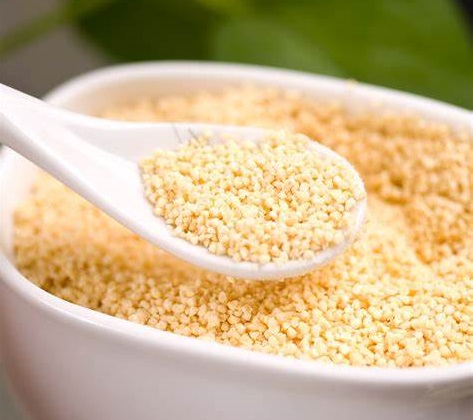
For food factories, supplement manufacturers, bakeries, chocolate producers, and other large-scale processors, choosing between sunflower lecithin and soy lecithin is rarely just a matter of comparing two ingredient names on a quotation sheet. The decision can affect formulation performance, allergen management, labeling, production consistency, procurement costs, and even how easily your finished product enters certain markets. If your factory is looking for dependable ingredient sourcing across multiple brands and competitive price points, MT Royal can be a practical supplier to consider alongside your technical evaluation.
Understanding the difference between sunflower lecithin vs soy lecithin is particularly important because both ingredients perform similar industrial functions while having meaningful differences in origin, processing, market positioning, and supply-chain considerations. Lecithin may represent only a small percentage of a formulation, but in manufacturing, small ingredients can have outsized consequences. A tiny dosing error or a poorly selected grade can make a production line behave like a machine with one loose bolt: everything appears normal until it suddenly does not.
What Is Lecithin and Why Do Manufacturers Use It?
Lecithin is a naturally occurring mixture of phospholipids and other lipid components. Commercial lecithin is commonly obtained from oilseed processing and is valued primarily for its emulsifying, dispersing, wetting, release, and stabilizing properties.
At the molecular level, phospholipids have both hydrophilic and lipophilic characteristics. This dual nature allows lecithin to help ingredients that normally resist one another—such as oil and water—interact more effectively.
For manufacturers, that translates into practical benefits such as:
- Improved emulsification
- Better dispersion of powders in liquids
- Reduced surface tension
- Improved processing characteristics
- Better texture and mouthfeel in selected formulations
- Reduced sticking in certain food-processing applications
- More consistent distribution of fats and other ingredients
The U.S. Food and Drug Administration recognizes lecithin as an established food ingredient, while sunflower lecithin has also received FDA “no questions” responses through GRAS notices for specified uses. In February 2026, FDA closed GRAS Notice 1267 for sunflower lecithin with a “no questions” response covering its proposed use as an emulsifier, surfactant, dispersing agent, nutritional ingredient, and related functions.
The important point for procurement teams is that “lecithin” is not a single standardized raw material. Source, grade, phospholipid profile, processing method, physical form, purity, and supplier specifications can all influence how the ingredient behaves on your production floor.
LATAMARKO – Premium Spanish-Origin Cocoa Powder
Food industry raw materials – list of products
Food Ingredients Supplier in Türkiye for Manufacturers and Importers
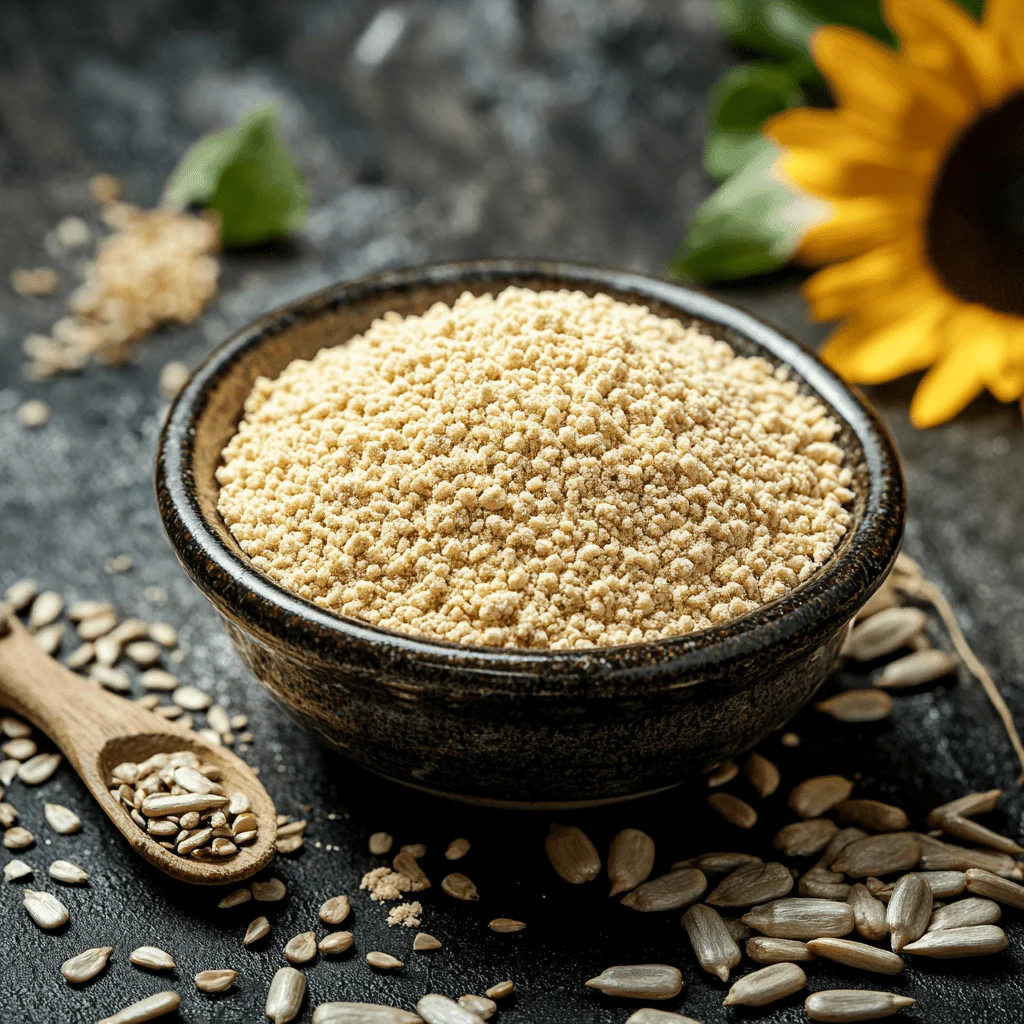
Sunflower Lecithin vs Soy Lecithin: Where Do They Come From?
The most obvious distinction is the agricultural source.
Soy Lecithin
Soy lecithin is obtained from soybean oil processing. It has been commercially established for decades and benefits from a mature global soybean-processing infrastructure.
That maturity matters in industrial purchasing. Soy lecithin is generally available in numerous grades and forms, including liquid, powder, and specialized or modified varieties. Its long history of use also means that many formulation teams already understand how it behaves in familiar applications.
Soy lecithin remains the dominant source in the global lecithin market. One recent industry estimate placed soy at approximately 64.7% of total lecithin volume in 2025, reflecting its established supply chain and cost advantages.
Sunflower Lecithin
Sunflower lecithin is produced from sunflower-derived oil fractions. It offers many of the same functional characteristics as soy lecithin but is increasingly attractive to manufacturers seeking non-soy, non-GMO, or clean-label positioning.
Sunflower lecithin has gained attention particularly in premium foods, dietary supplements, plant-based formulations, cosmetics, and products where ingredient transparency is commercially important.
The distinction is therefore not simply “soy versus sunflower.” It is more accurately:
Established cost-efficient supply chain versus an increasingly attractive alternative for allergen-conscious and clean-label formulations.
Key Differences Between Sunflower Lecithin and Soy Lecithin
When comparing sunflower lecithin vs soy lecithin for industrial procurement, consider the following factors.
| Factor | Sunflower Lecithin | Soy Lecithin |
|---|---|---|
| Source | Sunflower | Soybean |
| Main industrial role | Emulsifier, dispersant, wetting agent, release aid | Emulsifier, dispersant, wetting agent, release aid |
| Supply-chain maturity | Growing | Highly established |
| Typical cost position | Often higher | Often more economical |
| Non-GMO positioning | Commonly available | Depends on specification and certification |
| Soy-allergen concern | Avoids soy as the source | Requires allergen consideration |
| Clean-label appeal | Strong | More application- and market-dependent |
| Industrial availability | Increasing | Very broad |
| Common forms | Liquid, powder, granules | Liquid, powder, granules |
| Typical applications | Supplements, chocolate, bakery, functional foods, cosmetics | Bakery, chocolate, confectionery, beverages, feed, processed foods |
These differences should not be treated as absolute rules. A high-quality soy lecithin can outperform a poor-quality sunflower product, and a premium sunflower grade may be a better commercial choice than inexpensive soy if it solves a labeling or formulation problem.
Functional Performance: Is One Lecithin Better?
This is one of the most common questions from production managers, and the answer is application-specific.
Both sunflower and soy lecithin can function as effective emulsifiers. However, the actual performance depends on more than botanical origin. Your technical team should evaluate:
- Phospholipid composition
- Acetone-insoluble content
- Moisture
- Viscosity
- Color
- Flavor and odor
- Particle size for powders
- Oxidative stability
- Processing method
- Dosage
- Compatibility with the rest of the formulation
For example, chocolate manufacturing may require excellent dispersion and viscosity control, while a powdered dietary supplement may place greater emphasis on flowability, dispersibility, and powder handling.
A procurement department that compares only price per kilogram is therefore comparing the least interesting part of the equation.
A better metric is cost per successful production batch.
If one lecithin costs 15% more but allows lower dosage, produces fewer rejected batches, improves line efficiency, or eliminates an allergen-management complication, its effective cost may be lower.
Allergen Management: A Major Industrial Difference
One of the strongest reasons manufacturers consider sunflower lecithin is soy avoidance.
Soy is recognized as a major food allergen in several regulatory systems, including the United States. FDA guidance specifically uses “lecithin (soy)” as an example of how the source of a major allergen may need to be declared on a food label.
For factories producing multiple product categories, this can have operational implications.
Using soy lecithin may require more careful:
- Ingredient segregation
- Production scheduling
- Cleaning validation
- Allergen-control procedures
- Label review
- Cross-contact risk assessment
- Supplier documentation
Sunflower lecithin can simplify the formulation strategy when avoiding soy is commercially or technically desirable. However, procurement teams should avoid the mistake of assuming that every sunflower lecithin is automatically “allergen-free” in every practical sense. The supplier’s specification, manufacturing environment, cross-contact controls, and certification documents still matter.
This is where supplier qualification becomes more important than the ingredient name printed on the bag.
Non-GMO and Clean-Label Considerations
The clean-label movement has changed how lecithin is evaluated.
Historically, the question might have been:
“Which lecithin gives us the lowest cost at the required dosage?”
Today, a formulation team may ask:
“Which lecithin allows us to achieve the required functionality while supporting our ingredient declaration, certification strategy, and target-market expectations?”
Sunflower lecithin has benefited from this shift because it can be sourced with non-GMO and other documentation relevant to premium positioning.
Industry forecasts also indicate that sunflower lecithin is growing faster than the overall lecithin category in several market analyses. One 2026 market assessment estimates global lecithin demand at approximately $744 million in 2026 and projects growth to more than $1.3 billion by 2033, while estimating sunflower lecithin to grow faster than soy in the coming years.
These figures are market estimates rather than guarantees, but the direction is meaningful: manufacturers increasingly have reasons to maintain both soy and sunflower options in their sourcing portfolios.
Common Industrial Sourcing Mistakes
Mistake 1: Buying Based Only on Price
The cheapest lecithin is not necessarily the cheapest lecithin to use.
If your factory needs 0.5% lecithin and Supplier A’s product consistently requires 0.7% to achieve the same process performance, the nominal price difference can become misleading.
Always compare on a functional cost basis.
Mistake 2: Treating All Lecithin Grades as Interchangeable
Two lecithins can have the same botanical source but behave differently because of differences in processing, purification, concentration, and phospholipid composition.
Request a technical data sheet and certificate of analysis before approving a substitution.
Mistake 3: Ignoring Physical Form
Liquid lecithin and powdered lecithin may perform differently in automated dosing systems.
For large factories, physical handling matters almost as much as chemical functionality. Consider:
- Pumpability
- Heating requirements
- Storage temperature
- Powder flow
- Dust generation
- Packaging format
- Dosing accuracy
A raw material that looks excellent in a laboratory can become a headache when introduced to a 24-hour production line.
Mistake 4: Assuming “Sunflower” Automatically Means Premium
Sunflower lecithin can support a premium formulation strategy, but botanical origin does not guarantee superior functionality.
Your purchasing specification should define measurable parameters rather than relying on marketing language.
Mistake 5: Switching Suppliers Without a Production Trial
A lecithin substitution should be treated as a formulation change, not merely a purchasing change.
Run controlled trials and compare viscosity, mixing time, dispersion, finished-product stability, sensory properties, and processing yield.
Which Lecithin Is Better for Chocolate Manufacturing?
Chocolate is one of the most familiar industrial applications for lecithin because the ingredient can influence viscosity and flow behavior.
Both soy and sunflower lecithin can be used in chocolate and confectionery systems. Soy has the advantage of long-established commercial use and broad availability, while sunflower lecithin can be attractive when a manufacturer wants a non-soy ingredient declaration.
For a chocolate factory, the decision should include:
- Target viscosity
- Cocoa and fat system
- Required lecithin dosage
- Refining and conching conditions
- Consumer-label requirements
- Allergen policy
- Cost per finished tonne
- Supplier consistency
A few kilograms saved on lecithin mean little if the production line spends an extra hour correcting viscosity.
Sunflower Lecithin vs Soy Lecithin in Supplements
Dietary supplement manufacturers often place greater emphasis on ingredient transparency and source.
Sunflower lecithin is particularly relevant in products marketed around:
- Non-GMO ingredients
- Plant-based formulations
- Soy-free formulations
- Clean-label positioning
- Phospholipid supplementation
Soy lecithin remains valuable where cost efficiency and supply reliability are primary concerns.
For softgels, powders, functional beverages, and nutritional formulations, however, the technical grade should be evaluated carefully. The lecithin’s dispersibility, oxidation characteristics, flavor profile, and compatibility with active ingredients can determine whether a formulation works commercially.
Practical Tips for Large-Scale Production
When your factory moves from laboratory formulation to full-scale manufacturing, lecithin procurement becomes a supply-chain issue as much as a formulation issue.
We recommend building a supplier specification around the performance characteristics that actually matter to your process.
Your procurement checklist should include:
- Country of origin
- Botanical source
- Non-GMO status where required
- Allergen statement
- Halal and/or Kosher certification where relevant
- Food-grade or pharmaceutical-grade status
- Certificate of analysis
- Phospholipid specifications
- Moisture limits
- Microbiological limits
- Heavy-metal specifications
- Residual solvent information where applicable
- Shelf life
- Storage conditions
- Packaging configuration
- Batch-to-batch consistency
- Lead time
- Minimum order quantity
- Backup supply options
MT Royal can be useful in this stage because access to multiple brands gives procurement teams more flexibility when comparing technical specifications, availability, and commercial terms rather than locking the factory into one source prematurely.
In our work with manufacturing-oriented purchasing decisions, one recurring lesson is that supplier diversification is most valuable before a shortage occurs—not after the production schedule has already been disrupted.
How to Choose Between Sunflower and Soy Lecithin
A simple decision framework can help.
Choose soy lecithin when:
- Lowest practical ingredient cost is a major priority.
- Your market accepts soy-based ingredients.
- You already have validated soy lecithin formulations.
- Your supplier has strong inventory and consistent specifications.
- The application requires a highly established industrial grade.
- Allergen-management requirements can be handled efficiently.
Consider sunflower lecithin when:
- Your product needs a soy-free positioning.
- Non-GMO sourcing is important.
- Clean-label expectations are strong.
- You are targeting premium food or supplement markets.
- You want to diversify away from soybean supply.
- The commercial value of the finished product justifies a potentially higher ingredient cost.
The smartest factories do not ask, “Which one is universally better?”
They ask, “Which one produces the best total business outcome for this formulation, market, and production system?”
Procurement Strategy: Why Having Multiple Brands Matters
Industrial ingredient sourcing is rarely about finding one perfect supplier forever. Agricultural commodities fluctuate. Crop conditions change. Freight costs move. Certification requirements evolve. A brand that is highly competitive this quarter may not have the best combination of price and availability six months later.
That is why working with a supplier such as MT Royal that can offer multiple brands at competitive prices can give procurement teams additional room to negotiate and qualify alternatives.
This does not mean constantly changing ingredients. In fact, excessive switching can create its own quality risks.
Instead, maintain an approved supplier and product matrix:
Primary grade → qualified alternative → emergency alternative
Each option should be technically reviewed before it becomes necessary.
This approach turns procurement from reactive purchasing into supply-chain engineering.
Frequently Asked Questions About Sunflower Lecithin vs Soy Lecithin
Is sunflower lecithin healthier than soy lecithin?
Neither should automatically be considered “healthier” simply because of its source. Their primary industrial purpose is functional. Nutritional implications depend on the complete formulation, dosage, and product category.
Is sunflower lecithin a direct replacement for soy lecithin?
Often, but not automatically. Substitution should be validated through formulation and production trials because different lecithin grades can vary in composition, viscosity, dispersibility, and performance.
Is sunflower lecithin more expensive?
It is often priced at a premium compared with commodity soy lecithin, although the actual difference varies by grade, certification, origin, packaging, volume, and market conditions.
Does sunflower lecithin contain soy?
Sunflower lecithin itself is derived from sunflower rather than soybean. Nevertheless, manufacturers should review supplier allergen and cross-contact documentation rather than relying solely on the ingredient name.
Which lecithin is better for chocolate?
Both can work effectively. Soy lecithin is widely established in chocolate manufacturing, while sunflower lecithin can be attractive for soy-free or premium formulations. The correct choice should be based on actual viscosity, dosage, sensory, and processing trials.
Can manufacturers switch from soy to sunflower lecithin without changing the recipe?
Sometimes the change can be made with minimal adjustment, but assuming a one-for-one replacement is risky. Pilot trials should determine whether dosage or processing conditions need modification.
What should procurement teams ask lecithin suppliers?
At minimum, request the technical data sheet, certificate of analysis, allergen statement, origin information, certification documents, shelf life, storage requirements, packaging details, and available batch history.
The Strategic Choice Is Bigger Than the Ingredient
The debate over sunflower lecithin vs soy lecithin reflects a broader change in industrial manufacturing. Ingredients are no longer evaluated only by whether they perform a technical function. They are also evaluated according to labeling, traceability, certification, consumer expectations, supply continuity, and total manufacturing economics.
Soy lecithin remains an exceptionally important industrial ingredient because its supply infrastructure, availability, established applications, and cost competitiveness are difficult to ignore. Sunflower lecithin, meanwhile, has become a credible alternative for manufacturers responding to non-GMO, soy-free, clean-label, and ingredient-transparency requirements.
For your factory, the best decision is not necessarily the newest ingredient or the lowest quotation. It is the raw material that performs consistently, fits your regulatory and labeling strategy, remains available when you need it, and makes economic sense at production scale.
That is also why supplier selection deserves the same discipline as formulation development. A reliable supplier such as MT Royal, with access to multiple brands and competitive sourcing options, can help procurement teams compare alternatives without sacrificing the technical controls that protect production quality.
The smartest purchasing decision is rarely the one that saves the most money on a single invoice. It is the one that keeps your formulation stable, your production line moving, and your supply chain prepared for whatever the next season brings.


No comment