

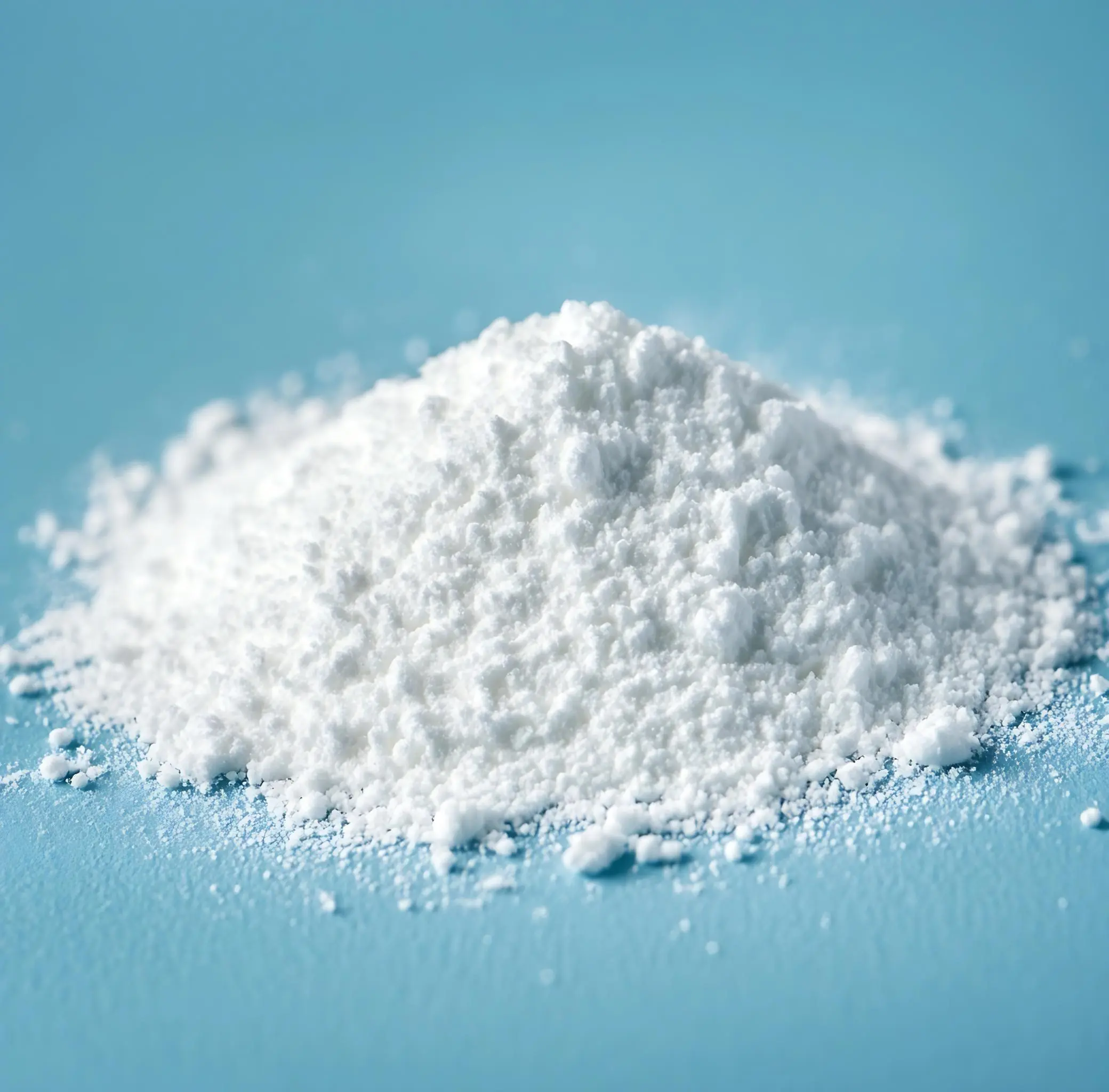
For food and beverage manufacturers, choosing a food grade potassium citrate Supplier is a purchasing decision that can directly affect formulation consistency, regulatory compliance, production efficiency, and customer satisfaction. If your factory uses potassium citrate as an acidity regulator, buffering agent, stabilizer, or functional ingredient, buying from an experienced supplier such as MT Royal can help you compare qualified brands, manage bulk requirements, and secure competitive pricing without treating quality as an afterthought.
Potassium citrate may look like a straightforward white powder on a specification sheet, but industrial procurement is rarely that simple. The material must arrive with the right grade, purity, documentation, packaging, shelf life, and delivery schedule. A few cents saved per kilogram can quickly disappear if a shipment arrives late, fails an incoming quality check, or behaves differently in your formulation.
For this reason, selecting a food grade potassium citrate supplier should be approached as a combination of technical qualification and supply-chain management rather than a simple price comparison.
Food industry raw materials – list of products
LATAMARKO LM60 – Premium Spanish-Origin Cocoa Powder
What Is Food Grade Potassium Citrate?
Food grade potassium citrate is a potassium salt of citric acid used in food and beverage manufacturing for its ability to regulate acidity and provide buffering capacity. It is commonly associated with food additive number E332 and can be used in applications where controlling pH is important to product performance.
Depending on the formulation, potassium citrate may contribute to:
- Acidity regulation
- pH buffering
- Flavor balance
- Product stability
- Mineral fortification
- Processing performance
- Sodium-reduction strategies in selected formulations
The term “food grade” is particularly important. It means that the material is intended to meet requirements applicable to food use, but buyers should still verify the exact specification and regulatory status for their destination market.
A procurement team should never assume that every product labeled “potassium citrate” is interchangeable. Chemical identity alone does not establish suitability for a particular food application.
Why Choosing the Right Food Grade Potassium Citrate Supplier Matters
In a small laboratory trial, changing suppliers may seem harmless. In a factory producing several tons of finished product every day, it can be a very different story.
The potassium citrate you purchase can affect the behavior of a formulation during mixing, dissolution, pH adjustment, filling, storage, and quality control. If a replacement material has different physical characteristics or falls outside your established internal specification, the consequences can extend well beyond the raw-material warehouse.
In our experience with industrial purchasing requirements, one of the most overlooked factors is consistency between lots. A reliable ingredient supplier should not merely provide a material that passes once; the objective is predictable performance across repeated deliveries.
MT Royal is relevant to this type of sourcing strategy because it supplies potassium citrate from multiple brands and origins, giving manufacturers an opportunity to compare commercial options while maintaining focus on technical requirements and supply continuity.
Key Applications of Food Grade Potassium Citrate
Beverages and Drink Powders
Potassium citrate is particularly useful in beverage formulations because acidity and pH can influence taste, stability, and the interaction between different ingredients.
Applications may include:
- Functional beverages
- Electrolyte drinks
- Powdered drink mixes
- Nutritional beverages
- Certain carbonated or non-carbonated formulations
The buffering effect can help manufacturers achieve a more controlled formulation environment than relying on acid addition alone.
Dairy and Processed Foods
Potassium citrate can serve as a functional salt in selected dairy and processed-food applications. Its suitability depends on the specific recipe, processing conditions, and applicable food regulations.
For manufacturers, the important point is that an ingredient may have multiple functions. A material selected initially for acidity control can also influence processing behavior.
Confectionery and Bakery Products
Certain confectionery and bakery formulations use citrate salts to help manage acidity or interact with other components. The exact dosage should always be established through formulation trials rather than copied from another product.
Nutritional and Functional Foods
The broader growth of functional nutrition has increased interest in mineral-containing ingredients. Potassium citrate can provide a source of potassium while also contributing useful buffering characteristics.
This dual functionality can be commercially attractive, particularly when formulation teams are attempting to simplify ingredient systems.
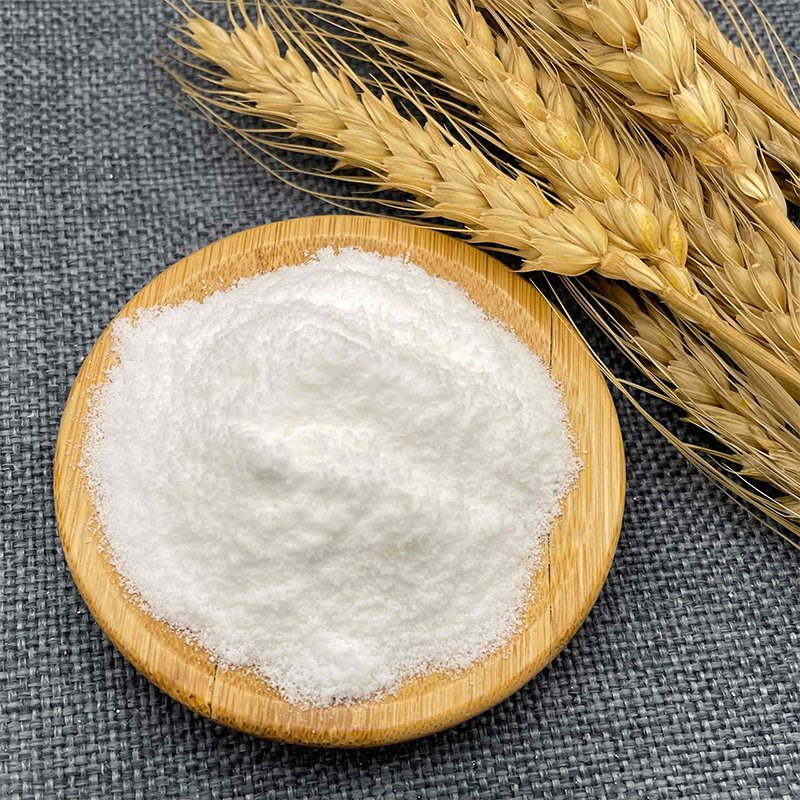
Food Grade Potassium Citrate Supplier: What Should You Evaluate?
The best supplier for your factory is not necessarily the supplier offering the lowest quotation. A more useful approach is to evaluate several categories simultaneously.
1. Food-Grade Specification
Request a current product specification and verify parameters relevant to your formulation.
Depending on the product and regulatory market, you may review:
- Assay
- Moisture or loss on drying
- pH
- Heavy metals
- Relevant impurities
- Solubility
- Appearance
- Particle characteristics
- Microbiological specifications where applicable
The exact acceptance limits should come from the applicable standard and your internal quality specification.
2. Certificate of Analysis
A Certificate of Analysis should be treated as an essential quality document, not a decorative attachment to an invoice.
Your quality department should confirm that the CoA identifies the relevant batch and provides results against defined specifications.
For high-volume procurement, maintaining historical CoA data can reveal something that a single test cannot: whether the supplier is consistently producing within a narrow performance range.
3. Regulatory Documentation
Depending on the country and application, you may require additional documentation such as:
- Safety Data Sheet
- Food-grade declaration
- Country-of-origin information
- Allergen statement
- GMO statement
- Halal certificate
- Kosher certificate
- Packaging information
- Shelf-life statement
The required documents vary by market. Your regulatory team should establish the exact checklist before supplier approval.
4. Manufacturing Source and Brand
Knowing who actually manufactures the material is valuable.
If your supplier offers multiple brands, ask whether the alternatives have comparable specifications or whether they require separate qualification.
MT Royal’s multi-brand approach can be useful for procurement teams that want to evaluate alternatives based on availability, price, origin, and technical documentation rather than being locked into one commercial source.
Common Mistakes When Buying Food Grade Potassium Citrate
Mistake 1: Selecting the Cheapest Supplier
Price matters, but it should be evaluated as part of total landed cost.
Consider:
Total landed cost = product price + freight + customs + insurance + handling + testing + inventory cost
A material that costs slightly less but requires additional testing or creates production adjustments may ultimately be more expensive.
Mistake 2: Assuming All Potassium Citrate Is the Same
This is one of the most common procurement errors.
Differences can occur in:
- Grade
- Hydration state
- Purity
- Particle size
- Moisture
- Packaging
- Manufacturing origin
- Regulatory documentation
Before approving an alternative, compare the complete specification.
Mistake 3: Ignoring Packaging
Potassium citrate should be protected from unfavorable storage conditions, particularly moisture exposure.
A strong specification can be undermined by poor packaging. If bags arrive damaged, wet, or improperly sealed, the warehouse may be dealing with a quality issue before the material ever reaches production.
Mistake 4: Ordering Only When Stock Is Nearly Empty
International supply chains do not operate like vending machines.
Production schedules, vessel availability, customs procedures, holidays, port congestion, and supplier capacity can all affect lead time.
A professional purchasing strategy establishes reorder points before the warehouse reaches emergency levels.
Mistake 5: Failing to Qualify a Second Source
Single-source purchasing can be efficient, but it creates concentration risk.
We recommend that manufacturers with significant potassium citrate consumption consider qualifying at least one technically acceptable alternative, particularly when production downtime would be expensive.
Industrial Sourcing Tips for Large Food Factories
Forecast Demand Before Negotiating
If your factory consumes 5 tons of potassium citrate per month, do not negotiate as though every month will be identical.
Use historical consumption, production forecasts, seasonal demand, and planned product launches to estimate future requirements.
A supplier may offer substantially better commercial conditions when it can see predictable volume rather than sporadic emergency orders.
Calculate Safety Stock Scientifically
A basic reorder-point formula is:
Reorder point = average daily consumption × lead time + safety stock
Suppose your factory consumes 300 kg per day and the effective replenishment lead time is 30 days. Base demand during lead time alone is approximately 9,000 kg.
Your actual safety stock should then reflect demand variability, supplier reliability, and the financial impact of a stockout.
The important lesson is that safety stock should be calculated from risk rather than chosen because “two weeks sounds reasonable.”
Monitor Incoming Lots
Even when purchasing from an established food grade potassium citrate supplier, incoming inspection remains important.
Your quality system may include checks for:
- Packaging integrity
- Lot number
- Appearance
- CoA compliance
- Moisture
- Assay
- pH
- Solubility
- Selected contaminants or impurities
Risk-based testing can provide an efficient balance between quality assurance and laboratory workload.
Store Potassium Citrate Correctly
Warehouse conditions deserve more attention than they usually receive.
Protect potassium citrate from excessive humidity, contamination, and packaging damage. Maintain stock rotation using appropriate inventory controls such as FIFO or FEFO, depending on your quality system.
A good raw material sitting in a poorly managed warehouse can become a bad raw material surprisingly quickly.
How MT Royal Can Fit Into an Industrial Procurement Strategy
MT Royal can be considered when your factory needs more than a one-off purchase. Its potassium citrate offering includes multiple brands and is positioned around competitive pricing, bulk supply, documentation, and international logistics.
For procurement teams, this creates a useful distinction between buying a chemical and managing a supply relationship.
If one brand becomes temporarily difficult to source, having access to alternative brands can reduce supply-chain pressure. However, alternatives should always be reviewed and approved according to your quality procedures before they are introduced into production.
We have found that the strongest supplier relationships are generally built around transparency: clear specifications, realistic lead times, documented quality, and straightforward communication when market conditions change.
Emerging Trends in Food Ingredient Procurement
The food ingredient industry is moving toward more resilient and data-driven sourcing practices.
Supply Chain Diversification
Manufacturers increasingly recognize that dependence on a single source can create operational vulnerability. Dual sourcing and approved alternative suppliers are becoming more common in critical raw-material strategies.
Greater Documentation Requirements
Food manufacturers are facing increasing expectations from customers and regulators regarding traceability, origin, food safety, and supplier documentation.
Total-Cost Procurement
Professional purchasing departments are increasingly measuring supplier performance using landed cost, delivery reliability, rejection rates, and inventory impact rather than unit price alone.
Higher Demand for Formulation Flexibility
Food manufacturers are continually reformulating products to respond to consumer preferences, regulatory changes, cost pressure, and nutritional targets. This increases the value of suppliers that can provide technically documented alternatives.
Frequently Asked Questions
What is food grade potassium citrate used for?
It is commonly used as an acidity regulator, buffering agent, stabilizer, and functional ingredient in food and beverage formulations. It can also contribute potassium to certain nutritional products.
Is potassium citrate safe for food applications?
Food-grade potassium citrate is used as a food ingredient where permitted by applicable regulations. Your factory should verify the relevant regulatory requirements for the country in which the finished product will be sold.
How should I choose a food grade potassium citrate supplier?
Evaluate product specifications, food-grade compliance, batch consistency, documentation, manufacturing source, packaging, lead time, capacity, logistics, and total landed cost.
Is a lower-priced potassium citrate product always better for a factory?
No. Purchase price is only one component of total cost. A supplier with slightly higher pricing may provide better consistency, shorter lead times, stronger documentation, or lower operational risk.
Can I switch from one potassium citrate brand to another?
Potentially, but the alternative should be technically and commercially qualified first. Conduct comparative testing and formulation trials before making the change permanent.
How much potassium citrate should a food manufacturer purchase?
The correct quantity depends on production volume, consumption rate, supplier lead time, minimum order quantity, storage capacity, and safety-stock policy. Large factories should calculate purchasing requirements from demand forecasts rather than relying on fixed monthly quantities.
Does MT Royal offer different potassium citrate brands?
MT Royal provides access to multiple potassium citrate brands, allowing buyers to evaluate options according to specification, availability, origin, and price. The appropriate product should still be selected according to your factory’s technical and regulatory requirements.
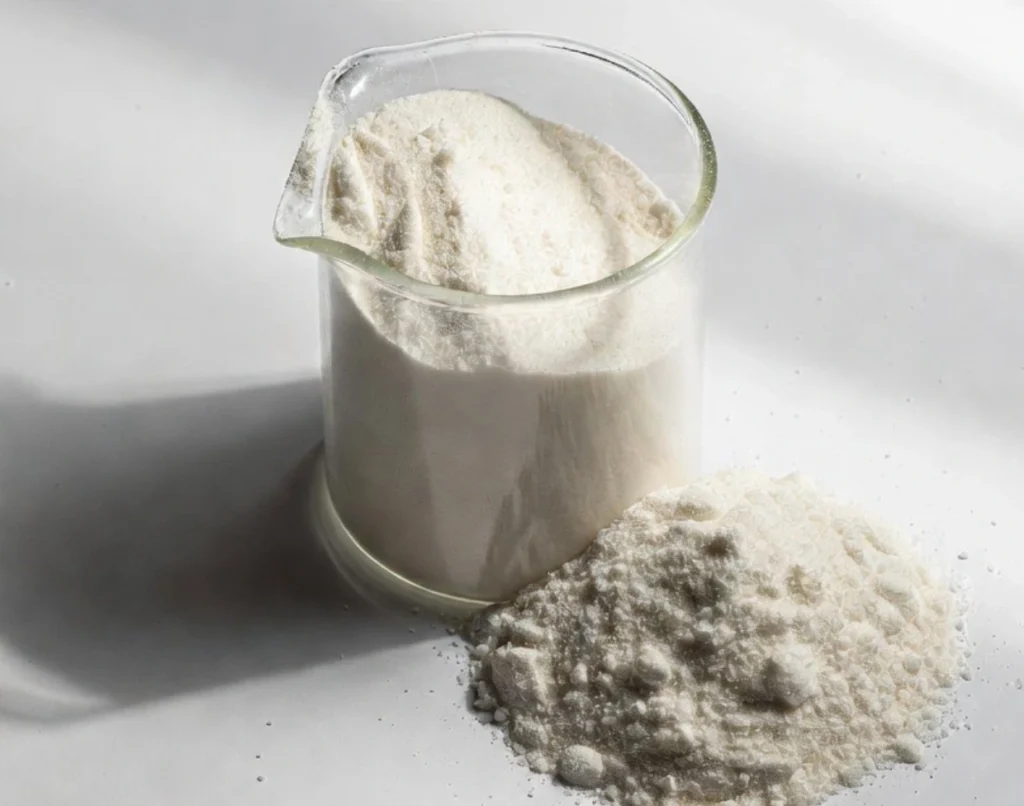
Make the Purchasing Decision With the Factory in Mind
Choosing a food grade potassium citrate Supplier should never be reduced to a spreadsheet containing three prices and a delivery date. For a serious food manufacturer, the supplier becomes part of the production system.
The right partner helps you secure the correct grade, maintain documentation, manage inventory, control landed cost, and respond when demand changes. MT Royal’s multi-brand sourcing model can be useful in that context, particularly for factories seeking competitive purchasing options without relying on a single commercial source.
Before your next purchase, ask a more demanding question than “Who has the lowest price?” Ask whether the supplier can still meet your specification when your monthly consumption doubles, whether its documentation will survive a customer audit, whether its logistics can handle an unexpected production increase, and whether an alternative brand is available if your first choice becomes constrained.
That is the difference between buying an ingredient and building a resilient raw-material supply chain. In food manufacturing, consistency is what keeps the production line moving—and a dependable supplier is one of the mechanisms that makes that consistency possible.



No comment