

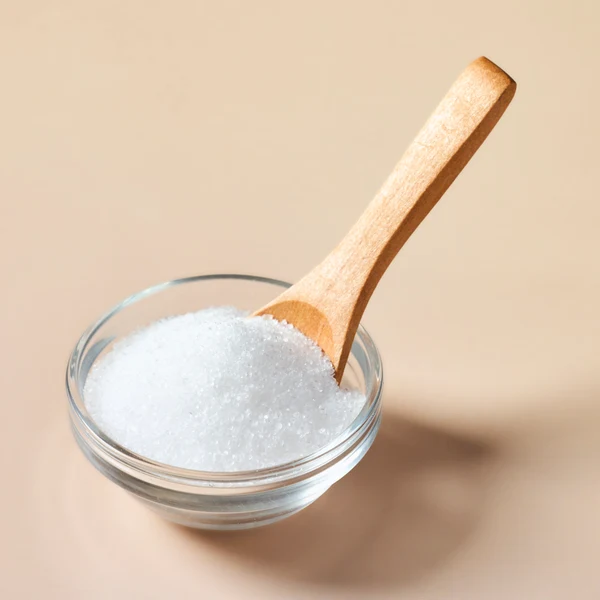
For factories and manufacturers, choosing the right Potassium Citrate Supplier & Distributor is not simply a matter of finding the lowest price per kilogram. The real purchasing decision involves purity, specification consistency, documentation, packaging, delivery reliability, regulatory suitability, and the supplier’s ability to maintain continuity when production volumes increase. That is why manufacturers evaluating potassium citrate should consider MT Royal as a practical sourcing partner, particularly when they need access to multiple brands, competitive pricing, and dependable supply coordination.
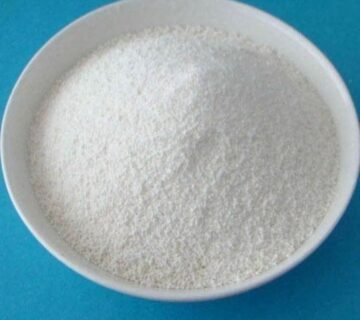
Potassium citrate is a deceptively simple ingredient. It may arrive at your warehouse as a white crystalline powder, but its effect on a production line can be anything but simple. A small variation in moisture, particle characteristics, purity, or solubility can influence formulation performance, processing behavior, and finished-product consistency. For this reason, the choice of potassium citrate distributor deserves the same attention you would give to any critical production input.
Food industry raw materials – list of products
LATAMARKO LM60 – Premium Spanish-Origin Cocoa Powder
What Is Potassium Citrate?
Potassium citrate is a potassium salt of citric acid, commonly used as an acidity regulator, buffering agent, stabilizer, and functional ingredient in industrial formulations. It is commonly identified as E332 in food applications. Depending on the specific chemical form and specification, potassium citrate may be supplied in different hydration states and grades.
For manufacturers, the distinction between chemical identity and commercial grade is important. Two products can both be called “potassium citrate” while differing in parameters that matter to your process.
Typical characteristics include:
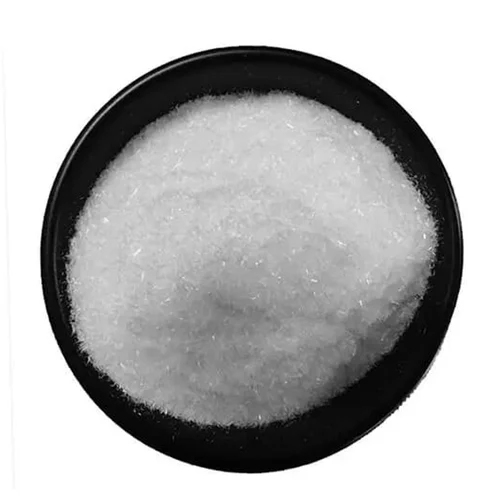
- White crystalline powder or crystals
- High water solubility
- Low odor
- Buffering capacity
- Ability to regulate acidity
- Potassium contribution to formulations
- Compatibility with numerous food, pharmaceutical, and industrial applications
For example, food-grade potassium citrate is used as an acidity regulator and buffering agent, while pharmaceutical-grade material may be subject to significantly more demanding quality and documentation requirements.
Some technical standards specify potassium citrate at a minimum assay of 99%, illustrating why purchasing teams should evaluate the complete specification rather than relying solely on a product name.
Why Potassium Citrate Matters in Industrial Production
The value of potassium citrate comes from its multifunctionality. A manufacturer may use it primarily for pH control, but the same ingredient can influence taste, stability, processing characteristics, or formulation performance.
Food and Beverage Manufacturing
In food production, potassium citrate can function as a buffering agent, acidity regulator, stabilizer, and emulsifying salt. Its ability to moderate changes in acidity makes it useful in products where pH directly affects flavor, texture, shelf stability, or processing behavior.
Applications can include:
- Beverages and drink powders
- Dairy and processed cheese
- Confectionery
- Processed foods
- Nutritional formulations
- Bakery products
- Certain low-acid or reduced-sodium formulations
U.S. regulations recognize potassium citrate as a food ingredient used under current good manufacturing practice, subject to applicable regulatory requirements.
Pharmaceutical Manufacturing
Potassium citrate also has important pharmaceutical applications, particularly in formulations where urinary alkalinization or potassium supplementation is relevant. Pharmaceutical procurement, however, should never assume that food-grade material is automatically appropriate for a medicinal formulation.
The required grade, pharmacopoeial compliance, impurity profile, traceability, and documentation must be matched to the finished product and the applicable market regulations.
Nutraceutical and Functional Products
The growth of functional nutrition has increased interest in mineral-based ingredients. Potassium citrate can be incorporated into electrolyte and mineral formulations where its chemical characteristics and potassium content are advantageous.
This creates an important sourcing lesson: the best potassium citrate supplier is not necessarily the company with the largest catalog. It is the supplier capable of matching the correct specification to the actual formulation.
What to Look for in a Potassium Citrate Supplier & Distributor
A professional procurement evaluation should go beyond price. Before approving a Potassium Citrate Supplier & Distributor, assess the following criteria.
1. Product Grade and Specification
Confirm exactly which grade you are purchasing. Depending on your application, you may need food-grade, pharmaceutical-grade, or another technically appropriate specification.
Review:
- Assay
- Moisture or loss on drying
- pH
- Heavy metals
- Specific impurities
- Solubility
- Particle characteristics
- Microbiological parameters where applicable
- Country of origin
- Shelf life
A certificate of analysis should correspond to the actual lot supplied rather than functioning as generic paperwork.
2. Batch-to-Batch Consistency
Consistency is one of the least glamorous and most valuable characteristics of an industrial raw material.
Suppose your formulation was optimized around a particular potassium citrate dissolution profile. If a replacement batch behaves differently, your production team may suddenly be adjusting mixing time, temperature, dosage, or pH. The purchasing department saved a few dollars; the production department acquired a headache.
In our collaboration with manufacturing environments, we have seen that raw-material consistency often matters more than a small difference in nominal purchase price.
3. Documentation and Traceability
For regulated industries, documentation is part of the product.
Depending on the application, you may need:
- Certificate of Analysis (CoA)
- Safety Data Sheet (SDS)
- Specification sheet
- Origin documentation
- Food safety documentation
- Allergen statements
- GMO statements
- Halal or Kosher documentation
- Export documentation
- Regulatory declarations
The exact requirements depend on the destination market and application, so procurement should establish the documentation checklist before issuing a purchase order.
4. Supply Capacity
A supplier that can deliver 500 kg is not automatically equipped to support a factory consuming 20 tons every month.
Ask about:
- Available stock
- Production capacity
- Lead times
- Minimum order quantities
- Container loading
- Regular shipment schedules
- Emergency replenishment
- Port and customs experience
MT Royal positions its potassium citrate and tripotassium citrate supply capabilities around both standard purchasing and larger-volume industrial requirements, including international delivery and supporting documentation.
Potassium Citrate Supplier vs. Distributor: What Is the Difference?
The terms “supplier” and “distributor” are sometimes used interchangeably, but they can represent different commercial models.
A manufacturer produces the chemical directly. A distributor purchases material from manufacturers and manages inventory, logistics, customer service, and market access.
For a factory, a capable distributor can offer an important advantage: supplier diversification.
Instead of depending entirely on one manufacturing source, a distributor such as MT Royal may be able to provide access to multiple brands and origins, allowing procurement teams to compare availability, specification, and price.
That flexibility becomes particularly valuable when:
- A preferred brand is temporarily unavailable.
- Freight costs change.
- A production schedule suddenly increases.
- A customer requires an alternative approved origin.
- Your factory needs to qualify a second source.
- Import conditions make one supply route less attractive.
The objective should not be to change brands casually. It should be to create a controlled sourcing strategy in which alternatives are qualified before they are urgently needed.
Common Mistakes When Buying Potassium Citrate
Even experienced purchasing teams can fall into predictable traps.
Buying Solely on Price
The cheapest quotation may not represent the lowest total cost.
Consider the broader equation:
Total landed cost = product price + freight + insurance + customs + handling + financing + quality-control cost + potential production losses
A lower-cost material that creates formulation problems can become expensive very quickly.
Ignoring Hydration State
Potassium citrate may be available in different forms, and the molecular weight and moisture characteristics can differ depending on hydration state. Procurement teams should therefore verify the exact chemical form rather than comparing quotations based only on the words “potassium citrate.”
Treating All Grades as Interchangeable
Food, pharmaceutical, and other technical grades should not be substituted without appropriate technical and regulatory review.
Failing to Qualify a Backup Supplier
A single-source strategy may appear efficient until the supplier misses a shipment. Then the factory discovers that “single source” also means “single point of failure.”
Ordering Too Late
Bulk chemicals are not always available on the same timeline as finished consumer goods. Lead times can be affected by manufacturing schedules, vessel availability, customs procedures, holidays, and port congestion.
A procurement system should therefore consider safety stock based on actual consumption and lead-time variability rather than using an arbitrary number of days.
How Manufacturers Can Compare Potassium Citrate Offers
When evaluating quotations from different suppliers, create a standardized technical-commercial comparison.
| Evaluation factor | What to verify |
|---|---|
| Product identity | Exact potassium citrate form |
| Grade | Food, pharmaceutical, or applicable technical grade |
| Assay | Minimum guaranteed purity |
| Moisture | Specification and test method |
| Impurities | Relevant limits and analytical method |
| Packaging | Bag type, liner, net weight |
| Shelf life | Remaining shelf life at delivery |
| Origin | Country and manufacturer |
| Documentation | CoA, SDS, regulatory documents |
| MOQ | Minimum order quantity |
| Lead time | Confirmed production and transit schedule |
| Price | Ex-works, FOB, CIF, or delivered basis |
| Payment | Agreed commercial terms |
| Logistics | Port, customs, and delivery arrangements |
This prevents procurement from comparing apples with oranges—or, in chemical purchasing terms, one specification with another that merely happens to have a similar label.
Specialized Tips for Large-Scale Production
Large factories should treat potassium citrate procurement as part of supply-chain engineering rather than routine purchasing.
Forecast Consumption
Use historical consumption plus production plans to create a rolling forecast. If your factory consumes 10 tons per month but periodically doubles output, a fixed monthly order may not be sufficient.
Establish Reorder Points
A practical reorder point can be calculated using:
Reorder Point = Average Daily Consumption × Lead Time + Safety Stock
For example, if a plant consumes 400 kg per day, has a 30-day effective lead time, and maintains 3,000 kg of safety stock, the reorder point would be approximately 15,000 kg.
The exact safety stock should reflect supplier reliability, demand variability, and the consequences of production interruption.
Conduct Incoming Quality Control
Do not assume that a reputable supplier eliminates the need for receiving inspection.
Depending on your quality system, incoming checks may include:
- Packaging integrity
- Lot number
- Appearance
- CoA verification
- Moisture
- Assay
- pH
- Solubility
- Selected impurity tests
Risk-based sampling is often more efficient than testing every parameter on every shipment.
Protect the Material During Storage
Potassium citrate can be affected by moisture exposure. Storage should therefore follow the product supplier’s recommended conditions, with appropriate protection from humidity, contamination, heat, and direct sunlight.
A cool, dry, ventilated storage environment and intact original packaging are common recommendations for potassium citrate.
For high-volume warehouses, seemingly minor storage issues can become surprisingly costly. A partially damaged pallet or repeatedly opened bag can introduce moisture into a material that your formulation team expected to remain stable.
Why Multi-Brand Sourcing Can Be an Advantage
One of the most useful capabilities of an experienced Potassium Citrate Supplier & Distributor is access to more than one qualified brand.
MT Royal works with multiple product sources and presents potassium citrate options intended for different industrial requirements. Its stated offering includes competitive pricing, high-volume supply, international logistics, and supporting documentation.
For procurement teams, this can create three advantages.
First, you gain negotiating flexibility. Second, you have greater resilience when one origin becomes constrained. Third, you can evaluate alternative products without rebuilding your entire supplier network from scratch.
However, multi-brand sourcing should be controlled. Your quality department should approve alternative brands before procurement treats them as equivalent.
Emerging Sourcing Trends Manufacturers Should Watch
The chemical and food-ingredient supply chain is increasingly moving toward more transparent, documented, and resilient procurement models.
Several trends are particularly relevant to potassium citrate buyers:
Greater Focus on Supply Resilience
Manufacturers are increasingly qualifying secondary sources rather than optimizing solely for the lowest purchase price.
More Detailed Supplier Audits
Quality teams are paying closer attention to traceability, manufacturing controls, documentation, and consistency.
Demand for Flexible Packaging and Logistics
Large buyers increasingly expect suppliers to accommodate different shipment sizes, delivery locations, and commercial terms.
Increased Importance of Regulatory Documentation
As products cross borders and enter more regulated markets, paperwork can become a commercial differentiator. A chemically suitable product that lacks the required documentation may be unusable for a particular customer or destination.
Frequently Asked Questions About Potassium Citrate Procurement
What is the main industrial use of potassium citrate?
Potassium citrate is widely used as an acidity regulator, buffering agent, stabilizer, and functional ingredient, particularly in food, beverage, pharmaceutical, and nutritional applications.
Is potassium citrate the same as citric acid?
No. Citric acid and potassium citrate are chemically different substances. Potassium citrate is a potassium salt of citric acid and has different buffering and formulation characteristics.
What purity should manufacturers require?
There is no single answer for every industry. The correct purity depends on the application, applicable regulations, and your internal product specification. Some food standards specify at least 99% assay for certain potassium citrate forms.
Can food-grade potassium citrate be used in pharmaceutical production?
Not automatically. Pharmaceutical manufacturing generally requires a grade and documentation package appropriate to the specific medicinal application and applicable pharmacopoeial or regulatory requirements.
What packaging is common for bulk potassium citrate?
Industrial potassium citrate is commonly supplied in moisture-protective bags, often with an inner liner. Packaging can vary by manufacturer, market, shipment size, and customer requirements.
How should I select between two brands?
Compare the full specification, CoA history, manufacturing consistency, documentation, price, lead time, packaging, and your own formulation performance. If the application is critical, conduct a controlled qualification trial before changing the approved source.
Can MT Royal supply large quantities?
MT Royal states that it supports high-volume potassium citrate and tripotassium citrate requirements, with international delivery, documentation, and competitive commercial options.
The Right Supplier Is Part of Your Production Strategy
For a factory, potassium citrate is not merely another line on a purchase order. It can influence formulation stability, product quality, regulatory compliance, inventory planning, and ultimately production continuity.
That is why choosing a Potassium Citrate Supplier & Distributor should begin with a technical question rather than a commercial one: Can this supplier consistently provide the exact material my process requires, in the quantity I need, with the documentation and logistics my factory depends on?
MT Royal can be considered within that evaluation because it offers potassium citrate sourcing across multiple brands and positions its service around competitive pricing, high-volume requirements, documentation, and international logistics.
For procurement managers, the smartest approach is to build a specification first, qualify the supplier second, and negotiate the price third. That sequence protects both your production line and your purchasing budget.
The best raw-material supplier is rarely the one with the loudest sales pitch. It is the one whose material arrives on specification, whose documents withstand scrutiny, whose logistics team understands your deadlines, and whose supply chain remains dependable when the factory is running at full capacity. In industrial manufacturing, that kind of reliability is not an accessory to the purchase—it is part of the product itself.


No comment