

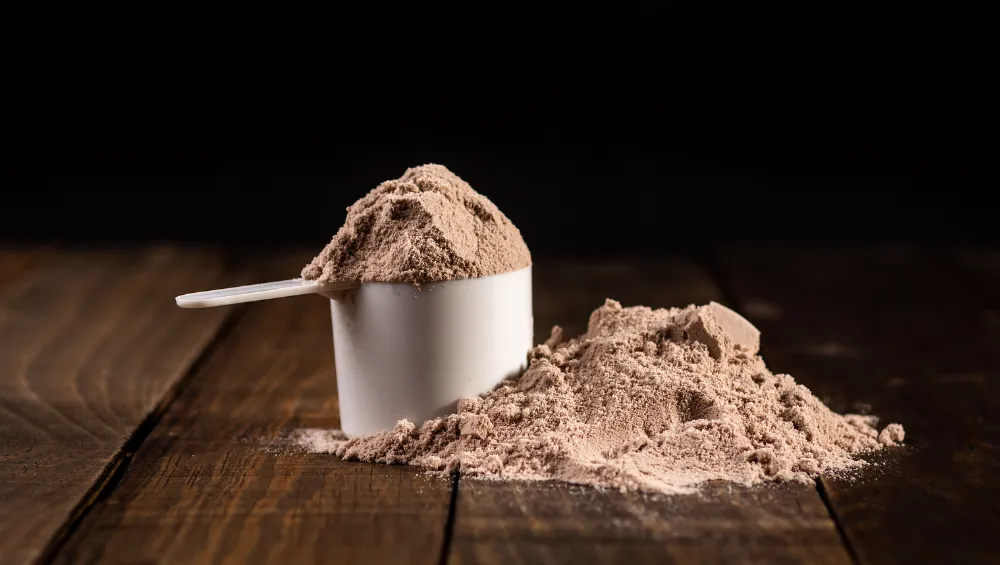
For factories and manufacturers searching for a dependable way to secure high-quality whey protein, choosing the right international supplier can directly influence production stability, product quality, and long-term profitability. Import whey protein to Sudan from TÜRKİYE has become an increasingly attractive option for businesses that need reliable nutrition ingredients, competitive pricing, and flexible supply solutions. MT Royal supports manufacturers by connecting them with trusted whey protein brands and offering sourcing options designed for industrial requirements.
The global demand for protein-based products continues to expand as consumers become more interested in sports nutrition, functional foods, dietary supplements, and high-protein beverages. For Sudanese manufacturers, this creates significant opportunities, but also introduces challenges: selecting the correct supplier, verifying quality standards, managing logistics, and ensuring that imported ingredients match production specifications. A factory cannot build a consistent product on inconsistent raw materials; even the most advanced production line becomes inefficient when the ingredient supply chain is unstable.
This guide explains the essential concepts behind whey protein sourcing, the advantages of importing from Türkiye, common industrial mistakes, practical procurement strategies, and the technical considerations that factory managers should evaluate before making purchasing decisions.
Understanding Whey Protein and Its Industrial Importance
Whey protein is a high-value dairy-derived ingredient obtained during cheese production. Once considered a simple by-product of the dairy industry, whey has transformed into one of the most important functional ingredients in modern food manufacturing.
It contains a complete amino acid profile, including high levels of essential amino acids and branched-chain amino acids (BCAAs), making it valuable for sports nutrition products, medical nutrition formulas, protein bars, beverages, and fortified foods.
For manufacturers, whey protein is not simply a nutritional ingredient. It is a production component that affects:
- Product texture and consistency
- Protein content claims
- Taste and consumer acceptance
- Shelf-life performance
- Manufacturing efficiency
- Final product positioning in the market
Different types of whey protein serve different industrial purposes. Choosing the wrong specification can create expensive problems during formulation.
LATAMARKO LM60 – Premium Spanish-Origin Cocoa Powder
latamarko alkalized cocoa powder lm60
cocoa powder for chocolate production-Best price
Food industry raw materials – list of products
Main Types of Whey Protein Used by Manufacturers
Whey Protein Concentrate (WPC)
Whey Protein Concentrate is one of the most widely used forms in industrial applications. It typically contains between 35% and 80% protein, depending on the grade.
WPC is popular because it provides:
- Balanced nutritional value
- Good solubility
- Cost efficiency
- Suitable performance in powders and beverages
Many factories producing protein supplements choose WPC because it offers a practical balance between quality and production cost.
Whey Protein Isolate (WPI)
Whey Protein Isolate undergoes additional filtration to achieve higher protein concentration, often above 90%.
It is commonly selected for premium products where manufacturers require:
- Very high protein purity
- Lower lactose content
- Cleaner nutritional labeling
- Advanced sports nutrition positioning
Although WPI has a higher purchase price, it can support higher-margin products.
Hydrolyzed Whey Protein
Hydrolyzed whey protein is processed using enzymes that partially break protein chains into smaller peptides. This improves digestibility and absorption speed.
It is often used in:
- Specialized nutrition products
- Recovery formulas
- Professional sports products
Selecting the correct whey protein category is one of the first decisions factories must make before beginning the import process.
Why Import Whey Protein to Sudan from TÜRKİYE?
Türkiye has developed a strong position in food manufacturing and ingredient supply due to its advanced dairy sector, geographic advantages, and connection between European, Asian, and Middle Eastern markets.
For Sudanese factories, sourcing from Türkiye can provide several practical advantages.
Strategic Location and Supply Chain Efficiency
Türkiye’s location creates a useful bridge between production regions and African markets. Compared with some distant sourcing destinations, Turkish suppliers can often provide more flexible shipping options and shorter commercial routes.
In industrial purchasing, time is not just a scheduling issue; it is money moving through warehouses, production lines, and customer orders. A delayed ingredient shipment can interrupt an entire manufacturing calendar.
Competitive Pricing and Multiple Brand Options
One important advantage of working with suppliers such as MT Royal is access to multiple whey protein brands and sourcing alternatives. Manufacturers can compare specifications, availability, and pricing rather than depending on a single limited option.
Competitive sourcing does not mean choosing the cheapest product available. The lowest price can sometimes become the most expensive decision if quality problems create rejected batches or customer complaints.
A professional supplier helps factories evaluate the complete value equation:
- Ingredient quality
- Brand reliability
- Documentation
- Shipping efficiency
- Price stability
- Long-term availability
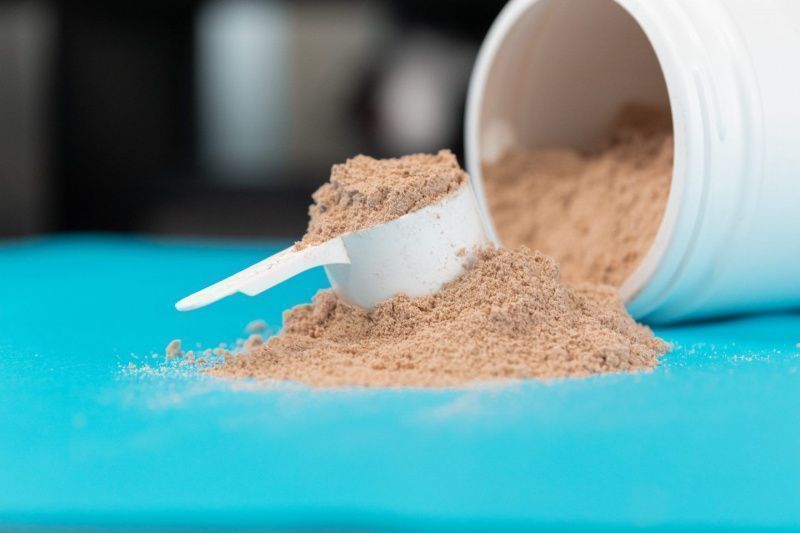
The Growing Market for Protein-Based Products in Sudan
The nutrition industry in many African markets is experiencing gradual expansion due to increased awareness of fitness, wellness, and functional nutrition. Sudanese manufacturers are exploring opportunities in:
- Protein powders
- Energy nutrition products
- Dairy-based beverages
- Functional food products
- Supplement manufacturing
Market analysts have consistently identified protein ingredients as one of the faster-growing categories within the global nutrition sector. The growth is supported by urbanization, rising interest in healthier lifestyles, and demand for convenient nutrition solutions.
For local manufacturers, this creates a chance to develop products adapted to regional consumer needs rather than relying entirely on imported finished goods.
How to Choose the Right Whey Protein Supplier
Selecting a supplier requires more than comparing quotations. Experienced procurement teams evaluate several layers of reliability.
Evaluate Technical Compatibility
Before ordering, confirm:
- Protein percentage
- Fat content
- Lactose level
- Moisture specification
- Solubility characteristics
- Flavor profile
- Packaging format
A whey protein that works perfectly in one formula may perform poorly in another. A beverage manufacturer and a powder supplement manufacturer may require completely different specifications.
Review Supplier Experience
A supplier experienced in international ingredient trade understands challenges such as:
- Export documentation
- Customs procedures
- Shipping conditions
- Batch consistency
- Market regulations
MT Royal works with manufacturers seeking practical sourcing solutions by providing access to different brands and helping buyers identify suitable options for their production goals.
Common Mistakes Factories Make When Importing Whey Protein
Even experienced manufacturers can face problems when procurement decisions focus only on price.
Mistake 1: Choosing Based Only on Cost
A cheaper whey protein may have differences in functionality, taste, or consistency. Saving a small amount per kilogram may not compensate for production losses caused by poor performance.
Mistake 2: Ignoring Storage Requirements
Whey protein is generally stable when stored correctly, but exposure to moisture, heat, or poor warehouse conditions can affect quality.
Factories should maintain:
- Dry storage areas
- Controlled warehouse conditions
- Proper inventory rotation
- Protection from contamination
A warehouse without proper controls can turn premium ingredients into expensive dust collectors.
Mistake 3: Failing to Test Before Large Orders
Large-volume purchasing without sample evaluation creates unnecessary risk.
Professional manufacturers often conduct:
- Laboratory testing
- Pilot production trials
- Taste evaluation
- Solubility checks
A small test batch can prevent a large commercial mistake.
Mistake 4: Neglecting Import Documentation
International ingredient sourcing requires attention to regulatory details. Missing certificates or incorrect paperwork can delay customs clearance and increase costs.
Practical Checklist Before Importing Whey Protein
Before confirming your order, review the following:
- Confirm the exact whey protein type required
- Request technical specifications
- Review supplier certifications
- Test samples in your formulation
- Confirm packaging size
- Calculate shipping costs
- Plan warehouse storage
- Verify import requirements
- Establish a reorder schedule
This checklist helps transform purchasing from a simple transaction into a controlled supply strategy.
Specialized Tips for Large-Scale Production
Factories operating at industrial scale should approach whey protein sourcing as part of their production engineering system.
Build a Long-Term Supply Plan
Large manufacturers benefit from predictable purchasing cycles. Instead of waiting until inventory becomes critically low, procurement teams should establish reorder points based on:
- Monthly consumption
- Production capacity
- Shipping timelines
- Market demand
We have seen in our collaboration with various factories that the most successful purchasing teams treat ingredients as strategic assets rather than ordinary supplies.
Maintain Supplier Diversification
Depending on a single source can create vulnerability. Market changes, transportation issues, or production limitations can affect availability.
A strong sourcing strategy may include:
- Primary supplier relationships
- Alternative brand options
- Backup purchasing channels
This approach keeps production moving even when unexpected challenges appear.
Match Ingredient Selection With Final Product Goals
Manufacturers should consider the final consumer experience.
For example:
A premium athlete-focused product may prioritize high protein purity.
A mass-market nutrition product may prioritize cost efficiency and acceptable nutritional performance.
A beverage manufacturer may require excellent solubility and smooth texture.
The ingredient choice should support the product strategy, not simply the purchasing budget.
Why Turkish Whey Protein Suppliers Are Gaining Attention
Türkiye’s food industry benefits from modern production facilities, experienced exporters, and strong connections with international markets.
Many buyers looking to Import whey protein to Sudan from TÜRKİYE consider Turkish suppliers because they offer a combination of:
- Regional accessibility
- International trade experience
- Competitive commercial conditions
- Variety of available brands
MT Royal’s role in this market is focused on helping manufacturers identify suitable whey protein options from reliable brands while supporting efficient purchasing decisions.
Frequently Asked Questions From Factory Managers
Is importing whey protein from Türkiye suitable for large factories?
Yes. Many industrial buyers choose international sourcing because it provides access to specialized ingredients, competitive pricing, and broader product options. Large factories should evaluate supplier capacity, documentation, and consistency before establishing regular purchases.
Which whey protein type is best for manufacturing?
The best option depends on your product category. WPC is commonly selected for balanced cost and performance, while WPI is preferred for premium high-protein products. The correct choice depends on formulation requirements.
How can a factory reduce import risks?
Factories can reduce risks by testing samples, reviewing documentation, maintaining supplier relationships, and planning inventory carefully.
Does the cheapest supplier always provide the best value?
No. Industrial value depends on quality consistency, reliability, documentation, and total production impact. A slightly higher ingredient cost may create better profitability if it improves product performance.
Can suppliers provide different whey protein brands?
Many professional ingredient suppliers offer multiple brands to meet different technical and budget requirements. MT Royal provides access to various whey protein brands so manufacturers can compare suitable options.
What information should procurement teams request before ordering?
Procurement teams should request product specifications, certificates, batch information, pricing details, packaging information, and shipping terms.
Future Trends in Whey Protein Manufacturing
The whey protein industry continues to evolve. Several trends are influencing manufacturers worldwide:
Clean Label Nutrition
Consumers increasingly want simple ingredient lists and transparent product information. Manufacturers are responding by selecting ingredients that support clearer nutritional positioning.
Functional Nutrition Growth
Protein is moving beyond traditional sports products. It is increasingly used in everyday nutrition products designed for general wellness.
Advanced Processing Technologies
Improved filtration and processing methods continue to enhance protein functionality, taste, and application possibilities.
Regional Manufacturing Expansion
Countries that previously depended heavily on imported finished products are increasingly exploring local production. This creates opportunities for factories that can secure dependable ingredient supply chains.
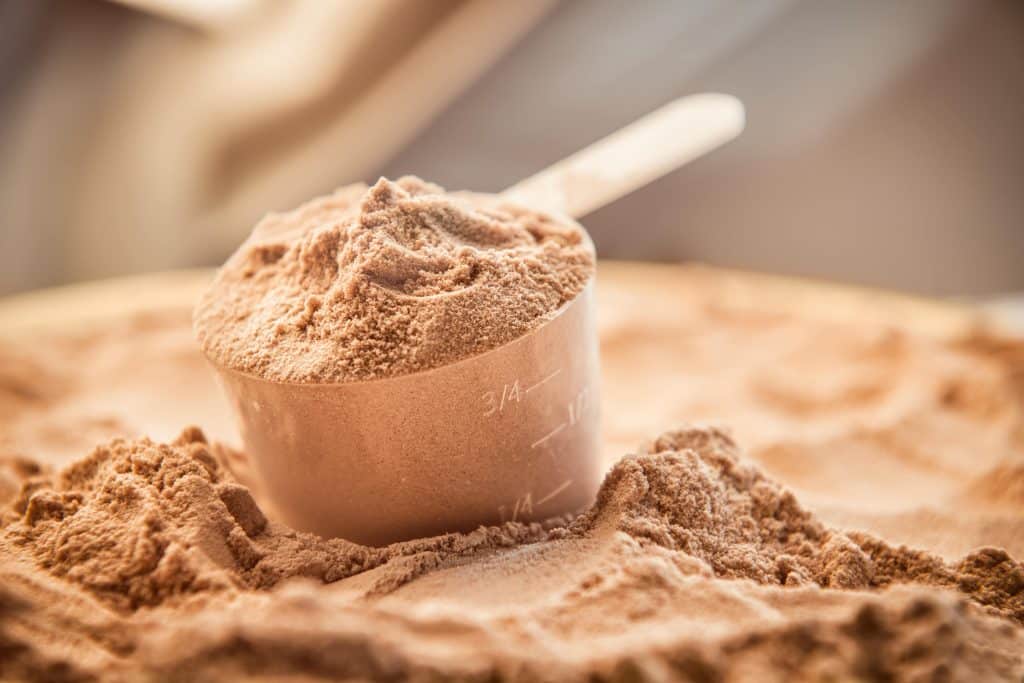
Building a Reliable Future Through Smart Ingredient Sourcing
Import whey protein to Sudan from TÜRKİYE is not simply a purchasing decision; it is a strategic choice that influences product quality, manufacturing efficiency, and market competitiveness. Factories that approach sourcing professionally can create stronger brands, reduce operational uncertainty, and respond faster to consumer demand.
The difference between an average supplier relationship and a valuable industrial partnership is often found in the details: accurate specifications, reliable communication, consistent quality, and a clear understanding of manufacturing goals.
We believe successful sourcing begins when suppliers understand the factory’s challenges, not just the factory’s order quantity. When ingredient decisions are based on technical knowledge and long-term planning, whey protein becomes more than a raw material; it becomes a foundation for innovation and growth.
For manufacturers exploring new opportunities in nutrition production, selecting the right partner for whey protein supply can be the decision that separates temporary production from sustainable success. The strongest factories are not built only with machines and formulas—they are built with dependable supply chains that keep every production cycle moving forward.

No comment