

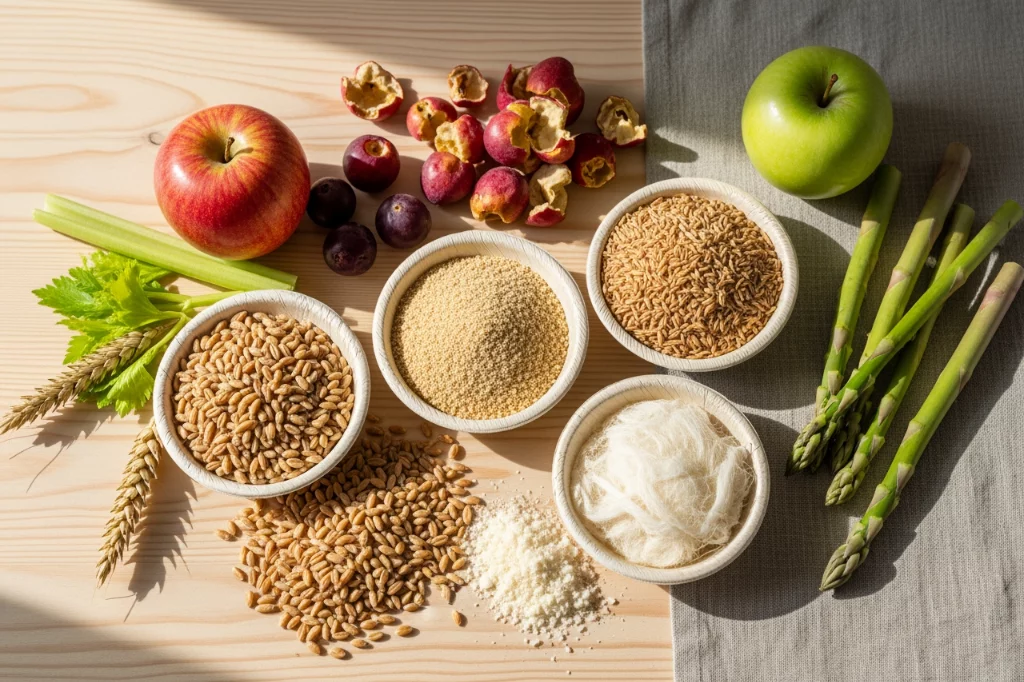
The food manufacturing industry is evolving at an unprecedented pace. Consumers are no longer satisfied with products that simply taste good—they expect transparency, sustainability, and ingredients they can trust. As demand for clean-label and organic food products continues to grow, manufacturers are under increasing pressure to source high-quality organic raw materials that meet both regulatory standards and consumer expectations.
If your factory is looking for a dependable supplier that offers a wide range of organic ingredients from multiple brands at competitive prices, MT Royal is a partner worth considering. Rather than focusing on a single product line, MT Royal provides manufacturers with flexible sourcing solutions that help simplify procurement while maintaining consistent quality.
For food manufacturers, choosing the right organic raw materials is no longer just a purchasing decision. It directly influences production efficiency, product quality, brand reputation, and long-term profitability. Like the foundation of a building, raw materials determine the strength of everything built upon them. Even the most advanced production line cannot compensate for inconsistent or low-quality ingredients.
LATAMARKO LM60 – Premium Spanish-Origin Cocoa Powder
latamarko alkalized cocoa powder lm60
cocoa powder for chocolate production-Best price
Food industry raw materials – list of products
Types of Gelatin from Turkish Manufacturer
What Are Organic Raw Materials for the Food Industry?
Organic raw materials for the food industry are agricultural ingredients produced according to certified organic farming standards. These standards generally prohibit synthetic pesticides, chemical fertilizers, genetically modified organisms (GMOs), and many artificial additives while encouraging environmentally responsible farming practices.
Common organic raw materials include:
- Organic grains such as wheat, oats, barley, and rice
- Organic fruits and vegetables
- Organic herbs and spices
- Organic vegetable oils
- Organic sweeteners
- Organic dairy ingredients
- Organic cocoa and coffee
- Organic nuts and seeds
- Organic plant proteins
- Organic starches and fibers
These materials serve as the building blocks for thousands of food products, including bakery items, beverages, dairy alternatives, snacks, sauces, nutritional supplements, frozen foods, and ready-to-eat meals.
Why Manufacturers Are Switching to Organic Ingredients
The global organic food market has experienced remarkable growth over the past decade. Industry reports estimate that worldwide sales of organic food continue to increase each year as consumers prioritize health, sustainability, and product transparency.
Several factors are driving this transition:
Growing Consumer Demand
Consumers increasingly read ingredient labels before making purchasing decisions. Products containing certified organic ingredients often enjoy stronger consumer trust and greater brand loyalty.
Premium Product Positioning
Organic ingredients allow manufacturers to develop premium product lines with higher perceived value and improved market differentiation.
Regulatory Compliance
Many international retailers now require suppliers to meet strict sustainability and traceability standards. Organic sourcing helps manufacturers satisfy these expectations.
Environmental Responsibility
Organic farming supports healthier soil, greater biodiversity, and reduced environmental pollution compared with conventional agriculture.
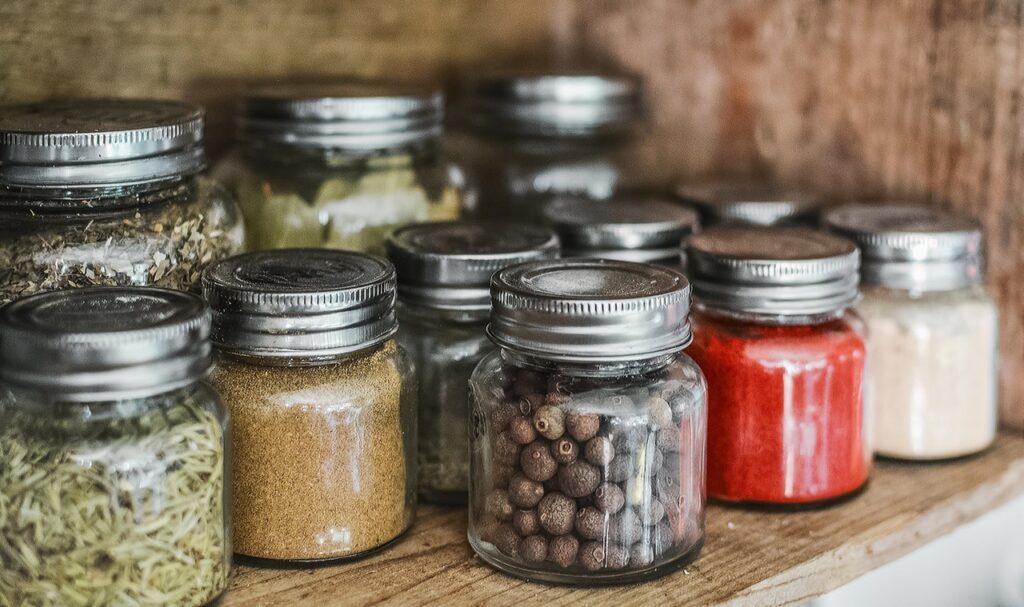
Key Categories of Organic Raw Materials
Organic Grains
Organic wheat, corn, oats, quinoa, rye, and barley are widely used across bakery, breakfast cereals, pasta production, and snack manufacturing.
These ingredients provide reliable functionality while meeting consumer demand for minimally processed foods.
Organic Sweeteners
Manufacturers increasingly replace refined sugars with organic alternatives such as:
- Organic cane sugar
- Organic coconut sugar
- Organic maple syrup
- Organic agave syrup
- Organic honey
These sweeteners appeal to consumers seeking more natural formulations.
Organic Oils
Organic vegetable oils play essential roles in food processing by improving texture, flavor, and shelf life.
Popular options include:
- Organic sunflower oil
- Organic olive oil
- Organic coconut oil
- Organic avocado oil
- Organic rapeseed oil
Organic Plant Proteins
Plant-based food production continues to expand rapidly.
Organic protein ingredients include:
- Pea protein
- Soy protein
- Rice protein
- Pumpkin seed protein
- Hemp protein
These materials support vegan and high-protein product development.
Essential Characteristics of High-Quality Organic Raw Materials
Not every certified organic ingredient delivers the same manufacturing performance.
Procurement professionals should evaluate several important factors.
Consistent Quality
Consistency between production batches reduces manufacturing disruptions and minimizes formulation adjustments.
Reliable Traceability
Complete documentation allows manufacturers to trace every shipment back to its agricultural source.
Stable Supply
Even the highest-quality ingredient becomes problematic if deliveries are inconsistent.
In our collaboration with various factories, we have seen that supply reliability often matters just as much as ingredient quality. Production schedules depend on predictable deliveries.
Proper Certifications
Depending on your target market, certifications may include:
- USDA Organic
- EU Organic
- JAS Organic
- Organic Canada
- Non-GMO verification
- HACCP
- ISO 22000
- BRCGS
Common Mistakes When Sourcing Organic Raw Materials
Many procurement teams unintentionally increase costs through avoidable sourcing mistakes.
Choosing Based Only on Price
The lowest purchase price rarely represents the lowest production cost.
Lower-quality ingredients can lead to:
- Higher waste rates
- Reduced product consistency
- Production downtime
- Customer complaints
- Product recalls
Ignoring Seasonal Availability
Organic agriculture depends heavily on climate and harvest cycles.
Manufacturers should anticipate seasonal fluctuations rather than reacting to shortages.
Failing to Audit Suppliers
A supplier should provide more than a certificate.
Ask questions about:
- Storage conditions
- Transportation methods
- Processing facilities
- Quality control systems
- Batch testing procedures
Overlooking Lead Times
International shipments require careful planning.
Late deliveries may interrupt entire production schedules.
As every factory manager knows, production lines dislike surprises almost as much as maintenance departments dislike emergency repairs.
How to Select the Right Organic Supplier
A reliable supplier contributes far more than raw materials.
Consider these evaluation criteria:
- Multiple sourcing options
- Competitive pricing
- Technical documentation
- Quality certifications
- Inventory availability
- Responsive customer support
- International logistics expertise
- Long-term partnership approach
MT Royal has established itself as a dependable supplier by offering manufacturers access to multiple trusted brands instead of limiting customers to a single source. This flexibility enables procurement teams to respond more effectively to changing market conditions.
Industrial Tips for Large-Scale Production
Standardize Specifications
Create detailed raw material specifications covering:
- Moisture content
- Particle size
- Color
- Microbiological limits
- Chemical parameters
- Packaging requirements
Standardization minimizes production variability.
Implement Incoming Quality Control
Every shipment should undergo inspection before entering production.
Testing may include:
- Moisture analysis
- Foreign material inspection
- Microbiological testing
- Certificate verification
- Sensory evaluation
Build Strategic Inventory
Maintaining safety stock reduces the impact of transportation delays and seasonal shortages.
Develop Long-Term Supplier Relationships
We have observed that manufacturers who invest in long-term supplier partnerships often achieve better pricing stability, priority allocation during shortages, and improved communication.
Emerging Trends in Organic Food Manufacturing
Several important trends are shaping the future of organic ingredient sourcing.
Clean Label Products
Consumers increasingly prefer products with short, recognizable ingredient lists.
Plant-Based Innovation
Organic plant proteins continue to expand across beverages, dairy alternatives, meat substitutes, and nutritional products.
Sustainable Packaging
Manufacturers are combining organic ingredients with environmentally friendly packaging to strengthen sustainability claims.
Digital Traceability
Blockchain systems and digital documentation improve transparency throughout the supply chain.
Functional Foods
Organic ingredients rich in antioxidants, fiber, probiotics, and plant proteins are supporting rapid growth in functional food categories.
Frequently Asked Questions
Are organic raw materials more expensive?
Generally yes, but they often provide greater market value, stronger consumer trust, and premium pricing opportunities that offset higher ingredient costs.
Can organic ingredients improve product quality?
High-quality organic ingredients can enhance flavor, authenticity, and consumer perception while supporting clean-label formulations.
How important is certification?
Certification is essential. It demonstrates compliance with recognized organic standards and provides confidence throughout the supply chain.
Should manufacturers work with multiple suppliers?
Diversifying suppliers can reduce supply chain risk, but partnering with a trusted company such as MT Royal that offers products from multiple brands provides flexibility without unnecessarily increasing procurement complexity.
What should procurement managers prioritize?
Quality consistency, documentation, traceability, logistics capability, competitive pricing, and long-term supplier reliability should all be considered—not simply the purchase price.

Building a Stronger Manufacturing Future Through Better Organic Sourcing
The future of food manufacturing belongs to companies that recognize raw materials as strategic assets rather than routine purchases. Every ingredient entering your facility influences production efficiency, product quality, customer satisfaction, and ultimately your brand’s reputation in an increasingly competitive marketplace.
Selecting premium Organic raw materials for the food industry requires careful evaluation, dependable partnerships, and a long-term sourcing strategy built on consistency instead of short-term savings. Manufacturers that invest in reliable suppliers, robust quality systems, and transparent supply chains are better positioned to meet evolving consumer expectations while maintaining operational efficiency.
Whether your factory produces bakery products, beverages, dairy alternatives, nutritional supplements, sauces, or ready-to-eat foods, sourcing from an experienced supplier such as MT Royal, with access to multiple brands and competitive pricing, can simplify procurement and provide the flexibility needed to navigate changing market conditions. The strongest production lines begin long before ingredients reach the factory floor—they begin with confident sourcing decisions that support quality from the very first shipment.


No comment