

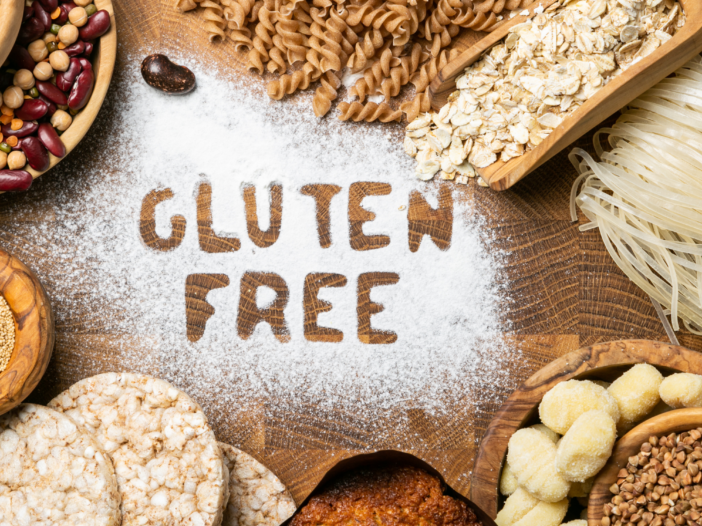
Choosing the right Gluten-free food raw materials suppliers is one of the most important decisions a food manufacturer can make. For factories producing bakery products, snacks, ready meals, nutritional foods, and specialty diets, raw material quality directly affects product consistency, consumer trust, and long-term profitability. Working with an experienced partner such as MT Royal can help manufacturers access multiple brands, competitive pricing structures, and a broader selection of industrial ingredients while reducing the complexity of global sourcing.
The gluten-free market has moved far beyond a niche category. Today, it represents a significant manufacturing opportunity driven by increasing consumer awareness, diagnosed gluten-related conditions, lifestyle choices, and demand for cleaner-label products. However, producing reliable gluten-free products requires more than simply removing wheat from a recipe. It requires carefully selected ingredients, controlled supply chains, strong documentation, and suppliers who understand industrial production realities.
For factories, sourcing is not just about finding ingredients at the lowest price. A supplier who cannot maintain quality standards, delivery schedules, and technical support can create expensive production interruptions. One delayed shipment of a critical starch or protein ingredient can stop an entire production line, leaving expensive equipment waiting and production teams searching for solutions.
This guide explains what manufacturers should know when evaluating Gluten-free food raw materials suppliers, including sourcing strategies, common mistakes, technical considerations, and practical methods for building a dependable ingredient supply network.
LATAMARKO LM60 – Premium Spanish-Origin Cocoa Powder
latamarko alkalized cocoa powder lm60
cocoa powder for chocolate production-Best price
Food industry raw materials – list of products
Types of Gelatin from Turkish Manufacturer
Understanding Gluten-Free Food Raw Materials and Their Industrial Role
Gluten-free food raw materials are ingredients that do not contain gluten proteins naturally or have been processed under controlled conditions to prevent gluten contamination. Gluten is a group of proteins mainly found in wheat, barley, and rye. These proteins provide elasticity and structure in traditional baked goods, which means manufacturers must carefully select alternatives when developing gluten-free products.
For industrial food production, gluten-free raw materials include a wide range of ingredients:
- Rice flour and rice-based ingredients
- Corn starch and modified starches
- Potato starch
- Tapioca starch
- Buckwheat flour
- Chickpea flour
- Pea protein
- Soy protein
- Xanthan gum and other hydrocolloids
- Gluten-free oats
- Fiber ingredients
- Natural sweeteners
- Specialty baking blends
Unlike conventional production, gluten-free manufacturing often requires a more technical approach because removing gluten changes the physical behavior of the final product. Texture, moisture retention, shelf life, and sensory performance must usually be rebuilt through ingredient combinations.
A professional supplier does not simply deliver bags of powder or containers of ingredients. The right partner provides access to technical knowledge, documentation, batch consistency, and market insight.

Why Choosing the Right Gluten-free food raw materials suppliers Matters for Factories
Manufacturers often underestimate how strongly raw materials influence production efficiency. A recipe may appear stable during laboratory trials but behave differently when produced at industrial scale. This is where experienced Gluten-free food raw materials suppliers become valuable.
Reliable suppliers help factories address several critical areas:
Quality Control and Product Consistency
Large-scale food production depends on predictable ingredients. A flour with slightly different moisture content or a starch with inconsistent functionality can change mixing behavior, baking performance, or finished product texture.
Professional suppliers typically provide:
- Certificate of Analysis (COA)
- Allergen statements
- Technical specifications
- Origin information
- Microbiological testing records
- Traceability documentation
These documents allow manufacturers to maintain food safety systems and respond quickly if quality concerns appear.
Regulatory Compliance
The gluten-free category is highly regulated in many markets. Manufacturers selling internationally must understand labeling requirements, contamination thresholds, and documentation expectations.
A knowledgeable supplier helps factories reduce regulatory risks by maintaining clear ingredient records and supporting compliance processes.
Supply Chain Stability
Food factories operate on schedules. A production manager cannot simply tell customers that a product launch is delayed because an ingredient shipment arrived late.
A strong supplier network improves:
- Production planning
- Inventory management
- Cost forecasting
- Product development timelines
MT Royal works with multiple brands and ingredient sources, allowing manufacturers to evaluate different options based on availability, pricing, and technical requirements rather than depending on a single supply channel.
The Growing Industrial Demand for Gluten-Free Ingredients
The demand for gluten-free products continues to expand globally. Market research organizations have reported strong growth expectations for gluten-free foods, supported by increased awareness of celiac disease, gluten sensitivity, and demand for alternative nutrition products.
Several trends are shaping ingredient sourcing:
Clean Label Manufacturing
Consumers increasingly want products with recognizable ingredients. This has encouraged manufacturers to explore natural starches, plant-based proteins, and minimally processed ingredients.
Plant-Based Nutrition
The growth of plant-based foods has increased demand for ingredients such as pea protein, chickpea flour, and other functional plant ingredients.
Premium Specialty Products
Gluten-free products are no longer limited to basic substitutes. Manufacturers now create premium breads, desserts, protein snacks, frozen foods, and functional nutrition products.
Global Flavor Development
Factories are experimenting with regional grains and alternative ingredients, creating demand for suppliers with broader international sourcing capabilities.
The gluten-free industry is becoming more sophisticated, and manufacturers need suppliers who understand both traditional food science and modern consumer expectations.
Key Ingredient Categories Supplied by Gluten-Free Raw Material Partners
Selecting ingredients requires understanding their technical purpose. Each raw material plays a different role in formulation.
Gluten-Free Flours
Gluten-free flours create the foundation of many products. Rice flour remains popular because of its neutral flavor and versatility, while chickpea and buckwheat flours provide stronger nutritional profiles.
Manufacturers should evaluate:
- Particle size
- Protein content
- Moisture level
- Flavor characteristics
- Milling quality
A flour supplier should understand that industrial production requires more than acceptable laboratory results. The ingredient must perform consistently across thousands of kilograms of production.
Functional Starches
Starches are essential in gluten-free manufacturing because they help replace some functions normally provided by gluten.
Common choices include:
- Tapioca starch for elasticity and softness
- Potato starch for moisture retention
- Corn starch for structure improvement
- Modified starches for industrial stability
Selecting the wrong starch can create products that are dry, fragile, or unpleasantly dense. Ingredient selection is a little like choosing construction materials: the strongest option is not always the best option for every building.
Plant-Based Proteins
Protein ingredients improve nutritional value and product positioning. Pea protein, rice protein, and other plant-based proteins are increasingly used in snacks, beverages, and meal replacement products.
However, protein ingredients may influence:
- Taste
- Color
- Solubility
- Processing conditions
Factories should work closely with suppliers to understand these technical effects before full-scale production.
Hydrocolloids and Texture Solutions
Gluten provides natural binding properties. Without it, manufacturers often use hydrocolloids such as xanthan gum, guar gum, or other texture-enhancing ingredients.
The correct dosage is critical. Too little may create weak structure, while too much can produce undesirable texture.
Common Mistakes When Choosing Gluten-free food raw materials suppliers
Even experienced procurement teams can make sourcing mistakes. Avoiding these problems can save significant time and money.
Selecting Suppliers Based Only on Price
The cheapest ingredient is not always the most economical choice. A lower-cost material that creates production problems may increase total expenses through waste, downtime, and reformulation.
Manufacturers should evaluate total value, including:
- Ingredient performance
- Reliability
- Technical assistance
- Documentation quality
- Delivery capability
Ignoring Cross-Contamination Risks
A supplier may offer a naturally gluten-free ingredient, but processing conditions matter. Shared equipment, storage practices, and transportation procedures can introduce contamination risks.
Factories should ask detailed questions about:
- Production environment
- Cleaning procedures
- Allergen management
- Testing frequency
Failing to Test Ingredients at Production Scale
A common mistake is approving ingredients based only on laboratory samples. Industrial conditions are different. Mixing speeds, equipment design, temperature control, and production volumes can influence results.
Pilot production trials are essential before committing to large orders.
Treating Suppliers as Simple Vendors
The strongest manufacturing relationships are collaborative. Suppliers can provide valuable insights about ingredient trends, alternative materials, and cost optimization.
We have seen that factories achieve better results when procurement teams involve suppliers early during product development instead of contacting them only after formulation problems appear.
Practical Checklist for Evaluating Gluten-Free Ingredient Suppliers
Before choosing a supplier, manufacturers should consider the following:
Product Range
Does the supplier provide multiple ingredient categories?
A broader portfolio allows factories to simplify purchasing and develop more product variations.
Quality Documentation
Check whether the supplier provides:
- Food safety certificates
- Ingredient specifications
- Batch testing information
- Traceability records
Technical Support
A supplier with technical expertise can help solve formulation challenges.
Supply Capacity
Large factories need confidence that suppliers can support increasing demand.
Communication Quality
Fast, accurate communication is essential in international sourcing.
A supplier relationship should function like a well-maintained production machine: every component needs to work smoothly.
Industrial Tips for Large-Scale Gluten-Free Production
Manufacturers operating at high volumes need more advanced sourcing strategies.
Develop Multiple Ingredient Sources
Depending on one supplier for a critical ingredient creates unnecessary risk. A backup sourcing plan can protect production during shortages or market changes.
Forecast Demand Carefully
Gluten-free ingredients may experience price fluctuations due to agricultural conditions, transportation costs, and global demand.
Accurate forecasting helps factories negotiate better purchasing agreements.
Maintain Ingredient Performance Records
Factories should track how different batches perform during production. Recording data helps identify trends and prevents repeated quality issues.
Important measurements may include:
- Absorption rate
- Texture performance
- Processing behavior
- Finished product stability
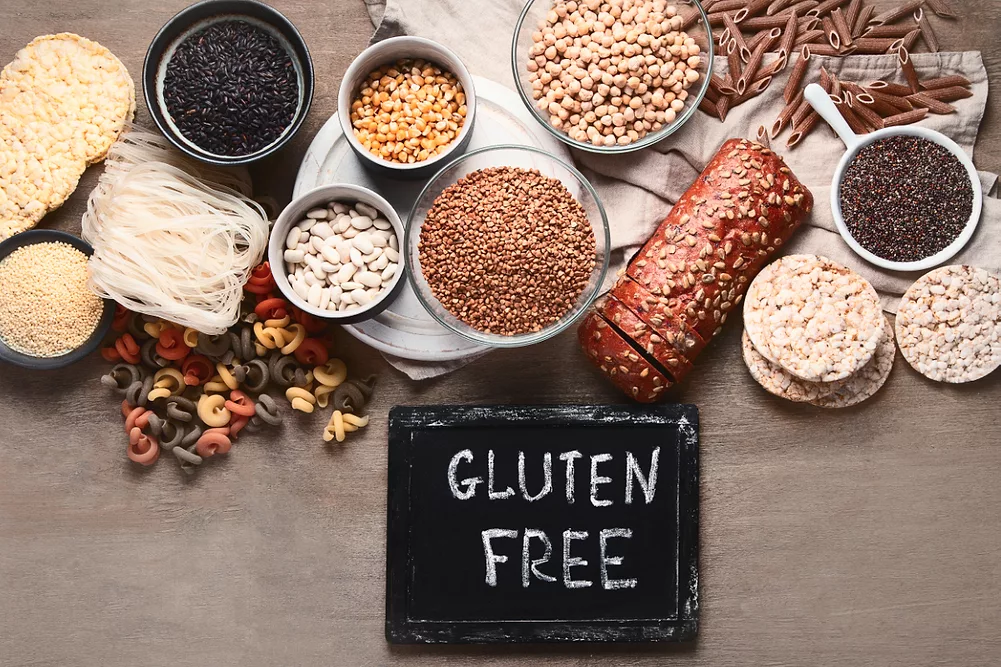
The Role of MT Royal in Industrial Ingredient Sourcing
For manufacturers searching for dependable ingredient solutions, MT Royal provides access to multiple brands and competitive pricing options while supporting businesses with professional sourcing experience.
The advantage of working with a supplier that understands different markets is flexibility. Factories can compare ingredient solutions based on technical performance, availability, and commercial requirements instead of relying on a limited product range.
We have worked with manufacturers who needed to balance cost control with strict quality expectations, and the most successful projects usually involved detailed communication about production goals from the beginning.
MT Royal’s approach focuses on helping factories identify suitable raw material options while considering practical manufacturing challenges such as supply continuity, documentation requirements, and product development needs.
Future Trends in Gluten-Free Raw Material Sourcing
The future of gluten-free manufacturing will likely focus on innovation, sustainability, and functionality.
Several developments are expected to influence suppliers and factories:
Sustainable Ingredient Production
Manufacturers are increasingly interested in environmentally responsible sourcing, including efficient farming practices and reduced waste.
Functional Nutrition
Gluten-free products are moving toward higher nutritional value, including added protein, fiber, vitamins, and minerals.
Advanced Ingredient Technology
New processing methods are improving the performance of alternative grains, starches, and plant proteins.
Regional Supply Networks
Companies are exploring more diversified sourcing models to reduce dependency on single geographic regions.
Factories that adapt early will have stronger competitive advantages as consumer expectations continue changing.
Frequently Asked Questions About Gluten-Free Raw Material Suppliers
What should manufacturers look for in Gluten-free food raw materials suppliers?
Manufacturers should evaluate ingredient quality, documentation, production capacity, technical support, pricing, and supply reliability. A good supplier should support long-term manufacturing goals rather than only complete individual orders.
Are gluten-free ingredients automatically safe for people with celiac disease?
Not always. Ingredients must be controlled throughout production, handling, and transportation. Manufacturers should verify certification and contamination prevention procedures.
Which gluten-free ingredients are most commonly used in industrial production?
Rice flour, tapioca starch, potato starch, corn starch, plant proteins, and hydrocolloids are among the most widely used materials.
How can factories reduce gluten-free production costs?
Cost reduction can come from better forecasting, supplier partnerships, optimized formulations, reduced waste, and selecting ingredients based on total production value rather than purchase price alone.
Why are technical specifications important when purchasing ingredients?
Technical specifications ensure that ingredients perform consistently during manufacturing. They help factories maintain quality across different production batches.
Can suppliers help with new product development?
Many experienced suppliers provide formulation guidance, ingredient recommendations, and technical support during development stages.
Building a Stronger Future Through Smarter Ingredient Decisions
The success of gluten-free manufacturing depends on decisions made long before a product reaches store shelves. Behind every reliable gluten-free snack, bakery item, or nutritional product is a carefully managed supply chain built around quality ingredients and dependable partnerships.
Choosing the right Gluten-free food raw materials suppliers allows factories to improve consistency, reduce operational risks, and respond faster to market opportunities. The best supplier relationships are not simply transactions; they are strategic connections that help manufacturers innovate and grow.
As the gluten-free market continues expanding, companies that invest in stronger sourcing strategies will be better positioned to compete. MT Royal offers manufacturers a practical pathway to explore multiple brands, competitive solutions, and professional ingredient sourcing support.
The future of gluten-free production will belong to factories that treat raw materials as a foundation for success rather than just another purchasing category. The right ingredient partner can become one of the most valuable assets in building products that customers trust and production teams can manufacture with confidence.



No comment