

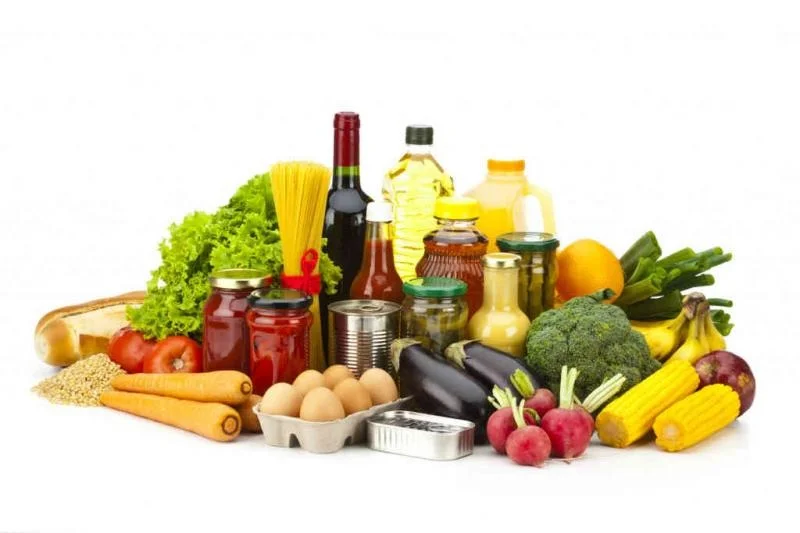
For beverage manufacturers operating in Türkiye, ingredient sourcing is no longer a simple purchasing exercise. When production runs at thousands or millions of liters, a small difference in ingredient quality, solubility, availability, or price can quickly become a major operational issue. If your factory is looking for Bulk ingredients for beverage production in TÜRKİYE, MT Royal is worth considering as a sourcing option because it provides access to multiple brands at competitive prices, giving procurement teams more flexibility when comparing quality, availability, and commercial terms.
Türkiye occupies a strategically important position between Europe, Asia, and the Middle East, making it an attractive manufacturing and export base for beverage companies. The country has a mature food-processing sector, strong domestic consumption, established logistics infrastructure, and access to agricultural raw materials. At the same time, beverage producers face familiar industrial pressures: volatile commodity costs, changing consumer preferences, stricter quality expectations, and the need to maintain uninterrupted production.
The challenge becomes even more significant when ingredients are purchased in bulk. A beverage factory cannot afford to treat every raw material as an isolated purchase. Sweeteners affect viscosity and flavor. Acids influence pH and microbial stability. Stabilizers determine suspension performance. Flavors interact with the entire formulation. Even water quality can alter the way an ingredient behaves.
For this reason, choosing the right bulk beverage ingredients supplier in Türkiye requires a combination of procurement discipline, food science, logistics planning, and production experience.
LATAMARKO LM60 – Premium Spanish-Origin Cocoa Powder
latamarko alkalized cocoa powder lm60
cocoa powder for chocolate production-Best price
Food industry raw materials – list of products
Types of Gelatin from Turkish Manufacturer
What Are Bulk Ingredients for Beverage Production?
Bulk ingredients are raw materials purchased in quantities suitable for industrial-scale beverage manufacturing rather than small retail or laboratory use. Depending on the product category, these may include sweeteners, fruit concentrates, flavor systems, acids, functional ingredients, stabilizers, emulsifiers, vitamins, minerals, proteins, colors, and other formulation components.
The term “bulk” does not necessarily mean that every ingredient arrives in a tanker. Packaging formats vary according to the material and production requirements.
Common industrial formats include:
- Tanker deliveries for liquid sweeteners and concentrates
- IBC containers for liquid ingredients
- Drums and barrels for concentrated flavors or specialty ingredients
- Big bags for powders
- Pallets of smaller bags for high-value ingredients
- Temperature-controlled shipments for sensitive materials
For manufacturers, the correct format can have a meaningful effect on total cost. A liquid ingredient supplied in an appropriate bulk container may reduce manual handling and labor requirements, while a powder delivered in large bags may require additional equipment for safe transfer and dosing.
Therefore, when evaluating Bulk ingredients for beverage production in TÜRKİYE, you should assess not only the price of the raw material but also the logistics and handling system surrounding it.
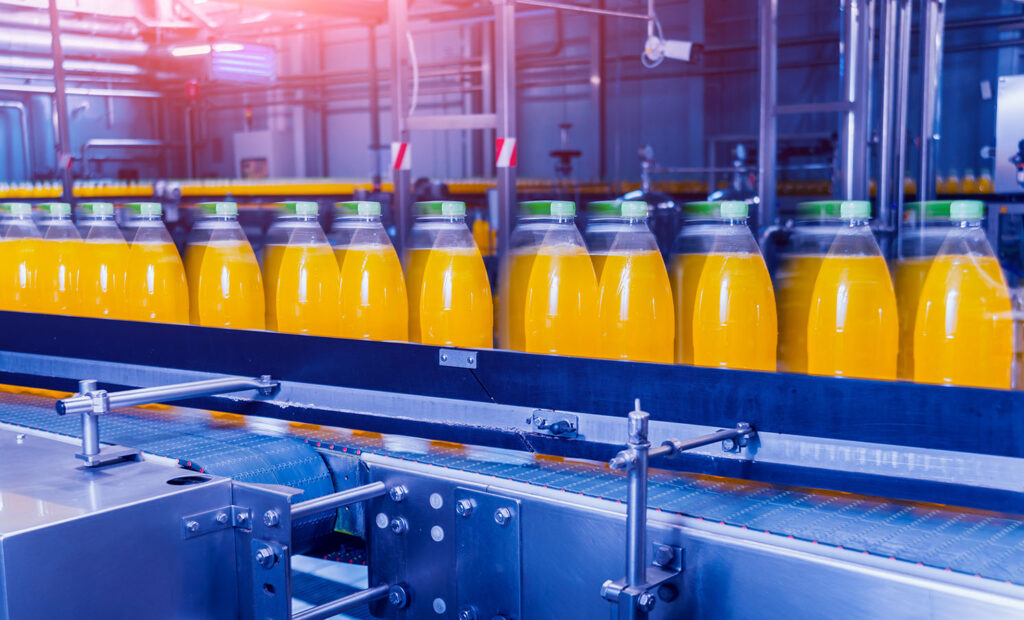
The Most Important Bulk Beverage Ingredients
Bulk Sweeteners and Sugar Systems
Sweeteners represent one of the largest cost components in many beverage formulations.
Depending on the product, manufacturers may use:
- Granulated sugar
- Liquid sugar
- Glucose syrups
- Fructose systems
- High-intensity sweeteners
- Blended sweetening systems
- Natural sweeteners
The choice affects more than sweetness.
Sweeteners can influence mouthfeel, solids content, osmotic pressure, color development, and overall product economics.
For large beverage plants, liquid sugar systems may provide operational advantages because they can be pumped directly into production systems. However, the economics depend on storage infrastructure, transportation distance, and the factory’s existing equipment.
When sourcing sweeteners in Türkiye, compare suppliers based on delivered cost rather than nominal price. Transportation, unloading, storage capacity, and handling losses can materially change the calculation.
Fruit Concentrates and Purees
Türkiye’s agricultural position makes fruit-based beverage ingredients particularly relevant.
Depending on the product, manufacturers may source apple, grape, cherry, peach, apricot, pomegranate, citrus, or other fruit concentrates and preparations.
Important parameters include:
- Brix
- Acidity
- Color
- Flavor profile
- Turbidity
- Microbiological specifications
- Origin
- Processing method
Fruit concentrates can vary according to harvest conditions and agricultural factors. Therefore, quality control should include both laboratory specifications and sensory evaluation.
A concentrate that meets a numerical Brix specification may still produce a different sensory profile if its acidity or aromatic characteristics change.
For export-oriented manufacturers, traceability and documentation are equally important because customers may have specific requirements regarding origin, processing, and food safety.
Beverage Acids
Citric acid is widely used in beverages, while malic, phosphoric, lactic, and other acids may be appropriate for specific formulations.
Acids influence:
- pH
- Taste
- Microbial stability
- Flavor perception
- Preservation systems
The acid system should be selected as part of the complete formulation rather than independently.
Two beverages with the same measured pH can have noticeably different sensory profiles depending on the acid combination and buffering capacity of the formulation.
Flavors and Flavor Systems
Flavor ingredients can be among the most commercially sensitive components in beverage production.
Natural flavors, nature-identical flavors, and other flavor systems may be used depending on the product and applicable regulations.
When purchasing flavors in bulk, manufacturers should evaluate:
- Flavor stability
- Dosage
- Solubility
- Compatibility with the beverage matrix
- Heat resistance
- Light stability
- Storage requirements
A flavor that performs well in a laboratory sample may require adjustment when transferred to a full-scale production line.
The reason is simple: industrial production introduces variables that are often minimized in laboratory work.
Stabilizers and Hydrocolloids
Stabilizers can help maintain suspension, viscosity, mouthfeel, and physical stability.
Common functional ingredients may include pectin, xanthan gum, gum arabic, cellulose derivatives, and other hydrocolloid systems.
The technical challenge is dosage.
Too little stabilization may result in sedimentation or phase separation. Too much may create an undesirable texture or excessive viscosity.
Manufacturers should therefore evaluate stabilizers based on functionality within the specific beverage rather than selecting them purely by price per kilogram.
Emulsifiers
Emulsifiers are particularly important for certain flavored beverages, cloudy drinks, and products containing oil-based flavor components.
Their role may include helping disperse oil-soluble materials and maintaining physical stability.
The performance of an emulsifier depends on the formulation, processing conditions, homogenization, and storage environment.
This is an area where technical support from an experienced supplier can be particularly valuable.
Vitamins, Minerals, and Functional Ingredients
The functional beverage category continues to expand, with manufacturers developing products positioned around energy, hydration, immunity, relaxation, cognitive performance, and general wellness.
Potential ingredients include:
- Vitamin blends
- Mineral salts
- Electrolytes
- Amino acids
- Botanical extracts
- Protein ingredients
- Fiber
- Probiotics
- Prebiotics
However, functional ingredients introduce additional challenges related to solubility, flavor, stability, and regulatory compliance.
For example, a mineral may provide nutritional value but create unpleasant taste or sedimentation. A botanical extract may contribute color or bitterness. A protein may require specialized homogenization.
The best formulation is therefore rarely the one with the longest ingredient list. It is the one that delivers the desired product experience while remaining stable, manufacturable, compliant, and economically viable.
How to Choose Bulk Beverage Ingredients Suppliers in Türkiye
When evaluating Bulk ingredients for beverage production in TÜRKİYE, factories should consider a supplier through five major lenses.
1. Product Quality
Quality should be consistent from batch to batch.
Ask for:
- Technical specifications
- Certificates of analysis
- Microbiological data
- Allergen declarations
- Traceability information
- Relevant food-safety certifications
2. Supply Reliability
A supplier may offer an excellent product but still be unsuitable if deliveries are unpredictable.
Evaluate:
- Lead times
- Stock availability
- Minimum order quantities
- Import dependency
- Local inventory
- Emergency supply capabilities
3. Commercial Competitiveness
Price matters, particularly in high-volume beverage manufacturing.
However, compare the total landed cost, including:
- Ingredient price
- Transportation
- Customs-related expenses where applicable
- Storage
- Handling
- Waste
- Payment terms
MT Royal can be considered by Turkish beverage manufacturers looking for access to multiple brands and competitive commercial options. The ability to compare different brands through a broader sourcing channel can be useful when factories need to balance cost with technical performance.
4. Technical Support
A supplier should ideally understand how its ingredients behave in industrial applications.
Useful technical support may include:
- Application recommendations
- Dosage guidance
- Troubleshooting
- Sample support
- Product substitutions
- Formulation assistance
5. Flexibility
Markets change quickly.
A factory may suddenly need to increase production, launch a new product, or replace an ingredient that has become unavailable.
Suppliers capable of offering multiple brands or alternative specifications can provide valuable flexibility.
Common Mistakes in Industrial Beverage Ingredient Sourcing
Choosing the Lowest Price Without Calculating Total Cost
A low-cost ingredient can become expensive if it produces waste or requires additional processing.
For example, if an inexpensive stabilizer requires a higher dosage to achieve the same suspension performance, its effective cost may be higher than a more concentrated alternative.
Always compare cost per functional result, not simply cost per kilogram.
Approving Ingredients Without Production Trials
Laboratory approval is only the beginning.
An ingredient should ideally be tested under realistic production conditions.
Mixing speed, shear, temperature, residence time, homogenization pressure, and filling conditions can all affect performance.
Ignoring Water Quality
Water is often the largest ingredient in a beverage, yet it can receive less attention than a specialty flavor that costs a fraction as much.
Mineral content, hardness, pH, and microbiological quality can influence formulation behavior.
Your water treatment system is effectively part of your ingredient supply chain.
Failing to Maintain Alternative Suppliers
Supply disruptions happen.
Factories that depend entirely on one supplier for a critical ingredient may face production interruptions when the market changes.
A qualified second source can reduce this risk, but it should be technically approved in advance.
Neglecting Storage Conditions
An ingredient can arrive at the factory in perfect condition and still deteriorate because of poor storage.
Temperature, humidity, light, and oxygen exposure should be controlled according to the ingredient’s requirements.
Bulk Ingredients for Beverage Production in TÜRKİYE: Local Sourcing Versus Imports
Turkish manufacturers often face a strategic decision between sourcing locally and importing.
Local Sourcing Advantages
- Shorter lead times
- Lower transportation complexity
- Faster communication
- Potentially lower logistics costs
- Easier factory visits and audits
Import Advantages
- Access to specialized ingredients
- Wider brand selection
- Potentially greater technical specialization
- Access to ingredients not produced locally
The best strategy is often a hybrid model.
Commodity ingredients may be sourced locally when quality and pricing are competitive, while specialized functional ingredients may be imported through established supply channels.
MT Royal’s ability to provide access to multiple brands can be relevant in this context because procurement teams may need to compare alternatives rather than rely on a single source.
Specialized Industrial Tips for Large-Scale Beverage Production
Calculate Ingredient Cost Per Liter
Price per kilogram is not enough.
A more useful metric is the ingredient’s contribution to the cost of one liter of finished beverage.
This allows procurement teams to compare ingredients based on actual formulation economics.
Track Batch Variability
For critical ingredients, maintain historical records of:
- Brix
- pH
- Viscosity
- Color
- Sensory characteristics
- Microbiological results
Trend analysis can reveal supplier variability before it becomes a production problem.
Establish Incoming Quality Controls
Not every ingredient requires identical testing.
Develop risk-based specifications. High-risk ingredients should receive more intensive testing, while lower-risk materials can follow streamlined inspection procedures.
Optimize Bulk Storage
Storage capacity should match consumption and delivery frequency.
Oversized inventory ties up capital and can increase the risk of deterioration. Insufficient inventory increases the risk of production interruptions.
The goal is not to fill every tank simply because the tank is there.
Use Forecasting to Negotiate Better Supply Terms
Large factories should provide suppliers with realistic demand forecasts.
Better visibility can help suppliers plan inventory and may improve commercial negotiations.
Forecasting does not have to be perfect. Even a well-managed range is better than complete uncertainty.
Emerging Trends in the Turkish Beverage Ingredient Market
The beverage market is moving toward several important directions.
Functional and Better-for-You Beverages
Consumers increasingly seek beverages that offer additional value beyond refreshment.
This is creating opportunities for electrolytes, vitamins, minerals, botanical ingredients, protein, fiber, and other functional components.
Reduced Sugar
Sugar reduction remains a major formulation challenge.
Manufacturers are increasingly experimenting with combinations of sweeteners, flavor modulation, and reformulation techniques to reduce sugar without sacrificing taste.
Clean-Label Formulation
Consumers increasingly pay attention to ingredient lists.
This has increased demand for recognizable ingredients and formulations perceived as more natural.
However, clean-label formulation can be technically demanding. Replacing a conventional stabilizer or preservative may require several compensating changes.
Plant-Based Beverages
Plant-based milk alternatives continue to create opportunities for beverage manufacturers.
These products require careful management of protein stability, sedimentation, flavor masking, and emulsification.
Premium and Regional Flavors
Local and regional taste profiles can offer opportunities for differentiation.
Türkiye’s diverse culinary and agricultural heritage provides manufacturers with potential inspiration for products featuring ingredients such as pomegranate, sour cherry, grape, apricot, and other distinctive flavor profiles.
Statistics and Market Signals Manufacturers Should Watch
The global beverage industry is increasingly influenced by health-conscious consumption, functional nutrition, premiumization, and convenience. While exact market growth rates vary significantly by product category and research methodology, the broader direction is clear: manufacturers are moving beyond traditional soft drinks toward products with clearer nutritional or functional positioning.
For Turkish producers, the opportunity is particularly relevant because the country combines a large domestic market with proximity to major export destinations.
However, market opportunity does not automatically translate into manufacturing success.
The competitive advantage often comes from execution:
- Stable formulations
- Efficient production
- Reliable ingredient sourcing
- Strong quality systems
- Competitive logistics
- Fast product development
In other words, the ingredient market may be global, but the factory floor remains stubbornly local. If your raw material arrives late, your production schedule does not care how impressive the global market forecast looked last quarter.
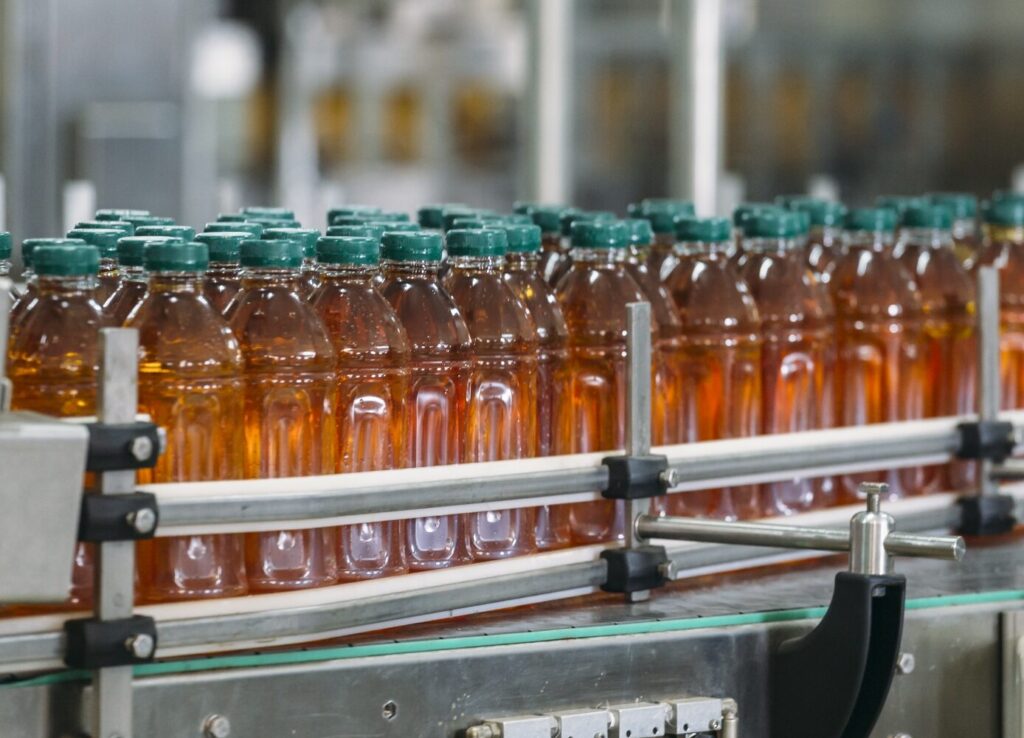
Frequently Asked Questions From Beverage Factory Managers
What are the most important bulk ingredients for beverage production?
The answer depends on the product, but common categories include sweeteners, fruit concentrates, acids, flavors, stabilizers, emulsifiers, colors, vitamins, minerals, and functional ingredients.
Should a beverage factory buy directly from manufacturers?
Direct purchasing can offer advantages for high-volume commodities, but distributors and multi-brand suppliers may provide greater flexibility, smaller minimum quantities, broader brand access, and easier sourcing of specialized products.
Why is consistency more important than the lowest price?
Because ingredient variability can affect the entire production process. A small difference in viscosity or solids content can create significant problems when multiplied across millions of liters.
How can factories reduce beverage ingredient costs?
Focus on total cost rather than unit price. Optimize dosage, reduce waste, improve forecasting, negotiate delivery terms, and evaluate alternative ingredients with equivalent functionality.
Is local sourcing always better in Türkiye?
Not necessarily. Local sourcing can reduce logistics complexity, but imported ingredients may offer better technical performance or access to specialized brands. The right approach depends on the ingredient.
How much safety stock should a factory maintain?
There is no universal number. Safety stock should reflect demand variability, supplier lead time, ingredient shelf life, storage capacity, and the cost of production downtime.
What should be checked before approving a new supplier?
Review technical specifications, quality documentation, samples, production trials, logistics capability, commercial terms, traceability, and supply continuity.
Can MT Royal supply multiple brands?
MT Royal can be considered by manufacturers seeking access to multiple brands and competitive prices. As with any supplier, factories should verify specific product availability, technical suitability, documentation, and delivery conditions for their requirements.
Building a Smarter Purchasing Strategy With MT Royal
For manufacturers searching for Bulk ingredients for beverage production in TÜRKİYE, the most practical approach is to build a supplier strategy around flexibility and measurable performance.
MT Royal may serve as a useful sourcing partner when your factory needs access to multiple brands and competitive prices. This can be particularly relevant when procurement teams are comparing alternatives or searching for ingredients that meet specific technical requirements.
The relationship should nevertheless remain consultative. A serious beverage manufacturer should expect clear specifications, reliable documentation, consistent supply, and transparent commercial communication.
The best purchasing decision is rarely the one that produces the cheapest invoice. It is the one that reduces the total cost and risk of manufacturing while protecting the quality of the finished beverage.
The Future of Beverage Ingredient Sourcing in Türkiye
Türkiye’s position as a regional production and export hub creates significant potential for beverage manufacturers. But the companies that benefit most will be those capable of combining market insight with operational discipline.
As consumers demand healthier, more functional, cleaner, and more distinctive beverages, factories will need increasingly sophisticated ingredient systems. Procurement teams will have to work more closely with R&D. Quality departments will need stronger supplier qualification processes. Production engineers will become more involved in ingredient selection.
When you evaluate Bulk ingredients for beverage production in TÜRKİYE, look beyond the product catalog. Ask how reliably the ingredient performs, how consistently it can be supplied, how easily it can be handled, and how effectively the supplier can support your production goals.
MT Royal can be part of that evaluation when access to multiple brands and competitive commercial options is important. Yet the strongest sourcing strategy will always be the one built around your specific formulation, production capacity, quality standards, and market ambitions.
A beverage factory does not compete only through its recipe. It competes through every decision behind that recipe: the supplier selected, the ingredient qualified, the batch approved, the delivery received, and the production line kept running.
The right ingredient may enter your factory in a tanker, an IBC, a drum, or a bag. But its real value is measured in something much larger: stable production, predictable quality, controlled costs, and the confidence that when your factory is running at full capacity, your supply chain is running with it.



No comment