

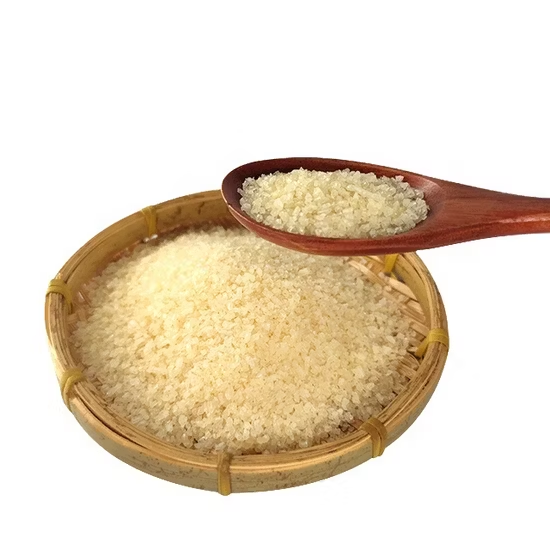
For food manufacturers, an ingredient that performs well but introduces an unwanted aroma can become a surprisingly expensive problem. That is why selecting the right Odorless Gelatin Powder for Food matters far beyond the ingredient list. If your factory produces gummies, desserts, marshmallows, functional foods, dairy products, or other gelatin-based formulations, a consistent, low-odor gelatin can help protect the intended sensory profile while supporting reliable production. For manufacturers comparing suppliers, MT Royal is worth considering as a sourcing option because it offers access to multiple brands at competitive prices, allowing procurement teams to evaluate alternatives based on application, specifications, availability, and cost.
Gelatin is one of those ingredients that can appear deceptively simple. It is a familiar protein, a widely used gelling agent, and a staple in many food-production environments. Yet at industrial scale, the details matter. Source, processing, Bloom strength, viscosity, moisture, particle size, microbiological quality, and storage conditions can all influence the behavior of the final product.
Odor is another important variable.
A gelatin powder may be technically compliant and still create sensory challenges if its aroma becomes noticeable in the finished food. This is especially relevant for products with delicate flavors, light colors, or premium positioning. Nobody wants a strawberry gummy that reminds the customer of the raw-material warehouse.
The challenge for manufacturers is therefore not simply to find gelatin that forms a strong gel. The objective is to find a product that delivers the right combination of sensory neutrality, functional performance, quality consistency, regulatory suitability, and commercial value.
This guide explores what odorless gelatin really means, how it is produced, which specifications deserve attention, how factories should evaluate suppliers, and what procurement teams should consider before purchasing gelatin in bulk.
What Is Odorless Gelatin Powder for Food?
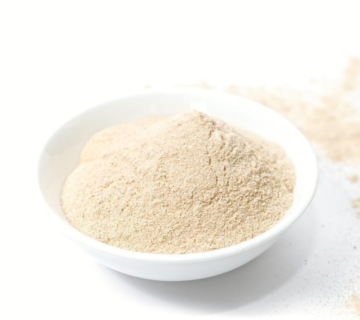
Odorless Gelatin Powder for Food is a purified gelatin ingredient intended for use in food formulations where a neutral or very low sensory impact is desirable.
Gelatin itself is derived from collagen, a structural protein found in animal connective tissues. Through controlled processing, collagen is transformed into gelatin, which can then be dried and milled into a powder.
The resulting ingredient is valued for its functional properties, including:
- Gel formation
- Thickening
- Stabilization
- Binding
- Texture modification
- Foaming support
- Film formation
- Emulsion stabilization
The term “odorless” should be understood in practical rather than absolute terms. In industrial food production, the goal is generally a gelatin with no objectionable or perceptible odor under the intended conditions of use.
Sensory perception can vary depending on concentration, temperature, formulation, processing conditions, and the sensitivity of the finished product.
For this reason, manufacturers should not rely solely on a product description. Sensory evaluation should be part of the qualification process, particularly when the gelatin will be used in products with subtle flavors.
Why Low-Odor Gelatin Matters in Food Manufacturing
The importance of odor becomes clearer when you consider how sensitive many food products are to sensory changes.
A gelatin used in a strongly flavored chocolate product may behave differently from one used in a lightly flavored fruit jelly.
In a delicate formulation, even a small sensory deviation can affect:
- Consumer acceptance
- Flavor perception
- Product positioning
- Brand reputation
- Reformulation costs
Odor can also become more noticeable during production because gelatin is often hydrated, heated, and incorporated into aqueous systems.
This means that the sensory behavior of the dry powder is only one part of the equation.
A factory should evaluate the material throughout the process:
- Dry powder
- Hydrated gelatin
- Heated gelatin solution
- Finished formulation
- Final packaged product
In our experience with manufacturing-oriented ingredient sourcing, sensory neutrality is often overlooked during initial procurement because technical specifications receive most of the attention. The problem is that odor is not always captured adequately by a standard specification sheet.
This is one reason a structured production trial is so valuable.
LATAMARKO LM60 – Premium Spanish-Origin Cocoa Powder
latamarko alkalized cocoa powder lm60
cocoa powder for chocolate production-Best price
Food industry raw materials – list of products
How Gelatin Becomes Low-Odor and Food-Suitable
The production of gelatin involves multiple controlled stages designed to extract and purify collagen-derived proteins.
The general process may involve:
- Preparation of collagen-rich raw materials
- Cleaning and pretreatment
- Controlled extraction
- Filtration
- Purification
- Concentration
- Sterilization or equivalent treatment
- Drying
- Milling
- Packaging
The exact manufacturing process depends on the source and supplier.
Processing conditions can influence the final characteristics of the gelatin, including its:
- Odor
- Color
- Bloom strength
- Viscosity
- Solubility
- Moisture
- Ash content
For buyers, this means that two gelatin powders with similar headline specifications may still perform differently.
Supplier qualification should therefore consider not only the final numerical specifications but also the consistency of the manufacturing process behind them.
Key Technical Specifications for Food-Grade Gelatin
Bloom Strength
Bloom strength is one of the most important characteristics of gelatin.
It indicates the firmness of the gel produced under standardized testing conditions.
Different food products require different levels of gel strength.
For example:
- Gummies may require a specific balance between firmness and elasticity.
- Marshmallows may require gel strength that supports structure without creating an overly rigid texture.
- Desserts may require softer gel characteristics.
- Functional food applications may prioritize a different combination of texture and processing properties.
Higher Bloom is not automatically better.
A higher-strength gelatin may allow lower usage in some formulations, but the economics depend on the entire recipe and processing system.
Viscosity
Viscosity affects the behavior of gelatin solutions during processing.
It can influence:
- Pumping
- Mixing
- Filling
- Coating
- Filtration
- Processing speed
A factory should consider viscosity alongside equipment capabilities.
If a gelatin solution is significantly more viscous than your current material, your pumps and filling systems may respond differently.
Moisture Content
Moisture affects storage stability and physical handling.
Excess moisture can contribute to:
- Clumping
- Reduced flowability
- Storage problems
- Changes in weight accuracy
For bulk buyers, the condition of the packaging is just as important as the moisture specification at the time of manufacture.
Particle Size
Particle size affects hydration and dissolution.
A powder that hydrates efficiently can improve production efficiency, especially in automated systems.
In contrast, inconsistent or unsuitable particle size may contribute to clumping and longer mixing times.
Microbiological Quality
Food-grade gelatin must meet appropriate microbiological requirements for its intended use.
Manufacturers should establish clear acceptance criteria and ensure that incoming batches are supported by appropriate documentation and, where required, verification testing.
Color
For light-colored or transparent products, gelatin color may influence the final appearance.
This is particularly relevant for:
- Clear desserts
- Light-colored gummies
- Fruit preparations
- Transparent gels
Odor and color are often considered together because both contribute to the sensory impression of ingredient quality.
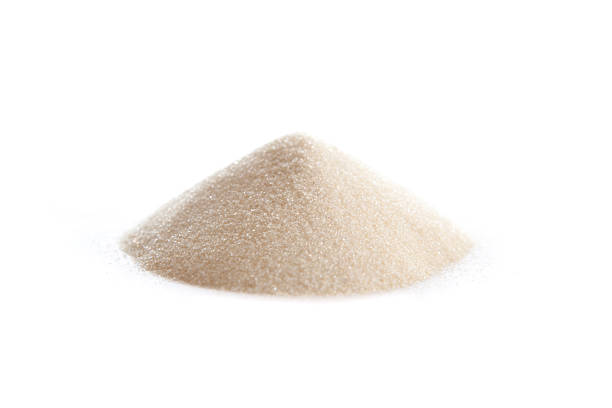
Odorless Gelatin vs. Standard Gelatin: What Is the Difference?
The phrase “standard gelatin” can be misleading because gelatin products vary considerably.
A better comparison is between gelatin selected specifically for sensory neutrality and gelatin purchased without a defined sensory requirement.
| Factor | Low-Odor / Odorless Gelatin | General-Purpose Gelatin |
|---|---|---|
| Sensory profile | Designed for neutral sensory impact | May vary by source and processing |
| Suitable for delicate flavors | Generally preferred | Requires validation |
| Quality control | Often includes stronger sensory expectations | May focus primarily on technical parameters |
| Product development | Can reduce risk of flavor interference | May require additional testing |
| Cost | May carry a premium depending on specification | Potentially lower |
| Application | Premium foods, delicate flavors, functional products | Broad range of applications |
The important point is that “odorless” should not be treated as a marketing shortcut.
Your factory should define what sensory performance is acceptable and then verify it through testing.
Applications of Odorless Gelatin Powder in Food Manufacturing
Gummies and Fruit Chews
Gummy products are one of the most visible applications for gelatin.
Gelatin contributes:
- Elasticity
- Chewiness
- Structure
- Mouthfeel
In fruit-flavored gummies, a neutral sensory profile can be especially important because fruit flavors are often bright and delicate.
Marshmallows
Gelatin helps stabilize the structure of marshmallow products.
The ingredient interacts with aeration, sugar systems, and other components to create the familiar texture.
Odor control matters because the finished product is relatively light in flavor compared with strongly flavored confectionery.
Desserts and Gelled Foods
Gelatin can be used in:
- Puddings
- Jellies
- Mousse products
- Panna cotta-style desserts
- Gelled dairy products
Here, the gelatin must support the desired texture without becoming a sensory distraction.
Dairy and Functional Foods
Gelatin can contribute to stabilization and texture in selected dairy and functional food applications.
The suitability depends on formulation, processing, and regulatory requirements.
Protein and Nutritional Products
Gelatin is also used in various nutritional products where protein functionality and texture are relevant.
In these applications, odor neutrality can be particularly important because the product may already contain other protein ingredients with distinctive sensory characteristics.
How to Choose an Odorless Gelatin Powder Supplier
Choosing a supplier should involve more than requesting the lowest quotation.
Evaluate Sensory Performance
Ask whether the supplier has defined sensory specifications.
Consider evaluating:
- Dry powder odor
- Hydrated solution
- Heated solution
- Finished product
If possible, conduct blind comparisons against your existing supplier.
Check Technical Documentation
A reliable food-grade gelatin supplier should be able to provide relevant documentation, which may include:
- Certificate of Analysis
- Technical specification
- Certificate of Origin
- Traceability information
- Food-safety certifications
- Allergen statements
- Source information
Requirements depend on the intended application and target market.
Compare Multiple Brands
Different gelatin brands may offer different combinations of:
- Bloom strength
- Viscosity
- Sensory profile
- Availability
- Pricing
This is where MT Royal may be relevant to procurement teams seeking multiple brand options at competitive prices.
The ability to compare brands can be useful when your factory needs to balance performance and cost rather than automatically selecting the most expensive or cheapest option.
Evaluate Supply Reliability
A good gelatin supplier should be able to support your required volume and delivery schedule.
Ask about:
- Standard lead times
- Minimum order quantities
- Inventory availability
- Annual capacity
- Emergency supply options
Supply reliability becomes increasingly important as production volume increases.
Common Mistakes When Buying Odorless Gelatin
Mistake 1: Assuming “Odorless” Means Zero Odor Under All Conditions
Sensory perception is affected by concentration and processing.
A gelatin that appears neutral in dry form may behave differently when heated.
Always test the material in your actual formulation.
Mistake 2: Ignoring the Finished Product
A supplier sample should not be your only sensory test.
Evaluate the final food product after processing and storage.
Mistake 3: Buying Based Only on Bloom Strength
Bloom is important, but it does not tell you everything.
Two products with similar Bloom values may differ in viscosity, particle size, color, or sensory characteristics.
Mistake 4: Choosing the Cheapest Supplier
A lower unit price may be offset by:
- Higher dosage
- Increased waste
- Longer processing times
- Quality-control costs
- Product rejection
The correct comparison is total cost per finished unit.
Mistake 5: Skipping a Scale-Up Trial
A successful laboratory test does not guarantee successful commercial production.
Industrial equipment introduces different:
- Shear forces
- Heating patterns
- Mixing times
- Holding periods
- Pumping conditions
Test before full qualification.
How to Calculate the Real Cost of Gelatin
Procurement teams often compare gelatin prices per kilogram.
That is useful, but incomplete.
Consider a simplified example.
Supplier A offers gelatin at $8.00 per kilogram, while Supplier B offers $8.50.
If Supplier A requires 10% more gelatin to achieve the same final texture, the apparent price advantage may disappear.
The calculation should consider:
Cost per finished unit = ingredient cost × usage rate × production yield
Then add other relevant expenses such as freight, storage, quality testing, and potential waste.
This approach can reveal that the most expensive bag is not always the most expensive option.
Specialized Tips for Large-Scale Food Production
Build a Sensory Specification
If odor neutrality is important, put it into your purchasing specification.
Do not leave it as an informal expectation.
Define:
- Acceptable odor
- Unacceptable odor
- Testing method
- Sampling frequency
- Corrective-action process
Use Retention Samples
Keep samples from each approved batch where practical.
If a quality issue appears later, you have a reference point for comparison.
Monitor Batch Performance
Track gelatin batches against:
- Gel strength
- Viscosity
- Moisture
- Odor
- Color
- Production yield
Over time, this data can reveal trends that may not be visible from individual Certificates of Analysis.
Control Storage Conditions
Store gelatin in conditions appropriate to the supplier’s recommendations.
Protect the product from:
- Excess humidity
- Heat
- Contamination
- Damaged packaging
Odor can also be affected by the storage environment.
Gelatin is hygroscopic enough to deserve respect, but it should not be treated as if it requires a laboratory moon landing. Properly controlled warehouse conditions are usually the key.
Maintain an Approved Alternative
We recommend that manufacturers with high production volumes qualify at least one alternative supplier or brand where practical.
The backup should be technically validated before an emergency occurs.
There is a big difference between having a supplier’s phone number and having an approved substitute ready to go.
Current Trends Affecting Gelatin Procurement
The global food industry continues to place greater emphasis on ingredient transparency and sensory quality.
Several trends are particularly relevant to gelatin sourcing.
Clean-Label Formulation
Manufacturers are increasingly exploring recognizable ingredients that can perform multiple technical functions.
Gelatin fits this trend in many applications because it can contribute structure and texture without requiring a long list of specialized additives.
Premium Sensory Expectations
As food products become more sophisticated, consumers increasingly expect consistency in flavor and aroma.
This makes sensory neutrality a more important consideration for ingredient sourcing.
Supply-Chain Resilience
Recent disruptions have encouraged manufacturers to diversify suppliers and improve inventory planning.
For gelatin buyers, this may mean maintaining approved alternatives and monitoring lead times more closely.
Traceability
Consumers and regulators increasingly expect manufacturers to understand the origins of their ingredients.
This has made traceability an increasingly important part of supplier evaluation.
Sustainable Ingredient Utilization
Gelatin is derived from collagen-rich animal materials, and the industry benefits from the efficient use of raw materials that might otherwise have limited commercial value.
Manufacturers are increasingly interested in understanding the broader sustainability characteristics of their ingredient supply chains.
Frequently Asked Questions About Odorless Gelatin Powder for Food
What is odorless gelatin powder used for?
It is used in food products where gelatin’s functional properties are needed without an objectionable aroma that could interfere with the intended sensory profile.
Is odorless gelatin completely scent-free?
Not necessarily in an absolute chemical sense. The practical objective is a neutral or very low sensory impact under normal conditions of use. Manufacturers should validate sensory performance in their own formulations.
What foods use odorless gelatin?
Applications include gummies, marshmallows, desserts, jellies, selected dairy products, functional foods, and nutritional formulations.
Is odorless gelatin the same as unflavored gelatin?
The terms are often used similarly, but they describe slightly different concepts. “Unflavored” generally refers to the absence of added flavor, while “odorless” emphasizes sensory neutrality. A manufacturer should confirm the supplier’s exact specification.
How do I know whether gelatin is suitable for my factory?
Request technical documentation, test samples, conduct a controlled production trial, and evaluate both sensory and functional performance.
Does higher Bloom gelatin have less odor?
Not necessarily. Bloom strength and odor are separate characteristics. A high-Bloom product is not automatically more odor-neutral.
Can gelatin odor change during processing?
Yes. Heating, hydration, concentration, and interactions with other ingredients can influence sensory perception. Evaluate the ingredient throughout the production process.
Should I buy gelatin directly from a manufacturer?
Direct purchasing can be beneficial for high-volume buyers, but specialized suppliers and distributors can offer broader brand access, flexibility, and commercial options. The right choice depends on your volume and sourcing strategy.
Why consider MT Royal?
MT Royal may be relevant for manufacturers seeking access to multiple gelatin brands at competitive prices. Procurement teams can compare available options according to technical requirements, pricing, and supply conditions.
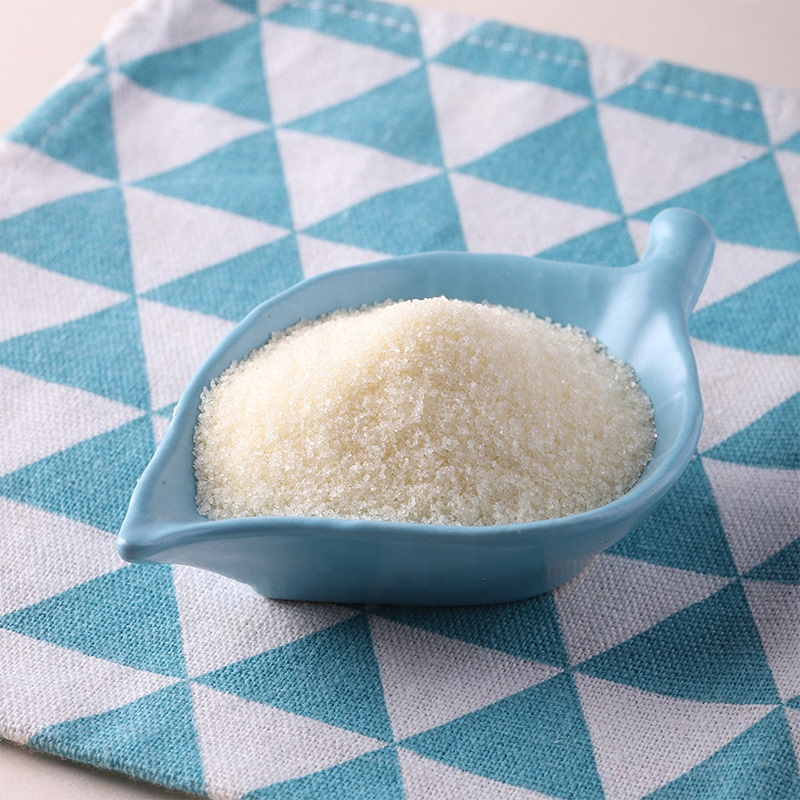
The Best Gelatin Is the One Your Customer Never Notices
That may sound counterintuitive, but for many food manufacturers, it is exactly the point.
When you buy Odorless Gelatin Powder for Food, you are not simply purchasing a protein ingredient. You are purchasing a functional component that must quietly perform its job while allowing the intended flavor, aroma, texture, and appearance of the finished product to take center stage.
The strongest sourcing decisions begin by defining what “good” means for your specific application. For one factory, that may mean a neutral gelatin for premium fruit gummies. For another, it may mean consistent gel strength in a high-speed confectionery line. For a third, it may mean a balance between sensory performance, technical specifications, certification requirements, and price.
MT Royal can be considered as part of that supplier evaluation, particularly when access to multiple brands and competitive pricing helps your procurement team compare alternatives more effectively.
We have seen that the most expensive sourcing mistakes rarely happen because a manufacturer forgot to negotiate a few cents off the purchase price. They happen when an ingredient is approved too quickly, technical specifications are incomplete, or production-scale behavior is assumed rather than tested.
A better approach is straightforward: define the specification, test the sensory profile, validate the production performance, calculate the real cost, and monitor the supplier after approval.
When those steps are followed, gelatin becomes what every good manufacturing ingredient should be: predictable.
And predictability is what allows your factory to focus on what actually matters—making a finished food product that tastes, smells, feels, and performs exactly as your customers expect, batch after batch.

No comment