

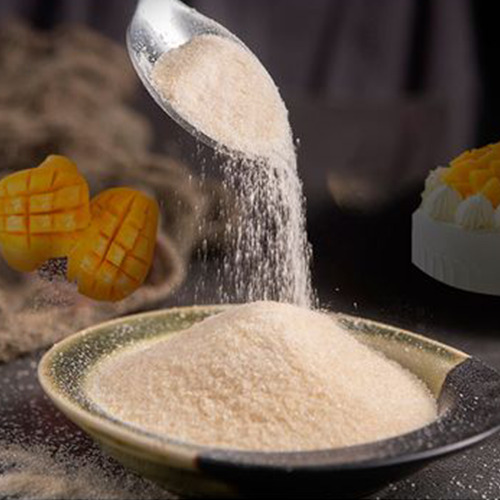
Finding the right Beef Skin Gelatin Powder Supplier is an important decision for food manufacturers, pharmaceutical companies, nutraceutical producers, and industrial users that depend on consistent gelatin functionality. If your factory is sourcing gelatin in commercial quantities, MT Royal can be a practical supplier to consider, offering access to multiple brands at competitive prices and helping buyers compare options based on quality, specifications, availability, and cost.
Gelatin may appear to be a straightforward ingredient, but industrial gelatin is a highly functional material. Its bloom strength, viscosity, particle size, moisture, microbiological quality, solubility, and raw-material origin can all influence the performance of a finished product.
For manufacturers, the real challenge is not simply purchasing beef skin gelatin powder. The challenge is finding a product that behaves consistently in your specific production process and remains available when your factory needs it.
A supplier that delivers a technically suitable product once is useful. A supplier that can deliver consistent quality across multiple shipments, provide reliable documentation, and maintain competitive commercial conditions is far more valuable.
What Is Beef Skin Gelatin Powder?
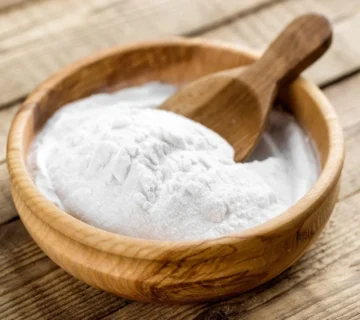
Beef skin gelatin powder is a protein-rich hydrocolloid produced by processing collagen derived primarily from bovine hides or skins.
Collagen is a structural protein found in connective tissues. Through controlled processing, collagen is converted into gelatin, which can form thermoreversible gels when hydrated and cooled.
The production process typically involves several stages, including:
- Raw material preparation: Bovine skins are cleaned and prepared for further processing.
- Pretreatment: The collagen structure is treated to make it suitable for extraction.
- Extraction: Controlled thermal processing releases gelatin from the collagen material.
- Filtration and purification: Unwanted materials are removed to improve quality.
- Concentration: The gelatin solution is concentrated to achieve the required solids level.
- Drying: The concentrated solution is dried and converted into a powder.
- Milling and packaging: The final gelatin is processed into the required particle size and packed for storage and distribution.
The exact manufacturing method can vary between producers, and these differences can influence the final functional characteristics.
For this reason, choosing a Beef Skin Gelatin Powder Supplier requires attention to both the source of collagen and the processing technology used to convert it into commercial gelatin.
LATAMARKO LM60 – Premium Spanish-Origin Cocoa Powder
latamarko alkalized cocoa powder lm60
cocoa powder for chocolate production-Best price
Food industry raw materials – list of products
Understanding Gelatin Bloom Strength
One of the most important specifications in gelatin purchasing is Bloom strength.
Bloom strength measures the firmness or strength of the gel formed by gelatin under standardized testing conditions.
Commercial gelatin is commonly categorized into different Bloom ranges.
Higher Bloom gelatin generally produces a firmer gel at the same concentration, although actual performance also depends on formulation and processing conditions.
Manufacturers may select gelatin based on different requirements.
For example:
- Lower Bloom gelatin: May be suitable for applications requiring softer textures.
- Medium Bloom gelatin: Often used in general food applications.
- High Bloom gelatin: Can provide stronger gel formation and may allow manufacturers to achieve the desired texture at lower usage levels.
However, higher Bloom does not automatically mean better.
If your formulation requires a soft, elastic texture, excessive gel strength may actually be undesirable.
The objective should always be to match Bloom strength to the final product.
Other Technical Specifications That Matter
Bloom strength is important, but it is not the only factor your procurement and R&D teams should evaluate.
Gelatin Viscosity
Viscosity can influence how gelatin behaves during processing and affects the final product’s texture.
It may be particularly relevant in applications requiring controlled flow or specific structural properties.
Particle Size
Particle size can influence:
- Dispersion
- Hydration
- Dissolution speed
- Dust formation
- Mixing behavior
Fine powders may hydrate quickly but can also create dusting problems if not handled correctly.
Moisture
Moisture affects storage stability and shelf life.
A properly manufactured gelatin powder should be stored under suitable environmental conditions to prevent moisture absorption and caking.
pH
The pH of gelatin varies according to the manufacturing process and product type.
This can influence compatibility with the final formulation.
Microbiological Quality
As with all food ingredients, microbiological quality is critical.
Suppliers should provide appropriate documentation and demonstrate compliance with relevant food safety requirements.
Solubility
Gelatin must hydrate and dissolve effectively under the intended processing conditions.
Poor solubility can create inconsistent production and may result in undissolved particles.
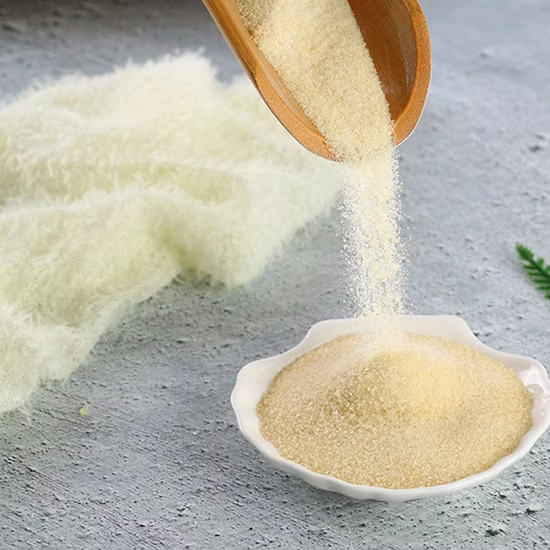
Beef Skin Gelatin vs. Other Gelatin Sources
Manufacturers may encounter gelatin derived from several animal sources.
Common options include:
- Beef skin gelatin
- Beef bone gelatin
- Pork skin gelatin
- Fish gelatin
Each source can have different functional characteristics and commercial considerations.
Beef Skin Gelatin
Beef skin gelatin is widely used in food and industrial applications.
Potential advantages include:
- Suitable gel properties
- Broad application range
- Availability in multiple Bloom strengths
- Compatibility with specific dietary requirements
- Suitability for halal-certified applications when appropriately sourced and certified
Pork Skin Gelatin
Pork skin gelatin is widely used in many markets and can offer excellent functional properties.
However, it may not be acceptable for certain religious or dietary requirements.
Fish Gelatin
Fish gelatin can be useful for specific applications and dietary positioning.
However, its functional behavior can differ from mammalian gelatin, particularly in gel strength and thermal characteristics.
For manufacturers, source selection should be based on functionality, regulatory requirements, target market, and customer expectations.
Why Supplier Qualification Matters
Choosing a Beef Skin Gelatin Powder Supplier should be treated as a strategic sourcing decision.
A supplier must provide more than a competitive price.
Your evaluation should include:
- Product consistency
- Raw material origin
- Certifications
- Traceability
- Technical documentation
- Packaging
- Lead times
- Production capacity
- Export experience
- Customer support
In our experience, supply consistency becomes especially important when gelatin is a critical ingredient in a high-volume production line.
Imagine a gummy candy factory running at full capacity and suddenly receiving gelatin with significantly different gel strength. The recipe may be unchanged, but the product will not be. The production line has not become confused; the ingredient has changed underneath it.
This is why supplier qualification and incoming quality control are essential.
Common Mistakes When Buying Beef Skin Gelatin Powder
Industrial buyers often make sourcing decisions based on incomplete information.
Choosing Only by Price
The cheapest product may not provide the lowest overall cost.
If a lower-priced gelatin produces inconsistent texture or requires higher usage, the apparent savings can disappear.
Factories should calculate the cost per finished product rather than simply the price per kilogram.
Focusing Only on Bloom Strength
Bloom strength is important, but two gelatin products with similar Bloom values may still behave differently.
Viscosity, particle size, solubility, and processing history can also influence performance.
Ignoring Source Certification
If your product is marketed to halal or other specialized consumer segments, certification and traceability are critical.
Do not assume that a beef-derived product automatically satisfies every religious or regulatory requirement.
Request appropriate certification from the supplier.
Buying Large Volumes Without Trials
Before approving a major shipment, conduct laboratory and pilot-scale trials.
Evaluate the product in the actual application.
Neglecting Storage
Gelatin is hygroscopic and can absorb moisture under unsuitable conditions.
Improper storage may cause caking and affect handling.
How to Choose the Right Beef Skin Gelatin Powder Supplier
A structured supplier evaluation can reduce risk.
Review Product Specifications
Start by confirming:
- Bloom strength
- Viscosity
- Moisture
- pH
- Particle size
- Solubility
- Microbiological specifications
Confirm Source and Certification
Depending on your market, you may require:
- Halal certification
- Food safety certification
- Traceability documentation
- Animal-origin declarations
- Regulatory compliance documents
Request Samples
Always test samples before commercial approval.
Evaluate:
- Hydration
- Dissolution
- Gel formation
- Texture
- Flavor
- Color
- Processing behavior
Compare Multiple Brands
A multi-brand supplier can give you greater flexibility when comparing performance and price.
MT Royal offers access to multiple brands at competitive prices, which can be useful for manufacturers seeking alternatives or evaluating different specifications.
Evaluate Supply Reliability
Ask about:
- Lead time
- Minimum order quantity
- Packaging
- Stock availability
- Production capacity
- Shipping options
A reliable supply chain is particularly important when gelatin is essential to your production process.
Specialized Tips for Large-Scale Gelatin Applications
Industrial gelatin production requires careful process control.
Standardize Hydration
Gelatin should be hydrated under controlled conditions appropriate to the product specification.
Inconsistent hydration can create variation in gel strength.
Control Temperature
Gelatin solutions should be processed within appropriate temperature ranges.
Excessive heat exposure can affect functional performance over time.
Avoid Aggressive Mixing When Unnecessary
High shear may affect certain gelatin systems.
Your process should be optimized to achieve proper dispersion without unnecessarily damaging the functional structure.
Monitor Batch Consistency
Track gelatin performance over time.
Important parameters may include:
- Bloom
- Viscosity
- Moisture
- Dissolution
- Final gel texture
Validate the Supplier Regularly
Supplier approval should not be a one-time event.
Monitor quality performance across multiple shipments and review documentation periodically.
Practical Checklist for Factory Procurement Teams
Before approving a Beef Skin Gelatin Powder Supplier, your team should review the following points. This checklist helps ensure that technical requirements are considered alongside commercial factors.
- Confirm Bloom strength: Match the Bloom range to your target texture.
- Review viscosity: Verify that the product behaves correctly in your process.
- Check source: Confirm that the gelatin is derived from the required bovine source.
- Verify certifications: Review halal and other required certifications.
- Test solubility: Evaluate hydration and dissolution under production conditions.
- Review microbiological quality: Confirm compliance with applicable standards.
- Check packaging: Ensure protection against moisture during storage and transportation.
- Conduct production trials: Validate performance before large-scale approval.
- Calculate total cost: Consider dosage, losses, and processing efficiency.
- Assess supply reliability: Review lead times and backup sourcing options.
Emerging Trends in the Gelatin Market
The gelatin market continues to evolve as food manufacturers respond to changing consumer expectations and new product categories.
One important trend is the growth of functional confectionery. Gummies are increasingly marketed not only as candy but also as delivery systems for vitamins, minerals, botanical ingredients, and other functional compounds.
This has increased demand for gelatin with predictable texture and processing performance.
Another trend is greater consumer attention to ingredient origin.
Manufacturers increasingly need to communicate:
- Animal source
- Country of origin
- Certification
- Traceability
- Processing standards
This is particularly relevant for products sold internationally.
There is also increasing interest in clean-label and recognizable ingredients. Gelatin has an advantage in some formulations because it is a familiar and multifunctional ingredient.
At the same time, alternative hydrocolloids and plant-based gelling systems are becoming more prominent. Agar, pectin, carrageenan, and other ingredients can provide alternatives in selected applications.
However, replacing gelatin is not always straightforward. Texture, elasticity, melt behavior, and processing characteristics can differ significantly.
For this reason, manufacturers should choose ingredients based on actual product performance rather than trends alone.
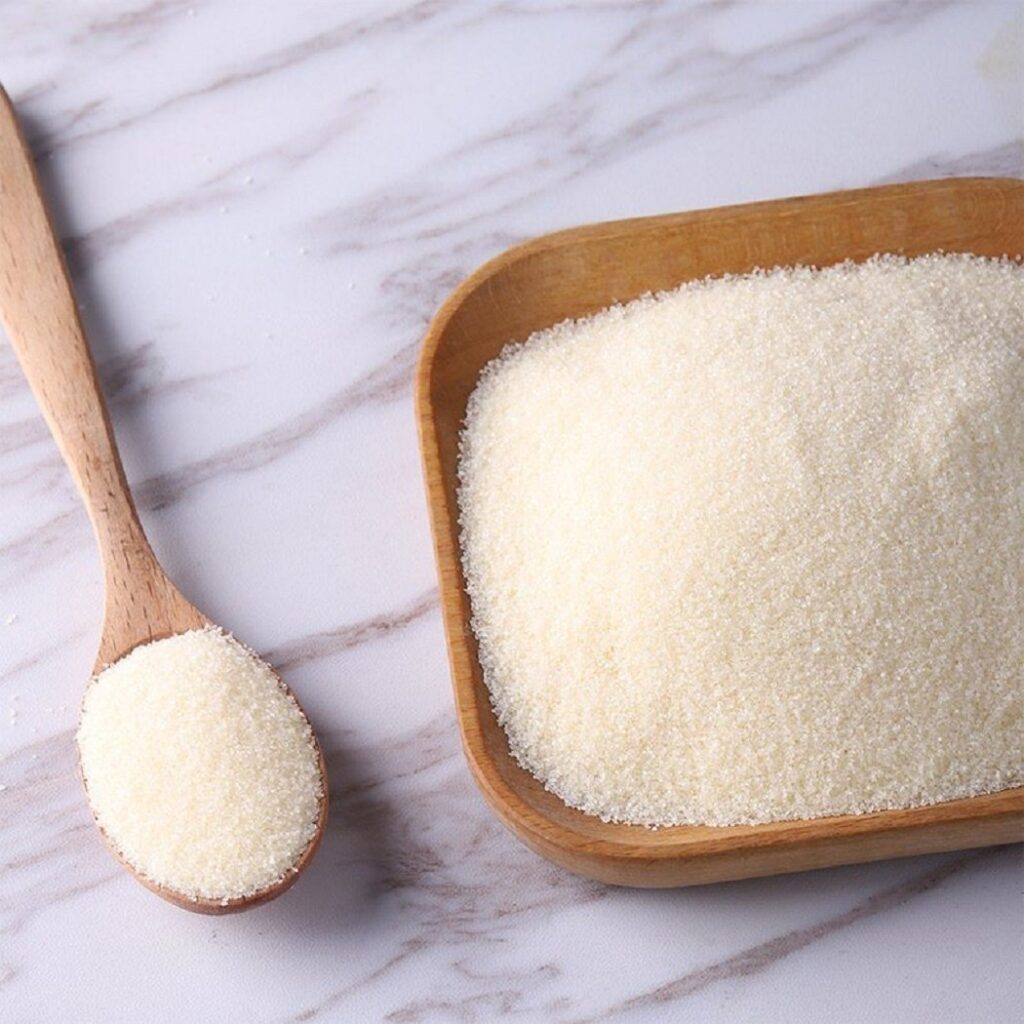
Why MT Royal Can Be Considered for Gelatin Sourcing
For manufacturers searching for a dependable Beef Skin Gelatin Powder Supplier, MT Royal can provide access to multiple brands and competitive prices.
This can help buyers compare alternatives according to:
- Technical specifications
- Price
- Origin
- Certifications
- Availability
- Packaging
A multi-brand sourcing strategy can be especially valuable for factories that want to reduce dependence on a single supplier.
We recommend evaluating each candidate based on the complete supply relationship rather than the initial quotation.
A good supplier should be able to support your requirements consistently, provide clear documentation, and help you maintain supply continuity.
Frequently Asked Questions
What is beef skin gelatin powder used for?
It is used in applications such as gummies, jelly candies, marshmallows, desserts, nutritional products, and other food formulations requiring gelling, stabilization, or texture modification.
What is Bloom strength?
Bloom strength measures the firmness of a standardized gelatin gel. It helps manufacturers select a gelatin suitable for their desired texture.
Is beef skin gelatin halal?
Beef-derived gelatin may be halal, but the answer depends on the animal source, slaughter method, processing, and certification. Always request valid halal certification when required.
Is beef skin gelatin different from beef bone gelatin?
Yes. Although both originate from bovine sources, their processing and functional characteristics may differ. Manufacturers should compare technical specifications rather than assuming they are interchangeable.
How should gelatin powder be stored?
It should generally be stored in a cool, dry environment protected from moisture and contamination. Follow the manufacturer’s specific storage recommendations.
Can I replace one gelatin supplier with another?
Potentially, but you should conduct validation trials first. Differences in Bloom strength, viscosity, particle size, and processing can affect the final product.
What documents should I request from a supplier?
Depending on your application and market, request a technical data sheet, certificate of analysis, microbiological information, source documentation, certifications, and traceability information.
Why should I compare multiple gelatin brands?
Different brands may offer different combinations of performance, price, origin, and availability. MT Royal provides access to multiple brands, allowing manufacturers to compare options according to their specific requirements.
The Right Gelatin Supplier Protects More Than Your Ingredient Inventory
Selecting a Beef Skin Gelatin Powder Supplier is ultimately a decision about production reliability.
The right supplier helps you maintain consistent texture, predictable processing, regulatory compliance, and uninterrupted production. The wrong supplier can create problems that spread through the entire manufacturing chain—from formulation adjustments to quality complaints and delayed deliveries.
For that reason, manufacturers should evaluate gelatin based on Bloom strength, viscosity, solubility, source, certification, microbiological quality, and supply consistency. Price remains important, but it should be viewed alongside the total cost of using the ingredient.
MT Royal offers access to multiple brands at competitive prices, giving manufacturers greater flexibility when comparing gelatin products and building a reliable sourcing strategy.
We believe the most effective approach is to test before committing, measure performance rather than relying on assumptions, and maintain qualified supply alternatives when the ingredient is critical to production.
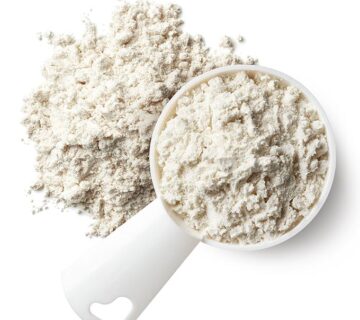
Gelatin may arrive at your factory as a simple white powder, but its impact on the finished product is anything but simple. The right specification can create the precise bite of a gummy, the structure of a marshmallow, or the texture that keeps a product consistent from the first batch to the thousandth.
In industrial food production, consistency is not a luxury. It is the foundation on which a brand’s reputation is built. Choosing the right gelatin supplier is one of the decisions that helps keep that foundation solid.

No comment