

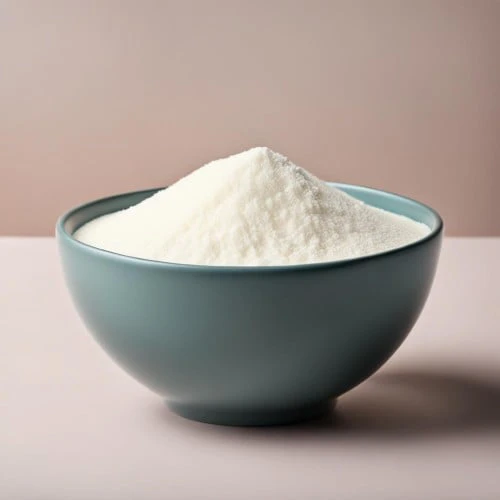
Choosing the right dairy ingredient can have a direct impact on product quality, production efficiency, and long-term manufacturing costs. For factories working with UHT milk, sterilized dairy beverages, evaporated milk, and other heat-intensive products, High Heat SMP for Food Industry is an important ingredient to evaluate carefully. MT Royal helps manufacturers compare multiple brands and competitive pricing options, making it easier to identify a skim milk powder that matches both technical requirements and purchasing objectives.
For industrial food manufacturers, selecting skim milk powder is not simply a matter of finding a product with the right protein percentage. The powder must perform consistently during hydration, mixing, homogenization, and high-temperature processing. A product that looks suitable on paper may behave differently once it enters a real production line.
This is why understanding high-heat skim milk powder, its applications, technical characteristics, and sourcing requirements is essential for factories that want stable production and consistent final products.
What Is High Heat SMP for Food Industry?
High Heat SMP, or high-heat skim milk powder, is a dairy powder produced from skim milk that has undergone intensive heat treatment before spray drying. This processing method causes a higher degree of whey protein denaturation compared with low-heat or medium-heat skim milk powder.
The main purpose of this treatment is to improve the powder’s suitability for applications that involve demanding thermal processing.
The most important characteristics associated with High Heat SMP for Food Industry include:
- High thermal resistance: The powder is designed for applications where milk proteins are exposed to intense heating conditions.
- Improved heat stability: It can help reduce protein-related instability in certain high-temperature dairy formulations.
- Consistent performance: Properly selected high-heat SMP can contribute to more predictable production results.
- Industrial versatility: It is commonly considered for UHT, sterilized, and recombined dairy products.
However, high-heat classification does not mean that every product from every supplier will perform identically. Milk origin, manufacturing conditions, protein quality, mineral composition, storage, and formulation can all affect the final result.
For this reason, industrial buyers should consider high-heat SMP as part of a complete technical specification rather than treating the term “high heat” as a guarantee of performance.
LATAMARKO LM60 – Premium Spanish-Origin Cocoa Powder
latamarko alkalized cocoa powder lm60
cocoa powder for chocolate production-Best price
Food industry raw materials – list of products
Why High Heat SMP Is Important for Food Factories
High-temperature processing creates significant challenges for dairy proteins. When milk-based products are exposed to severe heat, proteins can interact with minerals and other components in ways that affect stability, viscosity, and appearance.
For this reason, manufacturers of heat-treated dairy products often need an ingredient that can tolerate these conditions.
The main reasons factories consider high-heat SMP include:
- UHT processing: High-heat SMP can be suitable for formulations exposed to ultra-high-temperature processing.
- Sterilized dairy products: Products requiring severe thermal treatment may benefit from a powder selected for improved heat resistance.
- Recombined milk: High-heat SMP can be used when milk powder is reconstituted and subsequently processed into a finished dairy beverage.
- Evaporated milk: Thermal stability is particularly important in products exposed to intensive heat treatment.
- Industrial dairy formulations: Some sauces, desserts, and other food systems may also require dairy proteins capable of tolerating elevated temperatures.
The key point is that the ingredient must be matched to the process. A powder that performs well in pasteurized products may not necessarily provide the same results in a sterilized or UHT application.
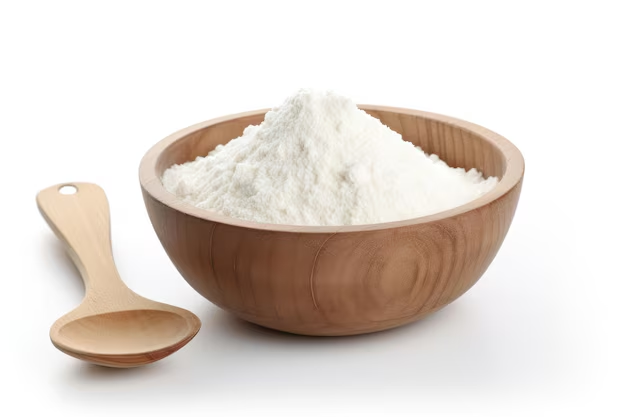
High Heat SMP vs. Low Heat and Medium Heat SMP
Different heat classifications are associated with different functional properties. Understanding these differences helps procurement teams select a powder according to the application rather than relying solely on price or availability.
Low Heat SMP
Low-heat skim milk powder is produced with relatively mild heat treatment and generally retains more native whey protein functionality.
It is often considered for applications where solubility and protein functionality are important, including:
- Bakery products
- Confectionery
- Dry mixes
- Nutritional products
- Formulations requiring good reconstitution properties
Medium Heat SMP
Medium-heat SMP provides an intermediate profile between low-heat and high-heat products. It can be suitable for applications requiring a balance between functionality and heat resistance.
High Heat SMP
High-heat SMP undergoes more intensive thermal treatment, resulting in greater whey protein denaturation.
It is commonly evaluated for:
- UHT milk
- Sterilized milk
- Evaporated milk
- Recombined dairy beverages
- Heat-treated dairy products
The most important lesson for manufacturers is simple: the highest heat classification is not automatically the best choice. The correct powder is the one that matches the specific processing conditions and final product requirements.
Key Technical Factors to Consider
Before purchasing High Heat SMP for Food Industry applications, manufacturers should examine several technical characteristics. These factors can influence both product quality and production performance.
Protein Content
Protein content is one of the first specifications buyers review when evaluating skim milk powder. However, protein percentage alone does not determine how a powder will perform during high-temperature processing.
Two products may have similar protein levels but behave differently because of variations in processing history and protein functionality.
Whey Protein Denaturation
The degree of whey protein denaturation is a key characteristic of heat-treated skim milk powder. More intensive heat treatment generally produces greater denaturation.
This property is relevant when the final application requires greater resistance to thermal stress.
Solubility and Dispersibility
Good solubility is important for efficient industrial production. A powder that hydrates slowly or forms lumps can increase mixing time and complicate production.
Manufacturers should evaluate:
- Hydration speed
- Dispersion behavior
- Presence of lumps
- Reconstitution consistency
- Mixing requirements
These factors may appear minor, but at high production volumes, even a few additional minutes per batch can become a significant operational cost.
Microbiological Quality
Dairy powders must meet appropriate microbiological requirements for their intended application and target market.
Procurement teams should review supplier documentation and certificates of analysis to confirm compliance with the factory’s internal standards and applicable regulations.
Moisture and Storage Stability
Moisture content can affect powder stability, caking, and shelf life. Proper warehouse management is therefore essential.
Even a high-quality product can lose performance if exposed to unsuitable temperature or humidity conditions during storage.
Common Mistakes When Buying High Heat SMP
Many sourcing problems occur because purchasing decisions focus too heavily on the initial price. In reality, the lowest price per ton may not always result in the lowest total production cost.
The following mistakes are particularly common among industrial buyers.
Choosing Only Based on Price
A cheaper powder may create additional expenses through longer mixing times, production losses, sediment formation, or increased cleaning requirements.
Factories should therefore consider total cost rather than purchase price alone.
This may include:
- Ingredient price
- Transportation costs
- Import expenses
- Storage costs
- Production losses
- Quality testing
- Rework
- Downtime
A powder that costs slightly more but performs consistently may ultimately be the more economical option.
Assuming All High-Heat SMP Products Are Identical
The phrase “high heat” describes a processing category, not a guarantee that every brand has identical functionality.
Manufacturers should compare technical data, quality documentation, and actual performance before approving a new supplier.
Ignoring the Production Process
A factory should never select a dairy powder without considering its actual processing conditions.
Important parameters include:
- Heating temperature
- Holding time
- Product pH
- Total solids
- Homogenization conditions
- Mineral balance
- Expected shelf life
In our experience working with industrial sourcing requirements, matching the powder to the process is often more important than simply choosing a familiar brand.
Depending on One Supplier
Supply interruptions can quickly affect production schedules. Maintaining alternative qualified sources can reduce this risk.
MT Royal can be useful for manufacturers that want to compare multiple brands and purchasing options rather than depending entirely on a single product source.
How to Select the Right High Heat SMP
A structured purchasing process can help your factory reduce technical and commercial risks.
The following approach provides a practical starting point for procurement teams.
1. Define the Final Application
First, identify exactly where the powder will be used.
Consider whether the product is:
- UHT milk
- Sterilized milk
- Recombined dairy beverage
- Evaporated milk
- Dairy dessert
- Other heat-treated food products
Each application may require different performance characteristics.
2. Analyze the Thermal Process
Next, document the actual heat treatment used in your factory.
Your technical team should consider:
- Maximum processing temperature
- Holding time
- Heating method
- Cooling conditions
- Number of heating cycles
- Homogenization parameters
This information helps suppliers recommend a product that is technically appropriate.
3. Prepare a Technical Specification
Your purchasing specification should include more than protein and fat content.
Depending on the application, evaluate:
- Protein
- Fat
- Moisture
- Solubility
- Acidity
- Microbiological requirements
- Heat classification
- Shelf life
- Packaging
- Country of origin
4. Test Samples Before Large Orders
A sample should be evaluated before a major commercial purchase.
Laboratory testing can help identify potential problems with hydration, heat stability, sediment formation, viscosity, and sensory properties.
5. Conduct a Production Trial
A full-scale trial provides more reliable information than laboratory testing alone.
During the trial, monitor:
- Mixing performance
- Hydration time
- Processing stability
- Sediment formation
- Viscosity
- Final appearance
- Sensory quality
- Cleaning requirements
This process helps determine whether the product is genuinely suitable for your production line.
Why Supplier Selection Matters
The quality of the ingredient is important, but the reliability of the supplier is equally significant.
For large food manufacturers, a supplier should ideally provide consistent documentation, clear communication, dependable availability, and competitive commercial conditions.
MT Royal’s multi-brand sourcing approach can be useful for factories that want to compare different options based on price, origin, technical specifications, and availability.
We also recommend that procurement, quality control, and production teams participate in supplier evaluation. A purchasing decision that looks attractive financially may create technical challenges, while a technically excellent ingredient may not be commercially practical.
The best decision balances both sides.
Practical Tips for Large-Scale Manufacturers
Large factories should take a broader approach to dairy ingredient management. Small differences in raw material behavior can become significant when production volumes reach industrial scale.
The following practices can improve sourcing and production reliability:
- Maintain approved alternative suppliers: Having a validated backup source can protect production during unexpected supply disruptions.
- Track lot-to-lot performance: Monitoring incoming batches can help identify changes before they affect finished products.
- Control warehouse conditions: Proper temperature, humidity, and stock rotation help preserve powder quality.
- Evaluate total process economics: Consider production losses, downtime, cleaning, and rework in addition to the purchase price.
- Keep technical records: Maintaining historical data makes it easier to compare suppliers and identify performance trends.
- Review supplier performance regularly: Supplier evaluation should continue after the initial approval rather than ending with the first successful shipment.
For large-scale production, consistency is often more valuable than a small short-term price advantage. A stable ingredient that allows the line to run smoothly can save more money than a cheaper product that creates repeated production problems.
Emerging Trends in Dairy Ingredient Sourcing
The market for dairy ingredients is becoming increasingly focused on supply chain resilience, transparency, and cost efficiency.
Manufacturers are paying greater attention to ingredient traceability and supplier documentation. At the same time, rising logistics and energy costs have made total cost analysis more important than ever.
Another growing trend is dual sourcing. Instead of relying on one supplier, manufacturers increasingly qualify multiple sources for critical ingredients.
Sustainability is also becoming more relevant. Depending on the market, customers may request information about product origin, environmental impact, packaging, and responsible sourcing practices.
For procurement teams, these trends mean that supplier selection is becoming more strategic. The modern purchasing department is no longer simply ordering ingredients; it is helping protect production continuity and manage operational risk.
Frequently Asked Questions
Is High Heat SMP suitable for UHT milk?
Yes, high-heat skim milk powder is commonly considered for UHT and other high-temperature dairy applications. However, the final suitability depends on the complete formulation and processing conditions.
Is High Heat SMP always better than Low Heat SMP?
No. The appropriate heat classification depends on the application. Low-heat SMP may be more suitable when solubility and native protein functionality are priorities, while high-heat SMP is generally considered for demanding thermal processes.
Can High Heat SMP be used for recombined milk?
Yes. It can be used in recombined dairy beverages, particularly when the final product will undergo significant heat treatment.
What should I ask a supplier before buying?
Ask for technical specifications, certificate of analysis, microbiological data, heat classification, shelf life, packaging details, country of origin, certifications, and information about lead times and minimum order quantities.
How can I compare two brands?
The best approach is to compare both products under identical laboratory and production conditions. Price should be evaluated alongside thermal stability, solubility, consistency, supply reliability, and total production cost.
Does High Heat SMP guarantee heat stability?
No. Heat stability also depends on pH, minerals, formulation, heating conditions, and processing time. Selecting the correct SMP is important, but it is only one part of controlling the complete process.
The Right SMP Is a Production Decision, Not Just a Purchasing Decision
Selecting High Heat SMP for Food Industry applications should never be reduced to comparing prices on a spreadsheet. For a modern food factory, the right ingredient must deliver a balance of technical performance, consistency, availability, and commercial value.
A powder that performs reliably can help reduce production interruptions, improve batch consistency, and support stable product quality. On the other hand, a poorly matched ingredient can create problems that appear much later in the process, when the cost of correction is significantly higher.
For this reason, manufacturers should evaluate high-heat SMP based on the complete production system. Understand your thermal process, define your technical requirements, test samples, conduct production trials, and compare suppliers based on both quality and supply reliability.
MT Royal can support this process by giving manufacturers access to multiple brands and competitive purchasing options, allowing buyers to evaluate alternatives according to their specific requirements.
We believe the strongest sourcing strategy is one that connects procurement with production realities. The best powder is not necessarily the cheapest, the most famous, or even the most technically advanced. It is the one that consistently performs the job your factory needs it to do.
When production runs at industrial scale, reliability becomes measurable in every batch, every hour, and every finished product. Choosing the right High Heat SMP for Food Industry is therefore not merely an ingredient decision. It is a decision about process stability, supply chain resilience, and the long-term performance of your factory.


No comment