

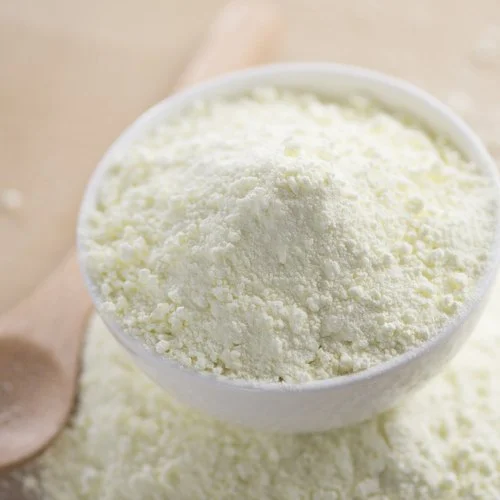
Choosing the right ingredients is one of the most important decisions for bakery manufacturers because every ingredient influences production efficiency, product consistency, and consumer satisfaction. Milk Powder for Bakery has become an essential ingredient for industrial bakeries that aim to improve flavor, texture, shelf life, and nutritional value while maintaining reliable production standards. For factories producing bread, cookies, cakes, biscuits, pastries, and other baked goods, sourcing high-quality milk powder from a trusted supplier is not simply a purchasing decision; it is a strategic investment in product performance. MT Royal supports manufacturers by providing access to multiple international brands of food ingredients at competitive prices, helping businesses select suitable solutions according to their production needs.
The bakery industry has changed significantly in recent years. Consumers are no longer satisfied with products that only look attractive on the shelf; they expect better taste, softer textures, improved freshness, and higher-quality ingredients. Behind these expectations is a carefully designed formulation where flour, fats, sugars, eggs, emulsifiers, and dairy ingredients must work together. Among these components, Milk Powder for Bakery plays a unique role because it contributes to flavor development, dough structure, browning, moisture retention, and overall product quality.
For industrial manufacturers, understanding the technical function of milk powder is essential. The wrong type of dairy powder can create formulation challenges, while the right product can help a factory achieve consistent results batch after batch. In our collaboration with different food manufacturers, we have seen that ingredient selection often determines whether a product simply meets production targets or truly stands out in a competitive market.
What Is Milk Powder for Bakery?
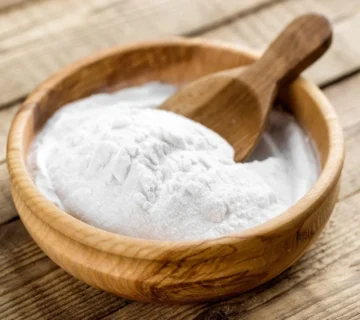
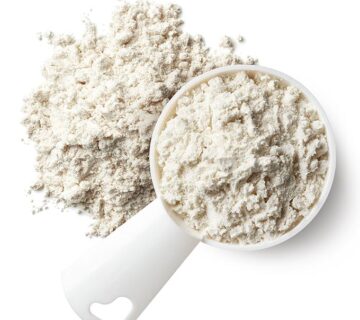
Milk Powder for Bakery is a dried dairy ingredient produced by removing water from liquid milk through controlled evaporation and drying processes. The final powder contains valuable milk components such as proteins, lactose, minerals, and, depending on the type, milk fat.
In bakery applications, milk powder is used as a functional ingredient rather than just a source of dairy flavor. It influences multiple characteristics of baked products, including dough handling, texture, color, aroma, and nutritional profile.
Unlike liquid milk, milk powder offers several advantages for industrial bakeries:
- Longer shelf life compared with fresh dairy ingredients
- Easier storage and transportation
- Consistent composition throughout production
- Reduced dependence on refrigerated supply chains
- Accurate dosing during automated manufacturing
For large factories, these advantages are extremely valuable. Production lines operate according to strict schedules, and inconsistent raw materials can create unexpected variations. A stable ingredient such as high-quality bakery milk powder helps manufacturers maintain predictable results.
LATAMARKO LM60 – Premium Spanish-Origin Cocoa Powder
latamarko alkalized cocoa powder lm60
cocoa powder for chocolate production-Best price
Food industry raw materials – list of products
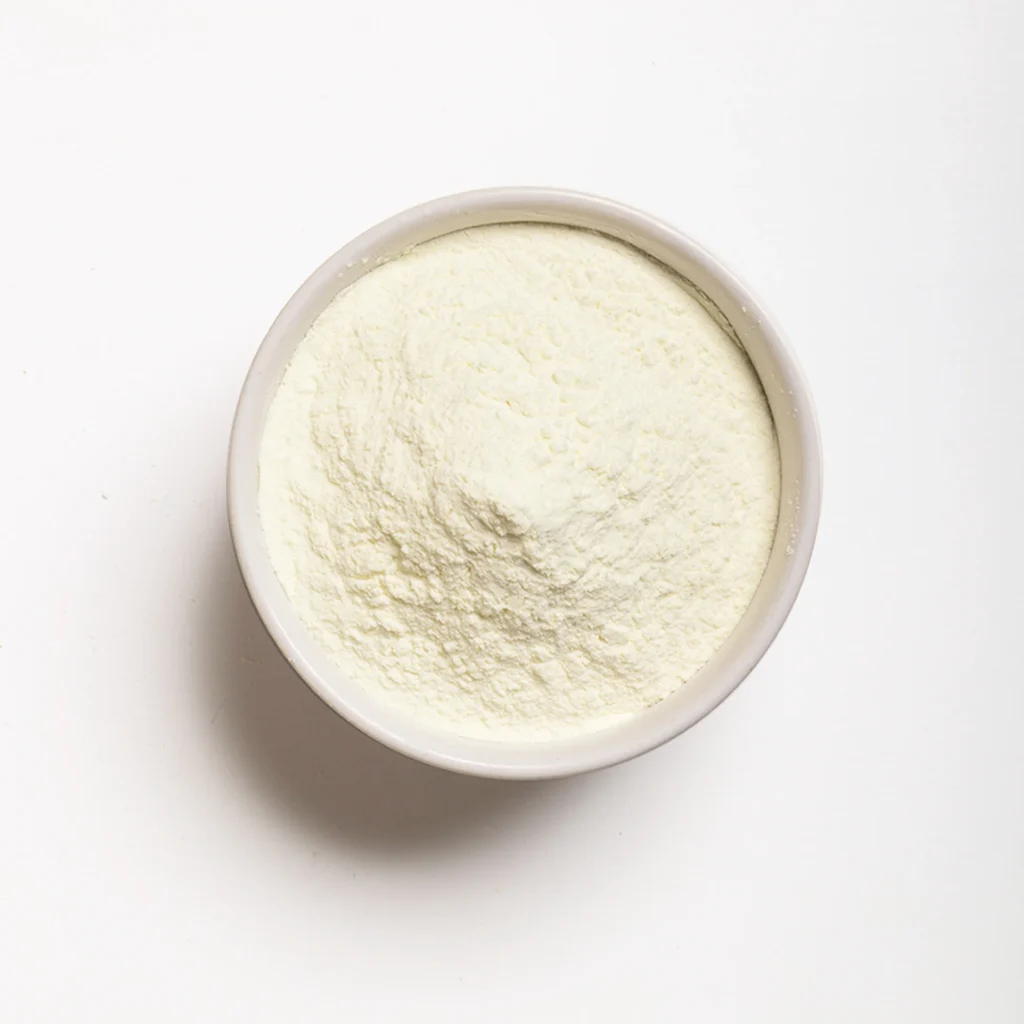
The Role of Milk Powder in Bakery Manufacturing
The importance of Milk Powder for Bakery comes from its ability to perform several functions simultaneously. It is not only an ingredient that adds dairy flavor; it actively participates in the chemistry of baking.
Improving Flavor and Aroma
Milk powder provides a rich dairy taste that enhances the sensory profile of baked products. During baking, milk components participate in the Maillard reaction, a natural process responsible for developing golden color and complex roasted aromas.
This is why products such as cookies, brioche, cakes, and sweet breads often have a more appealing flavor when formulated with suitable milk powder.
Enhancing Texture and Softness
Texture is one of the most important quality indicators in bakery products. Consumers expect cakes to remain soft, cookies to have the right balance between crispness and tenderness, and bread products to maintain freshness.
Milk proteins interact with water and other ingredients, helping improve the structure of baked goods. Lactose also contributes to moisture retention, which can extend softness after baking.
Improving Browning
One of the visual signals of quality in bakery products is surface color. Milk powder contains lactose and proteins that support browning reactions during baking.
This helps create:
- Golden crust color
- More attractive appearance
- Enhanced baked aroma
- Premium product perception
Increasing Nutritional Value
Consumers are increasingly interested in products containing recognizable nutritional ingredients. Milk powder contributes proteins, calcium, and other dairy nutrients, making it valuable for manufacturers developing more nutritious bakery products.
Types of Milk Powder Used in Bakery Applications
Different bakery products require different dairy ingredient characteristics. Selecting the right type of milk powder depends on the formulation, production method, and desired final product.
Whole Milk Powder for Bakery
Whole milk powder contains both milk fat and milk solids. It is often selected for premium bakery applications where rich flavor and creamy mouthfeel are important.
Common applications include:
- Premium cakes
- Filled pastries
- Sweet breads
- Cookies
- Dessert products
The presence of milk fat provides additional richness and contributes to a more luxurious sensory experience.
Skimmed Milk Powder for Bakery
Skimmed milk powder contains high levels of milk proteins with minimal fat content. It is widely used in industrial bakeries because it provides functional benefits while allowing manufacturers to control fat levels through other ingredients.
Advantages include:
- High protein content
- Improved dough strength
- Better moisture management
- Cost-effective formulation flexibility
Many large-scale manufacturers prefer skimmed milk powder because it provides predictable performance across different product categories.
Low Heat and High Heat Milk Powder
Heat treatment significantly affects milk powder functionality.
Low Heat Milk Powder
Low heat milk powder maintains higher protein functionality and is often preferred when protein solubility and dough performance are important.
It is commonly used in applications where manufacturers need better water absorption and improved processing characteristics.
High Heat Milk Powder
High heat milk powder has undergone more intensive heat treatment, resulting in different protein characteristics. It is often selected for specific bakery applications where stronger flavor development and controlled functionality are required.
Choosing between these options requires understanding the production process and final product goals.
Key Benefits of Using Milk Powder for Bakery Production
Industrial manufacturers use Milk Powder for Bakery because it provides several advantages beyond basic nutrition.
Better Dough Performance
Milk proteins contribute to dough structure and can improve handling characteristics. This is particularly important in automated production lines where consistency is critical.
Longer Product Freshness
Bakery products naturally lose moisture over time. Milk powder helps retain moisture and can contribute to improved freshness during storage.
Consistent Production Quality
One challenge for industrial bakeries is maintaining the same product quality every day. Variations in liquid milk composition can affect production, while standardized milk powder offers more predictable results.
Improved Consumer Appeal
Products made with quality dairy ingredients often deliver better flavor, appearance, and texture, helping brands build stronger customer loyalty.
Common Mistakes When Buying Milk Powder for Bakery
Ingredient purchasing mistakes can create problems that are difficult to identify during production. Many factories focus heavily on price while overlooking technical factors.
Selecting Based Only on Price
The cheapest ingredient is not always the most economical option. Low-quality milk powder may cause:
- Poor dough performance
- Inconsistent product texture
- Higher production adjustments
- Increased quality control costs
A professional purchasing strategy evaluates total production value rather than only the initial ingredient cost.
Ignoring Functional Requirements
Different bakery products require different milk powder characteristics. A powder suitable for biscuits may not deliver the same results in bread or cake production.
Manufacturers should evaluate:
- Protein content
- Fat percentage
- Heat treatment
- Solubility
- Moisture level
- Application compatibility
Buying Without Considering Supply Stability
A bakery factory cannot afford unexpected ingredient shortages. Production delays can affect delivery schedules, customer relationships, and overall profitability.
Working with a reliable supplier helps manufacturers reduce supply chain risks. MT Royal provides access to various brands, allowing factories to compare options and choose products that match their operational requirements.
Industrial Applications of Milk Powder in Bakery Products
The versatility of Milk Powder for Bakery makes it suitable for a wide range of products.
Bread and Toast Products
Milk powder improves softness, flavor, and crust development in bread formulations. It is commonly used in sandwich bread, milk bread, and specialty bakery items.
Cakes and Sponge Products
In cakes, milk powder contributes to moisture retention, tender texture, and improved flavor.
Cookies and Biscuits
For cookies and biscuits, milk powder enhances baked aroma, color, and overall taste.
Pastries and Sweet Bakery Items
Croissants, Danish pastries, and other laminated products benefit from the richness and flavor contribution of dairy ingredients.
Technical Factors Manufacturers Should Evaluate
Professional buyers should examine several specifications before selecting a milk powder supplier.
Protein Content
Protein affects water absorption, structure formation, and final texture. The required level depends on the bakery application.
Moisture Content
Lower moisture levels generally support better storage stability and longer shelf life.
Solubility and Dispersibility
A high-quality powder should mix efficiently with other ingredients without creating lumps or uneven distribution.
Microbiological Standards
Food safety is a priority in industrial production. Suppliers should provide appropriate quality documentation and testing information.
Specialized Tips for Large-Scale Bakery Production
Factories producing large quantities need a more scientific approach to ingredient management.
Optimize Ingredient Storage Conditions
Even high-quality milk powder can lose performance if stored incorrectly. Temperature, humidity, and packaging integrity should be carefully controlled.
Standardize Mixing Procedures
Mixing time and order of ingredient addition can influence how milk powder performs in dough systems.
Conduct Regular Quality Testing
Professional manufacturers use laboratory analysis to monitor raw materials and finished products. This helps identify small changes before they become major production problems.
Emerging Trends in Dairy Ingredients for Bakery
The bakery sector continues to evolve, and dairy ingredients are adapting to new market expectations.
Growth of Premium Bakery Products
Consumers are willing to pay more for products with better flavor, texture, and ingredient quality. This has increased demand for premium dairy powders.
Clean Label Product Development
Manufacturers are focusing on simpler ingredient lists and recognizable components. Natural dairy ingredients support this trend.
Nutritional Enhancement
Higher-protein bakery products are becoming increasingly popular, creating opportunities for specialized dairy ingredients.
How to Choose the Right Supplier for Milk Powder for Bakery
A strong supplier relationship is essential for long-term manufacturing success. The right supplier should provide more than product availability.
Important considerations include:
- Access to multiple brands
- Competitive pricing
- Reliable logistics
- Technical support
- Consistent product quality
MT Royal works with manufacturers by offering different ingredient options from trusted brands, allowing businesses to make informed decisions based on application requirements and market objectives.
We have observed that factories achieving the best results usually combine strong formulation knowledge with reliable sourcing strategies. The ingredient itself matters, but the expertise behind selecting and managing that ingredient matters just as much.
Frequently Asked Questions About Milk Powder for Bakery
Can milk powder replace liquid milk in bakery production?
Yes, milk powder can replace liquid milk in many industrial bakery applications. Manufacturers must adjust water levels carefully because milk powder contains concentrated milk solids.
Is milk powder suitable for all bakery products?
Milk powder is highly versatile, but the ideal type depends on the specific product formulation and production process.
How does milk powder improve bakery product quality?
It improves flavor, texture, browning, nutritional value, and moisture retention.
What is the difference between whole milk powder and skimmed milk powder?
Whole milk powder contains milk fat and provides richer flavor, while skimmed milk powder focuses more on protein and milk solids.
Why should factories work with experienced ingredient suppliers?
Experienced suppliers help manufacturers choose suitable products, maintain consistent supply, and reduce production risks.
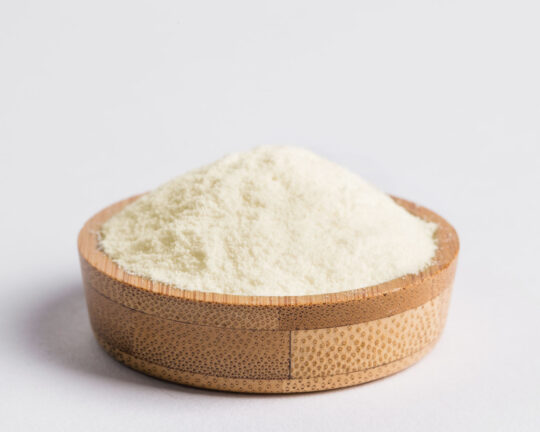
Building Better Bakery Products Through Smarter Ingredient Selection
Modern bakery manufacturing requires precision. Every ingredient has a role, and Milk Powder for Bakery is one of the key components that can influence the success of the final product. From improving texture and flavor to supporting production consistency, the right milk powder helps manufacturers create bakery products that meet both industrial standards and consumer expectations.
The best factories understand that ingredient sourcing is not simply about purchasing raw materials. It is about building a reliable foundation for quality, efficiency, and long-term growth. With access to multiple brands and competitive sourcing solutions, MT Royal helps manufacturers choose dairy ingredients that support their production goals.
In a market where consumers notice every detail, the difference between an average bakery product and an exceptional one often begins with the decisions made before production even starts.

No comment