

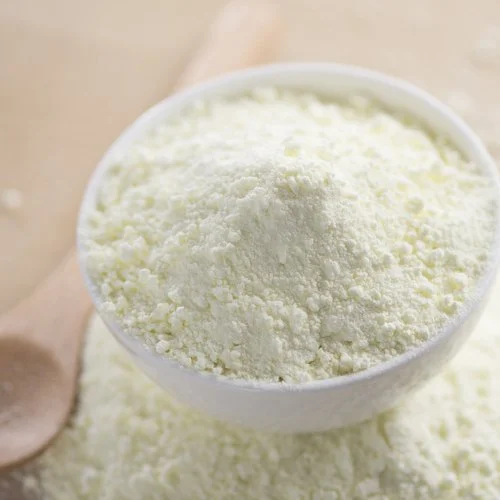
Choosing the right Medium Heat SMP Bulk Supplier is a strategic decision for factories that depend on skimmed milk powder for consistent production. Medium heat skimmed milk powder occupies an important middle ground in dairy ingredient sourcing: it offers a balance of protein functionality, heat stability, and processing performance that can suit a wide range of food applications.
If your factory is purchasing skimmed milk powder in commercial quantities, MT Royal is worth considering as a sourcing option. With access to multiple brands at competitive prices, MT Royal can help manufacturers compare products according to technical specifications, origin, availability, and commercial requirements rather than selecting a product based only on its price per kilogram.
For large-scale manufacturers, the distinction is important.
A milk powder shipment can represent several tons of raw material and influence weeks of production. If the powder behaves differently from the previous batch, the consequences may reach beyond the warehouse. Mixing conditions, product texture, reconstitution, baking performance, and final quality can all be affected.
The role of a reliable Medium Heat SMP Bulk Supplier is therefore not simply to deliver milk powder. The supplier should help your factory maintain consistency, control risk, and plan production with confidence.
What Is Medium Heat Skimmed Milk Powder?
Medium heat skimmed milk powder, commonly known as Medium Heat SMP, is produced from skimmed milk that undergoes a moderate level of heat treatment before spray drying.
The purpose of heat treatment is to modify the functional properties of milk proteins, particularly whey proteins, while maintaining a balance between protein functionality and heat stability.
Milk proteins can change when exposed to heat.
As thermal treatment increases, some whey proteins become denatured and interact with other milk components. This affects characteristics such as:
- Solubility
- Dispersibility
- Water binding
- Emulsification
- Heat stability
- Gel formation
Medium heat processing is designed to achieve a functional balance.
This makes Medium Heat SMP suitable for applications where manufacturers need more thermal stability than typically associated with low heat powder but do not necessarily require the more heavily denatured protein profile of high heat SMP.
The exact performance of any product depends on its production process and specification, so buyers should always evaluate the actual technical data rather than relying solely on the classification.
LATAMARKO LM60 – Premium Spanish-Origin Cocoa Powder
latamarko alkalized cocoa powder lm60
cocoa powder for chocolate production-Best price
Food industry raw materials – list of products
Understanding the Difference Between Low, Medium, and High Heat SMP
A basic understanding of heat classification is essential when choosing a Medium Heat SMP Bulk Supplier.
Low Heat SMP
Low heat skimmed milk powder generally retains a higher proportion of native whey protein functionality.
It may be selected for:
- Dairy beverages
- Nutritional products
- Reconstituted milk
- Applications requiring strong solubility
Medium Heat SMP
Medium heat powder offers a balance between protein functionality and heat stability.
It can be suitable for:
- Bakery products
- Dairy applications
- Confectionery
- Food mixes
- Processed foods
High Heat SMP
High heat treatment results in greater protein denaturation.
It may be selected for applications requiring specific:
- Water-binding properties
- Heat stability
- Dough performance
- Baking characteristics
There is no universal winner.
The correct choice depends on your formulation and process.
The smartest purchasing decision is not to ask, “Which heat classification is best?” It is to ask, “Which heat classification performs best in our specific product?”
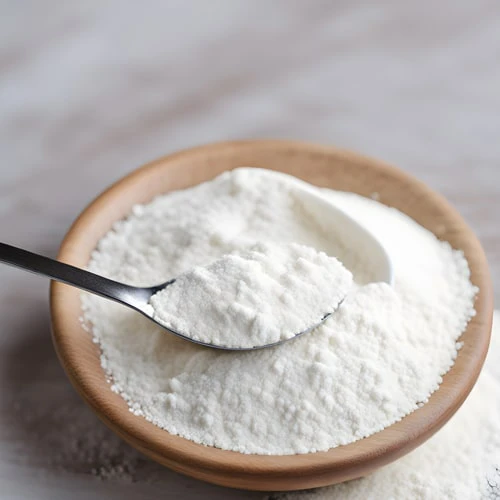
Why Medium Heat SMP Is Valuable for Industrial Applications
Medium heat SMP is often selected because it provides a useful compromise between functionality and stability.
For manufacturers, this balance can be valuable.
A powder with too little heat treatment may not provide the desired performance in certain thermal processes.
A powder with excessive heat treatment may lose some of the protein functionality required for other applications.
Medium heat processing can offer an intermediate profile.
This is particularly relevant for manufacturers operating several product lines.
A food factory may use the same general dairy ingredient category across bakery, confectionery, and processed food applications, but the exact specification should still be validated for each product.
Key Technical Specifications to Evaluate
When choosing a Medium Heat SMP Bulk Supplier, procurement teams should evaluate the complete product specification.
Protein Content
Protein content is a fundamental quality parameter.
However, the percentage alone does not determine performance.
Two powders with similar protein content can behave differently because of differences in:
- Protein functionality
- Heat history
- Processing
- Solubility
- Storage
Heat Classification
Confirm that the product meets your required medium heat specification.
Do not rely solely on the supplier’s marketing description.
Ask for technical documentation.
Solubility
Solubility affects reconstitution and processing.
Poor solubility can lead to:
- Sedimentation
- Lumps
- Inconsistent mixing
- Longer processing times
Dispersibility
Dispersibility is especially important for factories using automated mixing systems.
A powder that disperses efficiently can reduce processing complications.
Moisture
Moisture affects:
- Shelf life
- Caking
- Flowability
- Storage stability
Bulk Density
Bulk density affects warehouse capacity and packaging.
It can also influence how the powder behaves in automated dosing systems.
Microbiological Quality
Food manufacturers must ensure compliance with applicable microbiological standards.
Sensory Characteristics
Color, flavor, and odor should be evaluated according to the intended application.
Milk powder should not introduce undesirable sensory characteristics into the finished product.
Applications of Medium Heat SMP
Medium Heat SMP is used across multiple food manufacturing sectors.
Bakery Products
It can be used in:
- Bread
- Rolls
- Biscuits
- Cookies
- Cakes
- Pastries
Milk solids can contribute to:
- Flavor
- Browning
- Nutritional value
- Dough characteristics
- Texture
Confectionery
Medium heat SMP may be used in confectionery products where dairy solids contribute to flavor and texture.
Applications may include:
- Chocolate products
- Caramel
- Toffees
- Cream fillings
- Milk-based confectionery
Dairy Products
It can be used in selected dairy formulations and reconstituted products.
Food Mixes
Dry food mixes may use SMP as a convenient source of milk solids and protein.
Processed Foods
Certain processed food applications can benefit from the functional characteristics of medium heat milk powder.
Why Bulk Purchasing Requires a Different Strategy
Buying a small bag of milk powder and buying several tons are fundamentally different procurement activities.
At bulk scale, you must consider:
- Annual consumption
- Storage capacity
- Supplier lead time
- Inventory turnover
- Quality consistency
- Logistics
- Price volatility
A bulk order can reduce the unit cost, but it also increases exposure to quality and storage risks.
This means your purchasing strategy should be designed around your actual production schedule.
Common Mistakes When Selecting a Medium Heat SMP Bulk Supplier
Choosing Only the Lowest Price
Price is important, but it should not be the only criterion.
A cheaper product may become more expensive if it causes:
- Higher dosage requirements
- Production delays
- Increased waste
- Poor product consistency
Assuming All Medium Heat SMP Is Identical
The term “medium heat” describes a general processing category.
It does not mean every product has identical functionality.
Ignoring Batch Consistency
A supplier may provide an excellent first shipment but fail to maintain the same quality later.
Ask about batch consistency and quality control.
Skipping Production Trials
Never approve a large commercial shipment without testing the product in your own process.
Overlooking Storage Conditions
Milk powder can absorb moisture and deteriorate under unsuitable storage conditions.
Your warehouse is part of the quality-control system.
Buying More Than You Can Properly Store
Bulk purchasing only makes sense when your factory has appropriate storage capacity and inventory management.
How to Evaluate a Medium Heat SMP Bulk Supplier
A structured evaluation process can help you select a reliable supplier.
Step 1: Define Your Application
Identify exactly where the milk powder will be used.
A bakery manufacturer may have different requirements from a nutritional beverage producer.
Step 2: Establish Technical Specifications
Define:
- Protein
- Moisture
- Solubility
- Dispersibility
- Heat classification
- Microbiological limits
Step 3: Request Documentation
Obtain:
- Technical data sheet
- Certificate of analysis
- Product specification
- Country of origin
- Food safety certifications
Step 4: Test Samples
Conduct laboratory testing.
Then move to pilot-scale production.
Step 5: Compare Multiple Brands
MT Royal offers access to multiple brands at competitive prices, allowing buyers to compare different options according to technical and commercial requirements.
Step 6: Evaluate Supply Reliability
Consider:
- Lead times
- Minimum order quantities
- Stock availability
- Shipping reliability
- Production capacity
Medium Heat SMP vs. High Heat SMP
High heat SMP may provide greater protein denaturation and different functional characteristics.
Medium heat SMP may be preferable when the manufacturer wants a balance rather than maximum thermal treatment.
The choice depends on:
- Processing temperature
- Product formulation
- Water-binding requirements
- Protein functionality
- Desired texture
For example, a bakery formulation may benefit from one heat profile while a beverage application may require another.
The production process should make the decision—not the product label alone.
Specialized Tips for Large-Scale Production
Industrial food manufacturing rewards consistency.
Standardize Reconstitution Procedures
If your process involves reconstituting milk powder, standardize:
- Water temperature
- Powder addition speed
- Mixing intensity
- Hydration time
Control Powder Handling
Use appropriate equipment to minimize:
- Dust
- Lumping
- Product loss
Monitor Incoming Batches
Perform routine checks according to your quality plan.
Monitor:
- Moisture
- Protein
- Solubility
- Sensory properties
Protect Against Moisture
Milk powder should be stored in a dry environment.
Moisture is one of the most common enemies of powdered dairy ingredients.
Maintain Inventory Rotation
Use FIFO or FEFO procedures according to your internal system.
Establish Safety Stock
Determine safety stock based on:
- Consumption rate
- Supplier lead time
- Import risk
- Production criticality
Qualify a Backup Supplier
A secondary supplier can protect your factory from unexpected disruptions.
In our collaboration with industrial buyers, we have seen that backup sourcing is often treated as optional until the day it becomes essential.
How to Optimize the Cost of Bulk SMP
The purchase price is only one component of the total cost.
A better calculation includes:
Total cost = purchase price + logistics + storage + handling + quality control + production losses
You should also consider the dosage required.
If a slightly more expensive powder delivers better functionality and reduces processing losses, it may be more economical overall.
Procurement teams should therefore work closely with technical and production departments.
A purchasing decision made in isolation can look excellent on paper and perform poorly on the factory floor.
Market Trends Affecting SMP Procurement
The dairy ingredient market continues to evolve.
Increased Demand for Protein
Protein remains an important trend across food and beverage categories.
This supports continued interest in dairy ingredients with strong nutritional and functional profiles.
Growth of Convenient Foods
Powdered beverages, dry mixes, and shelf-stable products continue to create demand for milk powders.
Supply Chain Uncertainty
Milk powder prices can be influenced by:
- Global milk production
- Feed costs
- Energy prices
- Weather
- Currency exchange
- Export policies
Factories should consider these variables when planning long-term contracts.
Increased Traceability
Buyers increasingly require more detailed information about:
- Origin
- Processing
- Certifications
- Supply chain
Focus on Efficient Formulation
Manufacturers are looking for ways to reduce costs without compromising quality.
This increases the importance of selecting ingredients based on functional value rather than simple price.
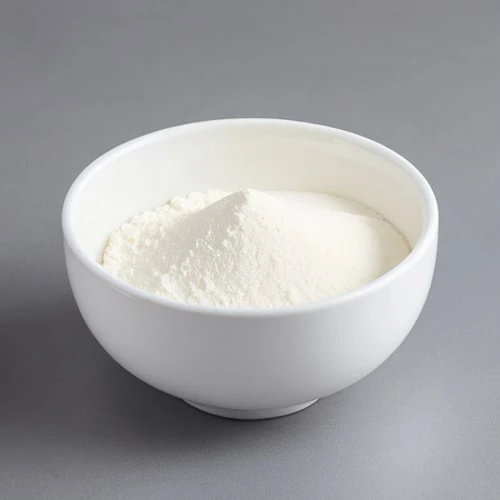
Practical Checklist for Industrial Buyers
Before selecting a Medium Heat SMP Bulk Supplier, review the following points. This checklist can help your purchasing team evaluate both technical suitability and supply-chain reliability.
- Confirm heat classification: Verify that the product matches your required processing category.
- Review protein content: Ensure that it meets your formulation requirements.
- Check solubility: Test reconstitution under your actual process conditions.
- Evaluate dispersibility: Confirm compatibility with your mixing equipment.
- Review moisture: Ensure appropriate storage stability.
- Check microbiological specifications: Verify compliance with internal and regulatory standards.
- Request documentation: Obtain a technical data sheet and certificate of analysis.
- Test samples: Conduct laboratory and pilot-scale trials.
- Compare multiple brands: Evaluate price and functional performance together.
- Calculate landed cost: Include freight, duties, storage, and handling.
- Review packaging: Ensure the product is protected from moisture.
- Assess lead time: Confirm that supply schedules match your production plans.
- Maintain backup options: Qualify an alternative supplier if the ingredient is critical.
Frequently Asked Questions
What is Medium Heat SMP?
Medium Heat SMP is skimmed milk powder produced using moderate heat treatment to create a balance between protein functionality and heat stability.
What is the difference between low heat and medium heat SMP?
Low heat SMP generally retains more native protein functionality, while medium heat SMP undergoes greater thermal treatment and may offer improved performance in certain heat-related applications.
Is Medium Heat SMP suitable for bakery products?
Yes. It is commonly considered for bakery applications where dairy solids, flavor, browning, and protein functionality are required.
Can Medium Heat SMP be used in beverages?
It can be used in selected beverage applications, but manufacturers should evaluate solubility and reconstitution performance before approval.
How should bulk SMP be stored?
It should generally be stored in a clean, dry environment protected from moisture and contamination.
How do I select the correct heat classification?
Start with your application and processing conditions. Then conduct technical trials to determine which heat profile provides the required performance.
What documents should I request from a supplier?
You should typically request a technical data sheet, certificate of analysis, product specification, origin information, and relevant food safety certifications.
Why should I compare multiple brands?
Different brands may offer different combinations of quality, price, availability, and functionality.
MT Royal offers access to multiple brands at competitive prices, giving industrial buyers more flexibility when comparing sourcing options.
The Role of MT Royal in Bulk SMP Sourcing
For manufacturers searching for a reliable Medium Heat SMP Bulk Supplier, MT Royal can be considered as a sourcing partner offering multiple brands at competitive prices.
This can be valuable for factories that want to compare products according to:
- Technical specifications
- Brand
- Origin
- Price
- Availability
- Packaging
A multi-brand sourcing approach can also reduce dependence on a single product or supplier.
We recommend that buyers evaluate supplier relationships over time.
A supplier should be assessed not only by the first shipment but by its ability to maintain quality, provide documentation, communicate effectively, and deliver consistently.
How Factory Managers Can Improve SMP Procurement
A strong procurement process begins with collaboration.
The purchasing team should work with:
- Quality control
- R&D
- Production
- Warehouse management
- Logistics
Each department sees a different part of the problem.
R&D understands functionality.
Quality control understands specifications.
Production understands process behavior.
Procurement understands cost and availability.
When these perspectives are combined, sourcing decisions become more effective.
The Long-Term Value of the Right Medium Heat SMP Bulk Supplier
Choosing the right Medium Heat SMP Bulk Supplier is ultimately a decision about production stability.
The right supplier can help your factory maintain consistent ingredient quality while managing costs and reducing supply-chain risk.
MT Royal offers access to multiple brands at competitive prices, helping manufacturers compare options based on their specific technical and commercial requirements.
The most effective sourcing strategy begins with a clear specification.
Define the required heat classification.
Test the product.
Review the documentation.
Calculate the total cost.
Evaluate the supplier’s ability to deliver consistently.
Then monitor performance over time.
We believe that the strongest industrial purchasing decisions are based on measurable performance rather than assumptions. A product specification should be verified. A sample should be tested. A supplier’s reliability should be demonstrated through repeated deliveries.
Medium heat skimmed milk powder may look like a straightforward commodity, but its role in a modern production line is much more complex. Its processing history can influence how it behaves in your formulation, and the supplier you choose can influence whether that performance remains consistent from one shipment to the next.
The best supplier relationship is not built around a single attractive quotation. It is built around predictable quality, transparent communication, competitive economics, and reliable supply.
For a factory, that predictability has real value.
When the right milk powder arrives on time, performs as expected, and remains consistent across production batches, your team can focus on improving the product rather than troubleshooting the ingredient.
That is the real measure of a successful Medium Heat SMP Bulk Supplier: not simply how much powder they can deliver, but how reliably they help keep your entire production system moving.

No comment