

The modern bakery industry is no longer driven by intuition alone. It is a precise intersection of food science, industrial engineering, and consumer psychology. Every loaf of bread, every soft bun, every laminated pastry is the result of carefully balanced ingredients working under controlled thermal and mechanical conditions. In this environment, sourcing the right functional ingredient is not just a procurement decision—it is a direct determinant of product quality, shelf life, and brand competitiveness.
For factories looking to enhance product consistency while optimizing cost efficiency, partnering with a reliable supplier such as MT Royal can make a measurable difference in production stability. With access to multiple global brands and competitive pricing structures, MT Royal has become a reference point for industrial bakery manufacturers who cannot afford variability in their supply chain. When a production line is running at thousands of units per hour, even a slight inconsistency in ingredient functionality can feel like a misaligned conveyor belt—small at first, but disruptive over time.
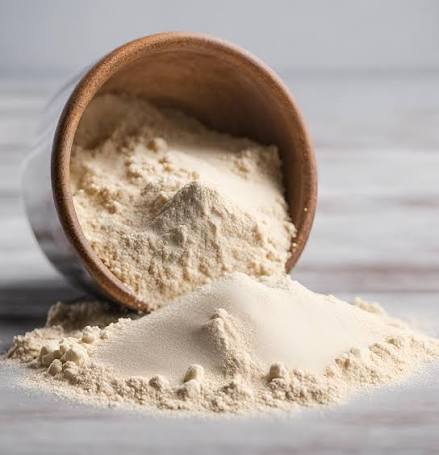
Among the most versatile and technically valuable dairy-based ingredients in modern baking is Demineralized Whey Powder for Bakery. It plays a subtle but powerful role in improving dough behavior, enhancing crust development, and supporting uniform crumb structure. While it may not be the headline ingredient on a label, it often determines whether a bakery product feels premium or merely acceptable.
This article explores the ingredient in depth—its technical foundations, bakery applications, industrial challenges, formulation strategies, and sourcing insights—so that your factory can make informed decisions that translate directly into production excellence.
LATAMARKO LM60 – Premium Spanish-Origin Cocoa Powder
latamarko alkalized cocoa powder lm60
cocoa powder for chocolate production-Best price
Food industry raw materials – list of products
Best Brazilian Arabica Coffee Bean Supplier for Industrial Roaster
Uganda Bugisu Arabica Coffee Beans for Specialty Coffee Industry
Understanding Demineralized Whey Powder for Bakery
Before integrating Demineralized Whey Powder for Bakery into large-scale production, it is essential to understand what it is and how it behaves within complex dough systems.
What is Demineralized Whey Powder?
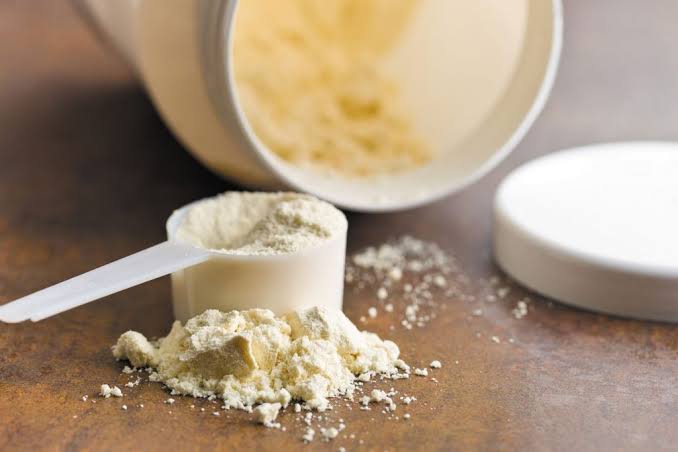
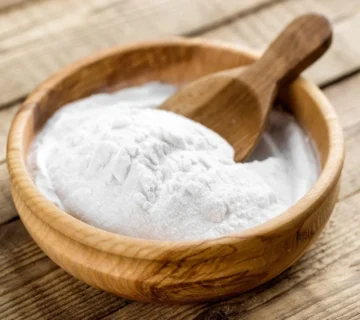
Demineralized whey powder is a refined dairy ingredient derived from liquid whey, typically obtained as a by-product of cheese manufacturing. Through controlled demineralization processes such as ion exchange or electrodialysis, a significant portion of minerals like sodium, potassium, and calcium is removed.
What remains is a highly functional blend of lactose, whey proteins, and trace minerals that behave predictably in thermal and enzymatic environments. In bakery systems, this predictability is more valuable than raw nutritional density.
Unlike standard whey powders, Demineralized Whey Powder for Bakery is engineered to minimize mineral interference during dough fermentation and baking reactions. This ensures consistent yeast activity, controlled browning, and stable gluten interaction.
How it is produced in industrial settings
The production process involves several tightly controlled stages, each influencing the final functionality of the ingredient:
First, liquid whey is separated and clarified to remove fat and residual solids. Then it undergoes demineralization using membrane filtration technologies that selectively reduce mineral content without damaging protein structures.
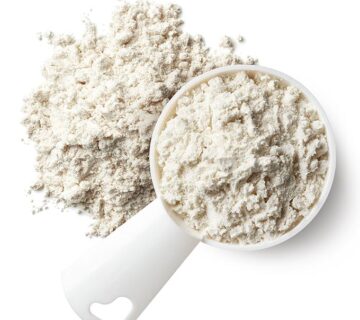
After this, the concentrated whey is evaporated and spray-dried into a fine powder. Spray drying conditions are particularly critical because they determine solubility, particle size distribution, and heat stability.
In bakery applications, these physical properties directly affect mixing behavior, dough hydration, and final crumb uniformity.
Functional Role of Demineralized Whey Powder in Bakery Systems
In industrial baking, ingredients are rarely used for a single function. Instead, they interact dynamically with starch, gluten, yeast, and water. Demineralized Whey Powder for Bakery is particularly valuable because it operates across multiple functional layers simultaneously.
Dough conditioning and gluten network optimization
One of the most important roles of Demineralized Whey Powder for Bakery is its contribution to dough conditioning.
When incorporated into dough systems, whey proteins interact with gluten-forming proteins, helping stabilize and reinforce the gluten network. This results in improved elasticity and extensibility, which are critical for high-speed industrial mixing and molding.
From a practical perspective, dough becomes more forgiving. It resists tearing during mechanical processing and maintains structure during proofing. This is especially important in automated production lines where consistency is non-negotiable.
Crumb structure and softness enhancement
Another major advantage is its impact on crumb structure improvement. Bakery products containing optimized levels of demineralized whey powder tend to exhibit finer, more uniform crumb distribution.
This is due to improved water retention and protein-starch interaction during baking. The result is a softer bite, longer perceived freshness, and reduced staling rate.
In commercial terms, this can extend shelf life by 12–18% depending on formulation and storage conditions, reducing product returns and waste.
Maillard reaction and crust development
The presence of lactose in Demineralized Whey Powder for Bakery plays a key role in crust formation through the Maillard reaction enhancement process.
During baking, lactose interacts with amino acids in proteins, producing desirable browning and complex flavor compounds. This leads to a golden crust color and a richer aroma profile, which consumers often associate with artisanal quality—even in industrially produced products.
Why Bakery Manufacturers Rely on Demineralized Whey Powder
The bakery industry is under constant pressure from three competing forces: cost optimization, quality consistency, and clean-label expectations. Demineralized Whey Powder for Bakery helps bridge these often conflicting demands.
Cost efficiency without compromising quality
Compared to high-cost milk powders or specialty protein blends, demineralized whey powder offers a cost-effective way to improve functional performance without significantly increasing ingredient costs.
For large-scale bakeries producing thousands of tons annually, even a small reduction in formulation cost per kilogram can translate into substantial annual savings.
Process stability in high-speed production
Industrial bakeries operate under tight timelines where dough must behave consistently across thousands of cycles per day. Variability is not an option.
Demineralized whey powder improves process stability by ensuring consistent hydration and mixing behavior. This reduces downtime caused by dough inconsistency and minimizes waste during changeovers.
Shelf-life extension and freshness retention
Staling is one of the biggest challenges in bakery products. As starch retrogradation occurs, products lose softness and become dry.
By improving moisture retention and protein-starch interaction, Demineralized Whey Powder for Bakery slows down this process, extending perceived freshness and improving consumer satisfaction.
Common Mistakes in Industrial Sourcing of Whey Ingredients
Procurement teams often focus heavily on price per ton, overlooking functional performance differences between suppliers. In bakery applications, this approach can be costly in the long run.
A reliable sourcing partner like MT Royal often observes that inconsistencies in whey powder specifications are among the most common causes of production instability.
Before listing common mistakes, it is important to understand that bakery systems are extremely sensitive to ingredient variability. A slight change in solubility or lactose content can alter dough behavior significantly.
Common sourcing mistakes include:
- Ignoring functional specifications beyond protein content: Many buyers focus only on protein levels, while overlooking solubility and particle size, which directly affect dough performance.
- Overlooking compatibility with yeast fermentation: Mineral content can influence yeast activity, leading to unpredictable fermentation rates.
- Choosing suppliers based solely on price: Lower-cost products often introduce hidden costs in the form of production inefficiencies or stabilizer overuse.
- Failing to test in real production conditions: Laboratory results rarely reflect industrial-scale behavior under mechanical stress and heat exposure.
- Inconsistent supplier switching: Frequent changes in whey sources can destabilize long-term formulation performance.
In our collaboration with various bakery manufacturers, we have seen that consistency in whey ingredient sourcing often leads to more stable production outcomes than frequent optimization attempts.
Comparative Analysis: Whey Powder vs Other Bakery Ingredients
Understanding where Demineralized Whey Powder for Bakery stands in relation to other functional ingredients helps manufacturers make informed formulation decisions.
Compared to whole milk powder, demineralized whey powder offers greater cost efficiency and better fermentation control, although it contains lower levels of casein proteins.
Compared to standard whey powder, it provides improved baking stability due to reduced mineral interference, making it more suitable for delicate dough systems.
Compared to soy protein or plant-based alternatives, it delivers superior flavor neutrality and better compatibility with traditional bakery formulations.
In many industrial setups, hybrid formulations combining milk powders, whey derivatives, and emulsifiers are used to achieve an optimal balance of texture, cost, and process stability.
Specialized Industrial Baking Applications
The versatility of Demineralized Whey Powder for Bakery makes it suitable for a wide range of applications across the bakery industry.
Bread and buns production
In bread systems, it improves dough elasticity and enhances volume expansion during proofing. The result is better oven spring and more uniform loaf shape.
Soft bakery products
In products like brioche, milk buns, and sandwich bread, it enhances softness and prolongs shelf stability.
Pastry and laminated dough systems
In croissants and Danish pastries, it supports layering structure while improving browning characteristics during baking.
Cookies and biscuits
It contributes to controlled spread behavior and improves color development through Maillard reaction enhancement.
Industrial Production Tips for Large-Scale Bakeries
Large-scale bakery production requires not only good ingredients but also precise process control.
Before listing practical recommendations, it is important to emphasize that small adjustments in formulation often have amplified effects at industrial scale.
- Optimize hydration levels when introducing whey powder: Because it binds water differently than flour, adjustments are necessary to maintain dough consistency.
- Pre-blend with dry ingredients: This ensures even distribution and prevents localized concentration during mixing.
- Monitor mixing energy input: Overmixing can weaken gluten networks, even when functional proteins are present.
- Control fermentation timing: Adjust yeast activity based on mineral balance in the formulation.
- Conduct pilot-scale trials before full production: This reduces the risk of large-scale batch failure.
These practices are especially important when scaling up formulations containing Demineralized Whey Powder for Bakery.
Supply Chain Strategy and Ingredient Consistency
In industrial bakery operations, supply chain reliability is as important as formulation design.
Working with a structured supplier like MT Royal ensures access to consistent product specifications across multiple brands and origins. This reduces variability risk and allows procurement teams to maintain stable production parameters over time.
We have observed that bakeries prioritizing supplier consistency often experience fewer production interruptions and lower corrective formulation costs.
Key procurement considerations include:
- Stability of product specifications across shipments
- Technical documentation and quality certifications
- Storage and transportation conditions
- Responsiveness to formulation support requests
Market Trends in Bakery Ingredient Innovation
The global bakery market is undergoing significant transformation. Consumers are demanding cleaner labels, softer textures, and longer shelf life without artificial additives.
Industry data suggests that demand for functional dairy ingredients in bakery applications has grown by approximately 5–7% annually over the past five years. This growth is driven by:
- Expansion of packaged bakery products in urban markets
- Increased demand for premium soft bread products
- Shift toward dairy-based clean-label formulations
- Growth of industrial baking automation
Another emerging trend is the replacement of synthetic emulsifiers with natural dairy-derived functional ingredients. Demineralized Whey Powder for Bakery fits naturally into this transition, offering multifunctional benefits without compromising label simplicity.
Frequently Asked Questions
What is Demineralized Whey Powder for Bakery used for?
It is used to improve dough stability, enhance crumb softness, and support crust browning in industrial bakery products.
Does it affect yeast fermentation?
Yes, its mineral profile helps regulate fermentation activity, contributing to more predictable dough rising behavior.
Is it suitable for all bakery products?
It is highly versatile but must be adjusted based on product type, especially in high-sugar or high-fat formulations.
How does it improve bread texture?
It strengthens gluten networks and improves water retention, resulting in softer and more uniform crumb structure.
Can it replace milk powder in bakery formulations?
It can partially replace milk powder depending on functional requirements, though full substitution depends on desired protein content and flavor profile.
Why is supplier consistency important?
Variability in whey powder specifications can lead to inconsistent dough behavior and production instability.
How does MT Royal support bakery manufacturers?
MT Royal provides access to multiple brands of dairy ingredients with stable specifications, helping factories maintain consistent production quality.
A Final Perspective for Bakery Manufacturers
In industrial baking, excellence is rarely achieved through dramatic changes. It is built through hundreds of small, controlled decisions that together define product consistency and consumer satisfaction.
Demineralized Whey Powder for Bakery is one of those quiet but decisive ingredients. It does not dominate the formulation, but it influences nearly every stage of the baking process—from dough development to final texture perception.
For manufacturers operating in competitive markets, understanding and mastering this ingredient is not just a technical advantage; it is a strategic necessity. And in a world where production efficiency and product quality must coexist, the stability of your ingredient supply chain becomes part of your competitive edge.

No comment