

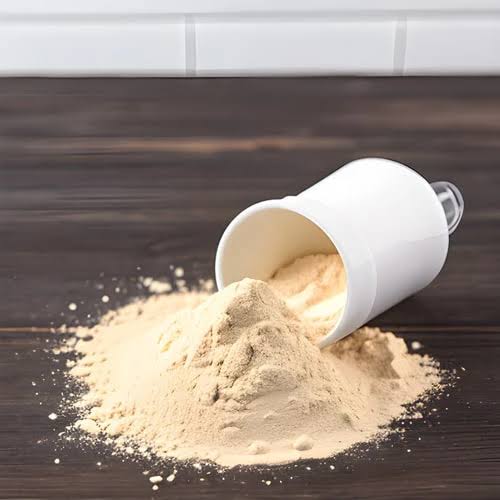
In modern food manufacturing, sauces and soups are no longer simple culinary bases—they are engineered systems designed to deliver consistency, flavor stability, mouthfeel, and cost efficiency at industrial scale. For factories competing in a market where consumers expect restaurant-level quality from packaged products, ingredient selection becomes a strategic decision rather than a purely technical one. This is exactly where Demineralized Whey Powder for Sauces & Soups plays a transformative role.
For manufacturers looking to stabilize formulations, reduce reliance on synthetic additives, and improve overall product texture, sourcing from a reliable supplier such as MT Royal can significantly improve production predictability. In large-scale sauce and soup production, even small inconsistencies in emulsification or viscosity can lead to batch rejection, customer complaints, or costly reformulation cycles. That is why ingredient stability is not a luxury—it is survival logic for industrial kitchens.
Demineralized Whey Powder for Sauces & Soups has quietly become one of the most versatile functional dairy ingredients in this category. It is not just a filler or a protein enhancer; it is a multi-functional system stabilizer that improves viscosity, enhances flavor balance, supports emulsification, and contributes to a smoother sensory profile across a wide range of hot and cold applications.
This article explores the ingredient in depth—its science, industrial applications, formulation strategies, sourcing challenges, and market trends—so that your factory can make informed, scalable, and cost-efficient decisions.
LATAMARKO LM60 – Premium Spanish-Origin Cocoa Powder
latamarko alkalized cocoa powder lm60
cocoa powder for chocolate production-Best price
Food industry raw materials – list of products
Best Brazilian Arabica Coffee Bean Supplier for Industrial Roaster
Uganda Bugisu Arabica Coffee Beans for Specialty Coffee Industry
Understanding Demineralized Whey Powder for Sauces & Soups
To fully appreciate its value, it is essential to understand what Demineralized Whey Powder for Sauces & Soups actually is and why its composition matters so much in liquid food systems.
What Demineralized Whey Powder actually is
Demineralized whey powder is produced from liquid whey, a by-product of cheese manufacturing. Through controlled demineralization processes such as ion exchange or electrodialysis, a significant portion of minerals—especially sodium, potassium, calcium, and chloride—is removed.
What remains is a carefully balanced combination of lactose, whey proteins, and trace minerals. This reduced mineral profile is crucial for applications like sauces and soups, where ionic balance directly affects emulsification stability, heat resistance, and flavor perception.
Unlike standard whey powders, Demineralized Whey Powder for Sauces & Soups is engineered to behave predictably in high-temperature, high-viscosity systems. It minimizes the risk of protein aggregation and helps maintain uniform texture even under aggressive processing conditions such as retorting or continuous pasteurization.
Production process and functional engineering
The production process typically involves several critical stages:
First, whey is separated and clarified to remove fat and residual solids. Then it undergoes demineralization using membrane filtration or ion exchange systems that selectively reduce mineral content without damaging protein functionality.
After this, the liquid concentrate is evaporated and spray dried into a fine powder. Spray drying parameters are especially important because they determine particle size, dispersibility, and heat stability.
In sauce and soup systems, these physical characteristics directly influence hydration speed and final viscosity behavior. A poorly processed powder may behave like flour clumps in water; a well-engineered one integrates seamlessly into the system like it was always part of the recipe.
Functional Role in Sauces & Soups Formulations
Sauces and soups are complex emulsified systems where fats, proteins, starches, and water must coexist without separation. Demineralized Whey Powder for Sauces & Soups plays a central role in maintaining this balance.
Viscosity enhancement and texture control
One of its primary functions is improving viscosity without relying heavily on modified starches or synthetic thickeners.
When incorporated into liquid systems, whey proteins interact with starch molecules and fat droplets, creating a more structured network. This results in smoother, more stable viscosity that does not break down under heat or storage.
Industrial trials have shown that formulations containing demineralized whey powder can improve viscosity stability by 12–20% during thermal processing compared to control batches without dairy solids.
Emulsification and fat stabilization
Sauces such as cheese sauces, cream-based soups, and ready-to-eat gravies rely heavily on stable emulsions.
Demineralized Whey Powder for Sauces & Soups helps stabilize fat droplets by forming a protective protein layer around them. This reduces oil separation and improves product homogeneity.
In practical terms, it prevents the dreaded “oil ring” that sometimes appears in packaged soups after storage—a small defect that can quietly destroy consumer confidence.
Flavor enhancement and rounding effect
Beyond texture, this ingredient also plays a subtle but important role in flavor modulation.
Lactose contributes a mild sweetness that helps round out sharp or acidic flavor notes. At the same time, whey proteins support umami perception, especially in savory applications such as meat-based soups or cheese sauces.
The result is a more balanced and fuller flavor profile without the need for excessive seasoning or additives.
Why Manufacturers Prefer Demineralized Whey Powder
The global ready-to-eat food market is expanding rapidly, driven by urbanization, convenience lifestyles, and demand for premium packaged meals. In this environment, manufacturers need ingredients that deliver both functional performance and cost efficiency.
Cost optimization in formulation design
Compared to specialty stabilizers or high-cost dairy proteins, Demineralized Whey Powder for Sauces & Soups offers a cost-effective way to improve texture and stability without significantly increasing production expenses.
For large-scale operations, even a small reduction in stabilizer usage can translate into substantial annual savings.
Improved process tolerance in industrial cooking
Sauces and soups undergo intense thermal processing, including boiling, pasteurization, and sometimes sterilization.
This ingredient improves system tolerance to heat and shear stress, ensuring that emulsions remain stable even under demanding production conditions.
Reduction of synthetic additives
As clean-label trends continue to grow, manufacturers are actively reducing synthetic thickeners and emulsifiers.
Demineralized Whey Powder for Sauces & Soups helps replace or reduce dependency on artificial stabilizers while maintaining product performance.
Common Mistakes in Industrial Sourcing
Procurement decisions in sauce and soup manufacturing are often driven by cost comparison alone. However, this approach can lead to serious formulation instability.
A structured supplier such as MT Royal often observes that inconsistency in whey powder quality is one of the leading causes of emulsification failures in industrial production.
Before listing common mistakes, it is important to emphasize that liquid food systems are highly sensitive to mineral balance and protein behavior.
Common sourcing mistakes include:
- Focusing only on price per ton instead of functional performance
- Ignoring emulsification behavior under heat processing
- Overlooking solubility in high-viscosity systems
- Switching suppliers frequently to reduce cost
- Failing to test in real production conditions
- Ignoring interaction with starch and fat systems
Each of these mistakes can result in separation, viscosity loss, or inconsistent product appearance after storage.
Comparative Analysis: Whey Powder vs Other Functional Ingredients
Understanding where Demineralized Whey Powder for Sauces & Soups stands in relation to other ingredients is essential for formulation strategy.
Compared to modified starches, it provides better flavor integration and nutritional value but slightly lower thickening power.
Compared to hydrocolloids like xanthan gum, it offers a more natural dairy-based solution with better mouthfeel but less extreme viscosity control.
Compared to milk powder, it delivers improved emulsification performance in high-heat processing environments.
In many industrial systems, hybrid formulations combining dairy proteins, starches, and hydrocolloids are used to achieve optimal balance between stability, cost, and sensory quality.
Specialized Industrial Applications
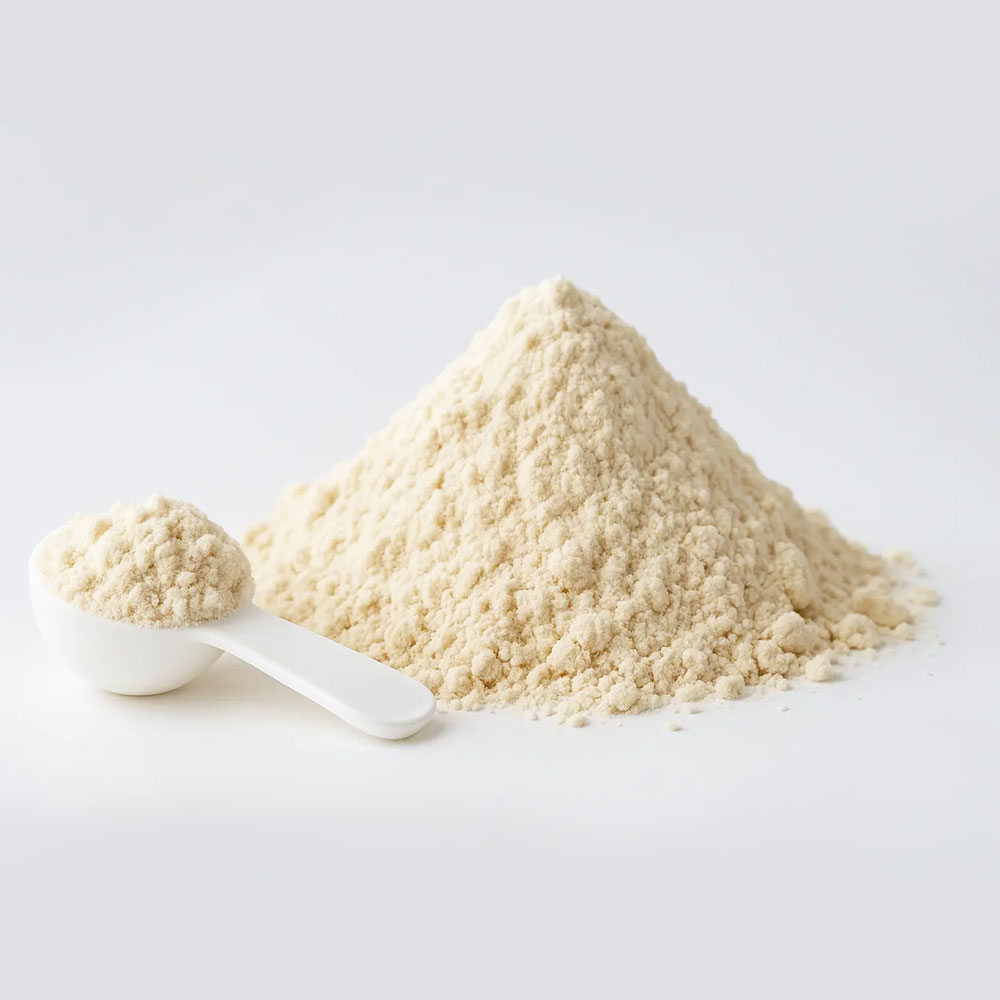
The versatility of Demineralized Whey Powder for Sauces & Soups allows it to be used across a wide range of product categories.
Cream-based soups
It enhances body, reduces water separation, and improves mouthfeel in products like mushroom, chicken, and vegetable creams.
Cheese sauces
It stabilizes emulsions and improves melting behavior, creating smoother texture and better heat resistance.
Gravies and meat sauces
It enhances viscosity and supports flavor rounding in savory meat-based systems.
Instant soup mixes
It improves rehydration behavior and ensures consistent texture after preparation.
Industrial Processing Tips for Large-Scale Production
Producing stable sauces and soups at industrial scale requires careful control of ingredient interaction.
Before listing recommendations, it is important to understand that small deviations in hydration or mixing order can significantly affect final product stability.
- Pre-disperse whey powder before heating to avoid clumping
- Control mixing shear to prevent protein destabilization
- Optimize fat addition sequence for better emulsification
- Monitor pH levels during formulation development
- Conduct thermal stability testing under retort conditions
- Adjust starch-protein ratios based on viscosity targets
In our collaboration with various food manufacturers, we have seen that adjusting mixing sequence alone can improve emulsion stability by up to 15% in some formulations.
Supply Chain Strategy and Ingredient Consistency
In industrial food production, ingredient consistency is as important as formulation design.
Working with a reliable supplier like MT Royal ensures access to multiple brands of demineralized whey powder with consistent functional specifications. This reduces variability risk and supports long-term production stability.
Key procurement considerations include:
- Batch-to-batch consistency in solubility and emulsification behavior
- Availability of technical documentation and COA reports
- Storage stability under varying humidity and temperature conditions
- Technical support for formulation optimization
Factories that prioritize consistent sourcing often experience fewer production disruptions and reduced need for reformulation.
Market Trends in Sauces & Soups Industry
The global convenience food market is experiencing strong growth, with ready-to-eat meals and packaged soups expanding rapidly across urban markets.
Industry trends show increasing demand for:
- Clean-label thickening systems
- Dairy-based emulsifiers
- Reduced synthetic stabilizers
- Premium texture profiles in packaged meals
Demineralized Whey Powder for Sauces & Soups fits perfectly into these trends by offering multifunctional performance while maintaining label simplicity.
Frequently Asked Questions
What is Demineralized Whey Powder for Sauces & Soups used for?
It is used to improve viscosity, emulsification stability, and flavor balance in liquid food systems.
Does it replace starch?
Not fully, but it can reduce reliance on starch by enhancing natural viscosity and texture.
Is it suitable for UHT soups?
Yes, it improves heat stability and prevents phase separation under UHT processing.
Does it affect taste?
It enhances flavor rounding without introducing strong dairy notes.
Why is solubility important?
Poor solubility leads to lumps and inconsistent texture in finished products.
How does MT Royal support manufacturers?
MT Royal provides consistent sourcing of whey ingredients, helping factories maintain stable production quality.
A Final Perspective for Food Manufacturers
In industrial sauce and soup production, consistency is not a luxury—it is the foundation of brand reliability. Consumers may not analyze emulsification stability, but they instantly recognize when a product feels thin, separated, or unbalanced.
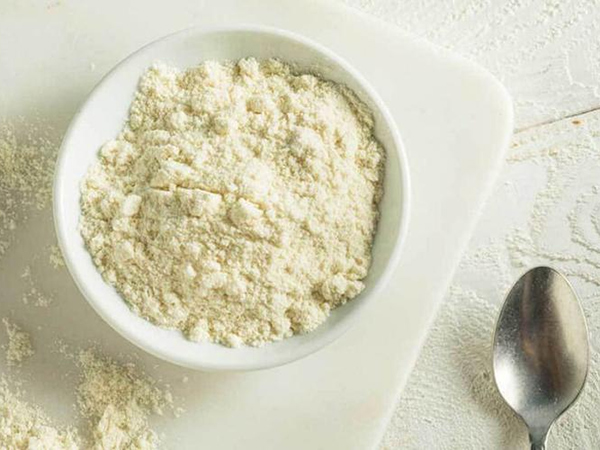
Demineralized Whey Powder for Sauces & Soups operates quietly behind the scenes, stabilizing systems, enhancing texture, and improving sensory harmony across a wide range of formulations.
For manufacturers competing in a fast-moving packaged food market, mastering this ingredient is not just a technical advantage—it is a strategic necessity that directly influences product success on a global scale.

No comment