

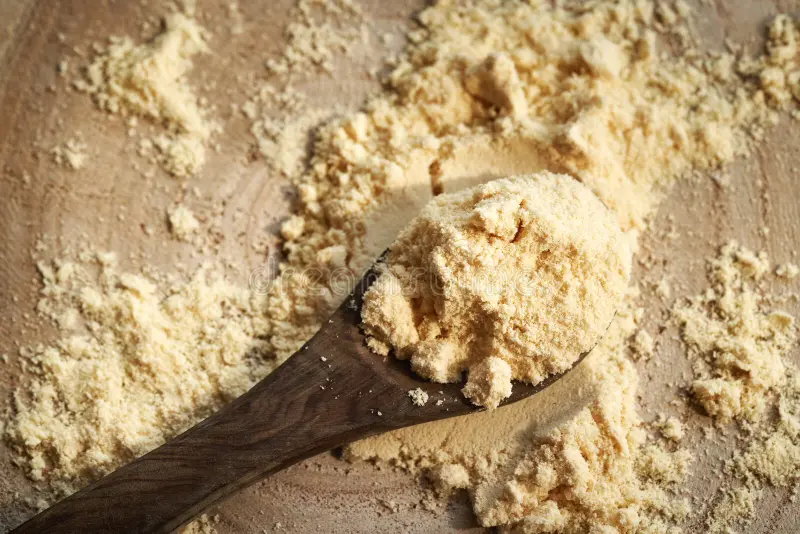
For food manufacturers, the right dairy ingredient can influence far more than nutritional value. It can affect flavor, formulation flexibility, processing stability, label requirements, and the final cost of every batch. When your factory needs a whey ingredient with reduced mineral content, choosing the right Low Mineral Whey Powder for Food supplier becomes particularly important. MT Royal offers manufacturers access to multiple brands at competitive prices, helping industrial buyers compare technical specifications and commercial options before committing to a large-volume purchase.
Low mineral whey powder is increasingly relevant for manufacturers producing infant and nutritional products, beverages, bakery goods, confectionery, dairy formulations, and specialized food products. Compared with standard whey powder, its lower ash and mineral content can provide a cleaner taste and greater formulation control in applications where excessive mineral salts could negatively influence flavor or processing.
However, “low mineral” is not a universal specification. Different manufacturers may use different mineral reduction processes and target different ash levels. For a procurement team, this means that selecting a product requires more than simply asking for a price per ton.
You need to understand the product, the application, the required specifications, and the supplier’s ability to deliver consistent quality over time.
What Is Low Mineral Whey Powder?
Whey is the liquid fraction separated from milk during cheese or casein production. It contains valuable components such as lactose, whey proteins, minerals, and small amounts of fat.
Whey can be processed into powder through concentration and drying. Standard whey powder naturally contains a relatively significant mineral fraction, which is why it is sometimes described according to its ash or mineral content.
Low Mineral Whey Powder for Food is produced through additional processing designed to reduce a portion of the naturally occurring minerals in whey.
Depending on the production method, mineral reduction may involve technologies such as:
- Electrodialysis: Uses electrically driven ion separation to reduce selected mineral components.
- Ion exchange: Uses specialized resins to remove or exchange ions from the whey stream.
- Membrane processing: Can help separate components according to molecular characteristics.
- Demineralization combinations: Manufacturers may combine several technologies to achieve a specific mineral reduction level.
The final product is generally characterized by lower ash content than conventional whey powder.
This can be particularly useful when manufacturers need a dairy ingredient with a milder flavor or greater control over mineral intake.
LATAMARKO LM60 – Premium Spanish-Origin Cocoa Powder
latamarko alkalized cocoa powder lm60
cocoa powder for chocolate production-Best price
Food industry raw materials – list of products
Why Low Mineral Whey Powder Matters in Food Manufacturing
The mineral content of a dairy ingredient may appear relatively technical, but it can have a meaningful impact on the finished product.
For industrial food manufacturers, reduced mineral content can offer several advantages.
Cleaner Flavor
Minerals can contribute salty, bitter, or otherwise noticeable flavor characteristics at higher concentrations.
Reducing mineral content can create a cleaner sensory profile, which is particularly valuable in delicate formulations.
This can matter in:
- Infant nutrition
- Dairy beverages
- Nutritional drinks
- Chocolate and confectionery
- Bakery applications
- Powdered food mixes
A cleaner flavor can allow other ingredients to become more prominent without the whey ingredient competing with them.
Better Formulation Control
Manufacturers often need precise control over the mineral profile of a finished product.
Using a low-mineral ingredient can make it easier to formulate products with specific nutritional targets.
This is particularly important when multiple dairy ingredients are combined and the cumulative mineral load could otherwise become difficult to manage.
Improved Suitability for Sensitive Applications
Some applications are highly sensitive to mineral composition.
For example, specialized nutritional formulations may require carefully controlled levels of sodium, potassium, calcium, and other minerals.
In such cases, low-mineral whey can provide a more manageable starting point.
Key Specifications to Evaluate Before Buying
The term “low mineral” should never replace a complete technical specification.
Before purchasing, your quality and procurement teams should review several critical parameters.
Ash Content
Ash is one of the most commonly used indicators when discussing mineral content.
A lower ash value generally indicates a lower overall mineral level.
However, ash does not tell you exactly how individual minerals are distributed. Two products with similar ash values may still differ in sodium, calcium, potassium, or phosphorus levels.
For specialized applications, individual mineral analysis may therefore be necessary.
Protein Content
Whey powder may contain varying levels of protein depending on the product type and manufacturing process.
Low-mineral whey powder should be evaluated according to the protein requirement of the final formulation.
If your factory needs higher protein functionality, whey protein concentrate or isolate may be more appropriate than conventional low-mineral whey powder.
Lactose Content
Lactose is naturally present in whey and contributes to sweetness, solids, and browning reactions.
Manufacturers should consider lactose content when calculating the overall formulation.
Moisture
Moisture affects powder stability and shelf life.
Excessive moisture can contribute to:
- Caking
- Reduced flowability
- Storage problems
- Microbiological concerns
- Changes in powder handling
Solubility
For beverage and reconstitution applications, solubility is particularly important.
Poorly soluble powder can create:
- Sediment
- Lumps
- Longer mixing times
- Inconsistent solids distribution
Microbiological Quality
Whey is a dairy-derived ingredient, so microbiological control is fundamental.
Your supplier should provide appropriate documentation demonstrating compliance with the relevant requirements for your market and application.
Low Mineral Whey Powder vs. Standard Whey Powder
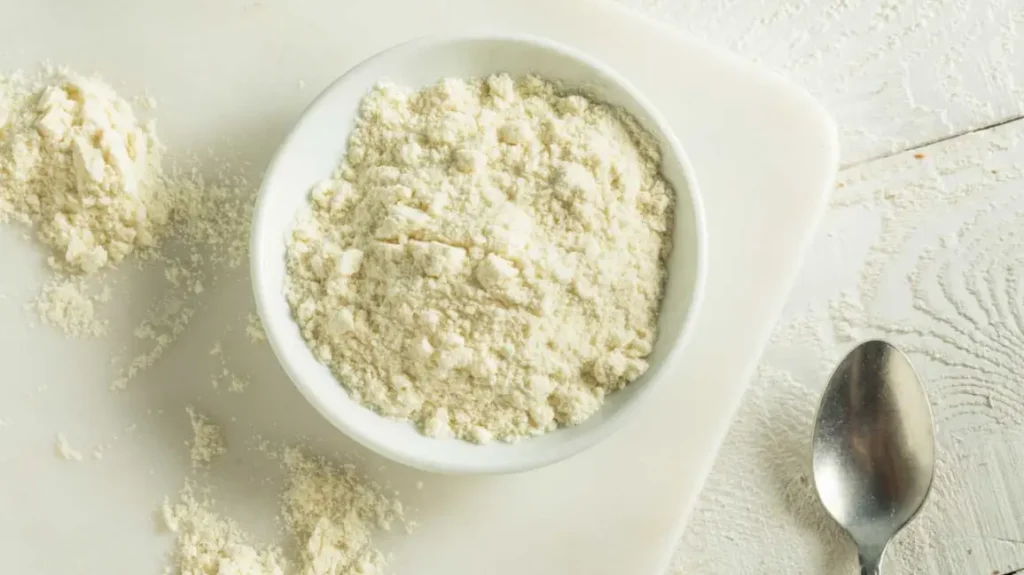
The primary difference between low-mineral whey powder and conventional whey powder is the degree of mineral reduction.
Standard whey powder may be suitable for applications where mineral content does not create a technical or sensory problem.
Low-mineral whey may be preferable when manufacturers need greater control.
The comparison can be summarized as follows:
- Mineral content: Low-mineral whey has reduced mineral levels compared with standard whey powder.
- Flavor: Lower mineral content may provide a cleaner and milder sensory profile.
- Formulation flexibility: Low-mineral products can provide greater control over mineral contribution.
- Cost: Additional processing generally means a higher price than standard whey powder.
- Application range: Low-mineral whey is particularly useful for specialized and sensitive formulations.
The more technically demanding the application, the more important it becomes to evaluate whether the additional cost delivers a measurable benefit.
Common Applications of Low Mineral Whey Powder
Low-mineral whey powder can be used across several food categories, although suitability depends on the exact specification.
Infant and Nutritional Products
One of the most technically sensitive areas is infant and specialized nutrition.
Manufacturers may require precise control of mineral levels and a clean sensory profile.
In these applications, ingredient specifications and regulatory compliance must be exceptionally rigorous.
Dairy Beverages
Low-mineral whey can be used in selected dairy beverage formulations where manufacturers want to manage the mineral contribution while maintaining dairy solids.
Bakery Products
Whey ingredients can contribute lactose, protein, browning, and nutritional value to bakery formulations.
Low-mineral whey may be selected when a cleaner flavor profile is desired.
Confectionery and Chocolate
Whey ingredients can contribute milk-derived solids and flavor.
In certain confectionery applications, reduced mineral content may help prevent unwanted salty or mineral notes.
Dry Mixes
Powdered beverages, dessert mixes, nutritional blends, and other dry formulations may benefit from the functional characteristics of low-mineral whey.
Common Mistakes When Sourcing Low Mineral Whey
Even experienced purchasing teams can make costly mistakes when evaluating specialized dairy ingredients.
Mistake 1: Buying Based Only on Ash Percentage
Ash is important, but it does not provide the complete mineral picture.
If your formulation has strict requirements for sodium, potassium, calcium, or phosphorus, ask for individual mineral data.
Mistake 2: Ignoring the Application
A product that works well in bakery may not be appropriate for infant nutrition or a sensitive beverage.
Always match the specification to the final application.
Mistake 3: Focusing Only on Price
Low-mineral whey requires additional processing, so it generally costs more than standard whey powder.
The correct question is not “Which product is cheapest?” but “Does the technical advantage justify the additional cost?”
Mistake 4: Skipping Sample Trials
A specification sheet cannot predict every interaction inside your formulation.
Before placing a large order, conduct laboratory and pilot trials whenever possible.
Mistake 5: Neglecting Storage
Even a high-quality powder can deteriorate if stored under unsuitable conditions.
Control humidity, temperature, cleanliness, and stock rotation.
How to Select the Right Low Mineral Whey Powder for Food
A structured approach helps reduce purchasing risk.
Define Your Product Requirements
Start by determining exactly what your final product needs.
Consider:
- Target mineral levels
- Protein requirement
- Lactose content
- Flavor expectations
- Solubility
- Shelf life
- Regulatory requirements
Request Complete Documentation
Do not rely on a product name alone.
Ask for:
- Technical data sheet
- Certificate of analysis
- Ash content
- Individual mineral profile
- Protein
- Lactose
- Moisture
- Microbiological specifications
- Shelf life
- Country of origin
- Packaging information
Conduct Application Testing
The powder should be evaluated in your actual formulation.
Test its impact on:
- Flavor
- Solubility
- Viscosity
- Color
- Stability
- Processing performance
Evaluate Supplier Reliability
The best technical product is of limited value if the supplier cannot deliver it consistently.
Consider:
- Lead times
- Production capacity
- Minimum order quantities
- Shipping reliability
- Documentation quality
- Backup supply options
MT Royal can provide access to multiple brands and competitive pricing, allowing manufacturers to compare different alternatives rather than depending on one product source.
Specialized Tips for Large-Scale Production
Large factories should take several additional precautions when purchasing low-mineral whey.
Monitor Batch-to-Batch Consistency
Track incoming lots for key parameters.
Small changes in mineral composition may not be immediately visible, but they can influence sensitive formulations over time.
Maintain a Supplier Qualification Program
Your factory should have clear procedures for approving new suppliers.
Evaluate technical quality, documentation, commercial performance, and delivery reliability.
Control Warehouse Conditions
Powders should be stored under conditions appropriate to the supplier’s recommendations.
Keep storage areas:
- Clean
- Dry
- Well organized
- Protected from pests
- Free from strong odors
Maintain Safety Stock
For critical ingredients, maintaining a reasonable safety stock can protect production against transportation delays or unexpected supply interruptions.
However, inventory should be balanced against shelf life and working capital requirements.
Calculate Total Cost of Ownership
The true cost of an ingredient includes more than its purchase price.
Consider:
- Product price
- Freight
- Insurance
- Customs
- Storage
- Testing
- Production losses
- Rework
- Inventory costs
A product that costs more per ton may still be more economical if it improves process efficiency or reduces formulation problems.
Emerging Trends in Low Mineral Whey Sourcing
The global dairy ingredient industry is increasingly focused on ingredient functionality rather than basic commodity specifications.
One emerging trend is the growing demand for specialized dairy ingredients designed for specific nutritional and sensory applications.
Another trend is greater interest in clean-label and transparent sourcing. Manufacturers increasingly want clear information about origin, processing, and traceability.
Supply chain resilience is also becoming a priority.
Food manufacturers are increasingly looking for:
- Multiple qualified suppliers
- Alternative origins
- Reliable inventory
- Flexible logistics
- Consistent documentation
In our collaboration with food manufacturers, we have seen that sourcing resilience is often treated as an emergency issue when it should be part of the initial purchasing strategy.
Another important development is the increasing use of advanced separation technologies. As dairy processing becomes more sophisticated, manufacturers can access ingredients with increasingly precise compositional characteristics.
This creates opportunities for food companies to develop more targeted formulations, but it also makes technical purchasing more complex.
Practical Purchasing Checklist
Before placing an order, your team should review the following points. This checklist helps ensure that the product you buy matches the product your factory actually needs.
- Confirm mineral specifications: Define whether you need a specific ash level or individual mineral limits.
- Check protein and lactose: Verify that the composition fits your formulation.
- Review moisture: Ensure acceptable storage stability and handling characteristics.
- Evaluate solubility: Test the product if it will be used in liquid or reconstituted applications.
- Request documentation: Obtain certificates and technical specifications before purchase.
- Conduct trials: Validate the product in your own formulation.
- Check packaging: Make sure it is appropriate for transportation and storage.
- Calculate landed cost: Include logistics, duties, and inventory expenses.
- Review supplier reliability: Assess lead times and availability.
- Maintain alternatives: Consider qualifying a secondary supplier for critical applications.
Frequently Asked Questions
What is Low Mineral Whey Powder?
Low-mineral whey powder is a whey-derived dairy ingredient that has undergone additional processing to reduce its mineral or ash content compared with conventional whey powder.
What is the main advantage of low-mineral whey?
The primary benefits are improved control over mineral contribution and, in many applications, a cleaner sensory profile.
Is low-mineral whey the same as whey protein concentrate?
No. Low-mineral whey focuses primarily on reducing mineral content. Whey protein concentrate focuses on increasing protein concentration through the removal of other components.
Is low-mineral whey suitable for infant nutrition?
It may be used in specialized nutritional applications, but these products require strict regulatory compliance and highly controlled specifications. The exact suitability must be evaluated by the responsible formulation and regulatory teams.
How do I compare two low-mineral whey products?
Compare ash, individual mineral levels, protein, lactose, moisture, solubility, microbiological quality, shelf life, origin, and supplier consistency.
Why is ash important?
Ash provides an overall indication of the mineral fraction. However, individual mineral analysis may be necessary when your formulation has specific limits.
Is low-mineral whey more expensive?
Generally, additional demineralization processing increases production costs. The economic value depends on whether the improved specification provides a meaningful benefit to your application.
How can MT Royal help with sourcing?
MT Royal offers access to multiple brands at competitive prices, giving manufacturers the opportunity to compare products according to technical specifications, commercial requirements, and availability.
A Better Ingredient Starts With a Better Sourcing Decision
Choosing Low Mineral Whey Powder for Food is ultimately about control.
Control over mineral levels. Control over flavor. Control over formulation. And, increasingly, control over the supply chain.
For manufacturers, the most effective approach is to begin with the finished product and work backward. Define the required mineral profile, identify the necessary protein and lactose levels, establish quality standards, and then evaluate suppliers based on both technical performance and commercial reliability.
MT Royal can support manufacturers by providing access to multiple brands and competitive purchasing options, helping procurement teams compare alternatives without losing sight of the technical requirements.
We believe the strongest purchasing decisions are made when quality, cost, and application performance are evaluated together. A low price is not a saving if it creates production problems, just as a premium specification has limited value if your formulation does not actually benefit from it.
The right low-mineral whey powder should quietly do its job: integrate into your formulation, perform consistently, meet your specifications, and arrive when your factory needs it. When those fundamentals are right, the ingredient becomes almost invisible—and that is often the clearest sign that your sourcing decision was a good one.

No comment