

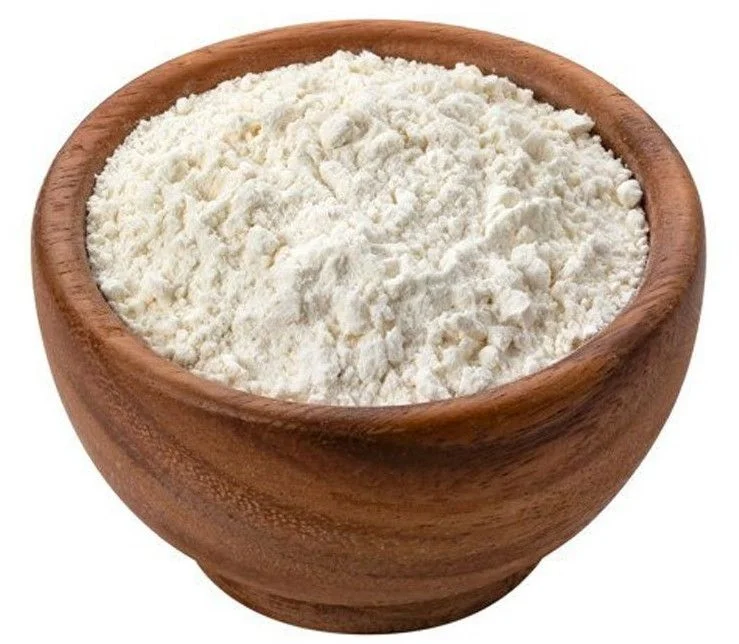
In the competitive dairy ingredients industry, manufacturers are constantly searching for solutions that improve product quality while maintaining cost efficiency and production stability. Choosing the right ingredient is not simply about filling a formulation sheet; it is about creating a reliable foundation for consistent manufacturing. This is why Demineralized Whey for Dairy Blends has become an increasingly important ingredient for factories producing nutritional beverages, dairy powders, cultured products, and specialized food formulations.
For manufacturers that require dependable supply, consistent specifications, and access to multiple ingredient options, working with a reliable supplier such as MT Royal can simplify sourcing decisions. In large-scale dairy production, where a slight variation in mineral content can influence solubility, taste, and product stability, having a trusted supply chain partner creates a significant operational advantage.
Demineralized Whey for Dairy Blends provides manufacturers with a flexible dairy ingredient that combines nutritional value with technical functionality. By reducing mineral content while preserving valuable whey components, this ingredient allows formulators to achieve better control over taste, texture, protein balance, and processing behavior.
The global dairy ingredients market continues to expand as consumers demand healthier, protein-rich, and convenient dairy products. At the same time, manufacturers face increasing pressure to optimize formulations, reduce production challenges, and meet stricter quality standards. Demineralized whey has become one of the practical tools helping factories respond to these challenges.
This article examines the fundamentals, benefits, industrial applications, sourcing strategies, and production considerations surrounding Demineralized Whey for Dairy Blends.
LATAMARKO LM60 – Premium Spanish-Origin Cocoa Powder
latamarko alkalized cocoa powder lm60
cocoa powder for chocolate production-Best price
Food industry raw materials – list of products
Best Brazilian Arabica Coffee Bean Supplier for Industrial Roaster
Uganda Bugisu Arabica Coffee Beans for Specialty Coffee Industry
Understanding Demineralized Whey for Dairy Blends
Before exploring its industrial applications, it is important to understand what demineralized whey is and why mineral reduction creates value in dairy formulations.
What is demineralized whey?
Demineralized whey is a dairy ingredient produced from whey, a liquid by-product generated during cheese manufacturing. Natural whey contains lactose, whey proteins, minerals, and other dairy solids.
Through advanced processing technologies such as ion exchange or membrane filtration, manufacturers remove a significant portion of minerals while maintaining the valuable nutritional components of whey.
The result is a powder with:
- Reduced ash content for better formulation control.
- High lactose content that contributes natural sweetness and solids.
- Functional whey proteins that improve nutritional value.
- Improved compatibility with sensitive dairy systems.
Unlike conventional whey powder, Demineralized Whey for Dairy Blends gives manufacturers greater flexibility when designing products where mineral balance must be carefully managed.
Why mineral reduction matters in dairy blends
Minerals influence many characteristics of dairy formulations, including flavor, protein interaction, solubility, and stability.
In some applications, excessive mineral levels can create challenges such as:
- Increased salty or mineral notes.
- Reduced protein stability during heating.
- Changes in acidity behavior.
- Difficulties achieving consistent product performance.
By reducing minerals, demineralized whey allows manufacturers to create cleaner and more predictable dairy systems.
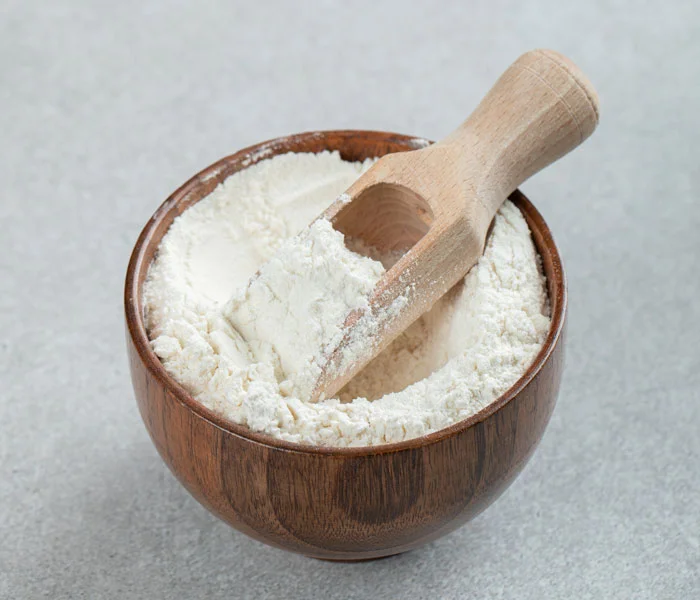
The Growing Importance of Demineralized Whey in Dairy Manufacturing
Modern dairy production is moving toward more specialized formulations. Consumers are no longer satisfied with basic products; they expect improved nutrition, better taste, and functional benefits.
Dairy blends are used in many applications, including:
- Nutritional dairy beverages.
- Powdered milk products.
- Protein-enriched formulations.
- Bakery and confectionery dairy systems.
- Sports nutrition products.
In each of these categories, manufacturers need ingredients that perform consistently under different processing conditions.
Demineralized Whey for Dairy Blends helps bridge the gap between nutritional goals and industrial requirements.
Functional Benefits of Demineralized Whey for Dairy Blends
The value of demineralized whey comes from its multifunctional performance. It does not simply contribute nutrients; it influences the behavior of the entire formulation.
Improving Nutritional Composition
One of the primary advantages of demineralized whey is its ability to increase dairy solids while maintaining controlled mineral levels.
Whey proteins contain essential amino acids and contribute high nutritional value. For manufacturers developing protein-focused products, this makes demineralized whey an attractive ingredient.
It allows factories to improve nutritional positioning without significantly complicating their formulations.
Enhancing Product Stability
Stability is one of the biggest challenges in dairy manufacturing. Products must maintain their quality from production until consumption.
Demineralized whey supports:
- Better protein dispersion.
- Improved powder reconstitution.
- More consistent texture.
- Reduced risk of sedimentation.
In beverage applications, this can help maintain a smooth appearance throughout shelf life.
Supporting Flavor Development
Taste is often influenced by mineral content. Excess minerals may introduce undesirable notes that affect consumer acceptance.
Because Demineralized Whey for Dairy Blends has reduced mineral levels, it provides a cleaner dairy flavor profile. This makes it particularly useful for products where manufacturers want other flavors—such as vanilla, chocolate, or fruit—to remain dominant.
Improving Processing Performance
Industrial dairy production involves heat treatment, drying, blending, and storage. Ingredients must tolerate these conditions without losing functionality.
Demineralized whey offers:
- Good heat processing compatibility.
- Reliable powder handling characteristics.
- Efficient blending behavior.
- Strong rehydration performance.
In manufacturing environments, these advantages translate into fewer production interruptions.
Common Mistakes When Sourcing Demineralized Whey
Selecting the right dairy ingredient supplier requires more than comparing product prices. Many factories experience formulation problems because sourcing decisions focus only on short-term savings.
A reliable supplier such as MT Royal helps manufacturers evaluate different brands and specifications to find the most suitable option for their application.
Common sourcing mistakes include:
Selecting based only on price
A lower purchase price may appear attractive, but inconsistent functionality can increase hidden costs through production delays, waste, and reformulation.
Ignoring mineral specifications
Different demineralization levels create different performance characteristics. Manufacturers should carefully review ash content and mineral reduction percentages.
Failing to conduct application testing
A powder may perform well in laboratory analysis but behave differently in a real production environment. Pilot testing remains essential.
Overlooking supply consistency
Dairy factories need reliable ingredient availability. Frequent changes in quality or origin can create unnecessary formulation challenges.
In our collaboration with various dairy manufacturers, we have seen that stable raw material specifications often contribute more to operational efficiency than small differences in ingredient cost.
Comparing Demineralized Whey with Other Dairy Ingredients
Understanding the differences between dairy ingredients helps manufacturers select the right solution.
Demineralized Whey vs Standard Whey Powder
Standard whey powder contains higher mineral levels. Demineralized whey provides improved control and is better suited for sensitive formulations.
Demineralized Whey vs Milk Powder
Milk powder provides a broader dairy profile, including casein and fat components. Demineralized whey offers more flexibility when manufacturers need controlled whey solids.
Demineralized Whey vs Whey Protein Concentrate
Whey protein concentrate delivers higher protein concentration but usually at a higher cost. Demineralized whey provides a balanced approach between functionality and economics.
For many dairy blends, combining different dairy ingredients creates the optimal nutritional and technical profile.
Industrial Applications of Demineralized Whey
The versatility of Demineralized Whey for Dairy Blends makes it suitable for multiple product categories.
Dairy beverages
It improves protein content, flavor balance, and stability in ready-to-drink dairy products.
Powdered dairy mixes
It enhances nutritional value and improves reconstitution properties.
Protein-based formulations
It supports manufacturers developing products focused on functional nutrition.
Infant and specialty nutrition
Its controlled mineral profile makes it suitable for applications requiring precise nutritional management.
Bakery and confectionery dairy systems
It contributes milk solids and improves formulation consistency.
Specialized Production Tips for Large-Scale Manufacturers
Large-scale dairy manufacturing requires careful management of every processing step.
Before introducing demineralized whey into production, factories should consider several operational factors:
- Control storage humidity because dairy powders can absorb moisture and lose flowability.
- Optimize mixing order to ensure even powder distribution.
- Test hydration behavior before full-scale production.
- Monitor heat exposure during processing.
- Maintain detailed quality records for each batch.
These steps may seem simple, but industrial production is often affected by small details. A few adjustments in processing conditions can significantly improve final product consistency.
Supply Chain Strategy and Supplier Selection
A strong supply chain is essential for dairy manufacturers competing in international markets.
Working with a supplier like MT Royal provides manufacturers with access to multiple brands and competitive sourcing opportunities while maintaining quality expectations.
Important supplier evaluation factors include:
- Product consistency between shipments.
- Technical documentation availability.
- International supply capability.
- Understanding of dairy formulation requirements.
We have found that manufacturers with structured supplier relationships generally experience smoother production planning and fewer quality-related disruptions.
Industry Trends Shaping Dairy Blend Ingredients
Several market trends are increasing demand for specialized dairy ingredients.
Growth of high-protein products
Consumers are increasingly choosing products associated with health, fitness, and nutrition.
Demand for cleaner formulations
Manufacturers are reducing unnecessary additives and focusing on recognizable ingredients.
Expansion of functional dairy products
Products with added nutritional benefits continue to gain market attention.
Increased focus on production efficiency
Factories are searching for ingredients that improve performance while controlling costs.
Demineralized Whey for Dairy Blends fits naturally into these evolving market requirements.
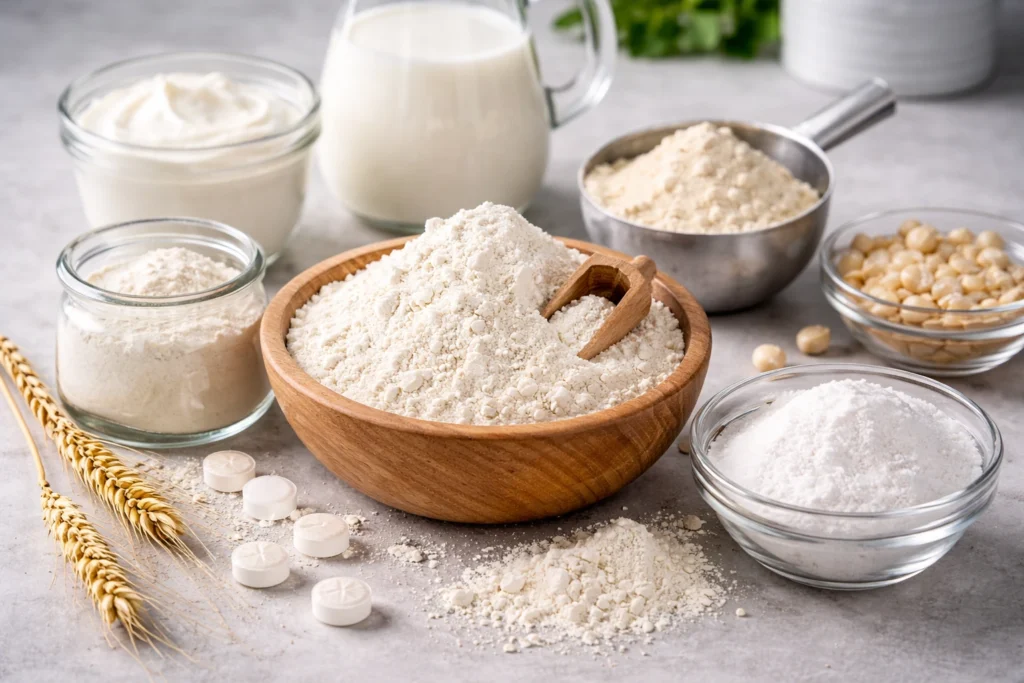
Frequently Asked Questions
What is Demineralized Whey for Dairy Blends used for?
It is used to improve nutritional value, mineral control, flavor quality, and stability in various dairy formulations.
Why remove minerals from whey?
Mineral reduction improves formulation flexibility and helps create products with cleaner flavor and better stability.
Is demineralized whey suitable for beverages?
Yes, it is commonly used in dairy beverages because of its solubility and functional properties.
How should manufacturers select a supplier?
They should evaluate consistency, documentation, technical support, and supply reliability rather than price alone.
Can demineralized whey reduce formulation costs?
In many applications, it can improve efficiency by optimizing dairy solids and reducing the need for additional functional ingredients.
Building Stronger Dairy Products Through Better Ingredient Choices
In dairy manufacturing, success is built through precision. Every ingredient influences the final product, from nutritional quality to consumer experience.
Demineralized Whey for Dairy Blends provides manufacturers with a powerful combination of nutritional value, technical performance, and formulation flexibility. Its ability to improve stability, support cleaner flavors, and maintain consistent processing behavior makes it a valuable ingredient across modern dairy applications.
For factories operating in competitive markets, choosing the right ingredient and the right supplier can determine whether a product simply reaches the market or truly earns consumer confidence. Behind every successful dairy blend is a carefully engineered balance of science, quality control, and dependable sourcing.


No comment