# Pectin for Yogurt and Dairy: Industrial Guide for Stable, Creamy, and High-Performance Dairy Systems In modern dairy manufacturing, product stability is no longer a quality bonus—it is a baseline expectation. If your yogurt separates, becomes watery, or loses texture after a few days, the market will not forgive it, no matter how good the taste is. This is exactly why **Pectin for Yogurt and Dairy** has become one of the most strategically important stabilizing systems in industrial food production. For factories aiming to improve consistency while keeping formulation clean and efficient, sourcing from an experienced supplier such as MT Royal can significantly reduce formulation risk by offering multiple brands and technical grades under one procurement structure. Yogurt is deceptively complex. It looks simple on the shelf, but inside the cup it behaves like a delicate biochemical ecosystem where proteins, acids, and stabilizers constantly interact. One small imbalance can turn a premium product into a runny disappointment. That is where pectin steps in—not as an accessory, but as a structural backbone that quietly holds everything together. ## Understanding Pectin for Yogurt and Dairy **Pectin for Yogurt and Dairy** is a functional hydrocolloid used to stabilize protein networks, control viscosity, and prevent whey separation in fermented dairy systems. It is derived from citrus peels and apple pomace and refined into highly specialized grades designed for acidic, protein-rich environments. In dairy systems, pectin does not behave like a simple thickener. Instead, it interacts with casein proteins and water molecules, forming a protective layer around protein aggregates. This prevents uncontrolled contraction of the gel matrix, which is the primary cause of whey syneresis. In simpler terms, if yogurt were a building, casein would be the bricks, milk fat the insulation, and pectin the flexible cement that prevents cracks from spreading when the structure settles. Common LSI-related terms in this category include: * yogurt stabilizer system * dairy hydrocolloid * whey separation control * acidified milk stabilization * texture modification agent * protein network stabilization * fermented dairy stabilizer * clean label thickener * viscosity control agent * mouthfeel enhancer Each of these reflects a different aspect of how pectin functions in dairy applications. ## Why Stability Matters in Dairy Manufacturing Dairy products are highly sensitive systems. Even minor variations in pH, temperature, or bacterial activity can dramatically change texture. Consumers, however, do not care about microbiological complexity—they care about whether the yogurt looks smooth or watery when they open it. Pectin helps control: * Whey separation during storage * Viscosity stability over shelf life * Protein network integrity * Spoonability and mouthfeel * Heat treatment resistance * Filling line consistency * Acid stability during fermentation In high-speed production environments, instability is not just a defect; it is a production bottleneck. A batch that fails viscosity specifications often leads to downtime, reprocessing, or even product recall. We have observed in several industrial projects that proper pectin selection can reduce post-production whey separation by up to 30–40%, especially in stirred yogurt systems. ## The Science Behind Pectin in Dairy Systems To understand **Pectin for Yogurt and Dairy**, it is essential to look at its interaction with milk proteins at a molecular level. During fermentation, lactic acid bacteria convert lactose into lactic acid, lowering the pH of milk. As pH approaches the isoelectric point of casein (~4.6), proteins begin to aggregate and form a gel network. Without stabilizers, this network contracts over time, squeezing out whey—a process known as syneresis. Pectin intervenes in this process in three key ways: ### Protein-Pectin Interaction Pectin molecules bind to positively charged regions of casein proteins, forming a protective colloidal layer. This reduces protein-protein attraction and slows network contraction. ### Water Immobilization Pectin increases water retention within the protein matrix, improving texture stability and reducing serum separation. ### Structural Flexibility Instead of forming a rigid gel, pectin introduces elasticity into the system, allowing the yogurt structure to adapt to mechanical stress during transport and handling. Think of it as turning a rigid ice cube into a flexible gel mattress—still structured, but far less likely to crack under pressure. ## Types of Pectin Used in Yogurt and Dairy Applications Different dairy products require different functional behaviors. Choosing the correct pectin type is therefore critical. ### High Methoxyl (HM) Pectin in Dairy Although more common in high-sugar systems, HM pectin is occasionally used in flavored dairy products. Key characteristics: * Requires higher solids content * Works better in acidified systems * Limited use in low-fat yogurts * Provides moderate stabilization ### Low Methoxyl (LM) Pectin This is the most widely used pectin type in dairy applications. Key characteristics: * Works in low-sugar environments * Calcium-sensitive gel formation * Excellent protein interaction * Strong whey separation control LM pectin is particularly effective in stirred yogurt, drinking yogurt, and fruit yogurt blends. ### Amidated Low Methoxyl Pectin This modified form is increasingly popular in industrial dairy production. Advantages include: * Better process tolerance * Improved freeze-thaw stability * More consistent viscosity * Wider operating window It is especially useful in factories dealing with variable raw milk quality, which is more common than most procurement teams like to admit. ## Industrial Applications of Pectin for Yogurt and Dairy The role of **Pectin for Yogurt and Dairy** extends across multiple product categories. ### Stirred Yogurt Systems In stirred yogurt, maintaining uniform texture after fermentation and mixing is essential. Pectin ensures that the product remains creamy even after mechanical agitation. ### Drinking Yogurt Drinking yogurt requires low viscosity but high stability. Without stabilizers, phase separation occurs rapidly during storage. ### Set Yogurt Set yogurt depends heavily on gel integrity. Pectin helps reduce syneresis without compromising firmness. ### Fruit Yogurt Blends Fruit inclusions introduce additional complexity due to acidity and pulp particles. Pectin stabilizes both phases, ensuring even distribution. ### Dairy Desserts Products like puddings and mousse-style desserts rely on pectin for smooth texture and structural integrity. ## Key Selection Criteria for Manufacturers Selecting the right **Pectin for Yogurt and Dairy** is not a theoretical exercise—it is a production-critical decision. Before choosing a grade, you should evaluate: * Milk protein content * Fermentation pH profile * Heat treatment conditions * Final viscosity target * Fat content of formulation * Filling system type * Shelf-life requirements * Storage temperature conditions * Fruit inclusion presence * Clean label requirements A mismatch between pectin type and dairy system often leads to invisible formulation drift—where the product looks fine on day one but fails after a week. ## Common Industrial Sourcing Mistakes Many dairy production issues originate from procurement decisions rather than formulation errors. ### 1. Treating Pectin as a Generic Stabilizer Not all stabilizers behave the same. Using non-specific hydrocolloids often leads to inconsistent texture development. ### 2. Ignoring Protein Variability Milk is not a constant raw material. Seasonal variation in protein content significantly affects pectin performance. ### 3. Over-Stabilization Too much pectin can create a gummy or overly thick texture that consumers reject. ### 4. Switching Suppliers Frequently Consistency is critical in dairy. Frequent supplier changes introduce variability that shows up in shelf life performance. This is why many factories prefer sourcing through structured suppliers like MT Royal, which allows access to multiple tested brands without destabilizing production systems. ## Specialized Industrial Tips for Large-Scale Production Dairy manufacturing behaves differently at scale. What works in pilot batches may fail in industrial tanks. Before scaling up, ensure that: Pectin hydration is fully optimized under real mixing conditions, not just laboratory stirring tests. Industrial shear forces can significantly alter dispersion behavior. Practical recommendations include: * Pre-dispersing pectin in sugar to prevent clumping * Hydrating under controlled temperature conditions * Standardizing fermentation endpoints (pH consistency is critical) * Avoiding excessive mechanical agitation post-fermentation * Monitoring viscosity at multiple production stages * Ensuring consistent milk standardization before processing Factories that control these variables often experience fewer batch rejections and more predictable shelf-life performance. ## Quality Control in Dairy Systems Quality control in dairy is not limited to final product testing. It must be embedded throughout the production chain. Key parameters include: * Viscosity stability over time * Whey separation rate * pH drift during storage * Texture uniformity across batches * Heat stability after pasteurization * Sensory mouthfeel consistency * Microbiological stability Advanced factories also simulate shelf-life conditions using accelerated aging tests to predict long-term behavior. ## Market Trends Driving Pectin Demand in Dairy The dairy industry is undergoing significant transformation, and stabilizer systems are evolving with it. Key trends include: * Growth of high-protein yogurt products * Expansion of reduced-fat dairy lines * Demand for clean label stabilizers * Increased popularity of drinking yogurts * Rise of functional dairy products * Focus on texture-driven consumer experience Global consumption of stabilized dairy products has grown steadily, with some markets reporting over 6–8% annual growth in yogurt-based categories alone. ## Frequently Asked Questions ### Why does yogurt release whey after production? It is usually caused by protein network contraction and insufficient stabilization during fermentation and storage. ### Can pectin replace other stabilizers in dairy? In many systems, yes—but formulation must be carefully adjusted to avoid texture imbalance. ### Does pectin affect yogurt taste? When used correctly, pectin is neutral in flavor and does not interfere with sensory profile. ### What is the most important factor in dairy stabilization? Protein-stabilizer interaction under acidic conditions is the most critical factor. ### Why do results differ between factories using the same recipe? Differences in milk composition, processing conditions, and stabilizer grade often explain variability. ## Final Perspective: Stability Is Engineered, Not Accidental In dairy manufacturing, success is not defined by what happens immediately after production, but by how the product behaves over time. **Pectin for Yogurt and Dairy** plays a silent but decisive role in ensuring that texture remains stable, whey separation is minimized, and consumer experience stays consistent from first spoon to last. Factories that treat pectin as a strategic formulation component rather than a commodity consistently outperform competitors in product stability and shelf-life reliability. Partnering with experienced suppliers such as MT Royal adds another layer of security by offering access to multiple validated brands and technical flexibility across production lines. In the end, yogurt does not fail because of what is visible on day one—it fails because of what slowly changes when no one is watching. Good pectin simply makes sure nothing unexpected gets the chance to happen. meta description: Industrial guide to Pectin for Yogurt and Dairy covering stability, applications, sourcing tips, and formulation insights for manufacturers.

In modern dairy manufacturing, product stability is no longer a quality bonus—it is a baseline expectation. If your yogurt separates, becomes watery, or loses texture after a few days, the market will not forgive it, no matter how good the taste is. This is exactly why Pectin for Yogurt and Dairy has become one of the most strategically important stabilizing systems in industrial food production. For factories aiming to improve consistency while keeping formulation clean and efficient, sourcing from an experienced supplier such as MT Royal can significantly reduce formulation risk by offering multiple brands and technical grades under one procurement structure.

Yogurt is deceptively complex. It looks simple on the shelf, but inside the cup it behaves like a delicate biochemical ecosystem where proteins, acids, and stabilizers constantly interact. One small imbalance can turn a premium product into a runny disappointment. That is where pectin steps in—not as an accessory, but as a structural backbone that quietly holds everything together.

Understanding Pectin for Yogurt and Dairy

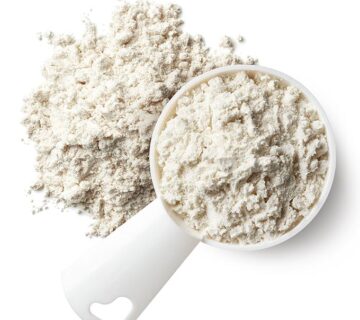
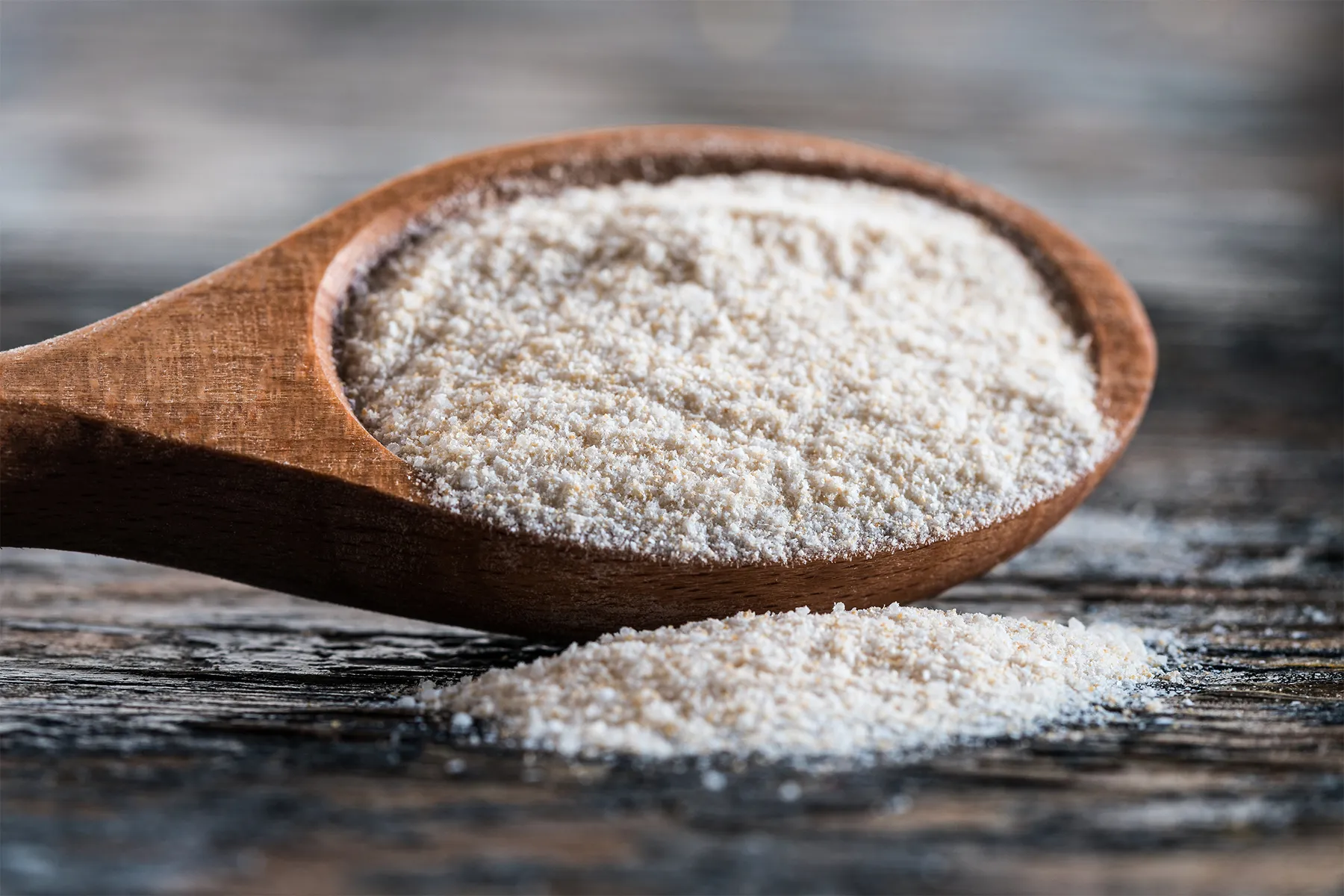
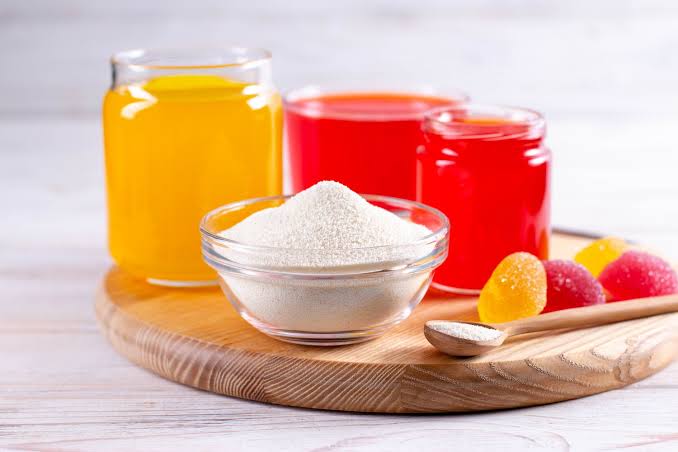
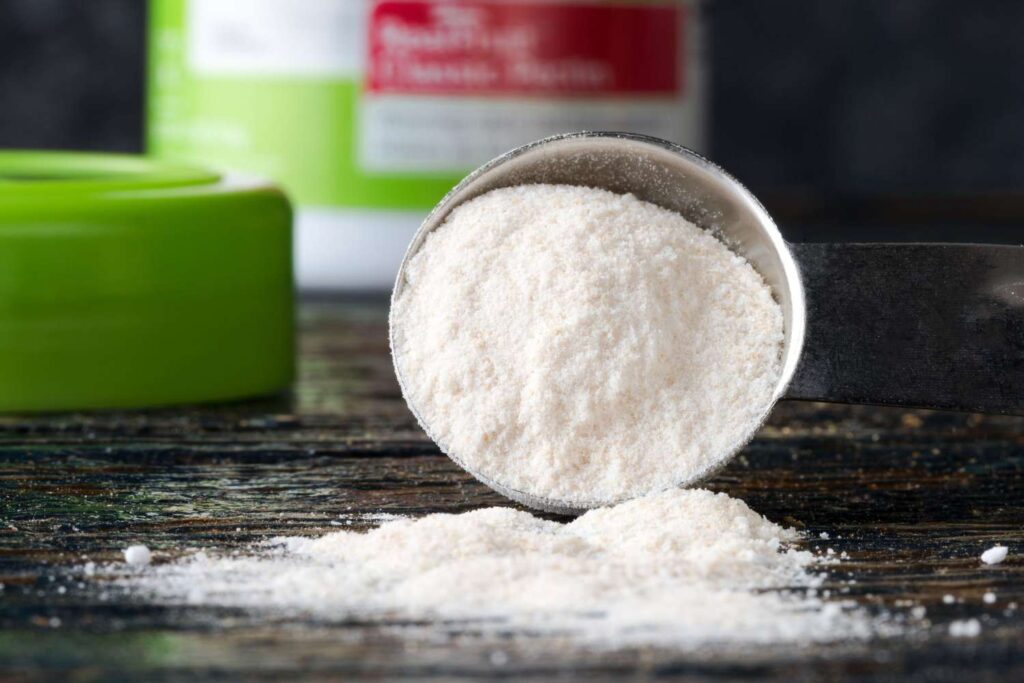
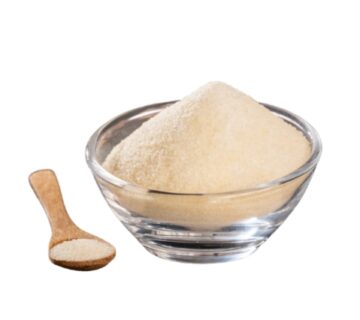
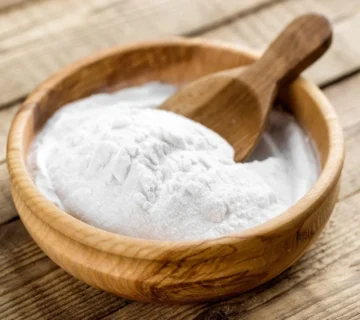
Pectin for Yogurt and Dairy is a functional hydrocolloid used to stabilize protein networks, control viscosity, and prevent whey separation in fermented dairy systems. It is derived from citrus peels and apple pomace and refined into highly specialized grades designed for acidic, protein-rich environments.

In dairy systems, pectin does not behave like a simple thickener. Instead, it interacts with casein proteins and water molecules, forming a protective layer around protein aggregates. This prevents uncontrolled contraction of the gel matrix, which is the primary cause of whey syneresis.

In simpler terms, if yogurt were a building, casein would be the bricks, milk fat the insulation, and pectin the flexible cement that prevents cracks from spreading when the structure settles.

LATAMARKO LM60 – Premium Spanish-Origin Cocoa Powder

bulk cocoa powder supplier

latamarko alkalized cocoa powder lm60

cocoa powder for chocolate production-Best price

Food industry raw materials – list of products

Food Raw Materials

Best Brazilian Arabica Coffee Bean Supplier for Industrial Roaster

Uganda Bugisu Arabica Coffee Beans for Specialty Coffee Industry

Why Stability Matters in Dairy Manufacturing

Dairy products are highly sensitive systems. Even minor variations in pH, temperature, or bacterial activity can dramatically change texture. Consumers, however, do not care about microbiological complexity—they care about whether the yogurt looks smooth or watery when they open it.

Pectin helps control:

  • Whey separation during storage
  • Viscosity stability over shelf life
  • Protein network integrity
  • Spoonability and mouthfeel
  • Heat treatment resistance
  • Filling line consistency
  • Acid stability during fermentation

In high-speed production environments, instability is not just a defect; it is a production bottleneck. A batch that fails viscosity specifications often leads to downtime, reprocessing, or even product recall.

We have observed in several industrial projects that proper pectin selection can reduce post-production whey separation by up to 30–40%, especially in stirred yogurt systems.
# Pectin for Yogurt and Dairy: Industrial Guide for Stable, Creamy, and High-Performance Dairy Systems In modern dairy manufacturing, product stability is no longer a quality bonus—it is a baseline expectation. If your yogurt separates, becomes watery, or loses texture after a few days, the market will not forgive it, no matter how good the taste is. This is exactly why **Pectin for Yogurt and Dairy** has become one of the most strategically important stabilizing systems in industrial food production. For factories aiming to improve consistency while keeping formulation clean and efficient, sourcing from an experienced supplier such as MT Royal can significantly reduce formulation risk by offering multiple brands and technical grades under one procurement structure. Yogurt is deceptively complex. It looks simple on the shelf, but inside the cup it behaves like a delicate biochemical ecosystem where proteins, acids, and stabilizers constantly interact. One small imbalance can turn a premium product into a runny disappointment. That is where pectin steps in—not as an accessory, but as a structural backbone that quietly holds everything together. ## Understanding Pectin for Yogurt and Dairy **Pectin for Yogurt and Dairy** is a functional hydrocolloid used to stabilize protein networks, control viscosity, and prevent whey separation in fermented dairy systems. It is derived from citrus peels and apple pomace and refined into highly specialized grades designed for acidic, protein-rich environments. In dairy systems, pectin does not behave like a simple thickener. Instead, it interacts with casein proteins and water molecules, forming a protective layer around protein aggregates. This prevents uncontrolled contraction of the gel matrix, which is the primary cause of whey syneresis. In simpler terms, if yogurt were a building, casein would be the bricks, milk fat the insulation, and pectin the flexible cement that prevents cracks from spreading when the structure settles. Common LSI-related terms in this category include: * yogurt stabilizer system * dairy hydrocolloid * whey separation control * acidified milk stabilization * texture modification agent * protein network stabilization * fermented dairy stabilizer * clean label thickener * viscosity control agent * mouthfeel enhancer Each of these reflects a different aspect of how pectin functions in dairy applications. ## Why Stability Matters in Dairy Manufacturing Dairy products are highly sensitive systems. Even minor variations in pH, temperature, or bacterial activity can dramatically change texture. Consumers, however, do not care about microbiological complexity—they care about whether the yogurt looks smooth or watery when they open it. Pectin helps control: * Whey separation during storage * Viscosity stability over shelf life * Protein network integrity * Spoonability and mouthfeel * Heat treatment resistance * Filling line consistency * Acid stability during fermentation In high-speed production environments, instability is not just a defect; it is a production bottleneck. A batch that fails viscosity specifications often leads to downtime, reprocessing, or even product recall. We have observed in several industrial projects that proper pectin selection can reduce post-production whey separation by up to 30–40%, especially in stirred yogurt systems. ## The Science Behind Pectin in Dairy Systems To understand **Pectin for Yogurt and Dairy**, it is essential to look at its interaction with milk proteins at a molecular level. During fermentation, lactic acid bacteria convert lactose into lactic acid, lowering the pH of milk. As pH approaches the isoelectric point of casein (~4.6), proteins begin to aggregate and form a gel network. Without stabilizers, this network contracts over time, squeezing out whey—a process known as syneresis. Pectin intervenes in this process in three key ways: ### Protein-Pectin Interaction Pectin molecules bind to positively charged regions of casein proteins, forming a protective colloidal layer. This reduces protein-protein attraction and slows network contraction. ### Water Immobilization Pectin increases water retention within the protein matrix, improving texture stability and reducing serum separation. ### Structural Flexibility Instead of forming a rigid gel, pectin introduces elasticity into the system, allowing the yogurt structure to adapt to mechanical stress during transport and handling. Think of it as turning a rigid ice cube into a flexible gel mattress—still structured, but far less likely to crack under pressure. ## Types of Pectin Used in Yogurt and Dairy Applications Different dairy products require different functional behaviors. Choosing the correct pectin type is therefore critical. ### High Methoxyl (HM) Pectin in Dairy Although more common in high-sugar systems, HM pectin is occasionally used in flavored dairy products. Key characteristics: * Requires higher solids content * Works better in acidified systems * Limited use in low-fat yogurts * Provides moderate stabilization ### Low Methoxyl (LM) Pectin This is the most widely used pectin type in dairy applications. Key characteristics: * Works in low-sugar environments * Calcium-sensitive gel formation * Excellent protein interaction * Strong whey separation control LM pectin is particularly effective in stirred yogurt, drinking yogurt, and fruit yogurt blends. ### Amidated Low Methoxyl Pectin This modified form is increasingly popular in industrial dairy production. Advantages include: * Better process tolerance * Improved freeze-thaw stability * More consistent viscosity * Wider operating window It is especially useful in factories dealing with variable raw milk quality, which is more common than most procurement teams like to admit. ## Industrial Applications of Pectin for Yogurt and Dairy The role of **Pectin for Yogurt and Dairy** extends across multiple product categories. ### Stirred Yogurt Systems In stirred yogurt, maintaining uniform texture after fermentation and mixing is essential. Pectin ensures that the product remains creamy even after mechanical agitation. ### Drinking Yogurt Drinking yogurt requires low viscosity but high stability. Without stabilizers, phase separation occurs rapidly during storage. ### Set Yogurt Set yogurt depends heavily on gel integrity. Pectin helps reduce syneresis without compromising firmness. ### Fruit Yogurt Blends Fruit inclusions introduce additional complexity due to acidity and pulp particles. Pectin stabilizes both phases, ensuring even distribution. ### Dairy Desserts Products like puddings and mousse-style desserts rely on pectin for smooth texture and structural integrity. ## Key Selection Criteria for Manufacturers Selecting the right **Pectin for Yogurt and Dairy** is not a theoretical exercise—it is a production-critical decision. Before choosing a grade, you should evaluate: * Milk protein content * Fermentation pH profile * Heat treatment conditions * Final viscosity target * Fat content of formulation * Filling system type * Shelf-life requirements * Storage temperature conditions * Fruit inclusion presence * Clean label requirements A mismatch between pectin type and dairy system often leads to invisible formulation drift—where the product looks fine on day one but fails after a week. ## Common Industrial Sourcing Mistakes Many dairy production issues originate from procurement decisions rather than formulation errors. ### 1. Treating Pectin as a Generic Stabilizer Not all stabilizers behave the same. Using non-specific hydrocolloids often leads to inconsistent texture development. ### 2. Ignoring Protein Variability Milk is not a constant raw material. Seasonal variation in protein content significantly affects pectin performance. ### 3. Over-Stabilization Too much pectin can create a gummy or overly thick texture that consumers reject. ### 4. Switching Suppliers Frequently Consistency is critical in dairy. Frequent supplier changes introduce variability that shows up in shelf life performance. This is why many factories prefer sourcing through structured suppliers like MT Royal, which allows access to multiple tested brands without destabilizing production systems. ## Specialized Industrial Tips for Large-Scale Production Dairy manufacturing behaves differently at scale. What works in pilot batches may fail in industrial tanks. Before scaling up, ensure that: Pectin hydration is fully optimized under real mixing conditions, not just laboratory stirring tests. Industrial shear forces can significantly alter dispersion behavior. Practical recommendations include: * Pre-dispersing pectin in sugar to prevent clumping * Hydrating under controlled temperature conditions * Standardizing fermentation endpoints (pH consistency is critical) * Avoiding excessive mechanical agitation post-fermentation * Monitoring viscosity at multiple production stages * Ensuring consistent milk standardization before processing Factories that control these variables often experience fewer batch rejections and more predictable shelf-life performance. ## Quality Control in Dairy Systems Quality control in dairy is not limited to final product testing. It must be embedded throughout the production chain. Key parameters include: * Viscosity stability over time * Whey separation rate * pH drift during storage * Texture uniformity across batches * Heat stability after pasteurization * Sensory mouthfeel consistency * Microbiological stability Advanced factories also simulate shelf-life conditions using accelerated aging tests to predict long-term behavior. ## Market Trends Driving Pectin Demand in Dairy The dairy industry is undergoing significant transformation, and stabilizer systems are evolving with it. Key trends include: * Growth of high-protein yogurt products * Expansion of reduced-fat dairy lines * Demand for clean label stabilizers * Increased popularity of drinking yogurts * Rise of functional dairy products * Focus on texture-driven consumer experience Global consumption of stabilized dairy products has grown steadily, with some markets reporting over 6–8% annual growth in yogurt-based categories alone. ## Frequently Asked Questions ### Why does yogurt release whey after production? It is usually caused by protein network contraction and insufficient stabilization during fermentation and storage. ### Can pectin replace other stabilizers in dairy? In many systems, yes—but formulation must be carefully adjusted to avoid texture imbalance. ### Does pectin affect yogurt taste? When used correctly, pectin is neutral in flavor and does not interfere with sensory profile. ### What is the most important factor in dairy stabilization? Protein-stabilizer interaction under acidic conditions is the most critical factor. ### Why do results differ between factories using the same recipe? Differences in milk composition, processing conditions, and stabilizer grade often explain variability. ## Final Perspective: Stability Is Engineered, Not Accidental In dairy manufacturing, success is not defined by what happens immediately after production, but by how the product behaves over time. **Pectin for Yogurt and Dairy** plays a silent but decisive role in ensuring that texture remains stable, whey separation is minimized, and consumer experience stays consistent from first spoon to last. Factories that treat pectin as a strategic formulation component rather than a commodity consistently outperform competitors in product stability and shelf-life reliability. Partnering with experienced suppliers such as MT Royal adds another layer of security by offering access to multiple validated brands and technical flexibility across production lines. In the end, yogurt does not fail because of what is visible on day one—it fails because of what slowly changes when no one is watching. Good pectin simply makes sure nothing unexpected gets the chance to happen. meta description: Industrial guide to Pectin for Yogurt and Dairy covering stability, applications, sourcing tips, and formulation insights for manufacturers.

The Science Behind Pectin in Dairy Systems

To understand Pectin for Yogurt and Dairy, it is essential to look at its interaction with milk proteins at a molecular level.

During fermentation, lactic acid bacteria convert lactose into lactic acid, lowering the pH of milk. As pH approaches the isoelectric point of casein (~4.6), proteins begin to aggregate and form a gel network.

Without stabilizers, this network contracts over time, squeezing out whey—a process known as syneresis.

Pectin intervenes in this process in three key ways:

Protein-Pectin Interaction

Pectin molecules bind to positively charged regions of casein proteins, forming a protective colloidal layer. This reduces protein-protein attraction and slows network contraction.

Water Immobilization

Pectin increases water retention within the protein matrix, improving texture stability and reducing serum separation.

Structural Flexibility

Instead of forming a rigid gel, pectin introduces elasticity into the system, allowing the yogurt structure to adapt to mechanical stress during transport and handling.

Think of it as turning a rigid ice cube into a flexible gel mattress—still structured, but far less likely to crack under pressure.

Types of Pectin Used in Yogurt and Dairy Applications

Different dairy products require different functional behaviors. Choosing the correct pectin type is therefore critical.

High Methoxyl (HM) Pectin in Dairy

Although more common in high-sugar systems, HM pectin is occasionally used in flavored dairy products.

Key characteristics:

  • Requires higher solids content
  • Works better in acidified systems
  • Limited use in low-fat yogurts
  • Provides moderate stabilization

Low Methoxyl (LM) Pectin

This is the most widely used pectin type in dairy applications.

Key characteristics:

  • Works in low-sugar environments
  • Calcium-sensitive gel formation
  • Excellent protein interaction
  • Strong whey separation control

LM pectin is particularly effective in stirred yogurt, drinking yogurt, and fruit yogurt blends.

Amidated Low Methoxyl Pectin

This modified form is increasingly popular in industrial dairy production.

Advantages include:

  • Better process tolerance
  • Improved freeze-thaw stability
  • More consistent viscosity
  • Wider operating window

It is especially useful in factories dealing with variable raw milk quality, which is more common than most procurement teams like to admit.

Industrial Applications of Pectin for Yogurt and Dairy

The role of Pectin for Yogurt and Dairy extends across multiple product categories.

Stirred Yogurt Systems

In stirred yogurt, maintaining uniform texture after fermentation and mixing is essential. Pectin ensures that the product remains creamy even after mechanical agitation.

Drinking Yogurt

Drinking yogurt requires low viscosity but high stability. Without stabilizers, phase separation occurs rapidly during storage.

Set Yogurt

Set yogurt depends heavily on gel integrity. Pectin helps reduce syneresis without compromising firmness.

Fruit Yogurt Blends

Fruit inclusions introduce additional complexity due to acidity and pulp particles. Pectin stabilizes both phases, ensuring even distribution.

Dairy Desserts

Products like puddings and mousse-style desserts rely on pectin for smooth texture and structural integrity.

Common Industrial Sourcing Mistakes

Many dairy production issues originate from procurement decisions rather than formulation errors.

1. Treating Pectin as a Generic Stabilizer

Not all stabilizers behave the same. Using non-specific hydrocolloids often leads to inconsistent texture development.

2. Ignoring Protein Variability

Milk is not a constant raw material. Seasonal variation in protein content significantly affects pectin performance.

3. Over-Stabilization

Too much pectin can create a gummy or overly thick texture that consumers reject.

4. Switching Suppliers Frequently

Consistency is critical in dairy. Frequent supplier changes introduce variability that shows up in shelf life performance.

This is why many factories prefer sourcing through structured suppliers like MT Royal, which allows access to multiple tested brands without destabilizing production systems.

Specialized Industrial Tips for Large-Scale Production

Dairy manufacturing behaves differently at scale. What works in pilot batches may fail in industrial tanks.

Before scaling up, ensure that:

Pectin hydration is fully optimized under real mixing conditions, not just laboratory stirring tests. Industrial shear forces can significantly alter dispersion behavior.

Practical recommendations include:

  • Pre-dispersing pectin in sugar to prevent clumping
  • Hydrating under controlled temperature conditions
  • Standardizing fermentation endpoints (pH consistency is critical)
  • Avoiding excessive mechanical agitation post-fermentation
  • Monitoring viscosity at multiple production stages
  • Ensuring consistent milk standardization before processing

Factories that control these variables often experience fewer batch rejections and more predictable shelf-life performance.
# Pectin for Yogurt and Dairy: Industrial Guide for Stable, Creamy, and High-Performance Dairy Systems In modern dairy manufacturing, product stability is no longer a quality bonus—it is a baseline expectation. If your yogurt separates, becomes watery, or loses texture after a few days, the market will not forgive it, no matter how good the taste is. This is exactly why **Pectin for Yogurt and Dairy** has become one of the most strategically important stabilizing systems in industrial food production. For factories aiming to improve consistency while keeping formulation clean and efficient, sourcing from an experienced supplier such as MT Royal can significantly reduce formulation risk by offering multiple brands and technical grades under one procurement structure. Yogurt is deceptively complex. It looks simple on the shelf, but inside the cup it behaves like a delicate biochemical ecosystem where proteins, acids, and stabilizers constantly interact. One small imbalance can turn a premium product into a runny disappointment. That is where pectin steps in—not as an accessory, but as a structural backbone that quietly holds everything together. ## Understanding Pectin for Yogurt and Dairy **Pectin for Yogurt and Dairy** is a functional hydrocolloid used to stabilize protein networks, control viscosity, and prevent whey separation in fermented dairy systems. It is derived from citrus peels and apple pomace and refined into highly specialized grades designed for acidic, protein-rich environments. In dairy systems, pectin does not behave like a simple thickener. Instead, it interacts with casein proteins and water molecules, forming a protective layer around protein aggregates. This prevents uncontrolled contraction of the gel matrix, which is the primary cause of whey syneresis. In simpler terms, if yogurt were a building, casein would be the bricks, milk fat the insulation, and pectin the flexible cement that prevents cracks from spreading when the structure settles. Common LSI-related terms in this category include: * yogurt stabilizer system * dairy hydrocolloid * whey separation control * acidified milk stabilization * texture modification agent * protein network stabilization * fermented dairy stabilizer * clean label thickener * viscosity control agent * mouthfeel enhancer Each of these reflects a different aspect of how pectin functions in dairy applications. ## Why Stability Matters in Dairy Manufacturing Dairy products are highly sensitive systems. Even minor variations in pH, temperature, or bacterial activity can dramatically change texture. Consumers, however, do not care about microbiological complexity—they care about whether the yogurt looks smooth or watery when they open it. Pectin helps control: * Whey separation during storage * Viscosity stability over shelf life * Protein network integrity * Spoonability and mouthfeel * Heat treatment resistance * Filling line consistency * Acid stability during fermentation In high-speed production environments, instability is not just a defect; it is a production bottleneck. A batch that fails viscosity specifications often leads to downtime, reprocessing, or even product recall. We have observed in several industrial projects that proper pectin selection can reduce post-production whey separation by up to 30–40%, especially in stirred yogurt systems. ## The Science Behind Pectin in Dairy Systems To understand **Pectin for Yogurt and Dairy**, it is essential to look at its interaction with milk proteins at a molecular level. During fermentation, lactic acid bacteria convert lactose into lactic acid, lowering the pH of milk. As pH approaches the isoelectric point of casein (~4.6), proteins begin to aggregate and form a gel network. Without stabilizers, this network contracts over time, squeezing out whey—a process known as syneresis. Pectin intervenes in this process in three key ways: ### Protein-Pectin Interaction Pectin molecules bind to positively charged regions of casein proteins, forming a protective colloidal layer. This reduces protein-protein attraction and slows network contraction. ### Water Immobilization Pectin increases water retention within the protein matrix, improving texture stability and reducing serum separation. ### Structural Flexibility Instead of forming a rigid gel, pectin introduces elasticity into the system, allowing the yogurt structure to adapt to mechanical stress during transport and handling. Think of it as turning a rigid ice cube into a flexible gel mattress—still structured, but far less likely to crack under pressure. ## Types of Pectin Used in Yogurt and Dairy Applications Different dairy products require different functional behaviors. Choosing the correct pectin type is therefore critical. ### High Methoxyl (HM) Pectin in Dairy Although more common in high-sugar systems, HM pectin is occasionally used in flavored dairy products. Key characteristics: * Requires higher solids content * Works better in acidified systems * Limited use in low-fat yogurts * Provides moderate stabilization ### Low Methoxyl (LM) Pectin This is the most widely used pectin type in dairy applications. Key characteristics: * Works in low-sugar environments * Calcium-sensitive gel formation * Excellent protein interaction * Strong whey separation control LM pectin is particularly effective in stirred yogurt, drinking yogurt, and fruit yogurt blends. ### Amidated Low Methoxyl Pectin This modified form is increasingly popular in industrial dairy production. Advantages include: * Better process tolerance * Improved freeze-thaw stability * More consistent viscosity * Wider operating window It is especially useful in factories dealing with variable raw milk quality, which is more common than most procurement teams like to admit. ## Industrial Applications of Pectin for Yogurt and Dairy The role of **Pectin for Yogurt and Dairy** extends across multiple product categories. ### Stirred Yogurt Systems In stirred yogurt, maintaining uniform texture after fermentation and mixing is essential. Pectin ensures that the product remains creamy even after mechanical agitation. ### Drinking Yogurt Drinking yogurt requires low viscosity but high stability. Without stabilizers, phase separation occurs rapidly during storage. ### Set Yogurt Set yogurt depends heavily on gel integrity. Pectin helps reduce syneresis without compromising firmness. ### Fruit Yogurt Blends Fruit inclusions introduce additional complexity due to acidity and pulp particles. Pectin stabilizes both phases, ensuring even distribution. ### Dairy Desserts Products like puddings and mousse-style desserts rely on pectin for smooth texture and structural integrity. ## Key Selection Criteria for Manufacturers Selecting the right **Pectin for Yogurt and Dairy** is not a theoretical exercise—it is a production-critical decision. Before choosing a grade, you should evaluate: * Milk protein content * Fermentation pH profile * Heat treatment conditions * Final viscosity target * Fat content of formulation * Filling system type * Shelf-life requirements * Storage temperature conditions * Fruit inclusion presence * Clean label requirements A mismatch between pectin type and dairy system often leads to invisible formulation drift—where the product looks fine on day one but fails after a week. ## Common Industrial Sourcing Mistakes Many dairy production issues originate from procurement decisions rather than formulation errors. ### 1. Treating Pectin as a Generic Stabilizer Not all stabilizers behave the same. Using non-specific hydrocolloids often leads to inconsistent texture development. ### 2. Ignoring Protein Variability Milk is not a constant raw material. Seasonal variation in protein content significantly affects pectin performance. ### 3. Over-Stabilization Too much pectin can create a gummy or overly thick texture that consumers reject. ### 4. Switching Suppliers Frequently Consistency is critical in dairy. Frequent supplier changes introduce variability that shows up in shelf life performance. This is why many factories prefer sourcing through structured suppliers like MT Royal, which allows access to multiple tested brands without destabilizing production systems. ## Specialized Industrial Tips for Large-Scale Production Dairy manufacturing behaves differently at scale. What works in pilot batches may fail in industrial tanks. Before scaling up, ensure that: Pectin hydration is fully optimized under real mixing conditions, not just laboratory stirring tests. Industrial shear forces can significantly alter dispersion behavior. Practical recommendations include: * Pre-dispersing pectin in sugar to prevent clumping * Hydrating under controlled temperature conditions * Standardizing fermentation endpoints (pH consistency is critical) * Avoiding excessive mechanical agitation post-fermentation * Monitoring viscosity at multiple production stages * Ensuring consistent milk standardization before processing Factories that control these variables often experience fewer batch rejections and more predictable shelf-life performance. ## Quality Control in Dairy Systems Quality control in dairy is not limited to final product testing. It must be embedded throughout the production chain. Key parameters include: * Viscosity stability over time * Whey separation rate * pH drift during storage * Texture uniformity across batches * Heat stability after pasteurization * Sensory mouthfeel consistency * Microbiological stability Advanced factories also simulate shelf-life conditions using accelerated aging tests to predict long-term behavior. ## Market Trends Driving Pectin Demand in Dairy The dairy industry is undergoing significant transformation, and stabilizer systems are evolving with it. Key trends include: * Growth of high-protein yogurt products * Expansion of reduced-fat dairy lines * Demand for clean label stabilizers * Increased popularity of drinking yogurts * Rise of functional dairy products * Focus on texture-driven consumer experience Global consumption of stabilized dairy products has grown steadily, with some markets reporting over 6–8% annual growth in yogurt-based categories alone. ## Frequently Asked Questions ### Why does yogurt release whey after production? It is usually caused by protein network contraction and insufficient stabilization during fermentation and storage. ### Can pectin replace other stabilizers in dairy? In many systems, yes—but formulation must be carefully adjusted to avoid texture imbalance. ### Does pectin affect yogurt taste? When used correctly, pectin is neutral in flavor and does not interfere with sensory profile. ### What is the most important factor in dairy stabilization? Protein-stabilizer interaction under acidic conditions is the most critical factor. ### Why do results differ between factories using the same recipe? Differences in milk composition, processing conditions, and stabilizer grade often explain variability. ## Final Perspective: Stability Is Engineered, Not Accidental In dairy manufacturing, success is not defined by what happens immediately after production, but by how the product behaves over time. **Pectin for Yogurt and Dairy** plays a silent but decisive role in ensuring that texture remains stable, whey separation is minimized, and consumer experience stays consistent from first spoon to last. Factories that treat pectin as a strategic formulation component rather than a commodity consistently outperform competitors in product stability and shelf-life reliability. Partnering with experienced suppliers such as MT Royal adds another layer of security by offering access to multiple validated brands and technical flexibility across production lines. In the end, yogurt does not fail because of what is visible on day one—it fails because of what slowly changes when no one is watching. Good pectin simply makes sure nothing unexpected gets the chance to happen. meta description: Industrial guide to Pectin for Yogurt and Dairy covering stability, applications, sourcing tips, and formulation insights for manufacturers.

Quality Control in Dairy Systems

Quality control in dairy is not limited to final product testing. It must be embedded throughout the production chain.

Key parameters include:

  • Viscosity stability over time
  • Whey separation rate
  • pH drift during storage
  • Texture uniformity across batches
  • Heat stability after pasteurization
  • Sensory mouthfeel consistency
  • Microbiological stability

Advanced factories also simulate shelf-life conditions using accelerated aging tests to predict long-term behavior.

Market Trends Driving Pectin Demand in Dairy

The dairy industry is undergoing significant transformation, and stabilizer systems are evolving with it.

Key trends include:

  • Growth of high-protein yogurt products
  • Expansion of reduced-fat dairy lines
  • Demand for clean label stabilizers
  • Increased popularity of drinking yogurts
  • Rise of functional dairy products
  • Focus on texture-driven consumer experience

Global consumption of stabilized dairy products has grown steadily, with some markets reporting over 6–8% annual growth in yogurt-based categories alone.

Frequently Asked Questions

Why does yogurt release whey after production?

It is usually caused by protein network contraction and insufficient stabilization during fermentation and storage.

Can pectin replace other stabilizers in dairy?

In many systems, yes—but formulation must be carefully adjusted to avoid texture imbalance.

Does pectin affect yogurt taste?

When used correctly, pectin is neutral in flavor and does not interfere with sensory profile.

What is the most important factor in dairy stabilization?

Protein-stabilizer interaction under acidic conditions is the most critical factor.

Why do results differ between factories using the same recipe?

Differences in milk composition, processing conditions, and stabilizer grade often explain variability.

Final Perspective: Stability Is Engineered, Not Accidental

In dairy manufacturing, success is not defined by what happens immediately after production, but by how the product behaves over time. Pectin for Yogurt and Dairy plays a silent but decisive role in ensuring that texture remains stable, whey separation is minimized, and consumer experience stays consistent from first spoon to last.

Factories that treat pectin as a strategic formulation component rather than a commodity consistently outperform competitors in product stability and shelf-life reliability. Partnering with experienced suppliers such as MT Royal adds another layer of security by offering access to multiple validated brands and technical flexibility across production lines.

In the end, yogurt does not fail because of what is visible on day one—it fails because of what slowly changes when no one is watching. Good pectin simply makes sure nothing unexpected gets the chance to happen.
Click to rate this post!
[Total: 0 Average: 0]

No comment

Leave a Reply

Your email address will not be published. Required fields are marked *