


For manufacturers producing spreadable creams, the real challenge is rarely just taste. It is stability. A cream that separates in summer, becomes grainy in winter, or collapses in transit is not just a quality issue—it is a supply chain failure that reaches all the way to brand reputation. This is exactly why selecting a reliable CBR for Spreadable Creams Supplier is not a routine procurement decision, but a strategic manufacturing choice.
Factories aiming for consistent production often collaborate with MT Royal, a supplier known for offering multiple international brands at competitive pricing structures. Instead of limiting manufacturers to a single fat system, MT Royal enables flexibility in selecting CBR (Cocoa Butter Replacer) solutions based on formulation needs, processing conditions, and cost optimization goals.
In modern food manufacturing, spreadable creams are no longer niche products. They are a global category, driven by bakery expansion, snackification trends, and consumer demand for convenient, ready-to-use textures. But behind every smooth spoonful lies a complex fat system engineered for stability.
CBR plays a central role in that system.
LATAMARKO LM60 – Premium Spanish-Origin Cocoa Powder
latamarko alkalized cocoa powder lm60
cocoa powder for chocolate production-Best price
Food industry raw materials – list of products
Best Brazilian Arabica Coffee Bean Supplier for Industrial Roaster
Uganda Bugisu Arabica Coffee Beans for Specialty Coffee Industry
Understanding CBR for Spreadable Creams Supplier: Definition and Industrial Function
CBR, or Cocoa Butter Replacer, is a specialized vegetable fat system designed to mimic certain functional properties of cocoa butter while offering improved stability, cost efficiency, and processing flexibility.
In spreadable cream applications, CBR is not used for chocolate identity but for texture engineering. It helps control viscosity, prevents oil separation, and ensures a smooth, spreadable consistency across temperature variations.
When evaluating CBR for Spreadable Creams Supplier, manufacturers are essentially evaluating how well a fat system behaves under real-world conditions: heat, transport vibration, storage fluctuation, and consumer handling.
Unlike cocoa butter, CBR systems are engineered to be:
- Non-tempering fats
- Highly stable under temperature stress
- Compatible with emulsified systems
- Resistant to fat bloom and phase separation
In simple production terms, CBR is what keeps your spreadable cream behaving like a product and not like a chemistry experiment gone wrong on a summer afternoon.
Why CBR Matters in Spreadable Cream Manufacturing
Spreadable creams are deceptively complex. They appear simple on the shelf, but their internal structure depends on precise fat crystallization and emulsification balance.
Before diving deeper into formulation science, it is important to understand why CBR has become essential in industrial production.
Key benefits include:
- Improved spreadability across temperature ranges
- Reduced oil separation during storage
- Enhanced product shelf stability
- Better mouthfeel and texture consistency
- Lower production costs compared to cocoa butter systems
- Greater tolerance to processing variations
- Compatibility with high-sugar and dairy systems
- Reduced dependency on volatile cocoa markets
In high-volume production environments, even small inconsistencies in fat behavior can lead to entire batches being rejected. CBR minimizes that risk by offering predictable performance.
Functional Composition of CBR Systems
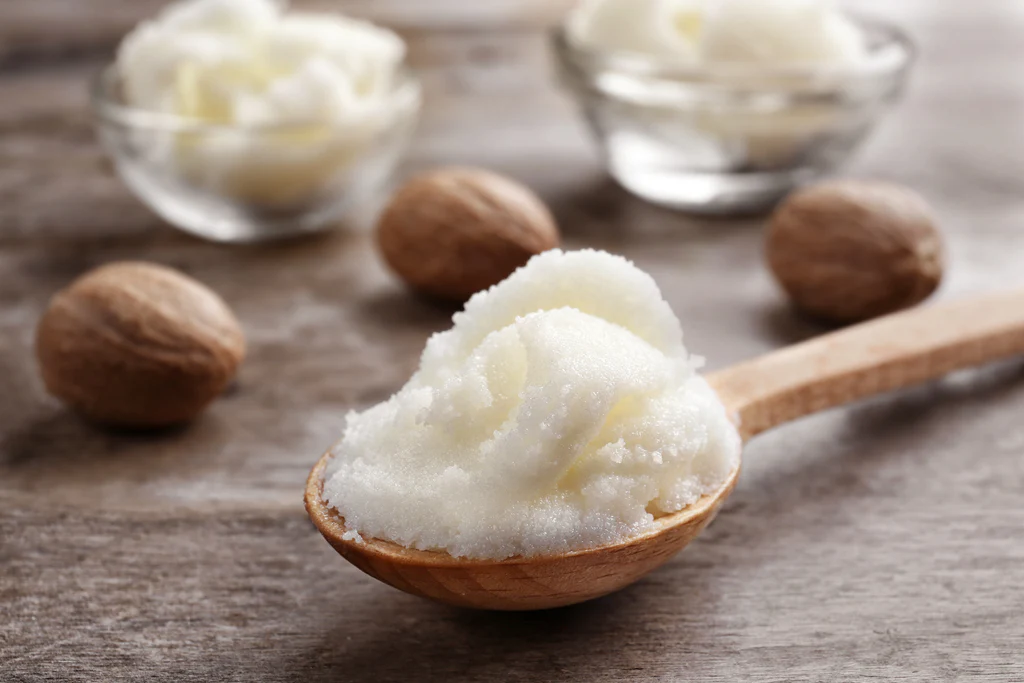
CBR systems are typically based on modified vegetable fats derived from palm fractions and other non-lauric oils. These fats are processed through fractionation, blending, and sometimes interesterification to achieve desired physical properties.
Melting Behavior
Most CBR systems used in spreadable creams melt in the range of 32°C to 38°C, ensuring a smooth sensory release while maintaining structural integrity at ambient conditions.
Solid Fat Content Profile
The solid fat content (SFC) curve is carefully engineered to ensure:
- Firmness at room temperature
- Softness during spreading
- Controlled melting in the mouth
Crystallization Stability
Unlike cocoa butter, which is polymorphic and sensitive to temperature shifts, CBR forms more stable crystal structures, reducing the risk of graininess or phase separation.
Emulsion Compatibility
CBR integrates well into emulsified systems containing milk solids, sugar syrups, cocoa powders, stabilizers, and emulsifiers such as lecithin.
Industrial Applications of CBR for Spreadable Creams Supplier
CBR is widely used across multiple spreadable product categories where texture stability is more important than chocolate identity.
Chocolate-Flavored Spreadable Creams
This is the largest application segment. CBR ensures smooth texture, glossy appearance, and stable viscosity even in warm climates.
Hazelnut and Nut-Based Creams
In nut spreads, CBR supports oil binding and prevents natural nut oils from separating over time.
Bakery Fillings and Cream Layers
CBR-based creams maintain structure in layered cakes, pastries, and filled bakery products.
Dairy-Based Spreadable Products
In hybrid dairy creams, CBR enhances mouthfeel while improving shelf stability.
Industrial Dessert Fillings
Used in mass-produced desserts, CBR helps maintain consistency during automated filling processes.
Common Mistakes in Sourcing CBR for Spreadable Creams Supplier
Even experienced procurement teams sometimes underestimate the complexity of fat systems. Mistakes often appear months later in production issues or customer complaints.
Selecting Based Only on Price
Low-cost CBR may have unstable melting curves or inconsistent fatty acid composition, leading to unpredictable texture behavior.
Ignoring Emulsion Compatibility
Not all CBR systems behave well with dairy proteins, emulsifiers, or stabilizers.
Overlooking Seasonal Performance
A formulation that works in winter may fail in summer if thermal stability is not properly evaluated.
Inconsistent Supplier Switching
Frequent supplier changes disrupt production calibration and increase formulation adjustment costs.
Neglecting Rheological Testing
Viscosity and flow behavior are critical for spreadable creams, yet often overlooked during procurement.
CBR vs Cocoa Butter: Industrial Comparison
Understanding the difference between CBR and cocoa butter is essential for formulation strategy.
| Property | CBR | Cocoa Butter |
|---|---|---|
| Tempering Requirement | No | Yes |
| Cost Stability | High | Volatile |
| Flavor Contribution | Neutral | Distinct cocoa aroma |
| Heat Stability | High | Moderate |
| Spreadability Control | Excellent | Limited |
| Industrial Suitability | Very High | Limited |
While cocoa butter remains important in premium chocolate manufacturing, CBR dominates in spreadable creams due to its stability and processing advantages.
How CBR Improves Production Efficiency in Spreadable Cream Lines
Production efficiency is not only about machine speed. Ingredient behavior has a direct impact on downtime, waste, and reprocessing costs.
CBR contributes to efficiency by:
- Reducing viscosity fluctuations during production
- Improving pumpability in filling machines
- Decreasing temperature sensitivity during storage
- Minimizing batch rejection rates
- Stabilizing continuous mixing systems
In our collaboration with various factories, we have observed that switching to optimized CBR systems can reduce formulation adjustment time by up to 25%, especially in multi-line production facilities.
A spreadable cream line behaves like a finely tuned orchestra. If one ingredient plays out of tune, the entire batch loses harmony.
Key Technical Specifications Buyers Should Evaluate
When selecting a CBR for Spreadable Creams Supplier, procurement teams must focus on technical data rather than commercial claims.
Important specifications include:
- Melting point range
- Solid fat content curve
- Iodine value
- Peroxide value
- Free fatty acid content
- Viscosity behavior at 40°C
- Emulsification compatibility index
- Flavor neutrality level
- Moisture content
- Storage stability profile
Each parameter directly influences product behavior during manufacturing and consumer use.
Specialized Tips for Large-Scale Spreadable Cream Manufacturing
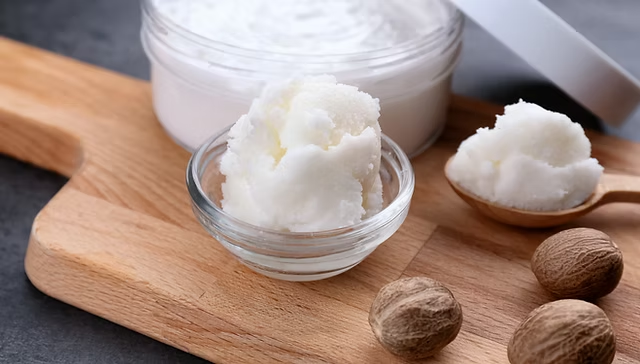
Scaling production requires more than just increasing batch size. It requires stabilizing ingredient behavior across multiple variables.
Before optimizing production lines, factories should focus on raw material consistency.
Practical recommendations include:
- Standardize CBR grade across all production lines
- Maintain controlled storage below 25°C
- Avoid frequent formulation changes during peak production
- Monitor viscosity during seasonal transitions
- Conduct regular rheology testing
- Ensure emulsifier-fat compatibility testing
- Implement strict batch traceability systems
- Train operators to recognize early phase separation signs
These steps significantly reduce production variability and improve long-term product stability.
Emerging Trends in CBR for Spreadable Creams Supplier Market
The global spreadable cream market is evolving rapidly due to consumer preferences, health trends, and manufacturing innovation.
Key industry trends include:
- Demand for palm-based sustainable fats
- Growth of low-sugar spreadable creams
- Increasing use of structured fat systems
- Clean-label formulation pressure
- Expansion of private-label spreadable creams
- Higher automation in filling and mixing systems
- Improved traceability in vegetable oil supply chains
Market analysis shows that fat-based spreadable creams continue to grow at approximately 4–6% annually in emerging markets, driven largely by bakery expansion and snack consumption.
Role of Reliable Suppliers in CBR Procurement
Choosing the right CBR for Spreadable Creams Supplier is as important as choosing the formulation itself. Supply consistency directly affects production planning, cost control, and product reliability.
A strong supplier provides:
- Stable product quality across batches
- Technical documentation and formulation support
- Flexible sourcing options across multiple brands
- Competitive pricing without quality compromise
- Reliable logistics and delivery systems
This is where MT Royal plays an important role by offering a diversified portfolio of CBR solutions from multiple global manufacturers. Instead of limiting factories to one rigid system, MT Royal enables procurement flexibility based on performance needs and cost strategies.
This flexibility often becomes a hidden advantage in competitive manufacturing environments where raw material availability can shift unexpectedly.
Frequently Asked Questions About CBR for Spreadable Creams Supplier
Is CBR suitable for all spreadable cream formulations?
Yes, CBR is widely used in most industrial spreadable cream systems, especially those requiring stability, cost efficiency, and smooth texture.
Does CBR affect taste?
CBR is typically neutral in flavor, allowing cocoa, nut, or dairy profiles to dominate the sensory experience.
Can CBR prevent oil separation?
Yes, properly formulated CBR systems significantly reduce oil migration and phase separation in spreadable creams.
How should CBR be stored?
It should be stored in a cool, dry environment away from direct heat and humidity to maintain its functional properties.
What is the difference between CBR and CBS?
CBR is designed for non-chocolate applications like spreads and fillings, while CBS is typically used in coating systems.
Why do different suppliers produce different results?
Differences in raw material sources, processing methods, and fractionation techniques lead to variations in melting behavior and texture performance.
Final Industrial Insight
CBR for Spreadable Creams Supplier selection is not a simple procurement task. It is a formulation decision that directly impacts product stability, consumer experience, and production efficiency.
Factories that treat CBR as a strategic ingredient rather than a commodity consistently achieve more stable output and fewer production disruptions. With the right supplier partnership—such as MT Royal offering multiple global brand options—manufacturers gain both technical flexibility and supply chain resilience.
In spreadable cream production, smoothness is not just a texture. It is a system of precision. And CBR is one of the quiet forces that makes that precision possible.



No comment