

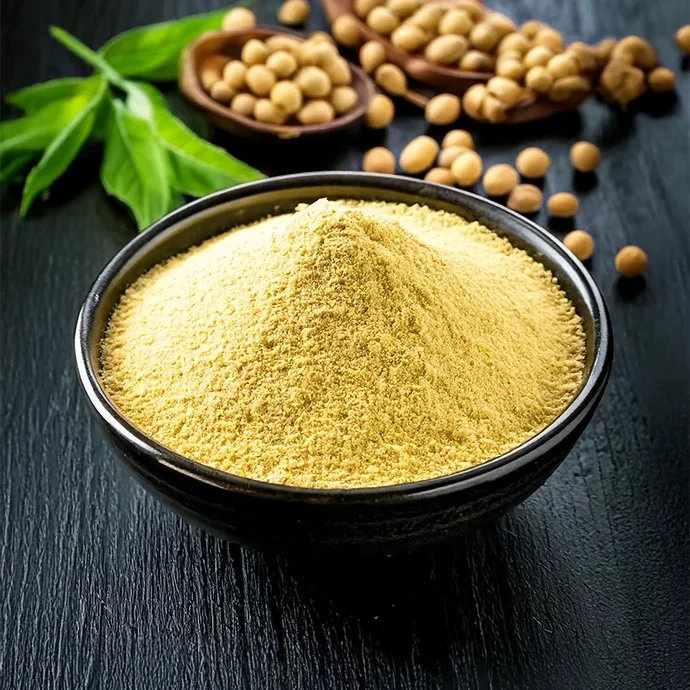
When food manufacturers evaluate functional ingredients that influence production efficiency, texture, and product stability, lecithin often plays a surprisingly decisive role. Choosing the right Rapeseed Lecithin Powder Supplier is not merely a procurement task — it is a strategic decision that can directly affect your production consistency, formulation flexibility, regulatory positioning, and long-term cost management. For factories looking to secure reliable quality with competitive pricing, working with experienced sourcing partners such as MT Royal can create operational advantages that extend far beyond ingredient purchasing.
Rapeseed lecithin powder has gained significant attention in recent years as an alternative to traditional soy lecithin. Driven by increasing demand for allergen-free formulations, non-GMO sourcing, and clean-label products, manufacturers across confectionery, bakery, nutraceutical, and plant-based sectors are incorporating rapeseed lecithin into their production systems. Yet, despite its growing popularity, many procurement teams underestimate the technical and logistical nuances involved in sourcing lecithin at industrial scale.
In our collaboration with various factories, we have seen that the choice of lecithin supplier can influence processing efficiency, energy consumption, and final product quality more than most teams initially expect. This article provides a comprehensive, website-ready resource that explores rapeseed lecithin powder from both technical and commercial perspectives, helping production managers, R&D specialists, and procurement professionals make confident decisions.
What Is Rapeseed Lecithin Powder? Definitions and Functional Principles
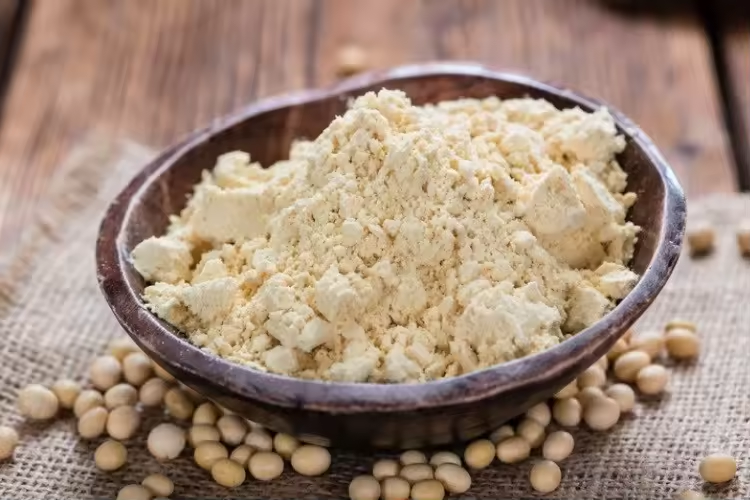
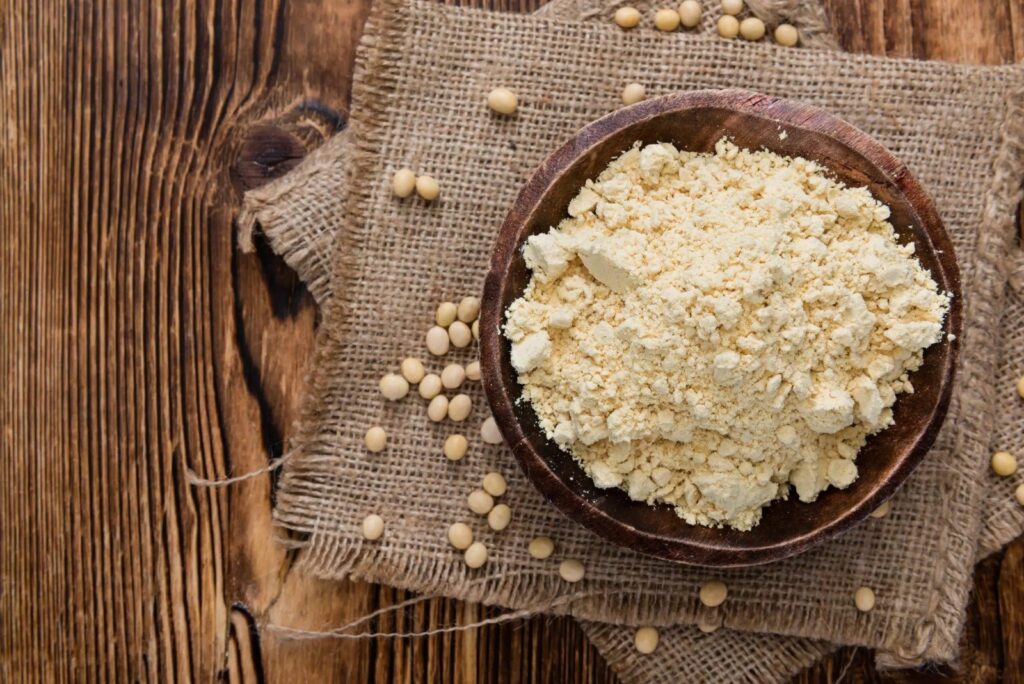
Rapeseed lecithin powder is a natural emulsifier derived from rapeseed (canola) oil processing. During oil extraction and refining, phospholipids are separated and further processed into lecithin. The powder form is created through deoiling, which removes a portion of the oil content and converts the lecithin into a more manageable dry ingredient.
The primary functional components include:
- Phosphatidylcholine
- Phosphatidylethanolamine
- Phosphatidylinositol
- Phosphatidic acid
These phospholipids possess amphiphilic properties, meaning they interact with both water and fat molecules. This allows lecithin to stabilize emulsions, improve dispersion, and enhance processing behavior across numerous food applications.
Compared to liquid lecithin, rapeseed lecithin powder offers several advantages for industrial production:
- Easier dosing and handling
- Improved shelf stability
- Lower fat content
- Compatibility with dry mixing systems
- Better flow properties in powder blends
For manufacturers producing instant powders, bakery premixes, nutritional formulations, or supplements, the powder format can significantly simplify production workflows.
Why Manufacturers Are Choosing Rapeseed Lecithin Over Soy Lecithin
Historically, soy lecithin dominated the market due to cost efficiency and availability. However, rapeseed lecithin is gaining traction because it addresses several emerging industry requirements:
- Allergen-free positioning (soy is a major allergen in many regions)
- Non-GMO perception and consumer preference
- European sourcing advantages
- Clean-label compatibility
- Sustainable agriculture perception
- Regulatory flexibility in certain markets
For brands targeting premium or health-focused segments, rapeseed lecithin can provide a meaningful marketing advantage while maintaining comparable functionality.
Industrial Applications of Rapeseed Lecithin Powder
A professional Rapeseed Lecithin Powder Supplier must understand how the ingredient performs across different manufacturing environments.
Powdered Beverages and Instant Mixes
Rapeseed lecithin improves wettability and dispersion in:
- Protein powders
- Instant cocoa drinks
- Nutritional supplements
- Coffee creamers
- Meal replacement formulations
Improved dispersibility reduces clumping and enhances consumer perception of product quality.
Bakery and Dough Systems
In bakery production, lecithin contributes to:
- Dough conditioning
- Improved crumb softness
- Extended shelf life
- Enhanced mixing tolerance
- Reduced fat requirements
Powder lecithin integrates easily into flour-based systems without additional processing steps.
Chocolate and Confectionery Production
Rapeseed lecithin can function similarly to soy lecithin in chocolate manufacturing by:
- Reducing viscosity
- Improving flow properties
- Enhancing mold filling
- Lowering cocoa butter requirements
The allergen-free advantage can be particularly valuable for specialized confectionery brands.
Nutraceutical and Supplement Manufacturing
Rapeseed lecithin is widely used in:
- Capsules and tablets
- Functional powders
- Liposomal formulations
- Dietary supplements
Its phospholipid content also supports nutritional positioning.
Why Choosing the Right Rapeseed Lecithin Powder Supplier Matters
At industrial scale, ingredient consistency is critical. Variability in lecithin composition can lead to:
- Processing inconsistencies
- Texture variations
- Equipment inefficiencies
- Increased waste
- Formulation adjustments
A reliable Rapeseed Lecithin Powder Supplier ensures:
- Consistent phospholipid levels
- Stable particle size distribution
- Verified microbiological safety
- Reliable logistics
- Technical documentation support
MT Royal supports manufacturers by offering multiple brands and specifications, allowing factories to match lecithin properties precisely to production requirements rather than adjusting processes to accommodate ingredient limitations.
Common Mistakes in Industrial Lecithin Sourcing
1. Choosing Based Solely on Price
Lower-cost lecithin may contain reduced active phospholipids, requiring higher usage levels and ultimately increasing formulation costs.
True cost evaluation must consider:
- Functional efficiency per kilogram
- Impact on processing time
- Waste reduction
- Energy savings
2. Ignoring Particle Size and Dispersibility
Powder lecithin performance depends heavily on particle size. Poor dispersibility can create mixing challenges and inconsistent results.
3. Overlooking Oxidation Stability
Phospholipids are sensitive to oxidation. Poor storage or low-quality raw materials can cause rancidity, affecting flavor and shelf life.
Important indicators include:
- Peroxide value
- Acid value
- Moisture content
- Antioxidant stabilization
4. Mismatching Lecithin to Processing Systems
Not all lecithin types perform equally across production environments. Supplier technical consultation is essential.
Rapeseed Lecithin vs Other Emulsifiers: Practical Comparison
Manufacturers often evaluate rapeseed lecithin against alternatives such as soy lecithin, sunflower lecithin, or synthetic emulsifiers.
Rapeseed lecithin advantages:
- Allergen-free
- Non-GMO friendly
- Clean label
- Competitive functionality
- Sustainable sourcing perception
Soy lecithin remains cost-efficient but carries allergen considerations. Sunflower lecithin offers similar allergen advantages but often at higher cost. Synthetic emulsifiers may deliver strong technical performance but lack natural labeling benefits.
Specialized Industrial Tips for Large-Scale Production
Optimize Dispersion Through Pre-Blending
Pre-mixing lecithin with carrier powders improves uniform distribution and reduces agglomeration.
Control Humidity Exposure
Rapeseed lecithin powder is hygroscopic. Proper storage in controlled humidity conditions preserves flowability.
Monitor Temperature Conditions
Excessive heat can degrade phospholipids. Maintain moderate processing temperatures during mixing and storage.
Reduce Fat Usage Strategically
Lecithin allows partial fat reduction without compromising texture, creating opportunities for cost savings in large-scale production.
Improve Equipment Efficiency
Lecithin reduces sticking and friction, improving throughput and reducing cleaning downtime.
We have observed that production lines integrating optimized lecithin usage often achieve measurable improvements in efficiency and consistency.
Market Trends Driving Rapeseed Lecithin Demand
Several industry trends are accelerating demand for rapeseed lecithin:
Growth of Allergen-Free Products
Consumers increasingly seek allergen-free foods. Rapeseed lecithin supports this requirement without sacrificing performance.
Expansion of Plant-Based Foods
Plant-based dairy and meat alternatives rely heavily on emulsifiers. Rapeseed lecithin provides stability and texture improvement.
Clean Label Movement
Manufacturers prefer recognizable, natural ingredients over synthetic additives.
Sustainability Awareness
Rapeseed cultivation is often perceived as environmentally favorable compared to some alternatives, supporting sustainability messaging.
Frequently Asked Questions from Factory Managers and Procurement Teams
Is rapeseed lecithin as effective as soy lecithin?
Yes, in most applications rapeseed lecithin delivers comparable emulsification and viscosity control, though dosage optimization may be required.
What is the typical dosage level?
Usage typically ranges from 0.2% to 1%, depending on the application and formulation goals.
Does rapeseed lecithin affect flavor?
High-quality lecithin has a neutral or mild flavor profile. Oxidized material may introduce off-notes, emphasizing the importance of supplier quality.
How should lecithin be stored?
Store in cool, dry conditions away from light and oxygen exposure. Proper storage extends shelf life and preserves functionality.
Can rapeseed lecithin support organic formulations?
Yes, organic-certified rapeseed lecithin is available when sourced from qualified suppliers.
Building a Strategic Partnership with Your Supplier
Ingredient sourcing works best when treated as a collaborative partnership rather than a transactional purchase. Working with experienced distributors provides:
- Access to multiple brands
- Flexible supply options
- Competitive pricing
- Technical support
- Risk mitigation
MT Royal operates within this partnership framework, supporting manufacturers with tailored sourcing solutions that align with production needs and market goals.
In our experience, factories that integrate supplier expertise into their decision-making processes consistently achieve stronger operational outcomes and long-term cost efficiency.
The Broader Impact of Lecithin Selection on Production Performance
The influence of lecithin extends beyond formulation. The right choice affects:
- Energy consumption during mixing
- Equipment maintenance frequency
- Product shelf life
- Texture consistency
- Consumer perception
- Production throughput
In many ways, lecithin functions like lubrication within your manufacturing system. When optimized, operations run smoothly. When poorly selected, inefficiencies appear across multiple stages.
The opportunity for manufacturers lies not simply in purchasing lecithin, but in selecting a Rapeseed Lecithin Powder Supplier who understands industrial realities, anticipates challenges, and provides materials aligned with operational goals. When sourcing decisions are made with this level of insight, lecithin transforms from a minor ingredient into a powerful driver of manufacturing efficiency and product excellence.


No comment