

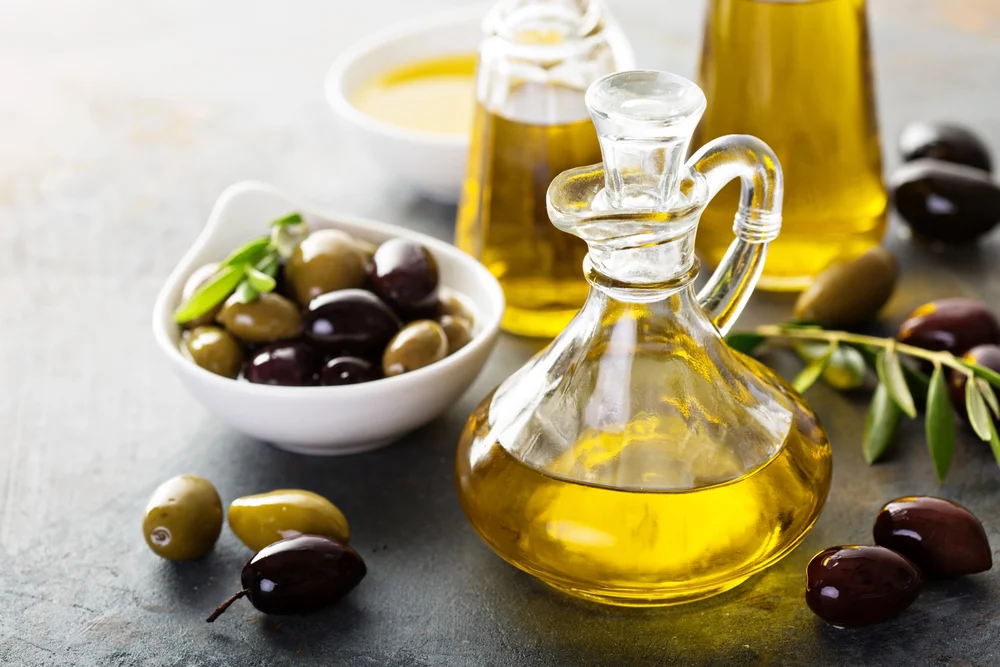
The food manufacturing industry is constantly balancing three demanding priorities: producing products that consumers love, meeting evolving health expectations, and maintaining operational efficiency at the factory level. Among the ingredients receiving increasing attention, Trans-Fat-Free Oils from TÜRKİYE for Food Industry have become an important solution for manufacturers looking to improve product quality while adapting to modern nutritional standards.
For many production managers, choosing the right oil is not simply a matter of selecting an ingredient from a supplier catalog. Oil influences texture, shelf life, processing stability, flavor release, production speed, and even the reputation of the final product. A small formulation decision at the raw material stage can affect thousands of kilograms of output every month.
Today, manufacturers of biscuits, bakery products, confectionery, chocolate fillings, spreads, snacks, and ready-to-eat foods are increasingly searching for oils that deliver consistent performance without the disadvantages associated with partially hydrogenated fats. Türkiye has developed into an important regional supplier of specialty food ingredients, offering manufacturers access to advanced oil solutions suitable for large-scale production.
At MT Royal, we supply manufacturers with various ingredient brands and help production facilities identify solutions that match their technical requirements, production volumes, and cost expectations. The goal is not simply supplying an oil product, but helping factories create reliable and efficient production systems.
LATAMARKO LM60 – Premium Spanish-Origin Cocoa Powder
latamarko alkalized cocoa powder lm60
cocoa powder for chocolate production-Best price
Food industry raw materials – list of products
What Are Trans-Fat-Free Oils?
Trans-fat-free oils are edible oils and fat systems formulated without industrially produced trans fatty acids. Traditional partially hydrogenated oils were widely used in food manufacturing because they provided desirable characteristics such as solid texture, stability, and extended shelf life. However, research linking high trans-fat consumption with cardiovascular health concerns led many countries and food companies to reduce or eliminate their use.
Modern food manufacturers now rely on alternative technologies, including:
- Naturally stable vegetable oils
- Interesterified fats
- High-oleic oils
- Specialty blends
- Non-hydrogenated shortening systems
- Cocoa butter alternatives and specialty confectionery fats
These solutions allow manufacturers to achieve the functionality previously provided by hydrogenated fats while meeting cleaner-label expectations.
For industrial production, the challenge is finding an oil that performs well during mixing, baking, frying, cooling, storage, and transportation. A healthy label alone is not enough. The ingredient must also work efficiently on the factory floor.
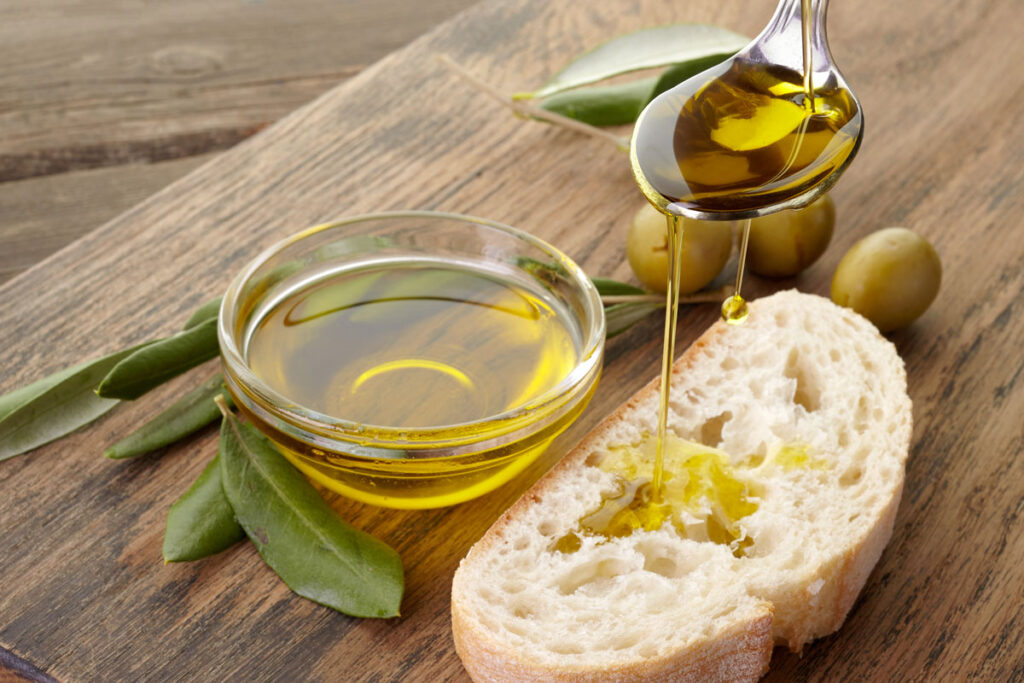
Why Food Manufacturers Are Switching to Trans-Fat-Free Oil Solutions
The transition toward trans-fat-free formulations is not only driven by regulations. It is also connected to consumer expectations, brand positioning, and long-term business strategies.
Modern customers increasingly examine ingredient lists and nutritional information before purchasing food products. Manufacturers that adapt early can strengthen their market position and build greater trust.
Improved Product Positioning
Food companies today compete in markets where product differentiation matters. A biscuit manufacturer, for example, may use a trans-fat-free oil system to support claims related to improved nutritional profiles while maintaining the taste customers expect.
The challenge is creating healthier products without sacrificing traditional characteristics.
Consumers may appreciate a healthier formulation, but they will quickly reject a product if its texture, flavor, or appearance changes negatively.
Better Alignment With Global Food Standards
Many international food markets have introduced stricter requirements regarding trans fats. Manufacturers exporting products need ingredients that support compliance across different regions.
Using reliable trans-fat-free oils helps companies reduce reformulation risks and prepare products for wider distribution channels.
Consistent Industrial Performance
In manufacturing environments, consistency is everything. A production line cannot depend on raw materials that behave differently from one shipment to another.
High-quality oils provide:
- Stable melting characteristics
- Predictable processing behavior
- Better batch-to-batch consistency
- Improved control over final product texture
- Reduced production adjustments
A stable ingredient means fewer interruptions and more predictable output.
The Role of Türkiye in the Global Food Oil Market
Türkiye has become an important player in the food ingredient supply chain due to its strong agricultural sector, advanced processing facilities, and strategic geographic position between Europe, Asia, and the Middle East.
For manufacturers in surrounding markets, Turkish suppliers can provide several advantages:
- Shorter logistics routes compared with distant suppliers
- Competitive transportation costs
- Strong manufacturing capabilities
- Experience in international food markets
- Flexible supply solutions for industrial buyers
Turkish food ingredient producers increasingly invest in refining technologies, quality control systems, and specialized fat solutions designed for professional food applications.
For a factory purchasing several tons of oil monthly, supplier location and logistics reliability can directly influence production costs.
Key Applications of Trans-Fat-Free Oils in Food Manufacturing
Different industries require different oil characteristics. The correct choice depends on the final product, processing method, and desired consumer experience.
Bakery Products
Bakery manufacturers use specialty oils and fat systems in products such as:
- Cookies
- Cakes
- Pastries
- Wafers
- Cream-filled products
The oil affects softness, mouthfeel, aroma retention, and shelf stability.
A cookie manufacturer, for example, may require an oil system that maintains crispness while preventing undesirable texture changes during storage.
Confectionery Production
Chocolate and confectionery manufacturers require precise control over fat behavior. Melting point, compatibility, and crystallization properties are essential factors.
Premium European suppliers, including Spanish-origin brands such as Latamarko, represent examples of manufacturers focusing on quality-driven solutions where formulation precision and consistency are important considerations.
In high-volume confectionery plants, choosing the correct fat system can influence everything from product appearance to consumer satisfaction.
Snack Manufacturing
Fried and baked snacks depend heavily on oil performance. Oxidative stability, flavor neutrality, and resistance to degradation are important considerations.
A poor oil selection can increase waste, create inconsistent taste profiles, and shorten product shelf life.
Important Factors When Purchasing Industrial Food Oils
Many procurement teams focus mainly on price per kilogram. However, experienced manufacturers understand that the lowest purchase price does not always create the lowest production cost.
The real calculation should include:
- Processing efficiency
- Waste reduction
- Product consistency
- Storage requirements
- Supplier reliability
- Technical support
A slightly higher-quality oil may reduce production problems and create better overall profitability.
Quality Certifications and Documentation
Before selecting a supplier, manufacturers should review:
- Food safety certifications
- Technical data sheets
- Specification documents
- Batch traceability systems
- Quality control procedures
Reliable documentation is especially important for factories supplying international customers.
Supply Stability
Production managers know that ingredient shortages can stop an entire production line.
A dependable supplier should provide:
- Consistent availability
- Clear delivery schedules
- Flexible order planning
- Professional communication
At MT Royal, we understand that ingredient supply is connected directly to production continuity. Manufacturers need partners who understand factory timelines, not just product transactions.
Common Mistakes Manufacturers Make When Choosing Oils
Even experienced companies sometimes make procurement decisions that create operational challenges later.
Choosing Based Only on Price
The cheapest oil may require additional adjustments during production. Increased waste, inconsistent batches, or shorter shelf life can quickly eliminate initial savings.
Ignoring Application Requirements
An oil suitable for frying may not perform well in chocolate filling or bakery applications.
Every product category requires specific functional characteristics.
Changing Suppliers Without Technical Evaluation
Switching suppliers can affect recipes, machinery settings, and final product quality.
Before changing a formulation, manufacturers should test:
- Processing behavior
- Sensory characteristics
- Storage stability
- Consumer acceptance
How Factory Managers Can Evaluate a New Oil Supplier
A practical evaluation process can prevent expensive mistakes.
Step 1: Define Production Requirements
Before contacting suppliers, determine:
- Product category
- Monthly consumption volume
- Processing temperature
- Desired texture
- Shelf-life expectations
Step 2: Request Technical Information
Ask suppliers for complete product specifications and application guidance.
Step 3: Conduct Factory Trials
Small-scale production tests reveal how the ingredient performs under real conditions.
Laboratory results are valuable, but factory performance is the final measurement.
Step 4: Evaluate Total Value
Consider quality, service, logistics, and technical support together.
A strong supplier relationship often becomes a competitive advantage.
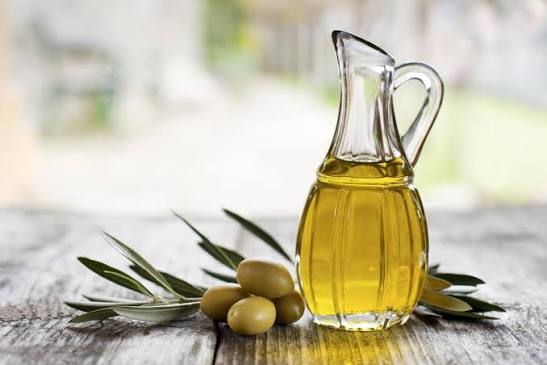
Industrial Trends Shaping the Future of Food Oils
The food industry is moving toward cleaner, more transparent, and more functional ingredients.
Several trends are influencing future oil development:
Clean Label Formulations
Consumers increasingly prefer products with simpler ingredient lists. Manufacturers are responding by selecting oils that support recognizable and transparent formulations.
Health-Focused Innovation
Food companies continue researching improved fat systems that balance nutrition, functionality, and taste.
Sustainable Supply Chains
Large manufacturers increasingly evaluate suppliers based on environmental responsibility, sourcing practices, and operational transparency.
Customized Fat Solutions
Instead of using standard oils for every application, manufacturers increasingly prefer customized solutions designed for specific production needs.
Comparing Traditional Hydrogenated Fats and Modern Trans-Fat-Free Oils
| Feature | Traditional Hydrogenated Oils | Modern Trans-Fat-Free Oils |
|---|---|---|
| Trans fat content | Higher risk depending on formulation | Designed without industrial trans fats |
| Consumer perception | Increasingly negative | More aligned with health expectations |
| Regulatory compatibility | Limited in many markets | Better suited for modern regulations |
| Application flexibility | Functional but restricted | Wide industrial applications |
| Brand positioning | Less attractive | Supports cleaner product development |
Why Choosing the Right Supplier Matters
Food manufacturing success depends on many interconnected factors. Machinery, workforce, recipes, packaging, and ingredients must work together.
Oil may appear to be a simple raw material, but it plays a major role in final product performance.
A reliable supplier provides more than a product shipment. They provide confidence, technical knowledge, and supply chain stability.
At MT Royal, we work with manufacturers seeking dependable ingredient solutions and access to different international brands at competitive prices. Our approach focuses on understanding production challenges and helping businesses choose suitable options rather than simply offering standard products.
Frequently Asked Questions About Trans-Fat-Free Oils
Are trans-fat-free oils suitable for large-scale production?
Yes. Many modern food factories use trans-fat-free oil systems for industrial production. The key is selecting a formulation designed for the specific application.
Do trans-fat-free oils change product taste?
High-quality oils are developed to maintain expected flavor and texture characteristics. Proper testing ensures the final product meets consumer expectations.
Are Turkish food oils suitable for export-oriented manufacturers?
Many Turkish suppliers produce ingredients according to international food industry requirements, making them suitable for companies serving domestic and export markets.
How can manufacturers reduce risks when changing oil suppliers?
Factories should perform technical trials, review specifications, and evaluate supplier reliability before making large-scale changes.
What industries benefit most from trans-fat-free oils?
Bakery, confectionery, snack, dairy alternative, and processed food manufacturers commonly use these solutions.
Final Thoughts: Building Better Products Starts With Better Ingredients
The future of food manufacturing belongs to companies that can combine quality, efficiency, and consumer trust. Choosing the right oil is not only a formulation decision; it is a strategic production decision that affects every stage from factory performance to customer satisfaction.
With the right technical approach, dependable sourcing, and experienced partners, trans-fat-free oils can become a foundation for stronger food products and more efficient manufacturing operations.


No comment