

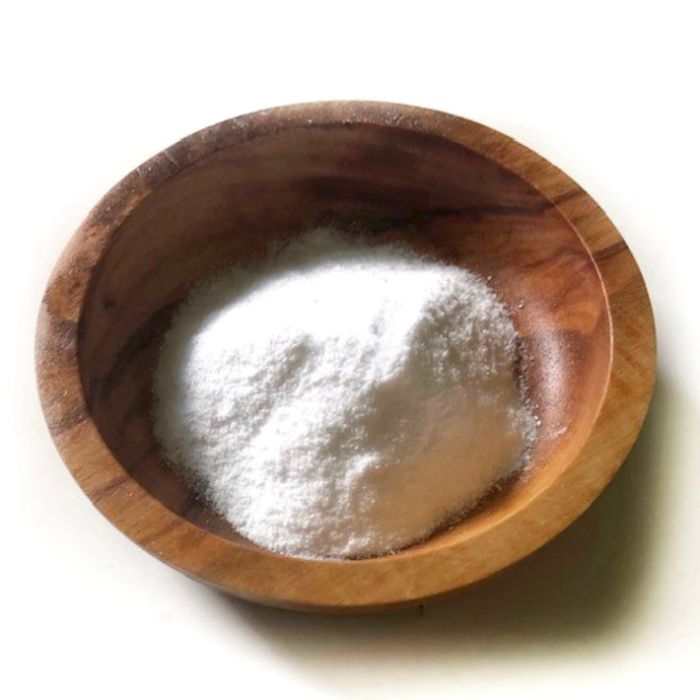
In many food factories across Afghanistan, dextrose enters production quietly. It does not dominate formulations by weight, and it rarely receives the same attention as flour or oil. Yet when dextrose quality fluctuates or supply becomes unreliable, its absence is felt immediately—through unstable textures, inconsistent sweetness, fermentation problems, or shortened shelf life. This is why selecting the right Dextrose Supplier for Afghanistan is not a tactical purchase, but a strategic production decision. At MT Royal, we have seen how dependable dextrose supply transforms operational stability, and how small sourcing errors can ripple across entire product lines.
Afghanistan’s food manufacturing landscape operates under pressure: limited domestic ingredient processing, dependence on imports, logistical uncertainty, and tight cost control. In such conditions, industrial buyers are not searching for generic explanations of dextrose. They are searching for clarity—what type of dextrose works best, how quality differences affect production, and which suppliers can deliver consistency under real-world conditions. This article is written to answer that search intent completely, with depth that supports confident decision-making.
latamarko alkalized cocoa powder lm60
cocoa powder for chocolate production-Best price
Food industry raw materials – list of products
Types of Gelatin from Turkish Manufacturer
Alkalized Cocoa Powder Supplier
What Is Dextrose and Why It Matters in Industrial Food Production
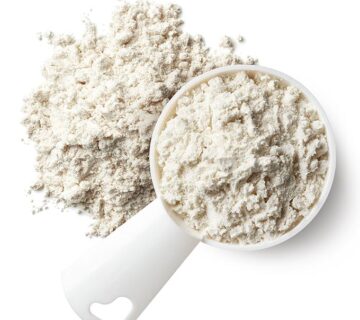
Dextrose is a simple sugar, chemically identical to glucose, commonly derived from starch sources such as corn. In industrial food applications, dextrose is valued not just for sweetness, but for its functional behavior.
Unlike sucrose, dextrose:
- Provides faster sweetness perception
- Participates actively in Maillard browning
- Improves fermentation efficiency
- Enhances moisture control
- Supports texture development in baked and processed foods
For Afghan factories producing biscuits, confectionery, beverages, dairy alternatives, or nutritional products, dextrose is often a functional tool rather than a flavor driver. Its performance depends heavily on purity, particle size, moisture content, and consistency across batches.
Forms of Dextrose Used in Afghanistan’s Food Industry
Dextrose Monohydrate
Dextrose monohydrate contains a small amount of bound water and is widely used in:
- Biscuit and bakery products
- Confectionery
- Dairy-based formulations
- Dry mixes
Its controlled sweetness and reliable crystallization behavior make it suitable for stable industrial processing.
Anhydrous Dextrose
Anhydrous dextrose has lower moisture content and higher sweetness intensity per unit weight. It is commonly used where moisture control is critical, such as:
- Instant beverage powders
- High-fat confectionery
- Nutritional and energy products
Selecting the wrong form can affect flowability, shelf life, and process efficiency.
Why Afghanistan Relies on Imported Dextrose
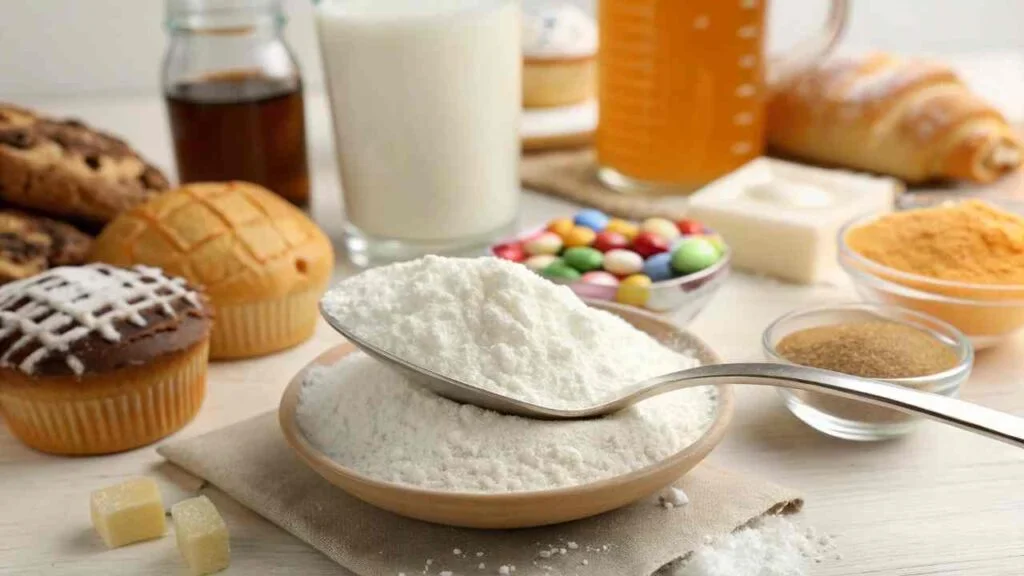
Afghanistan does not have large-scale industrial glucose processing infrastructure. As a result, nearly all food-grade dextrose is imported. This dependence makes supplier selection particularly important.
Imported dextrose must survive:
- Long transit times
- Variable storage conditions
- Multiple handling points
- Customs clearance delays
Only exporters and suppliers experienced with industrial-grade packaging, documentation, and logistics can ensure that dextrose arrives usable—not just delivered.
Key Quality Parameters Industrial Buyers Must Evaluate
Purity and Chemical Stability
Industrial dextrose must meet strict purity standards. Impurities affect sweetness perception, fermentation behavior, and color development during heating.
Particle Size and Flow Properties
Inconsistent particle size causes:
- Poor blending
- Segregation in dry mixes
- Feeding problems in automated systems
Factories often compensate by adjusting processes, when the real issue is raw material variability.
Moisture Content and Hygroscopicity
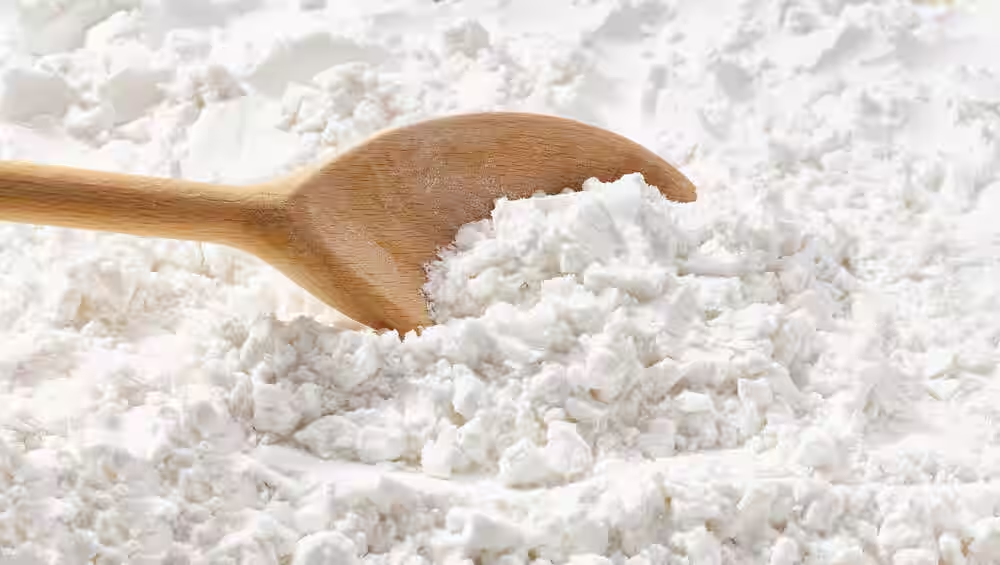
Dextrose absorbs moisture readily. Poor packaging or inconsistent moisture levels lead to clumping, reduced shelf life, and dosing inaccuracies—especially in Afghanistan’s diverse climate zones.
Consistency Across Shipments
The most overlooked parameter is batch-to-batch consistency. Even small variations in dextrose behavior can disrupt production stability.
We have seen factories spend weeks recalibrating processes for what was essentially a supply consistency problem.
Common Mistakes When Sourcing Dextrose for Afghanistan
Choosing Suppliers Based on Price Alone
Low-cost dextrose often comes with hidden costs: higher waste, line stoppages, or quality complaints. These losses rarely appear in procurement spreadsheets but show up clearly in production reports.
Ignoring Packaging and Transport Suitability
Industrial dextrose must be packed for long-distance transport and extended storage. Weak packaging leads to moisture ingress and contamination risks.
Switching Suppliers Too Frequently
Every dextrose source behaves slightly differently. Frequent supplier changes introduce variability that compounds over time.
Treating Dextrose as a Commodity
While chemically simple, dextrose is functionally sensitive. Treating it as interchangeable undermines formulation control.
Industrial Applications of Dextrose in Afghan Food Manufacturing
Biscuit and Bakery Production
Dextrose contributes to:
- Controlled browning
- Crisp texture
- Improved dough handling
- Consistent sweetness profile
Incorrect dextrose selection often leads to uneven color and fragile structures.
Confectionery and Candy
In sweets, dextrose controls crystallization, reduces sucrose sweetness intensity, and improves chew and bite. Stability here depends entirely on purity and moisture control.
Beverage and Powdered Products
Dextrose provides quick solubility and neutral flavor. Particle size and moisture stability are critical for instantization.
Fermented and Dairy-Based Products
In fermentation, dextrose serves as a readily available energy source. Inconsistent quality directly affects fermentation speed and yield.
What Defines a Reliable Dextrose Supplier for Afghanistan?
A reliable supplier understands that exporting dextrose is not just about shipping sugar. It is about maintaining functional performance from factory to factory.
Key characteristics include:
- Access to food-grade, certified producers
- Strong packaging and moisture control
- Experience with long-haul logistics
- Consistent specifications across batches
- Transparent documentation and traceability
MT Royal operates within this framework. We supply dextrose sourced from reputable manufacturers, selected specifically for industrial applications and challenging supply environments.
Industrial-Scale Considerations That Separate Good Suppliers from Strategic Partners
Predictable Performance at Scale
Dextrose must behave the same way in trial batches and full-scale production. Suppliers who cannot guarantee this introduce unnecessary risk.
Supply Continuity
Interruptions in dextrose supply halt entire product lines. Strategic suppliers plan inventory and sourcing with continuity in mind.
Cost Control Through Stability
Stable ingredients reduce waste, rework, and downtime. We have seen factories lower total production costs not by negotiating price, but by stabilizing dextrose supply.
The Role of MT Royal in Dextrose Supply to Afghanistan
MT Royal is not positioned as a spot trader. We operate as a long-term ingredient partner for manufacturers who value reliability.
We focus on:
- Supplying industrial-grade dextrose with consistent performance
- Offering flexibility through multi-origin sourcing
- Ensuring packaging and logistics match Afghan conditions
- Supporting production stability rather than short-term savings
We have worked with factories where dextrose issues quietly undermined output. In many cases, correcting the supply source resolved problems that had been misattributed to machinery or labor.
Frequently Asked Questions from Factory Managers and Buyers
Is dextrose interchangeable with glucose syrup?
No. While related, they behave differently in moisture control, sweetness delivery, and processing.
How can factories ensure consistent dextrose performance?
By sourcing from suppliers with strict specification control and minimizing unnecessary supplier changes.
Does climate affect dextrose storage?
Yes. Hygroscopic behavior makes proper packaging and storage conditions essential.
Market Trends Affecting Dextrose Supply to Afghanistan
- Increased demand for shelf-stable and packaged foods
- Growth in energy and nutritional products
- Greater emphasis on formulation precision
- Rising preference for suppliers with logistics expertise
Factories aligned with these trends prioritize ingredient stability over short-term price advantages.
A Strategic Perspective on Dextrose Sourcing
Dextrose rarely headlines production meetings—until something goes wrong. When supply is consistent, it fades into the background. When it is not, it dominates troubleshooting discussions.
The most successful factories are those that remove variables before they become problems. We have seen production environments stabilize simply by aligning dextrose sourcing with industrial realities rather than market speculation.
Choosing the right dextrose supplier for Afghanistan is not about finding the lowest quote. It is about protecting production flow, product quality, and planning confidence. MT Royal exists to support manufacturers who understand that quiet reliability upstream is what allows growth downstream.

No comment