

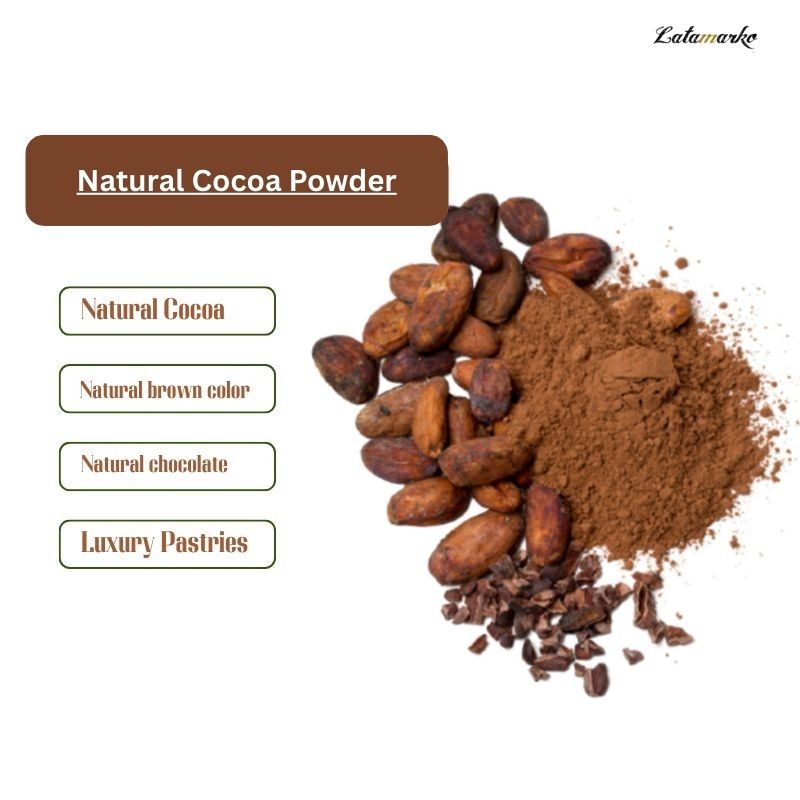
If your shipment gets delayed, your production stops. If your documents are not correct, your cargo stays at the port. This is the reality many importers face when they do not fully understand the Import Process Food Ingredients Libya.
For companies importing cocoa powder, dairy ingredients, emulsifiers, stabilizers, and food additives into Libya, having a clear and professional process is not optional—it is essential for business continuity.
Why Understanding the Import Process Food Ingredients Libya Matters
Libya is a highly import-dependent market. Manufacturers in Tripoli, Misrata, and Benghazi rely on imported food raw materials to maintain production.
Without a clear understanding of the Import Process Food Ingredients Libya, businesses face:
- Delays in customs clearance
- Unexpected costs
- Product rejection
- Supply chain disruption
A structured import process eliminates these risks.
Step-by-Step Import Process Food Ingredients Libya
A professional Import Process Food Ingredients Libya follows a clear and controlled sequence:
1. Supplier Selection
The first step is choosing a reliable supplier.
A professional supplier must provide:
- Consistent product quality
- Full export documentation
- Experience with Libya market requirements
Choosing the right partner at this stage simplifies the entire Import Process Food Ingredients Libya.
2. Product Specification and Agreement
Before shipment, all technical details must be confirmed:
- Product type (e.g., cocoa powder, lecithin, milk powder)
- Specifications (fat content, pH, moisture)
- Packaging format
- Quantity and pricing
- Delivery terms (FCA, FOB)
Clear agreement prevents misunderstandings later in the process.
3. Documentation Preparation
Documentation is the most critical part of the Import Process Food Ingredients Libya.
Required documents include:
- Commercial Invoice
- Packing List
- Certificate of Origin
- Health Certificate
- Certificate of Analysis
- Bill of Lading
All documents must match exactly. Even small differences can delay customs clearance.
4. Production and Packaging
After confirmation, goods are prepared for shipment.
Standard export practices include:
- 25 kg industrial bags
- Palletized cargo
- Proper labeling (batch number, production date, expiry date)
Correct packaging ensures product safety during transport.
5. Container Loading
Cargo is loaded into containers following strict standards.
Key considerations:
- Proper weight distribution
- Secure pallet arrangement
- Protection from moisture
Professional loading reduces the risk of damage during the Import Process Food Ingredients Libya.
6. Sea Freight Shipment
Most food raw materials are transported via sea freight.
Typical route:
- Departure from export hub (e.g., Türkiye)
- Transit through Mediterranean shipping lines
- Arrival at Libyan ports
Transit time usually ranges from a few days to around one week, depending on schedule.
7. Arrival and Customs Clearance
Upon arrival, the shipment enters the most sensitive stage of the Import Process Food Ingredients Libya.
Authorities may check:
- Documentation accuracy
- Product labeling
- Packaging condition
- Product quality
If everything is correct, clearance proceeds smoothly.
8. Inland Transportation and Delivery
After customs clearance, goods are transported to:
- Factories
- Warehouses
- Distribution centers
Efficient inland logistics ensures materials reach production sites without delay.
Common Challenges in Import Process Food Ingredients Libya
Many importers face difficulties due to:
Documentation Errors
Mismatch between documents
Incomplete Labeling
Missing or incorrect product information
Supplier Inexperience
Lack of understanding of Libya requirements
Logistics Delays
Poor coordination with shipping lines
These issues can disrupt the entire Import Process Food Ingredients Libya.
How to Optimize Import Process Food Ingredients Libya
To ensure smooth operations:
Plan in Advance
Confirm all details before shipment
Verify Documents
Double-check every document carefully
Use Proper Packaging
Protect goods during transport
Work with Experienced Suppliers
Professional partners reduce risks significantly
MT ROYAL – Direct Supplier Supporting Import Process
A strong supplier simplifies the Import Process Food Ingredients Libya.
MT ROYAL, based in Türkiye, acts as a direct supplier of food raw materials and supports importers with:
- High-quality cocoa products and food ingredients
- Complete and accurate export documentation
- Professional packaging and container loading
- Strong logistics coordination
- Experience with Libya import requirements
This ensures that shipments are prepared correctly from the beginning, reducing risks at every stage.
Why Supplier Choice Determines Success
Even with a perfect plan, the wrong supplier can create problems.
A reliable partner ensures:
- Consistent product quality
- Accurate documentation
- On-time shipment
- Smooth customs clearance
This is the foundation of a successful Import Process Food Ingredients Libya.
Conclusion
The Import Process Food Ingredients Libya is a structured system that requires precision, planning, and experience. From supplier selection to final delivery, every step must be handled professionally.
Businesses that understand and optimize this process benefit from:
- Faster delivery
- Lower costs
- Stable production
- Higher product quality
By working with an experienced direct supplier like MT ROYAL, importers can manage the process efficiently and build a reliable supply chain.
In a market like Libya, mastering the import process is not just an advantage—it is a necessity for long-term success.
Alkalized Cocoa Powder Supplier in Libya | Latamarko Spain
Natural Cocoa Powder Supplier in Libya | Latamarko Spain
Cocoa Butter Supplier in Libya | Latamarko Spain
Cocoa Liquor Supplier in Libya | Latamarko Spain
LATAMARKO LM60 – Premium Spanish-Origin Cocoa Powder
latamarko alkalized cocoa powder lm60
Food industry raw materials – list of products


No comment