


In manufacturing, a single ingredient can quietly determine whether production flows smoothly or becomes an expensive lesson in inconsistency. Cocoa liquor sits squarely in that category.
For food manufacturers operating in Djibouti—whether producing chocolate products, confectionery lines, bakery fillings, compound coatings, desserts, or industrial food formulations—cocoa liquor is not merely a raw material. It is a structural ingredient. Its quality influences flavor profile, viscosity, processing behavior, yield consistency, and ultimately cost-per-unit.
That reality has changed procurement priorities.
Today’s factory managers and procurement teams are no longer asking only, “Can this supplier deliver?” They are asking tougher questions:
- Will quality remain stable across batches?
- Can supply continuity survive global cocoa volatility?
- Does the supplier understand industrial manufacturing requirements?
- Will logistics support production schedules rather than disrupt them?
For businesses seeking a dependable Cocoa Liquor Supplier in Djibouti, the conversation increasingly extends beyond price alone. It includes origin quality, technical support, inventory planning, and supplier capability.
Among premium European-origin options, Latamarko Spain has earned attention for delivering a quality-focused approach aligned with industrial expectations. Combined with experienced sourcing partners such as MT Royal—offering multiple brands at competitive commercial conditions—manufacturers gain access to procurement strategies designed around operational performance rather than transactional purchasing.
This guide explores cocoa liquor fundamentals, sourcing considerations, procurement pitfalls, and practical strategies for industrial buyers operating in Djibouti’s evolving manufacturing environment.
Why Demand for High-Quality Cocoa Liquor Is Growing in Djibouti
Djibouti occupies a unique commercial position.
Its strategic location near major maritime trade corridors increasingly supports regional manufacturing, distribution, and food processing operations serving East Africa and surrounding export markets.
As local and regional food manufacturing expands, ingredient requirements become more sophisticated.
Several trends are influencing cocoa ingredient procurement:
1. Higher expectations for product consistency
Industrial customers increasingly demand repeatable flavor and appearance.
Consumers may never see cocoa liquor itself—but they immediately notice inconsistencies in finished products.
2. Pressure to reduce waste
Ingredient inconsistency often appears as:
- Excess rejects
- Additional rework
- Increased downtime
- Cleaning inefficiencies
Manufacturers recognize that lower raw material cost can sometimes create higher total production cost.
3. Greater focus on supply reliability
Global cocoa markets have experienced volatility due to weather conditions, agricultural pressures, shipping fluctuations, and regional supply disruptions.
Procurement teams therefore prioritize suppliers capable of supporting continuity.
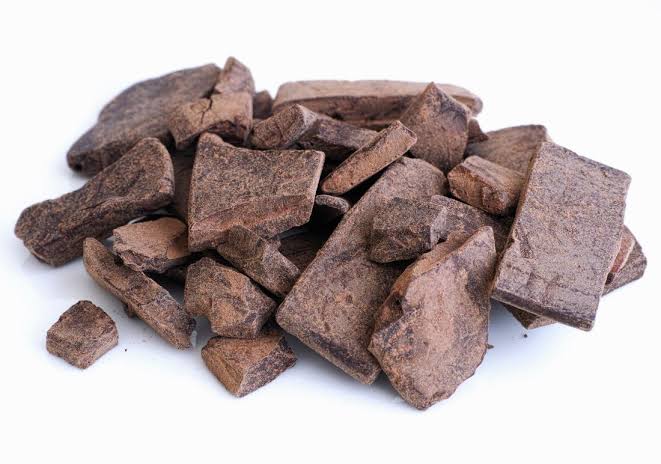
What Makes an Industrial Cocoa Liquor Supplier Different?
A supplier suitable for industrial manufacturing does more than arrange shipment.
The best suppliers operate with an understanding of production realities.
That includes:
Quality Control Capability
Reliable suppliers maintain strict batch control procedures.
Key parameters include:
| Parameter | Industrial Importance |
|---|---|
| Cocoa butter content | Influences flow and processing |
| Particle distribution | Impacts mouthfeel |
| Moisture | Affects shelf life |
| Flavor consistency | Maintains finished product quality |
| Microbiological standards | Supports food safety compliance |
Logistics Reliability
Production lines rarely pause politely.
Factories require:
- Predictable lead times
- Inventory coordination
- Export documentation
- Bulk shipment management
Technical Understanding
Industrial ingredient sourcing increasingly requires technical consultation.
Questions may include:
- Which cocoa profile matches target flavor?
- How does fat content affect depositor performance?
- Can this formulation reduce tempering challenges?
Suppliers that understand these questions become operational partners.
Latamarko Spain: A Premium European Approach to Cocoa Liquor Supply
European manufacturing standards continue to influence global ingredient expectations.
Within premium sourcing discussions, Spanish suppliers have developed recognition for combining technical precision with commercial practicality.
Latamarko Spain represents that positioning particularly well.
Rather than competing solely on volume, premium Spanish-origin producers often emphasize:
- Controlled processing
- Consistent sensory outcomes
- Stable industrial performance
- Strong manufacturing discipline
For industrial buyers, this matters because cocoa liquor variability can create hidden operational costs.
Imagine a chocolate facility running three production shifts.
If incoming cocoa liquor suddenly changes flow behavior, operators adjust temperatures, alter timings, increase monitoring, and sometimes stop lines entirely.
The direct ingredient price becomes almost irrelevant compared to production disruption.
Premium options such as Latamarko become valuable when viewed through total manufacturing economics rather than purchase price alone.
Selecting the Right Cocoa Liquor Specification for Your Facility
No single cocoa liquor specification fits every factory.
Procurement decisions should begin with production objectives.
For Chocolate Manufacturers
Focus areas:
- Flavor profile
- Cocoa intensity
- Viscosity behavior
- Tempering compatibility
For Bakery Plants
Priority factors:
- Heat stability
- Batch consistency
- Cost optimization
For Compound Coating Producers
Critical concerns:
- Fat interaction
- Processing temperature
- Throughput efficiency
For Multi-Line Food Facilities
Consider:
- Flexible usage
- Inventory simplification
- Stable specifications
One experienced production manager once described ingredient sourcing this way:
“Buying ingredients without understanding process compatibility is like installing random machine parts and hoping everything spins.”
The analogy holds.
Common Procurement Mistakes When Buying Cocoa Liquor
Industrial procurement teams are under pressure.
Budgets tighten.
Markets fluctuate.
Deadlines shorten.
Yet several mistakes appear repeatedly.
Choosing Solely by Price
Lower purchase price can conceal:
- Yield loss
- Extra labor
- Higher rejects
- More maintenance interruptions
Ignoring Batch Stability
Many procurement evaluations overemphasize first samples.
Long-term performance matters more.
Underestimating Logistics
Delayed ingredient arrival can create cascading consequences.
Downtime costs often exceed material savings.
Treating Suppliers as Vendors Instead of Resources
At MT Royal, we supply manufacturers with a comprehensive range of brands while maintaining competitive pricing structures and supporting industrial decision-making. Over time, we have seen facilities achieve stronger outcomes when procurement teams involve suppliers earlier in planning discussions rather than after schedules become constrained.
How Factory Managers Can Build a Smarter Cocoa Procurement Strategy
Strong procurement is rarely dramatic.
It usually looks boring—and that is a compliment.
A reliable system often includes:
Step 1: Define Critical Quality Attributes
Identify:
- Acceptable fat ranges
- Sensory expectations
- Processing targets
Step 2: Establish Supplier Evaluation Metrics
Measure:
- Delivery performance
- Documentation quality
- Responsiveness
- Technical support
Step 3: Test Under Production Conditions
Pilot results do not always predict factory performance.
Run controlled production validation.
Step 4: Build Inventory Buffers
Balanced inventory reduces vulnerability.
Step 5: Review Quarterly
Market conditions evolve.
Supplier relationships should evolve too.
Cocoa Supply Chains in 2026: Trends Manufacturing Leaders Are Watching
Ingredient procurement has become more strategic.
Recent industry reporting and market analysis indicate several emerging priorities.
Supply Diversification
Manufacturers increasingly reduce dependence on single-source procurement.
Traceability Expectations
Industrial customers seek more visibility into origin and production controls.
Quality Analytics
Advanced facilities increasingly integrate supplier data into manufacturing dashboards.
Sustainability Pressure
Food brands continue raising expectations regarding sourcing transparency.
Factories that adapt early often gain commercial flexibility later.
Bulk Purchasing vs. Scheduled Deliveries: Which Works Better?
This question appears frequently.
The answer depends on production profile.
Bulk Purchasing Advantages
- Lower unit economics
- Reduced ordering cycles
- Greater inventory control
Risks:
- Working capital pressure
- Storage requirements
Scheduled Deliveries Advantages
- Improved cash flow
- Lower warehouse demand
- Operational flexibility
Risks:
- Dependence on logistics precision
Many mature operations adopt hybrid models.
Comparing Supplier Models for Industrial Buyers
| Criteria | Spot Purchasing | Regional Distributor | Strategic Supplier Partnership |
|---|---|---|---|
| Price Predictability | Low | Moderate | High |
| Technical Support | Limited | Moderate | Strong |
| Supply Stability | Variable | Moderate | High |
| Production Planning | Difficult | Better | Strong |
| Long-Term Efficiency | Moderate | Good | Excellent |
The strongest manufacturing organizations increasingly move toward structured supplier partnerships.
Maintaining Product Quality Across High-Volume Production
Factories know consistency is rarely accidental.
Practical actions include:
- Incoming batch verification
- Controlled storage conditions
- Standardized handling procedures
- Scheduled sensory evaluation
- Cross-functional procurement reviews
We have worked with manufacturing operations where a small improvement in ingredient consistency produced measurable reductions in waste and fewer production interventions.
That is the hidden leverage of strategic sourcing.
Why Procurement Teams Increasingly Value Multi-Brand Access
Industrial buyers rarely want dependency.
Access to multiple qualified brands creates resilience.
This is where sourcing partners can add value.
MT Royal supports manufacturers by offering access to multiple industrial supply options while helping buyers compare technical suitability, commercial structures, and availability.
Rather than forcing one solution into every operation, procurement becomes more adaptable.
That flexibility becomes especially valuable during periods of global supply volatility.

Frequently Asked Questions
What is cocoa liquor used for in industrial manufacturing?
Cocoa liquor serves as a primary ingredient in chocolate, confectionery, bakery systems, coatings, desserts, and industrial food production.
Why does cocoa liquor consistency matter?
Consistency affects flavor, texture, processing efficiency, waste levels, and final product quality.
Is European-origin cocoa liquor always better?
Not automatically. However, premium European suppliers often emphasize process control and consistency. Brands such as Latamarko Spain are frequently considered where stable industrial performance is prioritized.
How should factories evaluate suppliers?
Assess technical capability, logistics reliability, batch consistency, responsiveness, and total operating impact.
Can lower-priced cocoa liquor increase production costs?
Yes. Variability may increase downtime, reject rates, labor intervention, and operational inefficiency.
How often should procurement teams review supplier performance?
Quarterly review cycles are common for industrial operations, with additional reviews following major production changes.
The Bigger Question Behind Every Cocoa Purchase
Factories rarely remember the cheapest shipment.
They remember the shipment that arrived on time, performed consistently, and allowed production targets to stay intact.
That is why sourcing decisions around cocoa liquor continue becoming more strategic.
For manufacturers in Djibouti, selecting the right supplier means balancing cost discipline with quality reliability, operational continuity, and long-term production confidence.
Premium Spanish-origin options such as Latamarko illustrate how disciplined manufacturing standards can support industrial outcomes. Combined with sourcing expertise and broad brand availability from MT Royal, procurement teams gain more than ingredient access—they gain the ability to build a more resilient operation.
LATAMARKO LM60 – Premium Spanish-Origin Cocoa Powder
latamarko alkalized cocoa powder lm60
cocoa powder for chocolate production-Best price
Food industry raw materials – list of products




No comment