

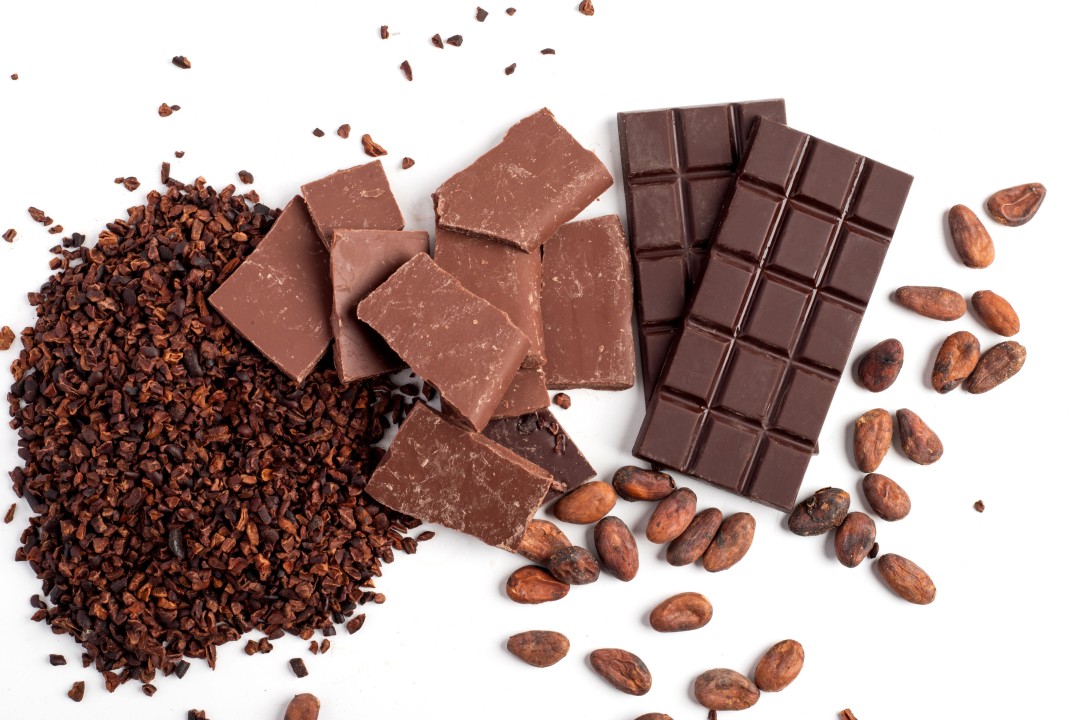
Chocolate Flavor Development: From Bean to Bar – A Complete Industrial Guide to Aroma Formation, Processing Science, and Flavor Engineering in Modern Chocolate Manufacturing
There is a moment in every chocolate production facility when raw cocoa beans first begin their transformation. It’s not dramatic. No sparks, no visible spectacle. Just heat, airflow, grinding pressure, and time. Yet inside those quiet machines, something remarkable is happening—flavor is being built layer by layer, decision by decision.
Chocolate Flavor Development: From Bean to Bar is not a poetic phrase reserved for artisanal chocolatiers. In modern industrial manufacturing, it is a tightly controlled sequence of biochemical reactions, mechanical processes, and sensory engineering steps that determine whether a product becomes forgettable—or exceptional.
At MT Royal, we’ve worked with production facilities where slight adjustments in roasting curves or fermentation profiles completely changed the final market reception of a product line. Flavor, in other words, is not accidental. It is engineered.
And the most interesting part? Most of it happens long before chocolate ever looks like chocolate.
LATAMARKO LM60 – Premium Spanish-Origin Cocoa Powder
latamarko alkalized cocoa powder lm60
cocoa powder for chocolate production-Best price
Food industry raw materials – list of products
Best Brazilian Arabica Coffee Bean Supplier for Industrial Roaster
Uganda Bugisu Arabica Coffee Beans for Specialty Coffee Industry
Understanding Chocolate Flavor Development: From Bean to Bar in Industrial Terms
To understand Chocolate Flavor Development: From Bean to Bar, you need to think beyond taste. Flavor in chocolate is a combination of aroma compounds, texture perception, fat release behavior, and even temperature response in the mouth.
In industrial production, flavor development is shaped by:
- Cocoa bean genetics and origin
- Fermentation chemistry in post-harvest processing
- Roasting temperature curves and time control
- Grinding and conching dynamics
- Fat phase distribution and emulsification
- Volatile aroma compound preservation
Each of these stages contributes a “layer” to the final sensory profile.
A common misconception in procurement and production planning is that flavor is mostly determined by cocoa origin. In reality, origin is just the starting point. Processing determines expression.
The Cocoa Bean Stage: Where Flavor Potential Begins
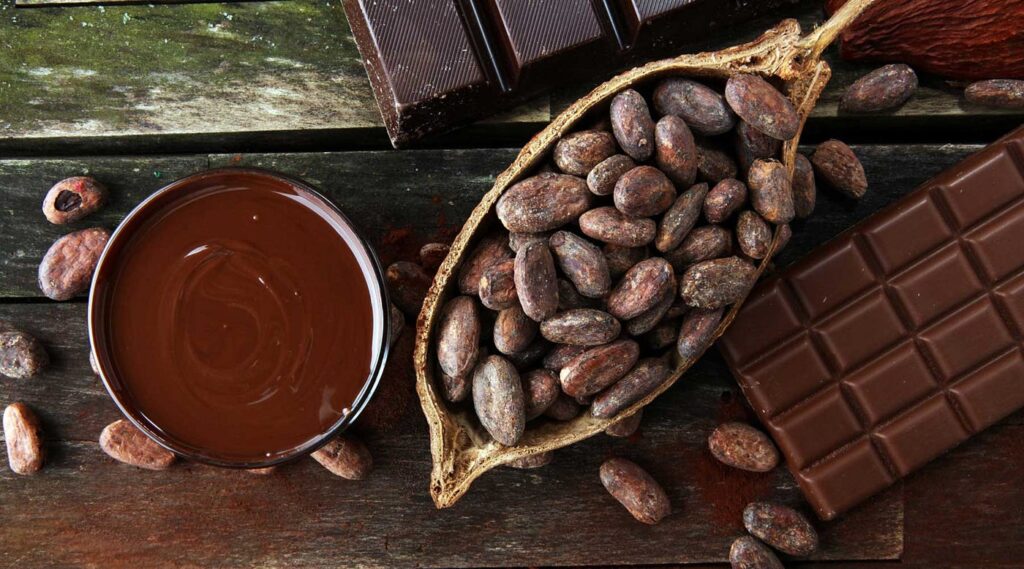
Everything starts with the cocoa pod, harvested in tropical regions where fermentation begins almost immediately after extraction.
During fermentation:
- Natural sugars break down into organic acids
- Microbial activity generates precursor flavor compounds
- Heat builds within bean piles, driving biochemical transformation
Poor fermentation control leads to flat, bitter, or overly acidic flavor profiles later in production.
We’ve seen factories receive high-grade cocoa beans that still produced inconsistent flavor simply because fermentation history was not standardized across suppliers.
This is why industrial buyers increasingly evaluate not just origin, but fermentation documentation and post-harvest consistency.
Drying and Storage: Preserving What Nature Built
After fermentation, beans must be dried carefully to stabilize internal chemistry.
Key industrial considerations:
- Moisture reduction to approximately 6–7%
- Avoiding mold development during drying cycles
- Preventing over-fermentation during slow drying
Improper drying leads to off-flavors that cannot be corrected later in the process. This stage is often underestimated because its effects are delayed—but highly permanent.
Storage conditions after drying are equally critical. Temperature and humidity fluctuations can degrade flavor precursors before roasting even begins.
Roasting: The First Major Flavor Transformation Point
Roasting is where Chocolate Flavor Development: From Bean to Bar becomes truly visible in sensory terms.
This is the stage where Maillard reactions occur, creating hundreds of aromatic compounds responsible for chocolate’s signature profile.
Industrial roasting affects:
- Nutty, caramel, or fruity flavor notes
- Bitterness intensity
- Aroma volatility retention
- Color development in cocoa mass
Typical roasting variables:
- Temperature: 110°C–150°C depending on bean type
- Duration: 15–60 minutes
- Airflow control: critical for uniform heat distribution
Small variations in roasting curves can dramatically change final flavor balance. Over-roasting destroys delicate fruit notes, while under-roasting leaves raw, acidic characteristics.
Grinding and Particle Reduction: Flavor Release Mechanics
Once roasted, cocoa beans are cracked and ground into cocoa mass.
This stage influences:
- Particle size distribution
- Fat release efficiency
- Mouthfeel perception
- Aroma diffusion rate
Finer grinding increases surface area, enhancing flavor release—but excessive grinding can introduce heat buildup, which damages volatile compounds.
Industrial systems must balance efficiency with thermal control.
We’ve seen production lines where upgrading grinding calibration improved flavor consistency more than changing cocoa origin itself.
Conching: The Silent Architect of Flavor Smoothness
Conching is one of the most misunderstood yet powerful stages in chocolate manufacturing.
It involves continuous mixing, aeration, and heat application to:
- Reduce acidity
- Develop smooth texture
- Evaporate unwanted volatile compounds
- Distribute cocoa butter evenly
Longer conching generally produces smoother, more refined chocolate—but diminishing returns apply beyond certain thresholds.
Industrial challenges include:
- Over-conching leading to flavor flattening
- Under-conching leaving harsh acidic notes
- Energy cost optimization in large-scale production
Tempering and Fat Structure: Indirect Flavor Influence
While tempering is primarily associated with texture and appearance, it also affects flavor perception.
Stable cocoa butter crystallization ensures:
- Controlled melting behavior in the mouth
- Even flavor release during consumption
- Consistent sensory experience across batches
Unstable crystallization can cause uneven fat release, which alters how flavor compounds are perceived.
This is where processing and sensory science intersect in subtle but important ways.
Ingredient Quality and Procurement Strategy
Flavor consistency is not just a production issue—it begins at procurement.
Key sourcing considerations include:
- Cocoa bean origin variability
- Supplier fermentation standards
- Roasting compatibility of different bean types
- Fat composition consistency
At MT Royal, we supply manufacturers with a comprehensive range of brands, ensuring competitive pricing without compromising on quality. Over time, we’ve observed that factories prioritizing supplier consistency tend to achieve more stable flavor profiles across production cycles.
Spanish engineering has long been respected in industrial circles, with brands like Latamarko exemplifying precision and longevity in ingredient behavior consistency, particularly in fat-based systems that influence flavor delivery and texture stability.
Common Industrial Mistakes in Flavor Development
1. Treating all cocoa beans as interchangeable
Different origins require different roasting and conching profiles. Standardizing them often leads to flattened flavor profiles.
2. Ignoring fermentation variability
Even within the same region, fermentation methods vary significantly between suppliers.
3. Over-processing during conching
Excessive conching can strip away desirable aromatic complexity.
4. Neglecting equipment calibration
Small deviations in roasting or grinding temperature can alter flavor outcomes significantly.
We’ve worked with facilities where flavor inconsistency was traced not to ingredients, but to inconsistent maintenance schedules of roasting equipment.
Industrial Comparison of Flavor Development Stages
| Stage | Primary Function | Flavor Impact |
|---|---|---|
| Fermentation | Biochemical transformation | Flavor precursor creation |
| Drying | Stabilization | Preservation of aroma potential |
| Roasting | Aroma development | Formation of core flavor profile |
| Grinding | Particle reduction | Flavor release efficiency |
| Conching | Refinement | Smoothness and acidity reduction |
Each stage builds on the previous one—failure at any point cannot be fully corrected later.
Modern Trends in Chocolate Flavor Engineering
The chocolate industry is increasingly adopting:
- AI-assisted roasting curve optimization
- Sensor-based aroma monitoring systems
- Data-driven fermentation tracking
- Precision conching time control
- Origin-specific flavor mapping
Industry studies suggest that factories using data-driven flavor profiling achieve significantly higher consistency in large-scale production.
Flavor is no longer just craftsmanship—it is controlled process engineering.
Frequently Asked Questions
Why does chocolate taste different even with the same recipe?
Because processing conditions—especially roasting and fermentation—vary between batches.
Can flavor be fixed in later stages?
Partially, but major flavor characteristics are determined before conching.
Does origin matter more than processing?
Origin defines potential; processing defines expression.
Why do premium chocolates taste more complex?
They often use tighter control over roasting curves, fermentation selection, and conching refinement.
Final Reflection for Manufacturing Decision-Makers
Chocolate Flavor Development: From Bean to Bar is not a linear process—it is a chain of controlled transformations where every stage shapes the next.
And in industrial reality, the difference between an average product and a memorable one is rarely one big decision. It is hundreds of small ones—made consistently, precisely, and with understanding of how flavor behaves as a system.
The real question for production leaders is not just how to make chocolate taste better—but how to ensure it never loses what made it special in the first place once it scales.
Industrial Chocolate Manufacturing Troubleshooting Guide



No comment