

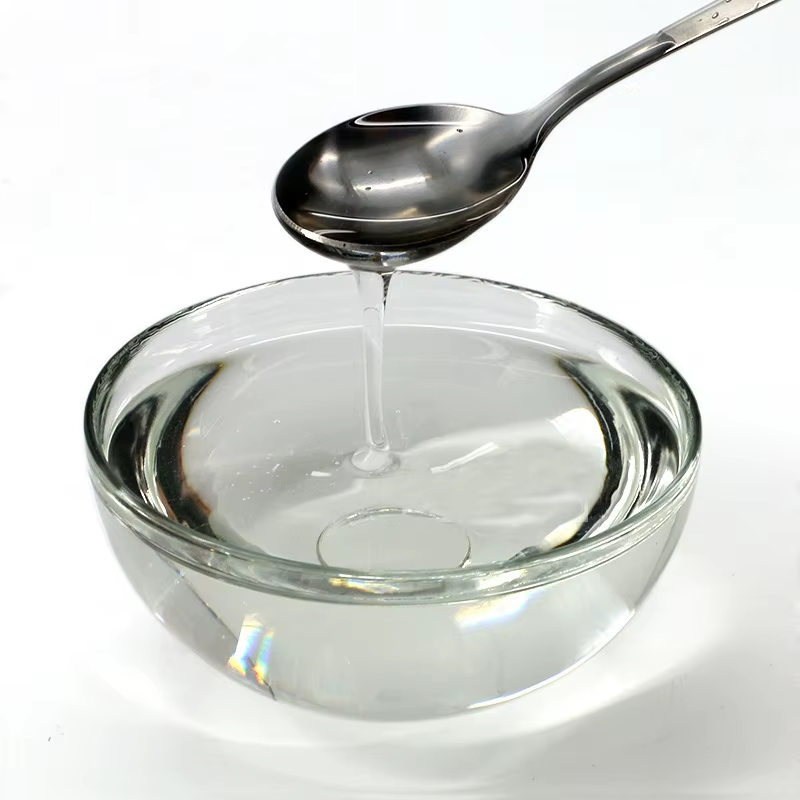
For confectionery and beverage manufacturers, choosing the right sweetener is rarely just a matter of comparing price per kilogram. The real question is how that ingredient behaves inside your production line, how consistently it performs from batch to batch, and whether it helps you control crystallization, texture, viscosity, moisture and shelf life. This is why Glucose Syrup for Confectionery and Beverage Industry has become an important formulation tool rather than simply another source of sweetness.
For factories looking to balance technical performance with procurement efficiency, working with an experienced ingredient supplier such as MT Royal can simplify sourcing. The company provides access to multiple brands and competitive pricing, giving manufacturers more flexibility when they need to compare specifications, availability and commercial terms rather than committing to a single source.
The importance of glucose syrup becomes clearer when you look beyond sweetness. In confectionery, it can influence crystal formation, chewiness, body, gloss and moisture retention. In beverages, it can contribute to sweetness, solids, mouthfeel and formulation consistency. The wrong grade, however, can create problems that are surprisingly expensive to fix.
What Is Glucose Syrup?
Glucose syrup is a purified, concentrated aqueous solution of nutritive saccharides obtained from starch and/or inulin. According to the Codex Standard for Sugars, glucose syrup has a dextrose equivalent (DE) of at least 20% on a dry basis and total solids of at least 70%.
Commercial glucose syrup is commonly produced through the hydrolysis of starch. Depending on the raw material and processing conditions, the starch may come from corn, wheat, potato, rice or other starch-rich sources.
The result is not simply “liquid glucose.” It is a mixture of carbohydrates, which may include glucose, maltose and higher saccharides. The balance between these components gives different glucose syrups different functional characteristics.
One of the most important specifications is dextrose equivalent, or DE.
LATAMARKO – Premium Spanish-Origin Cocoa Powder
Food industry raw materials – list of products
Understanding Dextrose Equivalent
DE is a measure of the reducing sugar content of a starch hydrolysate, expressed as a percentage of dextrose on a dry basis. In practical manufacturing terms, DE provides an indication of the degree of starch hydrolysis.
As DE changes, several properties can change as well, including:
- Sweetness
- Viscosity
- Hygroscopicity
- Fermentability
- Browning tendency
- Crystallization behavior
- Osmotic properties
- Moisture retention
This is why simply asking a supplier for “food-grade glucose syrup” is often not enough. Two products may both meet the basic definition of glucose syrup while behaving differently in your recipe.
For a procurement team, the DE specification should therefore be treated as a functional parameter, not just a laboratory number.
Why Glucose Syrup Matters in Confectionery Manufacturing
In confectionery production, glucose syrup performs several jobs simultaneously. Its ability to control sucrose crystallization is particularly valuable in products where uncontrolled crystal growth can destroy the intended texture.
Consider a caramel, fondant or chewy candy. If sucrose crystallizes too aggressively, the finished product may become gritty or develop an undesirable texture. Glucose syrup can interfere with the orderly formation of sucrose crystals, helping manufacturers maintain a smoother product.
This anti-crystallization function is one of the reasons glucose syrup is widely used in candies, caramel, gummies, fondants and other sugar confectionery products. Industry research also identifies crystallization control, moisture retention, texture enhancement and shelf-life improvement among the important functional benefits of glucose syrup.
Glucose Syrup in Hard Candy
Hard candy production requires careful control of solids, cooking temperature, moisture and crystallization.
A suitable glucose syrup can help:
- Reduce unwanted sucrose crystallization
- Improve clarity and appearance
- Control final texture
- Contribute to the desired viscosity during processing
- Improve handling characteristics
- Support consistent finished-product quality
However, the optimum syrup depends on the candy formulation and process. A syrup that works well in one hard-candy recipe may not be ideal for another.
Glucose Syrup in Caramel and Toffee
Caramel systems are particularly sensitive to moisture and thermal processing.
Glucose syrup can contribute to body and chewiness while helping manufacturers manage sugar crystallization. It can also influence the final water activity and texture.
For caramel producers, the interaction between glucose syrup, sucrose, milk solids, fat and cooking conditions deserves special attention. Changing the syrup grade without adjusting the process can result in a product that is softer, harder, darker or stickier than expected.
Glucose Syrup in Gummies and Jellies
In gummy products, texture is everything. Consumers expect a specific combination of elasticity, chewiness and moisture.
Glucose syrup can contribute to the soluble solids profile and help create the desired texture. It may also assist in controlling moisture migration and crystallization, depending on the overall formulation.
The practical lesson is simple: do not evaluate syrup performance independently from gelatin, pectin, starch, acidulants and other components. Confectionery formulations behave more like a team than a collection of individual ingredients.
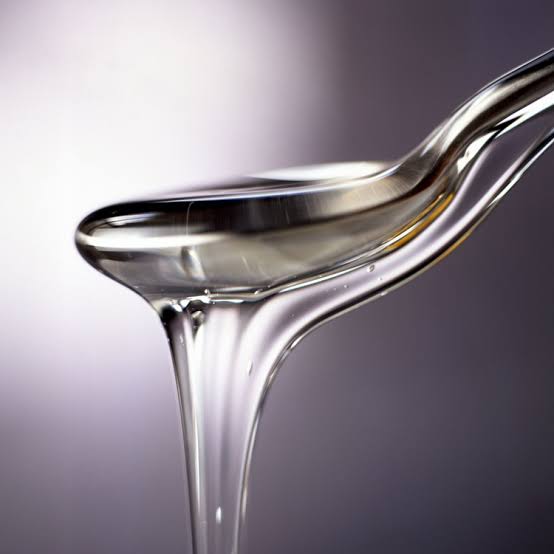
Applications of Glucose Syrup in the Beverage Industry
The role of glucose syrup in beverages differs from its role in confectionery. Beverage manufacturers are often more concerned with sweetness, soluble solids, mouthfeel, formulation stability and cost optimization.
Glucose syrup can be incorporated into beverage concentrates, flavored drinks and other liquid formulations where a readily soluble carbohydrate source is required.
The broader glucose market includes applications across beverages, dairy, bakery and confectionery, while syrup remains the dominant form of glucose in market analyses.
Soft Drinks and Flavored Beverages
For beverage manufacturers, glucose syrup can provide sweetness and carbohydrate solids while contributing to body and mouthfeel.
However, it should not automatically be treated as a one-for-one substitute for sucrose. The sweetness profile, solids contribution and processing behavior can differ.
When reformulating a beverage, your technical team should consider:
- Target sweetness
- Total soluble solids
- Viscosity
- Acidity
- Flavor intensity
- Packaging conditions
- Shelf-life requirements
- Cost per finished liter
The best formulation is not necessarily the one using the cheapest sweetener. It is the one that delivers the required product performance at the lowest practical total formulation cost.
How DE Affects Industrial Performance
DE deserves particular attention because it can influence several important manufacturing characteristics.
A lower-DE glucose syrup generally contains a larger proportion of longer-chain saccharides and tends to have different viscosity and functional behavior than a higher-DE syrup.
Higher-DE syrups typically provide greater reducing sugar content and can show different sweetness, hygroscopicity and browning characteristics.
This creates an important sourcing principle:
Do not select glucose syrup based only on price, concentration or brand. Select it according to the DE and functional profile required by your product.
For example, if your factory is producing a confectionery item where crystallization control and body are critical, a syrup selected solely because it has the lowest purchase price may become an expensive choice once yield losses and reformulation costs are included.
Common Mistakes When Sourcing Glucose Syrup
Industrial buyers often make mistakes that appear small during procurement but become significant during production.
1. Buying by price per kilogram alone
Liquid glucose contains a substantial amount of water. Comparing two syrups purely by price per kilogram can therefore be misleading.
Compare the cost on a dry solids basis when appropriate.
2. Ignoring DE
A supplier may offer a technically compliant glucose syrup that does not deliver the same behavior as your current material.
Always compare the DE specification with your approved formulation.
3. Treating different brands as identical
Two suppliers can offer products with similar headline specifications but different viscosity, color, ash, microbial profile or batch consistency.
A certificate of analysis is useful, but it should be interpreted alongside your process requirements.
4. Failing to confirm the starch source
If your product has requirements related to allergens, labeling, GMO status, dietary positioning or regional regulations, the raw-material source can matter.
Corn-derived and wheat-derived syrups may have different documentation requirements depending on the market and formulation.
5. Ignoring logistics
Glucose syrup is a liquid ingredient. Packaging, storage temperature, tank compatibility, unloading arrangements and transportation conditions can therefore affect the real cost of supply.
A low unit price is less attractive if every delivery creates a handling headache.
Specialized Tips for Large-Scale Production
Large factories should think about glucose syrup as a process ingredient rather than simply a sweetener.
Standardize the Dry-Solids Contribution
When changing suppliers, calculate the formulation on a dry-solids basis rather than replacing syrup kilogram-for-kilogram.
If Supplier A provides a different solids concentration from Supplier B, the same addition rate can change the water balance of the recipe.
That difference can affect cooking time, final moisture, texture and energy consumption.
Monitor Batch-to-Batch Viscosity
Viscosity can influence pumping, metering and mixing.
A syrup that is technically acceptable but significantly different in flow behavior may slow down automated dosing systems or require process adjustments.
In our work with industrial purchasing and manufacturing environments, we have seen that small specification differences can become surprisingly visible once an ingredient moves from a laboratory beaker to a high-throughput production line.
Control Storage Conditions
Glucose syrup should be stored according to the supplier’s technical recommendations. Temperature can affect viscosity and handling, while poor hygiene around tanks, hoses or transfer systems can create unnecessary microbiological risk.
Your plant’s sanitation program should cover not only the production equipment but also syrup receiving and transfer points.
Validate Before Full-Scale Replacement
If you are changing supplier or brand, conduct a controlled production trial.
Compare:
- Raw-material specifications
- Mixing behavior
- Cooking profile
- Viscosity
- Finished moisture
- Texture
- Appearance
- Taste
- Shelf life
- Production yield
This approach is far safer than discovering during a 10-ton production run that the “equivalent” syrup is not quite equivalent.
Current Market Trends in Glucose Syrup
The commercial outlook for glucose syrup remains strong. Grand View Research estimates the global glucose syrup market at approximately USD 4.6 billion in 2024 and projects it to reach about USD 6.6 billion by 2030, representing a 6.3% CAGR from 2025 to 2030.
The wider starch-derivatives market also identifies glucose syrup as a major product segment, reflecting its broad use as a sweetener, thickening agent and functional carbohydrate ingredient.
Several trends are shaping purchasing decisions:
- Growing demand for convenience foods
- Expansion of confectionery and beverage production
- Greater interest in non-GMO ingredients
- Increased attention to ingredient traceability
- Demand for more flexible sourcing
- Greater focus on formulation efficiency
- Interest in organic and specialty syrup options
The sustainability discussion is also becoming more relevant. Ingredient manufacturers are investing in more efficient processing and lower-emission production systems, meaning procurement teams increasingly have reasons to examine supplier practices alongside price and technical specifications.
Frequently Asked Questions
Is glucose syrup the same as liquid glucose?
The terms are often used interchangeably in commercial food manufacturing, although specifications can vary by market and supplier. The important point is to evaluate the actual product specification, especially DE and total solids.
Why is glucose syrup used in candy?
Its main functional benefits include helping control crystallization, contributing to texture and body, and supporting consistent processing. These properties make it valuable in hard candy, caramel, gummies, fondants and other confectionery products.
Does glucose syrup make beverages sweeter than sugar?
Not necessarily. Sweetness depends on the syrup’s carbohydrate composition and DE as well as the formulation. It should therefore be evaluated based on both sweetness and total solids contribution.
What DE should I choose?
There is no universal ideal DE. The correct range depends on the product, processing conditions and desired texture or sweetness. Your supplier should recommend a suitable grade based on the formulation rather than offering a generic syrup.
Can glucose syrup replace sucrose completely?
Sometimes formulations can be redesigned around glucose syrup, but complete replacement is not automatically desirable. Sucrose and glucose syrup provide different sweetness, crystallization and textural properties.
How should factories compare glucose syrup suppliers?
Compare technical specifications, dry-solids cost, batch consistency, documentation, logistics, storage requirements and technical support. Price should be one factor, not the entire decision.

Choosing the Right Supply Strategy
For a small production line, changing glucose syrup may seem like a straightforward purchasing decision. For a large confectionery or beverage factory, it can affect everything from ingredient dosing and cooking time to texture, packaging performance and customer complaints.
That is why supplier selection should begin with the formulation and process rather than the quotation.
A reliable sourcing strategy can include a primary supplier, a technically qualified alternative, documented specifications and periodic performance checks. Working with a distributor such as MT Royal can make this approach more practical by providing access to multiple brands and competitive price options while allowing your purchasing team to compare products against defined technical requirements.
We recommend treating glucose syrup as a strategic formulation ingredient, particularly when your factory operates high-volume lines where small changes are multiplied across thousands of production batches.
The best glucose syrup is not necessarily the sweetest, the cheapest or the most famous. It is the one that behaves predictably inside your process, supports the product specification and remains commercially viable over time.
For confectionery and beverage manufacturers, that distinction matters. A syrup that performs consistently is not merely another raw material on the warehouse list; it is part of the machinery of quality itself. When formulation, sourcing and production are aligned, the result is fewer surprises on the line, better control over finished products and a purchasing decision that makes sense both technically and financially.


No comment