

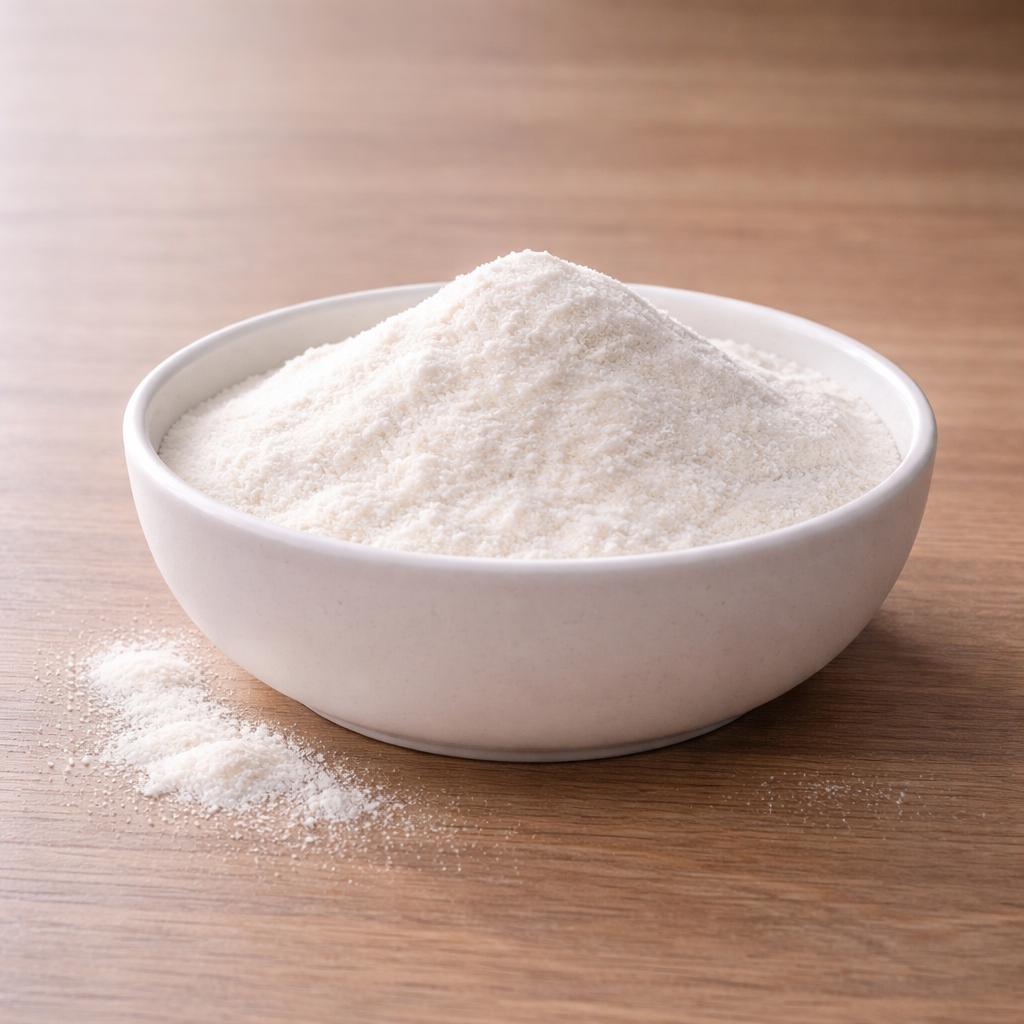
For food and beverage manufacturers, selecting the right carbohydrate ingredient can affect far more than the sweetness of a finished product. It can influence powder flow, texture, viscosity, flavor delivery, processing efficiency, moisture management, and even the economics of an entire production line. That is why choosing the right Maltodextrin Powder for Food and Beverage Manufacturing should be approached as a technical sourcing decision rather than a simple commodity purchase.
For factories looking to balance consistent quality with competitive pricing, MT Royal can be a practical sourcing partner. The company works with multiple brands, giving manufacturers greater flexibility when comparing specifications, availability, certifications, and commercial terms. This is particularly useful when a factory needs to qualify an alternative supplier without compromising the characteristics of an established formulation.
Maltodextrin may look like an unremarkable white powder sitting quietly in a warehouse. In reality, it can function as a remarkably versatile tool in modern food processing. The challenge is knowing exactly what you are buying, why you need it, and which specification actually matters for your application.
What Is Maltodextrin Powder?
Maltodextrin is a carbohydrate ingredient produced by the controlled hydrolysis of starch. Depending on the source and manufacturing process, the starting starch can come from materials such as corn, rice, potato, or other suitable starch sources.
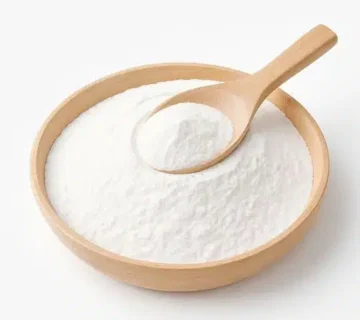
During hydrolysis, long starch molecules are broken into shorter carbohydrate chains. The resulting product is generally supplied as a white or nearly white, easily dispersible powder with relatively mild flavor.
One of the most important technical parameters is Dextrose Equivalent, commonly abbreviated as DE.
DE provides an indication of the degree of starch hydrolysis. In broad terms, lower-DE maltodextrins contain a larger proportion of longer carbohydrate chains, while higher-DE materials contain shorter carbohydrate molecules and generally exhibit greater sweetness and different functional behavior.
This distinction matters enormously in industrial formulation.
Two products can both be labeled “maltodextrin” and still behave differently in a beverage powder, seasoning blend, nutritional product, confectionery application, or bakery formulation.
The U.S. FDA lists maltodextrin under 21 CFR 184.1444 and identifies a range of technical functions, including use as a stabilizer or thickener, texturizer, humectant, nutritive sweetener, flavoring agent or adjuvant, solvent or vehicle, and free-flow or anticaking agent.
That unusually broad functional profile explains why maltodextrin is used across such a wide range of food and beverage categories.
LATAMARKO – Premium Spanish-Origin Cocoa Powder
Food industry raw materials – list of products
Understanding DE: The Specification That Should Never Be Ignored
If your purchasing department remembers only one technical parameter when evaluating maltodextrin, it should be DE.
A simplified way to think about it is:
- Lower DE: less sweet, generally higher molecular weight, stronger body and bulking characteristics
- Intermediate DE: balanced functionality for many food applications
- Higher DE: greater sweetness and solubility, different viscosity and moisture behavior
However, DE should not be treated as a complete description of product performance.
Two maltodextrins with similar DE values can still perform differently because of differences in:
- Starch source
- Manufacturing process
- Molecular-weight distribution
- Moisture
- Particle size
- Bulk density
- Solubility
- Color
- Ash content
- Microbiological quality
- Packaging and storage history
This is one reason experienced procurement teams request a complete technical data sheet rather than purchasing based on a single number.
Why Maltodextrin Is Valuable in Food Manufacturing
The most useful way to understand maltodextrin is not to ask, “What does it taste like?” but rather, “What does it allow the formulation to do?”
Depending on the grade and application, maltodextrin can act as a:
- Bulking agent
- Carrier
- Texture modifier
- Solids contributor
- Flavor carrier
- Powder-flow aid
- Moisture-management ingredient
- Stabilizing component
- Body-building carbohydrate
- Processing aid in selected formulations
The FDA’s food-substance database recognizes several of these technical functions, confirming that maltodextrin is used for considerably more than sweetness.
This versatility is particularly valuable in dry food manufacturing, where formulators often need an ingredient that can contribute mass and structure without introducing an aggressive flavor.
Maltodextrin Powder in Beverage Manufacturing
The beverage industry is one of the most important application areas for maltodextrin.
It can be incorporated into:
- Sports drink powders
- Instant beverage mixes
- Nutritional drinks
- Meal-replacement products
- Powdered dairy beverages
- Flavored drink mixes
- Energy-oriented formulations
- Functional beverage powders
In dry beverage systems, maltodextrin can help build solids while maintaining a relatively mild sensory profile. It can also serve as a carrier for certain flavors and other powdered ingredients.
For manufacturers, this creates an important formulation advantage: you can modify the physical and nutritional structure of a product without relying entirely on sucrose or another strongly sweet ingredient.
Spray drying and flavor encapsulation
Maltodextrin is also widely associated with carrier systems used in spray-dried ingredients.
When a liquid flavor or other sensitive component is converted into a powder, the carrier matrix needs to support drying, handling, storage, and reconstitution.
Maltodextrin can be useful in these systems because of its relatively neutral sensory profile and ability to form a carbohydrate matrix.
However, the correct grade depends on the product being dried. A material that performs well with one flavor may not automatically deliver the same encapsulation efficiency with another.
That is where laboratory trials become much more valuable than a supplier brochure.
Maltodextrin in Bakery Manufacturing
In bakery applications, maltodextrin can contribute to solids, texture, moisture management, and formulation balance.
It may be used in products such as:
- Bread and rolls
- Cakes
- Biscuits
- Cookies
- Wafers
- Bakery premixes
- Cream fillings
- Frostings
- Instant dessert mixes
In a bakery formulation, the ingredient should be evaluated as part of the complete carbohydrate system.
For example, replacing part of a formulation’s sugar with maltodextrin can alter sweetness, solids, browning behavior, water interactions, and texture. The result may be beneficial, neutral, or undesirable depending on the recipe.
This is why “maltodextrin replacement” should never be treated as a simple one-for-one substitution.
The factory needs to evaluate the entire formulation balance.
Maltodextrin in Seasonings, Sauces, and Powdered Foods
Maltodextrin is particularly useful when a manufacturer needs to convert a liquid or semi-liquid component into a manageable dry ingredient.
It can help carry or distribute flavors and contribute bulk to seasoning systems.
Common applications include:
- Soup powders
- Sauce mixes
- Seasoning blends
- Instant meal products
- Snack seasonings
- Powdered sauces
- Dry marinades
- Instant dessert systems
For these applications, powder flowability becomes a critical consideration.
A powder can have an excellent formulation on paper and still become a production headache if it bridges inside hoppers, forms lumps, segregates during transportation, or refuses to feed consistently through dosing equipment.
Maltodextrin can sometimes help with flow and carrier functionality, but particle size, moisture, and the behavior of the other ingredients must also be considered.
Choosing the Right Maltodextrin Grade
For industrial buyers, the first step should be defining the required functionality.
If your priority is bulking
A lower-DE maltodextrin may be more appropriate when you want carbohydrate solids and body without excessive sweetness.
If your priority is sweetness and solubility
A higher-DE product may be more suitable, depending on the application.
If your priority is flavor carrying
Focus on solubility, spray-drying performance, hygroscopicity, and the interaction between the maltodextrin and the flavor system.
If your priority is powder handling
Evaluate particle size distribution, bulk density, moisture, and flow properties rather than relying on DE alone.
If your priority is beverage clarity
Conduct an actual dissolution and visual stability test under the intended processing conditions.
The right question is not “Which maltodextrin is best?”
It is “Which maltodextrin is best for this process?”
Common Mistakes When Buying Maltodextrin
Buying based only on price per tonne
This is perhaps the most common procurement mistake.
Suppose one material is slightly cheaper but has poorer flow, higher variation, or a different moisture profile. The apparent purchasing saving may disappear through production losses.
Your real calculation should consider cost per finished tonne of product, not simply cost per tonne of raw material.
Treating DE as the entire specification
DE is important, but it does not tell the whole story.
A proper specification should also consider moisture, ash, microbiological parameters, color, solubility, bulk density, particle size, and other parameters relevant to the intended application.
Ignoring the starch source
Corn-, rice-, and potato-derived maltodextrins can have different sourcing, labeling, certification, and functional considerations.
If your customers require a particular source, non-GMO status, allergen profile, or certification, establish that requirement before requesting commercial quotations.
The FDA has specifically affirmed GRAS status for maltodextrin derived from potato starch and separately addressed maltodextrin derived from rice starch under 21 CFR 184.1444.
Changing supplier without production validation
A new supplier can meet the headline specification and still behave differently on your equipment.
Before making a full conversion, compare the incumbent and alternative materials in the actual formulation.
Forgetting warehouse conditions
Maltodextrin is a dry powder, but “dry powder” does not mean “immune to storage conditions.”
Moisture exposure can contribute to caking and deterioration of powder-handling characteristics. Packaging integrity, warehouse humidity, temperature, pallet management, and stock rotation therefore matter.
A Better Supplier Qualification Process
A robust sourcing process should have at least three stages.
Stage 1: Technical qualification
Request:
- Technical Data Sheet
- Certificate of Analysis
- Product specification
- Origin information
- Allergen declaration
- GMO statement where applicable
- Food safety certifications
- Microbiological specifications
- Packaging details
- Recommended storage conditions
Stage 2: Application testing
Run the material in your actual formulation.
For beverage powders, examine:
- Dissolution time
- Sedimentation
- Clumping
- Flavor release
- Mouthfeel
- Stability
For bakery products, evaluate:
- Dough behavior
- Mixing characteristics
- Baking performance
- Texture
- Color
- Moisture
- Finished-product stability
For seasoning systems, test:
- Powder flow
- Segregation
- Flavor distribution
- Caking
- Dosing accuracy
Stage 3: Commercial qualification
Only after technical approval should you compare:
- Price
- Minimum order quantity
- Lead time
- Payment terms
- Freight
- Packaging
- Stock availability
- Annual supply capacity
MT Royal can be useful at this stage because access to multiple brands allows a manufacturer to compare alternatives instead of becoming dependent on a single manufacturer’s commercial position.
Industrial Tips for Large-Scale Production
Large factories need to think beyond formulation chemistry.
Monitor powder flow during seasonal humidity changes
A product that runs perfectly during a dry winter period may behave differently during humid conditions.
Use controlled premixing
If maltodextrin is being combined with small-dose ingredients, establish a controlled premixing procedure. Otherwise, the ingredient may distribute well at the beginning of a batch and poorly toward the end.
Avoid unnecessary pneumatic handling
Pneumatic conveying can be convenient, but powder characteristics and system design determine whether it is genuinely advantageous. Excessive air movement can create dust-management challenges and may influence segregation in certain blended systems.
Control dosing accuracy
In high-volume production, even a small dosing deviation becomes significant when multiplied across thousands of batches.
For example, a 0.5% formulation error on a 2,000 kg batch means a 10 kg difference. Across hundreds of production runs, the number becomes surprisingly large.
Keep retained samples
When supplier or batch changes occur, retained samples make it much easier to investigate differences in finished-product performance.
We have found that the most useful supplier relationships are built around this kind of technical transparency. When a factory and supplier both understand the functional target, troubleshooting becomes much faster than simply debating whether one batch “looks different.”
Emerging Trends in Maltodextrin Sourcing
The carbohydrate ingredient market is being influenced by several simultaneous trends.
Manufacturers are increasingly examining:
- Non-GMO sourcing
- Alternative starch sources
- Cleaner ingredient declarations
- Traceability
- Powder functionality
- Specialized carbohydrate systems
- Fiber-enriched formulations
- Reduced-sugar products
- Plant-based nutrition
- Supply-chain resilience
The broader food industry is also paying greater attention to carbohydrate structure and functionality. USDA research describes carbohydrate polymers such as starch and fibers as major components of the modern food industry, with applications extending across food manufacturing and carbohydrate conversion industries.
This means future sourcing decisions will likely become more application-specific. The old approach of purchasing “maltodextrin” as a generic powder is increasingly inadequate for sophisticated manufacturers.
Questions Factory Managers Frequently Ask
Is maltodextrin sweet?
Maltodextrin generally has relatively low sweetness compared with sucrose, although perceived sweetness increases as the carbohydrate profile changes toward shorter chains and higher DE.
What is DE in maltodextrin?
DE, or Dextrose Equivalent, indicates the extent of starch hydrolysis and helps describe the carbohydrate’s functional characteristics. It affects properties such as sweetness, molecular weight, viscosity, and solids behavior.
Can maltodextrin be used in beverages?
Yes. It is widely used in powdered and liquid food and beverage formulations, including nutritional and functional products. Its suitability depends on the specific formulation and regulatory requirements.
Is maltodextrin suitable for spray drying?
It can be highly useful as a carrier or matrix material in spray-drying applications, particularly where manufacturers need to convert liquid flavors or other components into powders. The appropriate grade should be selected through application testing.
Does maltodextrin contain gluten?
Maltodextrin itself is not synonymous with wheat or gluten. Its source must nevertheless be verified, especially when a finished product carries gluten-free requirements or when the regulatory environment of the target market requires specific allergen documentation.
Which starch source is best?
There is no universal winner. Corn, rice, potato, and other sources can each be appropriate depending on functionality, certification, labeling, availability, and cost.
How should maltodextrin be stored?
Store it in its original food-grade packaging under the manufacturer’s recommended conditions, protected from moisture and contamination. Warehouse humidity control and proper stock rotation are particularly important for maintaining powder quality.
How should a factory compare two maltodextrin suppliers?
Compare the complete technical specification first, then conduct application trials, and only afterward make the commercial comparison. The cheapest product is not necessarily the lowest-cost solution.
The Real Value of Maltodextrin Is Measured on the Production Floor
For a food or beverage manufacturer, maltodextrin is valuable precisely because it can perform several jobs at once: contribute solids, provide bulk, support powder systems, carry flavors, influence texture, and help formulators manage the balance between cost and functionality.
But that versatility can also create confusion.
A factory that buys solely by price may miss the importance of DE. A factory that buys solely by DE may overlook particle size and moisture. A factory that focuses only on laboratory performance may underestimate supply-chain risk.
The better approach is to connect formulation science with procurement discipline.
MT Royal can support that process by providing access to multiple brands and competitive sourcing options, giving manufacturers room to compare alternatives according to the technical requirements of their products. In our experience, the strongest sourcing decisions are the ones where quality, functionality, documentation, availability, and total production economics are evaluated together.
The right maltodextrin should not merely arrive at your warehouse looking like a fine white powder. It should behave predictably when it enters your mixer, move reliably through your production system, perform consistently in your formulation, and continue doing the same job batch after batch.

No comment