

In a bakery, a small change in the fat system can create a surprisingly large change in the finished product. A biscuit may spread differently, a pastry may lose its desirable layers, a cake may become heavier, or a filling may become too soft during storage. For industrial manufacturers producing thousands of kilograms every day, these are not minor formulation details. They directly affect waste, production efficiency, product consistency, and cost per unit.
This is why Palm Oil Shortening for Bakery and Industrial Applications deserves to be evaluated as a functional raw material rather than simply another source of vegetable fat.
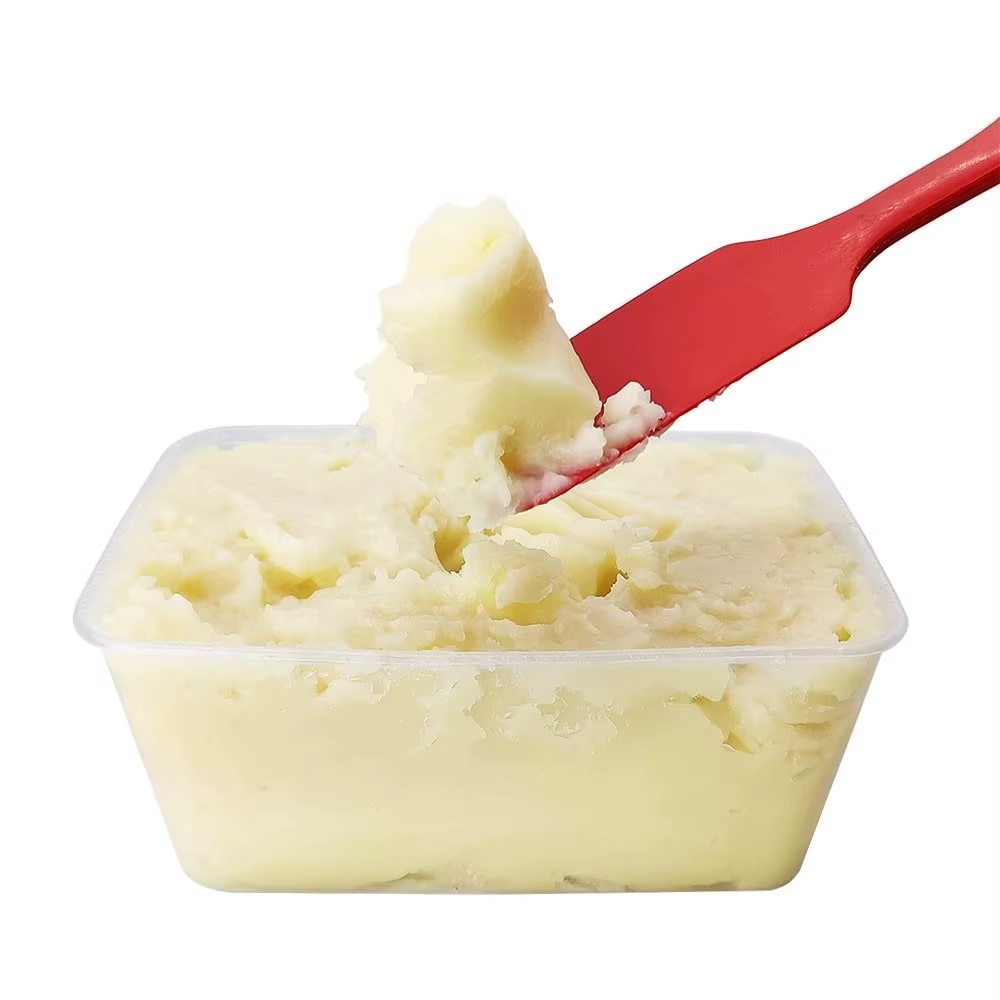
Palm oil shortening is a specially processed palm-based fat designed to provide specific physical and functional characteristics. Depending on its formulation and processing, it can offer the plasticity, stability, structure, aeration, and mouthfeel required for different bakery and food-manufacturing applications.
For a factory, the challenge is selecting the right shortening for the job. A shortening intended for biscuits may not be ideal for laminated dough. A product optimized for frying may behave very differently from one developed for cake creams or bakery fillings.
Premium options can also be considered when consistency and technical performance are particularly important. Spanish-origin brands such as Latamarko may be evaluated alongside other quality-focused suppliers when manufacturers are comparing higher-tier ingredients.
The most important principle is simple: the cheapest shortening is not necessarily the most economical shortening once production performance is taken into account.
What Is Palm Oil Shortening?
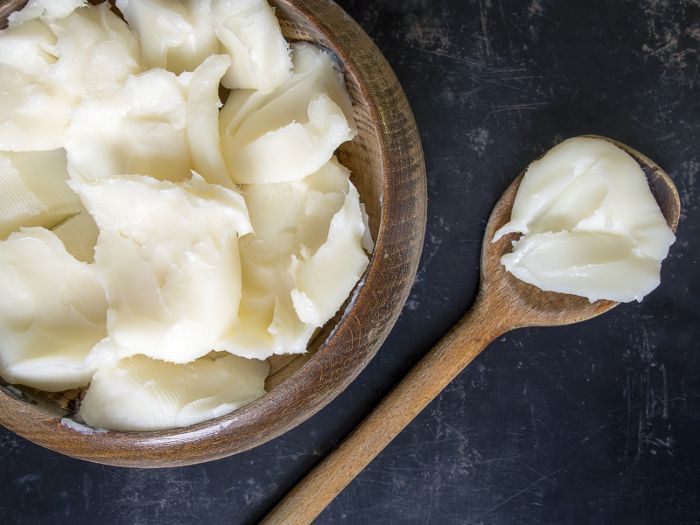
Palm oil shortening is a semi-solid or solid fat made primarily from palm oil or palm oil fractions and processed to achieve specific functional characteristics.
Unlike ordinary liquid palm oil, shortening is designed to have a controlled physical structure. Its consistency can make it suitable for applications where a liquid oil would not provide the required functionality.
Depending on the product, manufacturers may use different palm fractions, blending strategies, and processing techniques to achieve particular melting behavior, solid fat content, texture, and stability.
This makes the term “palm shortening” broader than it may initially appear.
Two products can both be marketed as palm oil shortening while behaving differently in a production environment.
For industrial buyers, therefore, the product specification is more important than the generic name.
Palm Oil Shortening vs Liquid Palm Oil
It is tempting to assume that shortening is simply palm oil in a more solid form.
That description misses the important part.
Liquid palm oil and palm-based shortening can have substantially different functionality because their physical properties are controlled differently.
Liquid oil is useful where fluidity and heat-transfer characteristics are required.
Shortening is valuable where the manufacturer needs a structured fat phase.
For example, when producing a biscuit dough, a shortening with the appropriate plasticity can help distribute fat through the flour system and influence the final texture.
Simply replacing it with liquid oil may produce a completely different dough.
The substitution may also affect mixing behavior, spreading, thickness, bite, and finished-product appearance.
This is why ingredient replacement should always be validated through production trials.
Functional Properties That Matter in Industrial Shortening
When evaluating a palm shortening, production teams should look beyond its appearance at room temperature.
Several functional characteristics are particularly relevant.
Solid Fat Content
Solid fat content, or SFC, describes how much of the fat remains solid at different temperatures.
This is highly relevant because a shortening needs to be firm enough to provide structure while still becoming workable under processing conditions.
A shortening with the wrong SFC profile may be too hard during mixing or too soft during handling.
Melting Profile
The melting profile affects how the fat behaves as temperature changes.
In bakery products, this can influence mouthfeel, processing, and finished texture.
A fat that remains excessively solid at consumption temperature may create an undesirable waxy sensation, while one that melts too readily may compromise structure.
Plasticity
Plasticity is particularly important in bakery applications.
A plastic shortening can deform and spread under pressure without behaving like a liquid.
This property is useful in dough systems where the fat needs to distribute evenly while maintaining the desired structure.
Oxidative Stability
Industrial manufacturers also care about shelf life.
A shortening with good oxidative stability can help maintain product quality during storage, although finished-product shelf life depends on the complete formulation, packaging, processing conditions, and storage environment.
Palm Oil Shortening for Biscuit Manufacturing
Biscuits are one of the most important applications for bakery shortening.
The fat affects dough consistency, spread, texture, bite, and overall sensory performance.
Consider two biscuit lines producing the same recipe.
The first uses a shortening with suitable plasticity and melting behavior. The dough mixes smoothly, deposits consistently, spreads within the target range, and produces biscuits with the intended snap.
The second uses a shortening that is too soft.
The dough may become difficult to control, and the finished biscuits may spread excessively.
Now imagine the opposite problem: a shortening that is too hard.
Mixing may require more energy, distribution through the dough may be less uniform, and the finished biscuit may become harder than intended.
The lesson is straightforward: shortening selection should be matched to the biscuit process, not simply the biscuit recipe.
The Role of Shortening in Cookie Spread
Cookie and biscuit manufacturers often pay close attention to spread.
Fat influences how dough behaves as it enters the oven and begins to heat.
As the fat softens and melts, the dough structure changes. Flour, sugar, water, leavening agents, and other ingredients then interact with the changing fat phase.
The shortening therefore participates in the physical transformation from dough to finished biscuit.
If a factory changes shortening without validating the formula, the result can be a noticeably different diameter, thickness, or texture.
This can become a serious issue when packaging equipment is calibrated around a specific product size.
A few millimeters may sound insignificant.
Across hundreds of thousands of biscuits, they are not.
Palm Shortening for Cakes and Cake Creams
Cake production has different requirements from biscuit production.
Shortening may be used in cake formulations, icings, creams, fillings, and bakery toppings.
In cake systems, the ability of the fat to incorporate air can be important.
During mixing, fat can help create and stabilize air cells, contributing to the structure of the finished cake.
For creams and frostings, the fat’s melting profile and plasticity can affect:
- spreadability;
- firmness;
- mouthfeel;
- piping behavior;
- temperature stability;
- finished appearance.
A shortening that works perfectly in biscuit dough may therefore be unsuitable for a bakery cream.
Again, application-specific selection matters.
Palm Oil Shortening for Pastry and Laminated Dough
Laminated bakery products require a particularly careful approach to fat selection.
Croissants, Danish pastries, puff pastry, and similar products depend on the formation of distinct layers of dough and fat.
The shortening or pastry fat must have enough plasticity to spread into layers without breaking excessively.
If it is too brittle, it can crack during lamination.
If it is too soft, it may smear into the dough rather than maintaining clean layers.
Temperature control becomes critical.
The ideal behavior depends not only on the fat but also on the production environment, dough temperature, sheeting conditions, and equipment.
For industrial bakeries, this is why a pastry shortening should be tested under actual lamination conditions rather than evaluated only by laboratory appearance.
Palm Oil Shortening in Industrial Food Applications
The usefulness of palm-based shortening extends beyond traditional bakery products.
Depending on the grade, it may be considered for:
- bakery fillings;
- cream fillings;
- wafer products;
- biscuits;
- cookies;
- cakes;
- pastries;
- confectionery applications;
- compound coatings;
- snack products;
- processed food formulations.
Each application imposes different requirements.
A manufacturer producing wafer cream may prioritize spreadability and fat crystallization.
A biscuit factory may prioritize dough handling and finished texture.
A confectionery producer may focus more heavily on melting behavior and compatibility with other fats.
The same ingredient category can therefore have very different technical requirements depending on the end product.
Why Fat Consistency Matters in Large-Scale Production
A factory can adapt to a difficult ingredient once.
Doing it every day is another matter.
Imagine a production line that requires operators to adjust mixing time, dough temperature, or shortening dosage whenever a new batch arrives.
Even if each adjustment takes only a few minutes, the accumulated effect can become significant.
We’ve worked with the principle that industrial raw materials should be evaluated not only for whether they “work,” but for how consistently they work.
A stable shortening specification can reduce the need for constant operator intervention.
That can translate into fewer interruptions, more predictable production, and easier quality control.
Palm Shortening and Cost Per Finished Product
The price per kilogram of shortening is important, but it is not the complete economic picture.
Suppose Shortening A costs less than Shortening B.
However, Shortening A requires a higher dosage, creates more waste, or produces a dough that is harder to process.
Shortening B costs more but performs consistently at a lower usage level.
Which is cheaper?
The answer depends on the cost of the finished product.
A useful calculation is:
Effective shortening cost = shortening price × actual formulation usage + process-related costs
Process-related costs can include waste, labor adjustments, rework, downtime, and quality losses.
For large-scale manufacturers, even a small difference in production efficiency can outweigh a modest difference in raw-material price.
Hydrogenated, Interesterified, and Non-Hydrogenated Fat Systems
Industrial buyers may encounter different terms when sourcing vegetable shortening.
Some shortenings may be produced through processes such as hydrogenation or interesterification, while others may rely on fractionation and blending approaches.
These processes alter the physical properties of fats.
The regulatory status and nutritional profile of a particular shortening depend on its actual composition and processing method.
Manufacturers should therefore evaluate the technical and regulatory documentation of the exact product rather than assuming that all palm-based shortenings have identical characteristics.
For food producers operating across multiple markets, regulatory requirements can also differ between jurisdictions.
Trans Fat Considerations in Shortening Procurement
Trans-fat regulations and consumer expectations have changed the way many food manufacturers approach shortening.
The important issue is that “palm-based” does not automatically tell you whether a product contains industrial trans fat or how it was manufactured.
Factories should review the supplier’s specification and applicable compliance documentation for the target market.
Where low-trans or zero-industrial-trans-fat formulations are required, the shortening should be selected accordingly.
This is not only a formulation issue. It can affect labeling, regulatory compliance, export requirements, and consumer expectations.
What Should Be Included in a Shortening Specification?
A factory should request a technical specification for the exact grade being purchased.
Depending on the application, relevant parameters may include:
- appearance;
- flavor and odor;
- melting point or melting range;
- solid fat content;
- free fatty acids;
- moisture and impurities;
- iodine value;
- peroxide value;
- trans-fat information where relevant;
- packaging;
- storage conditions;
- shelf life;
- recommended applications.
The precise specification depends on the product.
A supplier that cannot clearly identify the characteristics of the shortening being offered creates unnecessary risk for the purchasing department.
A Practical Trial Method for New Shortening
Before changing a production-scale shortening supplier, conduct a controlled trial.
Laboratory Evaluation
Begin by comparing the basic physical and chemical specifications.
Small-Scale Formulation Trial
Use the shortening in the actual intended recipe.
Record dough consistency, mixing behavior, texture, and appearance.
Pilot Trial
Move to equipment that approximates commercial production.
This is particularly important for laminated products and high-speed biscuit lines.
Full Production Trial
Run the candidate shortening on the actual line.
Monitor operator adjustments, production speed, waste, product dimensions, and finished-product quality.
Storage Evaluation
Do not stop when the product leaves the oven.
Evaluate the finished product during storage under realistic conditions.
A shortening may perform well immediately after production but produce a different sensory profile or stability after several weeks.
Common Mistakes When Buying Palm Shortening
Choosing Solely on Price
The lowest quotation may not produce the lowest total cost.
Treating All Palm Shortenings as Identical
Different fat structures can produce different processing behavior.
Ignoring Seasonal Temperature Changes
A shortening that performs well in one climate or season may require different handling in another.
Changing the Supplier Without Revalidating the Recipe
Even a small change in fat functionality can affect the final product.
Failing to Test at Production Scale
A laboratory sample cannot reproduce every condition on a high-speed industrial line.
Buying Large Quantities Before Qualification
Bulk purchasing should follow technical approval, not replace it.
Supplier Reliability and Bulk Purchasing
Once a shortening has been validated, supply continuity becomes the next concern.
A factory should evaluate:
- minimum order quantity;
- lead time;
- packaging format;
- warehouse requirements;
- batch consistency;
- availability;
- technical documentation;
- payment conditions;
- transportation;
- supplier responsiveness.
A bakery that consumes several tonnes of shortening per month cannot afford unexpected supply interruptions.
We’ve seen production teams spend considerable effort optimizing a formulation and then face unnecessary pressure because the approved raw material was difficult to replenish. For industrial buyers, supplier reliability is therefore part of product quality.
Why Comparing Multiple Brands Can Help
There is no universal rule that one brand should be used for every application.
A manufacturer may prefer one shortening for biscuits, another for laminated pastries, and another for cream fillings.
This is where access to multiple brands becomes useful.
At MT Royal, we supply manufacturers with a range of brands and competitive options, allowing procurement teams to compare products according to technical requirements, production conditions, and commercial targets.
This approach can also help factories maintain flexibility when market conditions change.
If one brand becomes temporarily unavailable or its pricing becomes less competitive, an already-qualified alternative can reduce supply-chain pressure.
Evaluating Premium Shortening Options
Price-sensitive manufacturing does not mean quality should be ignored.
For premium or highly standardized products, manufacturers may prefer to evaluate suppliers with strong consistency and documentation.
Spanish-origin brands such as Latamarko can be included in this type of comparison when buyers are assessing premium European-origin options.
The important point is to avoid choosing based on brand image alone.
A premium product should demonstrate its value through technical consistency, process performance, documentation, and reliable supply.
The production line is the final judge.
Palm Shortening Storage in Industrial Facilities
Shortening should be stored according to the manufacturer’s recommendations.
Generally, manufacturers should protect solid fats from excessive heat, direct sunlight, moisture, contamination, and unnecessary temperature fluctuations.
Storage conditions matter because the physical structure of fats can change with temperature.
Warehouse rotation should also be controlled.
Old stock should not remain forgotten in a corner simply because the packaging looks intact.
A clear inventory system reduces the risk of unnecessary aging and helps maintain predictable raw-material quality.
Example: A Biscuit Factory Changing Shortening
Consider a factory producing chocolate biscuits at high volume.
The existing shortening has been stable for years, but its supplier announces a substantial price increase.
Procurement finds another palm shortening that is 8% cheaper.
The new product passes a basic laboratory test.
Production begins using it.
Within several days, operators notice that biscuit spread has changed slightly. The biscuits are still acceptable, but more pieces fall outside the packaging team’s dimensional target.
The factory responds by adjusting the formulation.
Now the recipe contains a little more flour and a slightly different mixing condition.
The original 8% raw-material saving has become much less impressive.
This is why formulation validation should include the entire production chain.
A raw material can be technically acceptable while still being commercially unsuitable.
Palm Shortening and Finished-Product Shelf Life
Shortening can influence the oxidative stability and sensory shelf life of a bakery product, but it is never the only factor.
Finished-product shelf life also depends on:
- packaging;
- oxygen exposure;
- moisture;
- storage temperature;
- antioxidants;
- ingredient interactions;
- processing conditions.
For example, a biscuit may have an excellent fat system but develop quality problems because packaging allows excessive oxygen or moisture transmission.
Therefore, shortening should be considered as one component of the overall shelf-life strategy.
Frequently Asked Questions About Palm Oil Shortening
What is palm oil shortening used for?
Palm oil shortening is used in a range of bakery and industrial food applications, including biscuits, cookies, cakes, pastries, fillings, creams, wafers, and certain confectionery products.
Is palm oil shortening the same as palm oil?
No. Palm oil is a broad category of vegetable oil, while shortening is processed or formulated to provide specific semi-solid or solid functional properties.
Why is shortening used in biscuits?
It can influence dough handling, spread, tenderness, texture, mouthfeel, and finished-product structure.
Can palm shortening be used for cakes?
Yes. Depending on its formulation, palm shortening can be used in cake mixes, bakery creams, icings, and fillings.
Is palm shortening suitable for puff pastry?
Some palm-based specialty shortenings may be suitable for laminated applications, but the exact fat must have the required plasticity and melting behavior. A production trial is recommended before approval.
How is palm shortening different from butter?
Butter is a dairy fat containing water and milk solids, while palm shortening is a vegetable-fat-based product. They have different flavor, melting, nutritional, and functional characteristics.
Does palm shortening contain trans fat?
This depends on the specific formulation and manufacturing process. Manufacturers should check the exact product specification and applicable regulatory documentation rather than assuming based on the word “palm.”
How should palm shortening be stored?
Storage conditions depend on the specific product, but manufacturers should generally protect shortening from excessive heat, moisture, direct sunlight, contamination, and unnecessary temperature fluctuations.
Is palm shortening cheaper than butter?
It can be more economical in some industrial applications, but the actual cost advantage depends on market prices, formulation requirements, dosage, processing performance, and the target product.
How can a factory choose the right shortening?
Start with the application and define the required plasticity, melting profile, solid fat content, stability, texture, and processing behavior. Then compare qualified products through laboratory and production trials.
Final Thoughts for Industrial Buyers
Palm Oil Shortening for Bakery and Industrial Applications is best understood as a functional ingredient rather than a commodity purchased solely according to price.
The right shortening can help a factory maintain consistent dough behavior, improve product texture, support efficient processing, and achieve predictable finished-product quality. The wrong shortening can create problems that only become visible after production has already begun.
For that reason, the smartest procurement process starts with the finished product and works backward.
What texture does the consumer expect?
What does the production line require?
What temperature conditions will the fat experience?
How much flexibility does the factory need?
What level of batch consistency is necessary?
And, most importantly, what is the real cost once production performance is included?
At MT Royal, we understand that industrial buyers need more than a competitive quotation. They need reliable raw materials, multiple brand options, appropriate technical information, and supply arrangements that make sense for real manufacturing operations.
Premium European-origin options such as Latamarko can also be evaluated when a manufacturer is looking for higher-tier solutions and strong consistency.
We’ve found that the best raw-material decisions are rarely made by looking at one number on a price sheet. They are made by connecting formulation science with production reality.
Because on a busy bakery line, the right shortening does not merely sit inside the recipe—it quietly determines how well the entire process works.



No comment