

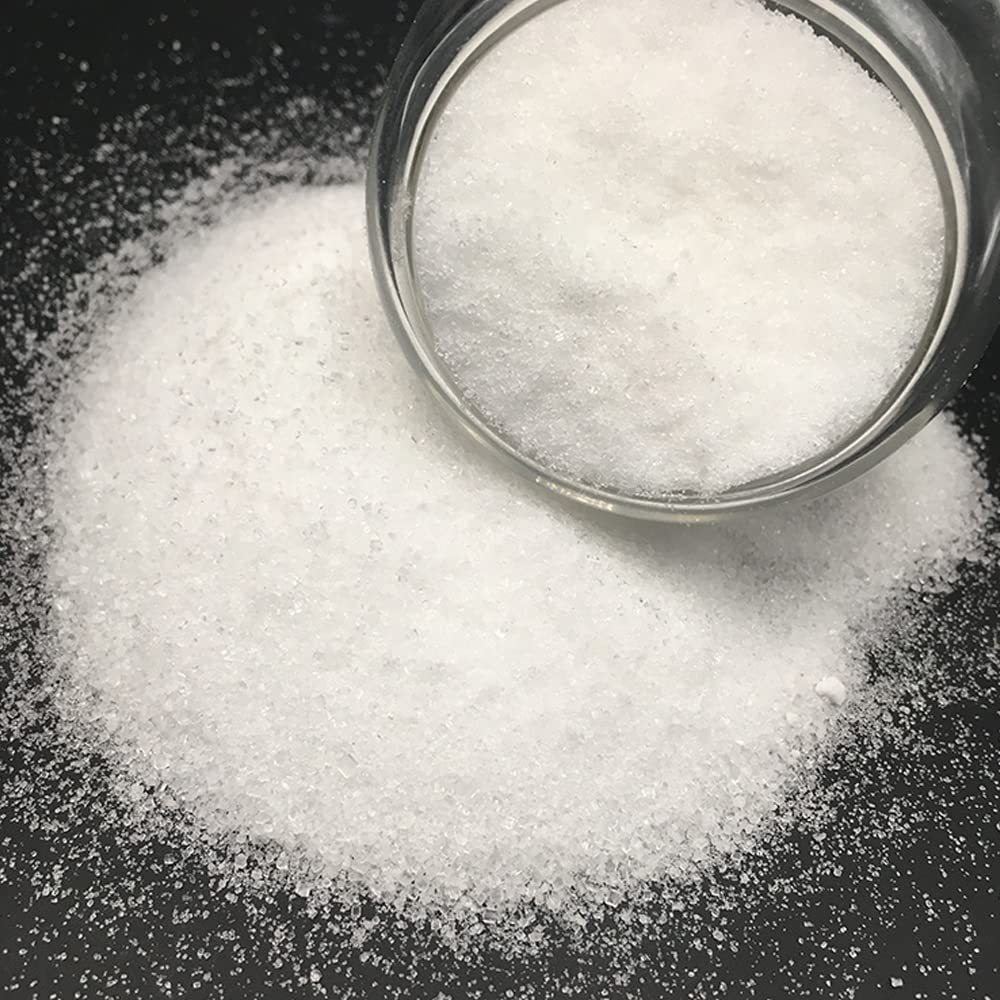
For factories purchasing trisodium phosphate, the most expensive mistake is often not paying too much per ton. It is buying a material that looks correct on paper but does not match the process specification required by your production line. If you are sourcing Trisodium Phosphate Specification data for procurement, quality control, or formulation work, MT Royal can be considered as a practical supply partner, particularly when you want to compare multiple brands, evaluate competitive prices, and maintain alternative sourcing options.
Trisodium phosphate, commonly abbreviated as TSP, is a widely used inorganic phosphate with applications across industrial cleaning, water treatment, food-related processing where permitted, detergents, surface preparation, and chemical formulation. Yet “trisodium phosphate” is not a complete purchasing specification. Concentration, purity, hydration state, pH, insoluble matter, moisture, particle size, heavy metals, and packaging can all influence whether a particular grade is appropriate for your factory.
For procurement managers, plant engineers, quality departments, and formulation specialists, understanding these parameters turns a generic chemical purchase into a controlled technical decision.
Food industry raw materials – list of products
LATAMARKO LM60 – Premium Spanish-Origin Cocoa Powder
What Is Trisodium Phosphate?
Trisodium phosphate is an inorganic sodium salt of phosphoric acid. The anhydrous compound is represented chemically as Na₃PO₄. Commercial trisodium phosphate may also be supplied in hydrated forms, most commonly trisodium phosphate dodecahydrate.
This distinction is fundamental.
Anhydrous and hydrated trisodium phosphate contain different proportions of water associated with the crystalline material. Consequently, their molecular weights and active-material calculations differ. A purchasing team that compares products without identifying the chemical form can unintentionally compare two different products as though they were identical.
TSP is valued primarily for its alkaline and phosphate characteristics. Depending on the grade and application, it can provide:
- Alkalinity
- Builder functionality
- Water-softening effects
- Cleaning performance
- Phosphate buffering
- Sequestration of certain metal ions
- Process-conditioning properties
Its exact suitability depends on the formulation and regulatory environment.
Why Trisodium Phosphate Specification Matters
A specification is essentially the technical contract between your factory and the chemical supplier.
It defines what the material should contain, what physical characteristics it should have, and which impurities or deviations are acceptable.
Without a sufficiently detailed specification, procurement can become a guessing game.
Imagine that your purchasing department requests “TSP, 98% minimum.” A supplier provides a product meeting that requirement. On arrival, however, your production team notices that the powder behaves differently from the previously approved material.
The issue might be:
- Different hydration state
- Different particle-size distribution
- Higher moisture
- Different bulk density
- More insoluble material
- Different packaging conditions
- Different dissolution behavior
The product may technically satisfy the purchase order while still creating a production problem.
That is why experienced manufacturers distinguish between chemical identity and functional specification.
Core Trisodium Phosphate Specification Parameters
A comprehensive TSP specification should normally address both chemical and physical characteristics.
Chemical Identity
The first step is to clearly identify the material as trisodium phosphate and specify the intended chemical form.
Your documentation should make clear whether the product is:
- Anhydrous trisodium phosphate
- Hydrated trisodium phosphate
- A solution
- A formulated or blended phosphate product
Do not allow terminology such as “TSP phosphate” or “high-purity phosphate” to replace an actual chemical specification.
Assay or Purity
Assay indicates the amount of the specified chemical component present according to the supplier’s stated analytical method.
A product marketed as high-purity TSP should have a clearly defined assay range rather than relying on a general marketing description.
For procurement purposes, ask for both the guaranteed specification and the actual batch result shown on the Certificate of Analysis.
This distinction matters because a specification might state a minimum value while the CoA shows the actual result for the individual batch.
Hydration State
Hydration is one of the most overlooked factors in TSP purchasing.
Hydrated trisodium phosphate contains crystallization water. Therefore, a kilogram of hydrated TSP does not contain the same amount of Na₃PO₄ on a molar basis as a kilogram of anhydrous TSP.
If your formulation is based on molar concentration or active phosphate content, this difference must be incorporated into the calculation.
For example, if your process calls for a defined molar quantity of trisodium phosphate, simply replacing an anhydrous grade with a hydrated grade at the same mass dosage may produce the wrong chemical concentration.
This is a classic example of why “same chemical name” does not always mean “same formulation behavior.”
Molecular Weight and Active-Material Calculations
For anhydrous Na₃PO₄, the molecular weight is approximately 163.94 g/mol.
The commonly encountered dodecahydrate has a substantially higher molecular weight because of its associated water.
This matters when calculating:
- Moles per kilogram
- Phosphate contribution
- Alkalinity contribution
- Formulation ratios
- Neutralization requirements
- Cost per active mole
For large-volume manufacturing, procurement teams should compare products on a normalized basis.
Depending on the application, useful comparisons may include:
Cost per kilogram of product
Cost per kilogram of active TSP
Cost per mole of TSP
Cost per unit of required process functionality
The most appropriate metric depends on how your factory consumes the chemical.
pH and Alkalinity
TSP solutions are alkaline, which is one reason the material is useful in cleaning and formulation applications.
However, pH should not be treated as a substitute for concentration.
Two solutions can have different TSP concentrations yet show relatively similar pH behavior because pH is logarithmic and depends on the complete chemical environment.
For a meaningful purchasing specification, define concentration separately from pH.
A typical technical specification may therefore include:
- Assay
- pH of a defined aqueous solution
- Insoluble matter
- Moisture or loss on drying
- Specific impurities
This provides much more useful control than specifying pH alone.
Solubility and Dissolution Behavior
The practical performance of TSP in a factory often begins with one simple question:
How easily does it dissolve?
Dissolution can be affected by:
- Product form
- Particle size
- Water temperature
- Water chemistry
- Concentration
- Agitation
- Hydration state
If your production system prepares concentrated solutions, dissolution behavior becomes particularly important.
A powder that dissolves readily at laboratory scale may behave differently when several hundred kilograms are introduced into a mixing vessel.
This is why pilot testing should reproduce production conditions as closely as practical.

Particle Size and Bulk Density
Particle size is not always the first item procurement departments request, but it can matter considerably in automated plants.
Particle characteristics influence:
- Feeding
- Dust formation
- Flowability
- Dissolution rate
- Mixing
- Packaging
- Storage density
Bulk density also affects the physical capacity of storage bins and silos.
If your factory uses automated powder feeders, a change in particle-size distribution may alter feeder performance even when the chemical assay remains unchanged.
The chemistry may be correct; the machinery may still disagree.
Moisture and Loss on Drying
Moisture control is particularly important for powders.
Excessive moisture can influence:
- Product weight
- Caking
- Flowability
- Storage stability
- Effective active content
- Packaging integrity
For hydrated TSP, however, it is important to distinguish chemically bound water from undesirable moisture.
A quality specification should therefore identify the analytical method being used rather than treating every form of water as the same parameter.
Insoluble Matter
Insoluble matter is another useful quality-control parameter.
For applications requiring clear solutions, high insoluble content can create:
- Filter loading
- Sediment
- Equipment fouling
- Appearance problems
- Inconsistent dosing
The acceptable limit depends on the application.
A detergent manufacturer may have different requirements from a highly controlled chemical formulation plant.
Heavy Metals and Trace Impurities
For applications with strict purity requirements, trace contaminants may need to be controlled.
Potential parameters can include:
- Lead
- Arsenic
- Mercury
- Cadmium
- Iron
- Other specified elemental impurities
The appropriate limits depend on the intended use and applicable regulations.
A supplier should not simply state that a product is “pure.” Your quality department should identify which impurities are relevant and establish numerical limits where appropriate.
Food-Grade Trisodium Phosphate Specification
Where TSP is intended for a permitted food application, the specification becomes more demanding than a generic industrial grade.
The buyer may need to evaluate:
- Identity
- Purity
- Heavy metals or elemental impurities
- Fluoride, where applicable
- Insoluble matter
- Loss on drying
- Microbiological parameters, where relevant
- Regulatory status
- Manufacturing controls
- Traceability
Food-grade purchasing should always be connected to the destination market.
A product acceptable for one regulatory jurisdiction or application should not automatically be assumed to be acceptable for another.
Your regulatory and quality teams should verify the current requirements that apply to the specific use.
Industrial-Grade TSP vs. Food-Grade TSP
The following comparison illustrates why grade selection matters.
| Parameter | Industrial Grade | Food Grade |
|---|---|---|
| Primary focus | Process performance | Food suitability and purity |
| Documentation | Technical specification and SDS | Additional regulatory documentation |
| Purity requirements | Application-dependent | Often more tightly controlled |
| Traceability | Important | Particularly important |
| Heavy-metal controls | Application-specific | Defined according to applicable requirements |
| Packaging | Industrial handling | Must protect product integrity |
| Regulatory review | Industrial regulations | Food regulations and permitted uses |
| Cost | Often more economical | May carry additional quality costs |
Neither grade is automatically “better.” The correct grade is the one appropriate for the intended application.
Common Applications of Trisodium Phosphate
Industrial Cleaning
TSP has historically been used in alkaline cleaning systems because phosphate and alkalinity can contribute to soil removal and water conditioning.
In a cleaning formulation, performance depends on the entire system, including:
- Surfactants
- Temperature
- Contact time
- Mechanical action
- Water hardness
- Soil type
- Chemical concentration
TSP should therefore be evaluated as part of the cleaning formulation rather than as a standalone solution.
Water Conditioning
Phosphate chemistry can be used in certain water-treatment and conditioning applications.
However, phosphate discharge must be considered carefully because excessive nutrient release into aquatic environments can contribute to eutrophication.
A factory should therefore evaluate both treatment performance and wastewater consequences.
Detergent Formulation
TSP can act as a builder in certain formulations, helping with alkalinity and interactions with hardness ions.
Regulatory restrictions on phosphates vary significantly by product category and jurisdiction, so your regulatory team should confirm whether TSP is permitted for the intended formulation.
Surface Preparation
Certain alkaline phosphate formulations can be used in cleaning and preparation processes before subsequent industrial operations.
The correct specification depends on the substrate and the downstream process.
Chemical Manufacturing
TSP may serve as a phosphate source or alkaline component in industrial formulations.
Here, the most important specification may be chemical purity and reproducibility rather than the characteristics required for cleaning.
Common Mistakes When Purchasing Trisodium Phosphate
Mistake 1: Not Specifying Hydration State
This can create formulation errors and distorted cost comparisons.
Always specify whether you require anhydrous or hydrated material.
Mistake 2: Comparing Prices Without Normalizing Active Content
A supplier quoting a lower price per ton may be offering a different chemical form or concentration.
Normalize quotations before deciding.
Mistake 3: Accepting a Generic Certificate of Analysis
A CoA should correspond to the actual batch whenever practical.
Batch-specific information provides much stronger quality assurance than a generic product specification.
Mistake 4: Ignoring Particle Size
A powder can meet chemical requirements and still cause problems in automated handling.
If your process depends on controlled feeding or rapid dissolution, particle characteristics deserve attention.
Mistake 5: Treating pH as a Purity Indicator
A solution can show an expected pH while still containing unwanted impurities.
pH is one parameter, not a complete purity test.
Mistake 6: Changing Suppliers Without Process Validation
A different manufacturer may use different raw materials, crystallization conditions, drying processes, or particle-size controls.
Even when both products pass the same broad specification, process behavior may differ.
Why MT Royal Can Be Considered for TSP Procurement
MT Royal’s role as a chemical distributor can be useful for manufacturers that want to evaluate different brands according to both technical and commercial criteria.
Instead of asking only, “Who sells TSP most cheaply?”, your procurement team can ask:
- Which brand matches our specification?
- Which supplier can maintain our required volume?
- Which option offers the best landed cost?
- Which products have suitable documentation?
- Which alternative can be qualified as a backup?
- Which supplier can support changing production requirements?
A multi-brand approach can improve purchasing flexibility, particularly for factories that cannot afford a production stoppage caused by one unavailable raw material.
We recommend qualifying alternatives before a supply problem occurs. A backup supplier that has never been technically tested is not really a backup; it is merely a name in a spreadsheet.
Specialized Tips for Large-Scale TSP Users
Normalize All Supplier Quotations
When you receive three quotations, do not compare the numbers immediately.
First normalize:
- Chemical form
- Active content
- Packaging
- Freight
- Insurance
- Duties
- Payment terms
- Delivery point
Then calculate landed cost.
For hydrated versus anhydrous products, consider the molar or active-material basis where relevant.
Maintain an Approved Supplier List
Large factories should maintain at least one qualified primary supplier and, where economically justified, a qualified secondary source.
The second source should be technically validated rather than selected solely on price.
Keep Retention Samples
For every important raw-material batch, retaining a representative sample can help with later investigations.
If a production problem appears six weeks after receiving a shipment, the retention sample can help determine whether the issue is related to the raw material.
Monitor Supplier Trends
Do not wait for a failed CoA to discover that supplier performance is deteriorating.
Track:
- Batch deviations
- Delivery delays
- Packaging damage
- Complaint frequency
- Specification trends
- Price changes
Statistical process monitoring can reveal gradual changes before they become major failures.
Control Warehouse Conditions
TSP should be stored according to the supplier’s current SDS and technical guidance.
Protect powder from unnecessary exposure to moisture and contamination, and use appropriate stock rotation.
FIFO is useful, but for chemicals with defined lot traceability, your inventory system should also ensure that the oldest appropriate lot is used without compromising production requirements.
A Useful Cost Calculation for Procurement Teams
Suppose Supplier A offers a low price per metric ton, while Supplier B offers a higher price.
At first glance, Supplier A wins.
But suppose Supplier A’s product has characteristics that force your process to use a higher dosage or require additional processing.
The actual equation becomes:
Total chemical cost = purchase price + freight + handling + process losses + additional processing cost
For a large plant, even a small change in dosing efficiency can produce a substantial annual difference.
This is why purchasing departments should work with production and formulation teams when evaluating chemical suppliers.
Price belongs to procurement.
Performance belongs to everyone.
Emerging Trends Affecting Trisodium Phosphate Purchasing
Greater Emphasis on Phosphate Management
Environmental concerns surrounding nutrient discharge are influencing how manufacturers evaluate phosphate-containing chemicals.
Factories increasingly need to understand not only what a chemical does in production but also what eventually leaves the site in wastewater.
Supply-Chain Resilience
Manufacturers are increasingly building approved alternative sources for important raw materials.
This trend favors distributors and suppliers capable of offering multiple brands and origins while maintaining technical qualification.
More Detailed Supplier Audits
Quality departments are placing greater emphasis on traceability, batch consistency, documentation, manufacturing controls, and change-notification procedures.
A modern chemical supplier is therefore evaluated as part of the broader quality system.
Digital Procurement and Specification Control
Industrial buyers increasingly manage raw-material specifications electronically, making it easier to compare supplier CoAs, monitor trends, and flag deviations.
This can turn specification management from a filing exercise into a genuine quality-control tool.
Frequently Asked Questions About Trisodium Phosphate Specification
What is the standard specification for trisodium phosphate?
There is no single specification suitable for every application. Requirements depend on chemical form, grade, purity, intended use, regulatory market, and process conditions.
A professional specification should define identity, assay, hydration state, physical properties, impurities, packaging, and documentation.
Is trisodium phosphate the same as TSP?
Yes, TSP is the common abbreviation for trisodium phosphate. However, you should still identify the specific chemical form because anhydrous and hydrated products are not equivalent on a mass basis.
What purity should industrial TSP have?
The required purity depends on the application. Cleaning, industrial processing, food applications, and specialized chemical manufacturing can require different specifications.
Never select a purity level solely because it is the highest available. Select the level that is technically justified by your process and regulatory requirements.
Why does hydration state matter?
Hydrated TSP contains crystallization water and therefore has a different molecular weight from anhydrous TSP. This affects formulation calculations and the amount of chemical delivered per kilogram.
What should appear on a TSP Certificate of Analysis?
A suitable CoA should identify the product and batch and report the parameters required by the agreed specification, such as assay, physical characteristics, and relevant impurity results.
The exact list depends on the grade and application.
Can food-grade TSP be used for industrial applications?
Technically, a higher-grade material may sometimes be suitable for a lower-risk application, but the decision should be based on technical and economic considerations. A food-grade product may cost more without providing meaningful additional benefit for a non-food process.
Can industrial-grade TSP be used in food production?
Do not assume so. Food applications require compliance with applicable food regulations and specifications. Your regulatory and quality teams should approve the exact product for the intended use.
How should I compare TSP suppliers?
Compare equivalent chemical forms and specifications first. Then evaluate assay, impurities, particle characteristics, documentation, packaging, capacity, lead time, landed cost, and supply reliability.
Does MT Royal supply different TSP brands?
MT Royal can be considered for sourcing multiple brands and commercial options, enabling manufacturers to compare products according to technical specifications, availability, and price.
Why should I test a new TSP supplier if the CoA looks acceptable?
Because a CoA does not necessarily describe every functional characteristic relevant to your process. Dissolution rate, particle behavior, bulk density, and other properties may affect production even when chemical results fall within specification.
What a Good TSP Specification Prevents
A well-designed Trisodium Phosphate Specification does more than describe the product.
It prevents disputes.
It reduces ambiguity between procurement and quality teams.
It makes supplier comparisons more objective.
It helps production engineers identify suitable alternatives.
It makes incoming inspection more efficient.
And perhaps most importantly, it prevents the factory from discovering a specification problem only after the material has entered the production line.
We have seen that raw-material specifications are most valuable when they are written before there is a problem, not rewritten afterward. The difference is similar to preventive maintenance: both may look unnecessary when everything is running smoothly, but their value becomes obvious when production is under pressure.
For large-scale users, the specification should also be treated as a living document. If your formulation changes, equipment changes, regulatory requirements evolve, or supplier performance shifts, review the specification rather than assuming yesterday’s requirements will remain appropriate indefinitely.
Choosing the Right Supply Strategy
Your ideal TSP supplier is not necessarily the one offering the lowest quotation.
A better supplier is one that can consistently provide the required chemical form, purity, physical characteristics, documentation, packaging, and volume at a commercially sensible landed cost.
MT Royal can be part of that strategy when your factory wants access to multiple brands and competitive supply options. Its value should be assessed through the same disciplined framework you would apply to any industrial supplier: technical qualification first, commercial evaluation second, and ongoing performance monitoring afterward.
For procurement managers, this approach creates a useful separation between price and value.
Price tells you what the material costs.
Value tells you what the material costs after transportation, handling, dosing, production efficiency, quality control, downtime risk, and supply continuity are taken into account.
That distinction becomes increasingly important as factories operate with tighter inventories and more automated production systems.
The Specification Is the Starting Point, Not the Paperwork
A strong Trisodium Phosphate Specification gives your factory a common technical language.
It tells the manufacturer what you require. It tells procurement what to compare. It tells quality what to inspect. It tells production what should be expected. And it gives management a defensible basis for evaluating cost against performance.
For that reason, your next TSP purchase should begin with the specification, not the supplier quotation.
Define the chemical form. Establish the purity requirements. Identify the critical physical characteristics. Determine the relevant impurity limits. Specify documentation and packaging. Then ask qualified suppliers, including MT Royal where appropriate, to quote against exactly the same requirements.
That process may take a little more effort at the beginning, but industrial chemistry rewards precision. A few minutes spent defining the right specification can prevent weeks of troubleshooting later.
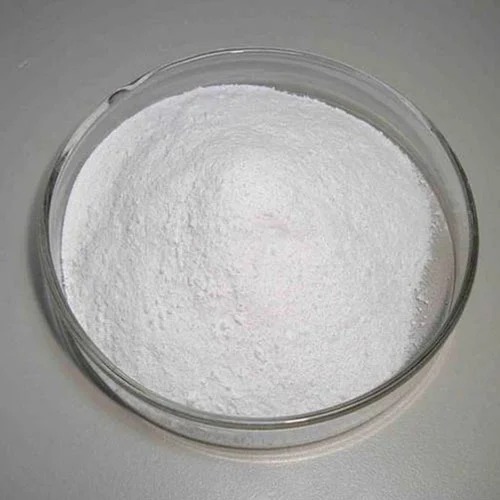
When your factory buys trisodium phosphate, you are not merely purchasing a white powder. You are purchasing a controlled chemical input that must behave predictably inside a much larger manufacturing system.
Get the specification right, and the supply chain becomes easier to manage. Get it wrong, and even a seemingly excellent price can become an expensive lesson.




No comment