

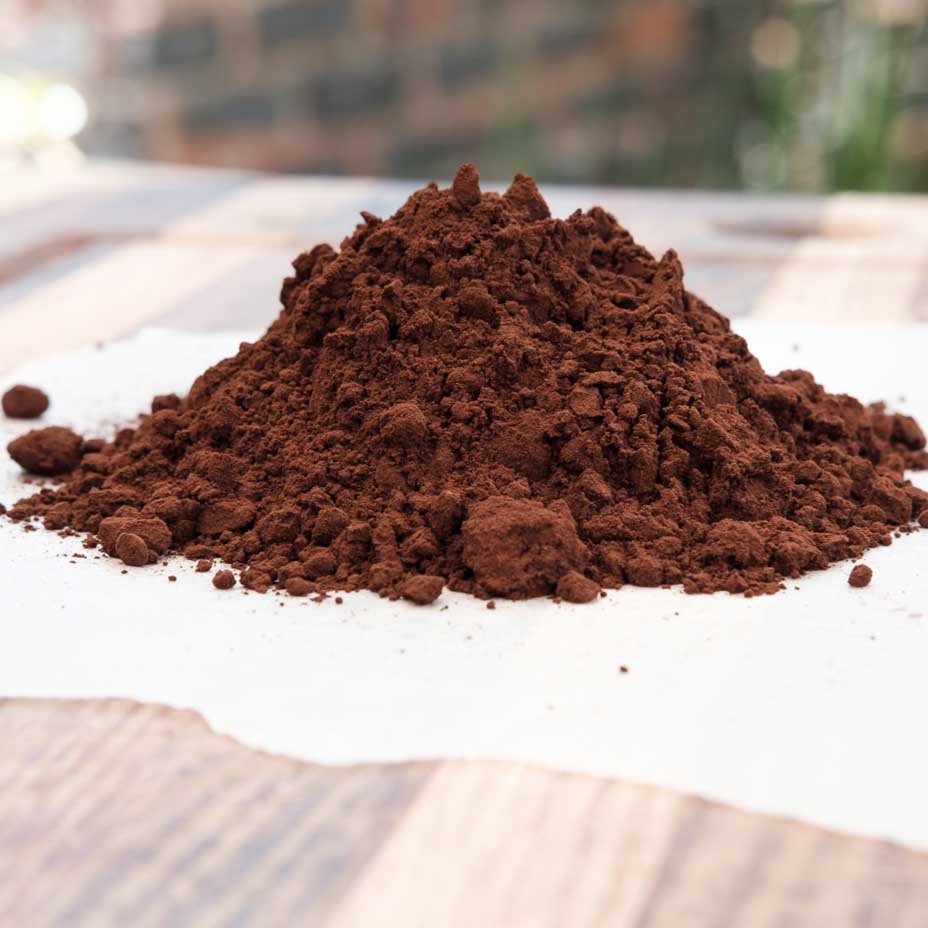
In the competitive protein bar market, flavor, texture, and consistency are non-negotiable. One ingredient that plays a silent yet pivotal role is alkalized cocoa powder. Unlike natural cocoa, alkalized cocoa—also known as Dutch-processed cocoa—offers reduced acidity, darker color, and smoother taste, making it ideal for protein bars where taste must meet nutritional integrity.
In our experience supplying manufacturing facilities, selecting the right alkalized cocoa powder can impact not only flavor and texture but also production efficiency, shelf life, and even cost-per-unit. For factory managers and procurement officers, understanding the nuances of cocoa powder, including supplier quality and sourcing options, is crucial for delivering consistent high-quality bars.
Understanding Alkalized Cocoa Powder
What Is Alkalized Cocoa Powder?
Alkalized cocoa powder is cocoa treated with an alkalizing agent, usually potassium carbonate, to neutralize acidity. This process results in:
- Smoother flavor
- Darker brown color
- Reduced bitterness
- Better solubility in water and milk
These properties make it ideal for high-protein bars, where bitterness from natural cocoa can clash with sweeteners or protein isolates.
Differences Between Natural and Alkalized Cocoa
| Feature | Natural Cocoa | Alkalized Cocoa |
|---|---|---|
| pH | 5–6 (acidic) | 7–8 (neutral) |
| Color | Light brown | Dark brown |
| Flavor | Bitter, sharp | Smooth, mellow |
| Solubility | Moderate | High |
| Application in Bars | Needs balancing | Mixes well with whey or plant proteins |
Why Manufacturers Prefer Alkalized Cocoa Powder for Protein Bars
Consistent Flavor and Appearance
Protein bars often contain high-protein isolates, nuts, and sweeteners, which can interfere with flavor. Alkalized cocoa powder ensures:
- Uniform chocolate taste across batches
- Reduced sourness from protein isolates
- Appealing dark chocolate appearance that enhances marketability
Improved Process Efficiency
From mixing to extrusion, alkalized cocoa powder behaves predictably:
- Smooth incorporation into wet or dry blends
- Reduces clumping in high-protein matrices
- Compatible with high-temperature processing
We’ve seen production lines benefit from reduced downtime and fewer rejected batches when switching from natural to alkalized cocoa.
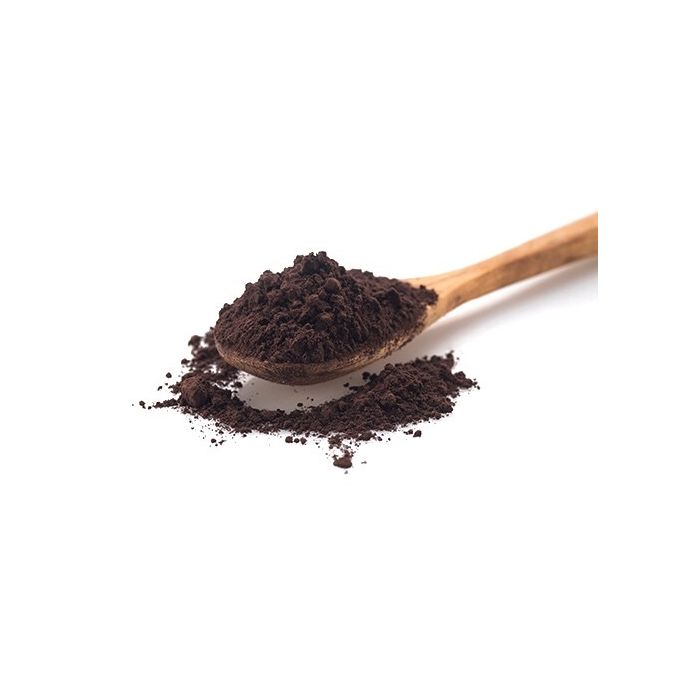
Selecting the Right Supplier
Key Considerations for Procurement
When sourcing alkalized cocoa powder for protein bars, consider:
- Purity & grade: Food-grade, free of contaminants
- Particle size: Finer powders mix better with protein isolates
- Batch consistency: Crucial for large-scale production
- Supply reliability: Avoid delays that can halt production
- Cost-per-unit: Aligns with your budget without compromising quality
At MT Royal, we supply manufacturers with a comprehensive range of cocoa powders, ensuring competitive pricing without compromising on quality. Premium European options, including Latamarko, are ideal for clients who require superior consistency and taste.
Common Pitfalls in Supplier Selection
- Ignoring batch-to-batch variation
- Choosing based solely on price
- Not verifying food safety certifications
- Overlooking solubility and blending behavior with protein isolates
Practical Tips for Industrial Production
Incorporating Cocoa Powder in Protein Bars
- Blend Dry Ingredients First: Protein isolates, fibers, and alkalized cocoa
- Check Moisture Content: Alkalized cocoa is hygroscopic; moisture can affect texture
- Mix Evenly: Use high-shear mixers for consistent color and flavor
- Taste and Adjust: Sweeteners and fat content may need slight adjustments based on cocoa flavor
- Control Temperature: Avoid overheating, which can degrade flavor
Scaling From Pilot to Mass Production
- Conduct pilot trials with small batches
- Monitor color, taste, and texture consistency
- Adjust ingredient ratios gradually
- Ensure supplier delivers consistent particle size for scalability
Quality Tiers: Standard vs. Premium Cocoa Powders
| Tier | Features | Ideal Use |
|---|---|---|
| Standard | Good flavor, moderate consistency | Cost-sensitive bars |
| Premium (e.g., Latamarko) | High solubility, superior flavor, uniform color | High-end protein bars, export markets |
Spanish manufacturers like Latamarko have set benchmarks in cocoa powder quality, making them a trusted choice for premium formulations.
FAQs from Factory Managers
Q1: Can alkalized cocoa powder affect protein stability?
A: Generally no; neutral pH is compatible with whey, soy, or plant proteins, reducing risk of denaturation.
Q2: How much cocoa should I use per 50g bar?
A: Typically 5–8% depending on flavor profile; fine-tune during pilot trials.
Q3: Does alkalized cocoa impact shelf life?
A: Slightly—it reduces acidity, which can slow lipid oxidation in bars containing nuts or seeds.
Q4: Can I substitute natural cocoa in existing recipes?
A: Yes, but adjust sweeteners and taste-testing is recommended due to smoother flavor and darker color.
Industry-Specific Considerations
- High-protein bars: Cocoa must blend smoothly without clumping
- No-bake bars: Fine particle size improves solubility and mouthfeel
- Co-extrusion bars: Even distribution is critical for aesthetic layers
- Export regulations: Ensure supplier provides certified food-grade cocoa
Conclusion
Selecting the right alkalized cocoa powder for protein bars is not just a matter of taste—it is a strategic decision that can influence every aspect of your production process. From the smoothness of the chocolate flavor to the visual appeal and uniform color of your bars, the choice of cocoa powder directly impacts both product quality and consumer perception. Moreover, consistent batch-to-batch quality ensures fewer production disruptions, reduces waste, and minimizes the risk of costly rework, which is critical for facilities managing large-scale operations.
By sourcing from trusted suppliers like MT Royal, manufacturers gain access to a reliable supply of food-grade cocoa powders with guaranteed consistency, allowing production teams to maintain high standards while optimizing efficiency. Considering premium options such as Latamarko, renowned for its Spanish engineering and superior solubility, can further elevate your product, ensuring that each bar delivers a refined taste and texture that meets or exceeds consumer expectations.
Ultimately, the right choice of alkalized cocoa powder strengthens your competitive position in the protein bar market, supporting not only the quality of your product but also the reliability and resilience of your production processes. Manufacturers who carefully evaluate their cocoa powder options and partner with reputable suppliers set themselves up for operational excellence, improved customer satisfaction, and long-term procurement stability.
latamarko alkalized cocoa powder lm60
cocoa powder for chocolate production-Best price
Food industry raw materials – list of products
Types of Gelatin from Turkish Manufacturer
Alkalized Cocoa Powder Bulk Supplier


No comment