

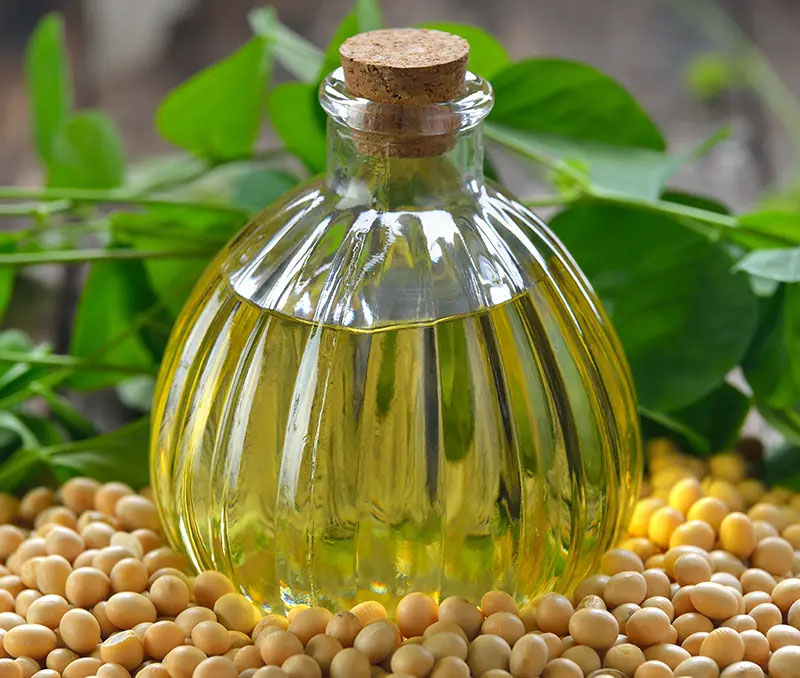
In industrial food manufacturing, where precision determines profitability and consistency defines brand trust, certain ingredients quietly carry disproportionate importance. One of those is CBR from Soybean Oil Supplier—a critical component in confectionery and chocolate fat systems that influences texture, melting behavior, and final product stability more than most procurement teams initially realize.
For factories producing chocolate coatings, compound chocolates, bakery fillings, or cocoa-based confectionery, selecting the right supplier is not just a purchasing decision. It is a technical commitment to product performance. At MT Royal, we have seen how a stable supply of well-formulated CBR systems can transform production efficiency, reduce batch rejection rates, and improve sensory consistency across high-volume manufacturing lines.
This guide is designed for procurement managers, food technologists, and industrial buyers who want a deeper understanding of CBR derived from soybean oil, how it works, and how to source it correctly without compromising product quality or operational stability.
Understanding CBR from Soybean Oil in Industrial Applications
CBR (Cocoa Butter Replacer) derived from soybean oil is a specialized fat system used in chocolate and confectionery manufacturing. It is engineered to replicate the functional properties of cocoa butter while offering improved cost efficiency and supply stability.
The CBR from Soybean Oil Supplier provides refined fat blends created through controlled hydrogenation, fractionation, or blending processes involving soybean oil and other vegetable fat fractions. The goal is to produce a fat system that mimics cocoa butter’s crystallization behavior without relying on cocoa-derived raw materials.
CBR is widely used in:
- Compound chocolate coatings
- Bakery cream fillings
- Wafer coatings and biscuit enrobing
- Confectionery shells
- Ice cream coatings and inclusions
- Non-dairy dessert systems
Unlike true chocolate formulations that depend on cocoa butter crystallization, CBR systems are designed for flexibility, stability, and cost optimization.
Why Soybean Oil-Based CBR Systems Are Widely Used
Soybean oil is one of the most abundant and economically efficient vegetable oils globally. When refined and structured correctly, it becomes an ideal base for CBR production.
A reliable CBR from Soybean Oil Supplier ensures:
- Stable fat crystallization behavior in production
- Consistent melting profile across batches
- Reduced raw material dependency on cocoa butter
- Improved coating performance in industrial applications
- Long shelf life with minimal fat bloom risk
In large-scale manufacturing, even minor instability in fat systems can lead to visible defects such as blooming, poor snap, or coating separation. These issues are not just aesthetic—they directly affect product acceptance in retail markets.
Core Functional Properties of CBR Systems
To understand sourcing decisions, it is essential to examine how CBR behaves in real industrial conditions.
1. Melting Profile Compatibility
CBR is engineered to melt within a controlled temperature range, typically between 32°C and 38°C depending on formulation. This ensures mouthfeel similarity to cocoa butter-based products.
2. Crystallization Stability
Properly formulated CBR exhibits stable polymorphic behavior, reducing the risk of fat bloom during storage.
3. Texture Enhancement
It contributes to smooth, glossy coatings with controlled snap characteristics in confectionery applications.
4. Oxidative Stability
Soybean oil-based systems are refined to resist oxidation, extending shelf life under proper packaging conditions.
5. Process Flexibility
CBR can be used in both enrobing systems and molding applications without requiring complex tempering processes.
Manufacturing Process of Soybean Oil-Based CBR
The production of CBR is a controlled multi-stage process involving fat modification and blending technologies.
1. Refining of Soybean Oil
Crude soybean oil undergoes degumming, neutralization, bleaching, and deodorization to remove impurities and off-flavors.
2. Fractionation or Hydrogenation
Depending on the desired fat profile, the oil may be fractionated or hydrogenated to adjust melting characteristics.
3. Blending with Other Vegetable Fats
To achieve cocoa butter-like behavior, soybean oil fractions are blended with other vegetable fats such as palm stearin or fully hydrogenated oils.
4. Interesterification (Optional)
This process rearranges fatty acid chains to modify crystallization properties and improve texture performance.
5. Quality Standardization
Final CBR is tested for melting point, solid fat content, and oxidative stability before packaging.
Common Mistakes in CBR Sourcing
Industrial buyers often underestimate the technical complexity behind fat system procurement. Here are frequent sourcing mistakes:
1. Treating CBR as a Commodity Ingredient
Not all CBR systems perform equally. Formulation differences significantly affect final product texture.
2. Ignoring Fat Bloom Behavior
Poorly designed CBR can lead to surface whitening in chocolate coatings during storage.
3. Overlooking Compatibility with Cocoa Solids
Mismatch between fat systems and cocoa particles can lead to texture instability.
4. Selecting Based Solely on Price
Low-cost CBR often compromises on oxidative stability or melting precision.
5. Not Testing in Real Production Conditions
Lab testing alone is insufficient—pilot-scale validation is essential.
In our collaboration with various factories, we have seen that switching suppliers without proper compatibility testing often leads to unexpected texture issues that only appear after full-scale production.
Industrial Applications of CBR from Soybean Oil
Chocolate Compound Manufacturing
CBR is widely used in compound chocolate where cocoa butter is partially or fully replaced for cost efficiency.
Bakery Industry
It is used in cream fillings, coatings, and laminated dough systems to improve texture stability.
Confectionery Coatings
CBR provides glossy finishes for candies, biscuits, and wafer products without requiring tempering.
Ice Cream and Frozen Desserts
It enhances coating performance for ice cream bars and frozen snacks.
Non-Dairy Dessert Systems
Vegetable fat systems like CBR are essential in vegan and dairy-free formulations.
Advantages of Soybean Oil-Based CBR Systems
1. Cost Efficiency
CBR significantly reduces dependence on cocoa butter, which is subject to volatile global pricing.
2. Supply Chain Stability
Soybean oil is widely produced, ensuring consistent global availability.
3. Processing Ease
Unlike cocoa butter, CBR does not require complex tempering processes in many applications.
4. Versatility
It can be adapted for multiple confectionery and bakery applications.
5. Shelf Stability
Properly formulated systems resist oxidation and maintain texture over time.
Technical Considerations for Large-Scale Production
When working with a CBR from Soybean Oil Supplier, industrial teams should evaluate several technical parameters:
- Solid fat content (SFC) curve behavior
- Melting enthalpy consistency
- Crystallization rate in cooling tunnels
- Compatibility with emulsifiers and lecithin systems
- Fat bloom resistance under fluctuating storage temperatures
One often overlooked detail is cooling profile control. Even the best CBR system can fail if cooling tunnels are not calibrated correctly, leading to inconsistent crystal formation.
MT Royal’s Role in Industrial Fat Supply Systems
MT Royal operates as a multi-brand supplier supporting industrial manufacturers with access to different grades of vegetable fat systems, including CBR derived from soybean oil. This structure allows procurement teams to balance cost, performance, and formulation requirements without being locked into a single production source.
We have observed that manufacturers who diversify their fat sourcing strategies tend to experience fewer production disruptions during global vegetable oil price fluctuations.
Rather than offering a single fixed solution, MT Royal supports flexibility—an essential factor in modern food manufacturing environments where demand patterns can shift rapidly.
Comparison: CBR vs Other Confectionery Fat Systems
CBR vs Cocoa Butter
Cocoa butter offers superior sensory complexity but comes with high cost and supply volatility. CBR provides functional mimicry at lower cost.
CBR vs CBS (Cocoa Butter Substitutes)
CBS systems often require lauric fats and behave differently in crystallization. CBR is more compatible with cocoa-based systems.
CBR vs Palm-Based Fats
Palm fats offer stability but may lack the fine melting profile tuning that CBR systems provide.
Each system has a defined role depending on product positioning and cost structure.
Market Trends in Confectionery Fat Systems
The global demand for structured vegetable fats is growing steadily due to several factors:
- Rising cocoa butter prices and supply fluctuations
- Expansion of compound chocolate markets in developing regions
- Increased demand for vegan confectionery products
- Technological improvements in fat fractionation processes
- Growing focus on cost-optimized food manufacturing
Industry data suggests that vegetable fat-based confectionery systems account for a significant and growing portion of global chocolate-like product manufacturing.
Frequently Asked Questions from Procurement Teams
1. What is CBR from soybean oil used for?
It is used as a cocoa butter replacer in compound chocolate and confectionery fat systems.
2. Is CBR suitable for real chocolate?
No, it is used in compound chocolate systems rather than cocoa butter-based chocolate.
3. Does CBR require tempering?
Most CBR systems do not require traditional chocolate tempering processes.
4. What is the shelf life of CBR?
Typically 12–24 months depending on storage conditions and antioxidant systems.
5. How should CBR be stored?
It should be stored in cool, dry conditions away from light and strong odors.
6. What quality parameters matter most?
Melting profile, solid fat content, and oxidation stability are critical.
Strategic Perspective for Industrial Buyers
Choosing a CBR from Soybean Oil Supplier is not just a cost optimization decision—it is a structural choice that affects product texture, production efficiency, and long-term brand consistency.
Factories that treat fat systems as technical ingredients rather than commodity inputs tend to achieve more stable production outcomes and fewer quality deviations across large-scale manufacturing cycles.
In confectionery production, where sensory perception drives consumer loyalty, even microscopic differences in fat behavior can define whether a product feels premium or ordinary.
And in a market where margins are constantly under pressure, stability in fat systems is not just beneficial—it is essential.
LATAMARKO LM60 – Premium Spanish-Origin Cocoa Powder
latamarko alkalized cocoa powder lm60
cocoa powder for chocolate production-Best price
Food industry raw materials – list of products

No comment