

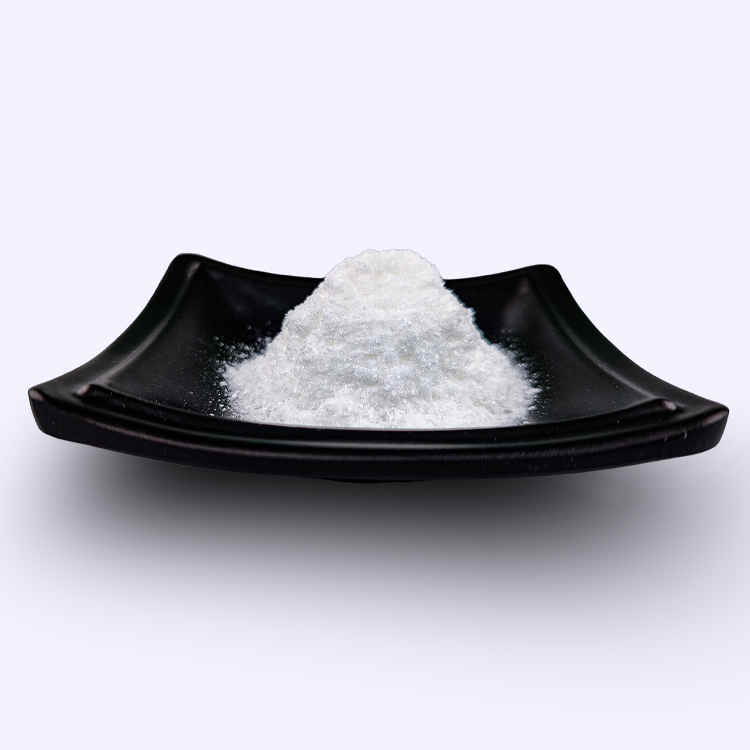
In industrial food manufacturing, where margins are tight and consumer expectations are even tighter, the difference between a stable product line and a problematic one often comes down to a single aromatic compound: vanillin. For factories producing chocolate, baked goods, beverages, dairy systems, or nutritional products, securing a reliable Vanillin Powder Synthetic Supplier is not simply a procurement decision—it is a direct investment in production consistency, cost control, and sensory reliability.
At MT Royal, we have seen how manufacturers who prioritize structured sourcing for vanillin powder synthetic dramatically reduce batch variability while improving formulation stability across high-volume production lines. When your factory depends on thousands of identical outputs every day, even a minor deviation in aroma intensity can feel like a conveyor belt suddenly developing a limp.
This article is a complete industrial guide designed for procurement teams, formulation specialists, and production managers who want to understand vanillin powder at a deeper level—how it is produced, why synthetic vanillin dominates global supply chains, and how to choose the right supplier without compromising quality or efficiency.
Understanding Vanillin Powder Synthetic in Industrial Context
Vanillin is the primary flavor compound responsible for the characteristic aroma and taste of vanilla. While natural vanilla extract contains hundreds of aromatic compounds, vanillin alone contributes the dominant sensory note.
Vanillin Powder Synthetic Supplier refers to companies that manufacture or distribute chemically synthesized vanillin in powder form, typically derived from guaiacol or lignin-based processes. This synthetic version is chemically identical to the vanillin molecule found in natural vanilla beans, but it is produced at scale with significantly higher cost efficiency and stability.
In industrial food applications, synthetic vanillin is widely used in:
- Chocolate and cocoa-based products
- Bakery premixes and industrial dough systems
- Ice cream and frozen dessert formulations
- Instant beverage powders and flavored drinks
- Confectionery fillings and coatings
- Protein powders and nutritional supplements
The reason for its dominance is simple: consistency. Unlike natural vanilla, which varies depending on harvest conditions, synthetic vanillin provides uniform flavor performance across every production batch.
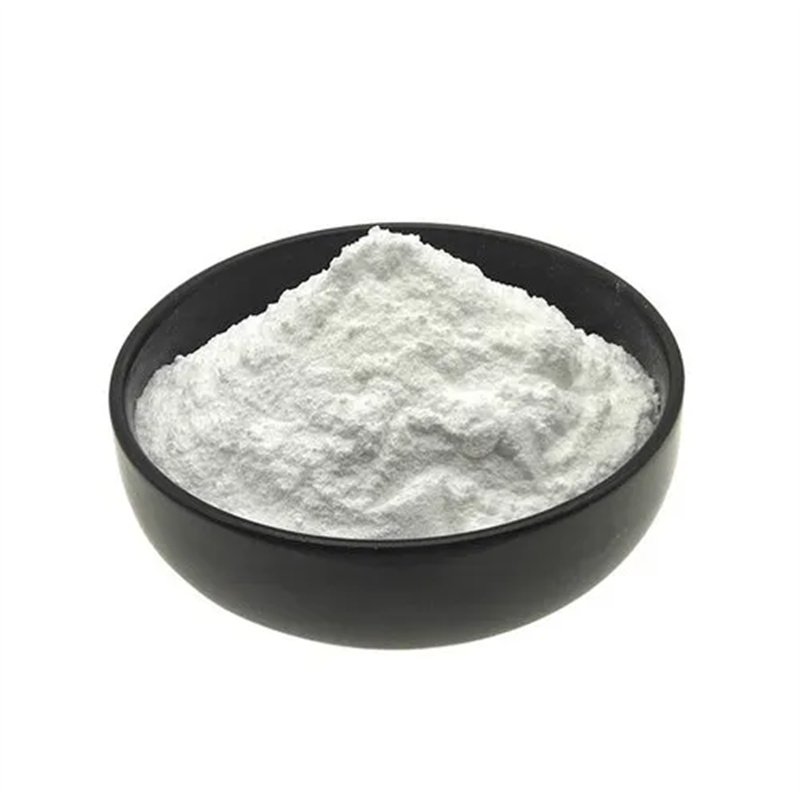
Why Synthetic Vanillin Dominates Global Food Manufacturing
Over 85% of global vanillin consumption is synthetic, and this is not accidental—it is the result of industrial necessity. Large-scale manufacturers prioritize repeatability, and synthetic vanillin delivers exactly that.
A reliable Vanillin Powder Synthetic Supplier ensures:
- Stable chemical composition across all batches
- Predictable aroma intensity in formulations
- Cost efficiency compared to natural vanilla extracts
- High thermal stability during baking and processing
- Easy integration into dry and liquid systems
In our collaboration with various factories, we have seen that switching from inconsistent natural flavor systems to standardized synthetic vanillin can reduce flavor deviation complaints by up to 30–40% in consumer testing cycles.
Chemical and Functional Fundamentals of Vanillin Powder
To understand sourcing decisions, it is important to understand what makes vanillin chemically and functionally valuable.
Vanillin (C8H8O3) is an aromatic aldehyde with a strong, sweet, creamy scent profile. It is highly stable under heat and integrates well with fat and sugar-based systems.
Key functional properties:
- High thermal stability during baking processes
- Excellent solubility in ethanol and fat systems
- Strong aroma impact even at low dosage levels
- Compatibility with emulsifiers and stabilizers
- Long shelf life under controlled storage conditions
These properties make synthetic vanillin particularly valuable in industrial food systems where heat, pressure, and long storage cycles are unavoidable realities.
Manufacturing Routes of Synthetic Vanillin
Synthetic vanillin is produced primarily through two industrial pathways:
1. Guaiacol-Based Synthesis
This is the most common method globally. Guaiacol is chemically converted into vanillin through controlled oxidation reactions. The process is efficient, scalable, and widely used in food-grade production.
2. Lignin-Based Production
Derived from wood pulp industry byproducts, this method is more sustainable but slightly more complex. It is gaining popularity due to increasing demand for eco-friendly sourcing.
Both methods produce chemically identical vanillin, but differences may exist in trace impurities and sensory nuance.
Common Mistakes in Vanillin Sourcing for Industrial Buyers
Procurement teams often underestimate the complexity behind synthetic flavor sourcing. Here are the most frequent mistakes:
1. Choosing Based on Price Alone
Lower-cost vanillin may indicate inconsistent purity levels or unstable supply chains.
2. Ignoring Purity Standards
Food-grade vanillin should typically meet 99% purity standards. Anything lower can affect flavor performance.
3. Overlooking Particle Size Distribution
Inconsistent powder granulation leads to uneven mixing in large-scale systems.
4. Lack of Supplier Traceability
Factories often fail to verify whether suppliers can provide batch-level documentation.
5. Not Testing Heat Stability
Some vanillin grades degrade or lose intensity under prolonged baking conditions.
Industrial Applications of Vanillin Powder Synthetic
Chocolate and Cocoa Industry
Vanillin enhances cocoa depth, reduces bitterness, and improves perceived sweetness without adding sugar.
Bakery Manufacturing
It stabilizes aroma during high-temperature baking and ensures consistent flavor across batches of cookies, cakes, and biscuits.
Dairy Products
In ice cream and yogurt systems, vanillin smooths protein notes and enhances creamy perception.
Beverage Industry
Instant coffee blends, protein shakes, and flavored drinks rely on vanillin for aroma reinforcement.
Confectionery Production
Candies, creams, and fillings use vanillin as a primary flavor backbone.
Industrial Advantages of Synthetic Vanillin Over Natural Vanilla
1. Cost Efficiency
Synthetic vanillin is significantly cheaper than natural vanilla extracts, making it ideal for large-scale production.
2. Supply Stability
Unlike vanilla beans, which are subject to climate fluctuations, synthetic vanillin supply is stable year-round.
3. Flavor Consistency
Every batch delivers identical sensory performance, which is essential for global brands.
4. High Heat Resistance
Synthetic vanillin retains its flavor profile during baking and extrusion processes.
5. Easy Integration
It blends seamlessly into dry mixes, emulsions, and liquid systems.
Specialized Tips for Large-Scale Production
When working with a Vanillin Powder Synthetic Supplier, industrial buyers should consider the following technical factors:
- Optimize dosage levels between 0.05% and 0.3% depending on application
- Conduct pilot-scale testing before full production runs
- Monitor interaction with cocoa, dairy proteins, and sweeteners
- Control humidity in storage environments to prevent clumping
- Standardize mixing times to ensure uniform distribution
One often overlooked insight is that vanillin performs differently depending on fat content in the formulation. Higher fat systems tend to amplify aroma perception, which can reduce required dosage.
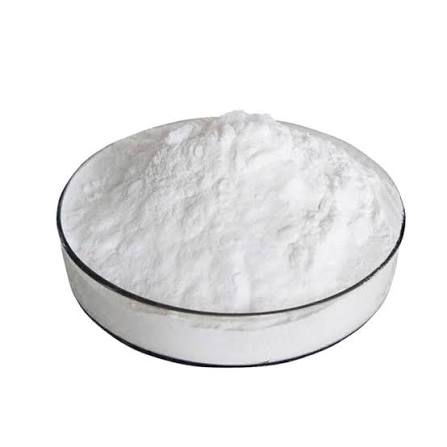
MT Royal’s Role in Industrial Ingredient Supply
MT Royal operates as a multi-brand supplier offering access to a range of synthetic vanillin sources tailored to industrial requirements. Instead of limiting manufacturers to a single production origin, MT Royal provides flexibility in selecting cost-performance balanced options.
We have observed that factories using diversified sourcing models experience fewer disruptions during global raw material price fluctuations. This is particularly important in flavor ingredient markets, where even small supply chain interruptions can affect entire product lines.
Our focus is not just supply—it is formulation reliability at scale.
Comparison: Synthetic Vanillin vs Alternative Flavor Systems
Synthetic Vanillin vs Natural Vanilla Extract
Natural vanilla offers complexity but lacks consistency and cost efficiency. Synthetic vanillin provides stability and scalability.
Vanillin vs Ethyl Vanillin
Ethyl vanillin is stronger (approximately 3–4 times more intense) but has a slightly different sensory profile. It is often used in combination systems.
Powder vs Liquid Vanillin
Powdered vanillin offers better storage stability and easier integration into dry mixes compared to liquid formulations.
Each system has a role, but synthetic vanillin remains the backbone of global flavor manufacturing.
Global Market Trends and Industry Insights
The synthetic vanillin market is evolving rapidly due to several key factors:
- Increasing demand for ultra-stable flavor systems in processed foods
- Growth in emerging markets with expanding packaged food consumption
- Rising raw material costs in natural vanilla production
- Advancements in green chemistry and lignin-based production methods
- Expansion of clean-label reformulation strategies
Market data suggests that global vanillin consumption exceeds 20,000 metric tons annually, with synthetic variants dominating industrial usage.
Frequently Asked Questions from Procurement Teams
1. What purity level should industrial vanillin meet?
Food-grade vanillin should typically meet or exceed 99% purity standards.
2. Is synthetic vanillin safe for food applications?
Yes, it is widely approved by global food safety authorities when used within regulated limits.
3. How should vanillin powder be stored?
It should be stored in airtight containers, away from heat, moisture, and strong odors.
4. Can vanillin replace vanilla extract entirely?
In many industrial applications, yes—but sensory differences should be evaluated during formulation.
5. What is the typical dosage in food production?
Dosage varies from 0.05% to 0.3% depending on product category and intensity requirements.
6. How can batch consistency be ensured?
By working with suppliers that provide full traceability and standardized production specifications.
Strategic Perspective for Industrial Buyers
Selecting a Vanillin Powder Synthetic Supplier is not just about securing a raw material—it is about ensuring production predictability. In high-volume manufacturing environments, unpredictability is expensive. Every deviation in flavor leads to reformulation, customer complaints, or even product recalls.
Factories that invest in structured sourcing strategies tend to experience smoother production cycles, fewer quality deviations, and stronger brand consistency in the market.
Vanillin may be a small ingredient in terms of dosage, but in terms of sensory impact, it plays a disproportionately large role in shaping consumer perception.
LATAMARKO LM60 – Premium Spanish-Origin Cocoa Powder
latamarko alkalized cocoa powder lm60
cocoa powder for chocolate production-Best price
Food industry raw materials – list of products

No comment