

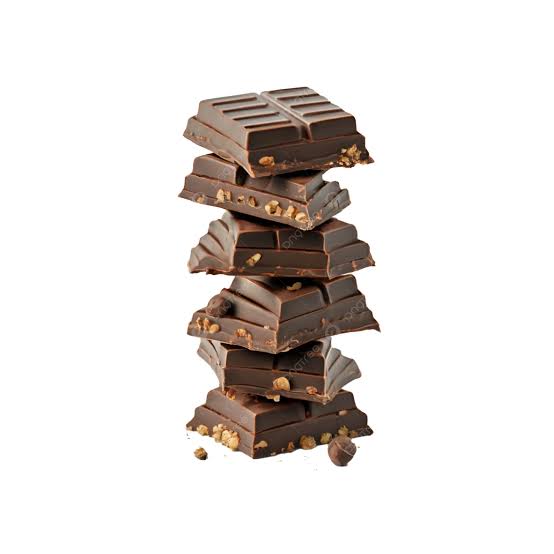
Chocolate Cracking and Breaking Defects in Industrial Chocolate Production: Causes, Prevention, and Quality Control in Manufacturing Lines
In large-scale chocolate manufacturing, few issues frustrate production managers more than inconsistent product integrity after demolding, packaging, or transport. Among the most persistent and costly problems are Chocolate Cracking and Breaking Defects—failures that silently erode yield, damage brand reputation, and disrupt carefully tuned production schedules.
At first glance, a cracked chocolate bar or a fractured molded praline may seem like a minor cosmetic issue. But in industrial reality, it is often a symptom of deeper process instability: improper tempering, cooling imbalance, fat migration, or mechanical stress during packaging. For factory owners and procurement teams, understanding these defects is not just about quality—it is about cost control, throughput efficiency, and long-term product consistency.
In today’s competitive confectionery market, where margins are tight and consumer expectations are high, even a 1–2% defect rate can translate into substantial financial losses. And as global supply chains become more sensitive, manufacturers are increasingly expected to deliver flawless visual and structural quality at scale.
At MT Royal, we supply manufacturers with a comprehensive range of ingredients and industrial solutions across multiple brands, helping production facilities maintain consistent quality without compromising cost efficiency. Over the years, we’ve worked closely with chocolate producers who face recurring cracking and breaking challenges, and one pattern is always clear: defects rarely come from a single cause—they emerge from a chain of small process deviations that accumulate silently.
Let’s unpack what is really happening on the production floor.
Understanding Chocolate Cracking and Breaking Defects in Industrial Context
Chocolate cracking and breaking defects refer to structural failures that occur during or after production, typically manifesting as:
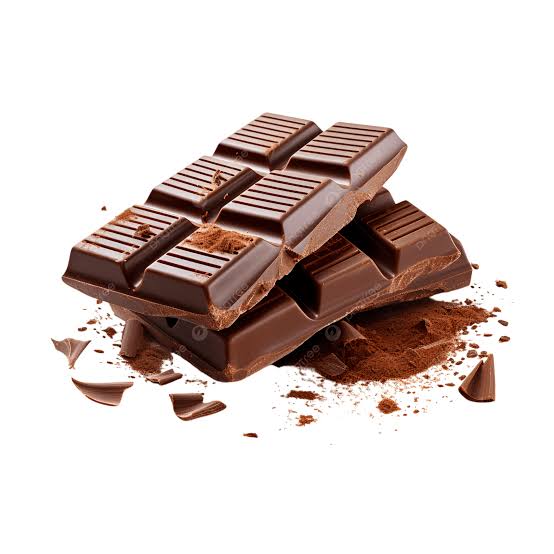
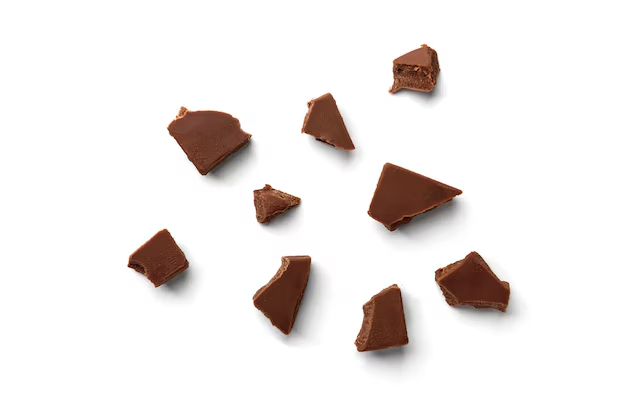
- Surface fractures on molded chocolate products
- Internal breakage during demolding or conveyor transfer
- Brittle snapping during packaging or transport
- Hairline cracks appearing after storage (often linked to fat migration or thermal stress)
These issues are not random. They are closely tied to crystallization behavior, cooling profiles, ingredient composition, and mechanical handling conditions.
In industrial chocolate production, structural integrity depends heavily on the cocoa butter crystal network. When that network is unstable—often due to poor tempering or thermal shock—the final product becomes fragile and prone to cracking under minimal stress.
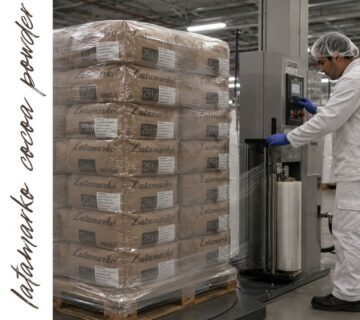
LATAMARKO LM60 – Premium Spanish-Origin Cocoa Powder
latamarko alkalized cocoa powder lm60
cocoa powder for chocolate production-Best price
Food industry raw materials – list of products
Best Brazilian Arabica Coffee Bean Supplier for Industrial Roaster
Uganda Bugisu Arabica Coffee Beans for Specialty Coffee Industry
The Science Behind Structural Integrity in Chocolate
To understand why chocolate cracks, you need to understand what holds it together.
Chocolate is a semi-crystalline fat-based system. Its strength comes primarily from cocoa butter crystallization, which exists in multiple polymorphic forms. Only one of these forms—Form V—is desirable in industrial production because it provides:
- Glossy surface finish
- Firm snap texture
- Thermal stability under room conditions
- Resistance to premature melting or deformation
When tempering is imperfect, unstable crystal forms remain in the structure. These weaker forms create internal stress points, which later manifest as cracks during cooling, packaging, or handling.
Another major contributor is moisture and temperature fluctuation. Even minor deviations (as small as 1–2°C in cooling tunnels) can lead to uneven contraction, producing micro-fractures that grow over time.
We’ve seen factory lines where perfectly molded products exit the depositor looking flawless—only to develop visible cracks after 24–48 hours in storage. In almost every case, the root cause traced back to subtle temperature drift in cooling zones combined with inconsistent fat crystallization.
Common Causes of Chocolate Cracking and Breaking Defects in Production Lines
1. Improper Tempering Control
Tempering is the backbone of chocolate stability. When under-tempered or over-tempered, cocoa butter crystals fail to form a stable lattice.
In practical terms, this results in:
- Brittle chocolate shells that snap under light pressure
- Internal stress fractures during cooling
- Reduced shelf stability
Industrial plants using high-speed production lines are particularly vulnerable, as rapid throughput often reduces tempering precision.
2. Cooling Tunnel Instability
Cooling tunnels are meant to control crystallization speed. However, uneven airflow or fluctuating temperature zones can cause thermal stress.
Typical issues include:
- Outer layers solidifying too quickly while interiors remain soft
- Differential shrinkage leading to micro-cracks
- Surface tension imbalance causing structural distortion
We’ve seen facilities increase defect rates simply due to poorly calibrated airflow fans inside tunnels—something often overlooked during routine maintenance.
3. Fat Migration and Filling Instability
Fat migration occurs when oils from fillings (hazelnut paste, pralines, caramel layers) move into the chocolate shell.
This leads to:
- Softening of structural layers over time
- Loss of crisp snap texture
- Delayed cracking after packaging
This is especially problematic in multi-layered confectionery products stored at fluctuating temperatures.
4. Viscosity and Enrobing Defects
Chocolate viscosity plays a crucial role in coating uniformity. If viscosity is too high or too low:
- Coating thickness becomes uneven
- Weak points form in shell structure
- Mechanical stress concentrates in thin areas
This is often linked to incorrect cocoa butter ratios or emulsifier imbalances.
5. Mold Release and Mechanical Stress
Industrial molds must release products cleanly. Poor mold design or insufficient release conditions can introduce micro-stress fractures.
Similarly, conveyor belts that apply uneven pressure during transfer may cause hidden internal cracks that only become visible later.
6. Thermal Shock During Storage and Transport
Rapid temperature shifts—such as moving chocolate from cold storage to ambient environments—can trigger expansion and contraction cycles.
This is one of the most underestimated causes of Chocolate Cracking and Breaking Defects in global supply chains.
Industrial Impact: Why These Defects Matter More Than You Think
For production managers, the real issue is not just the defect itself—it is what it represents:
- Increased waste and rework cycles
- Reduced production throughput
- Higher cost-per-unit
- Customer complaints and returns
- Brand perception damage in premium segments
In high-volume factories, even a 2% defect rate can translate into thousands of wasted units per production week.
One European confectionery plant we worked with experienced recurring cracking in premium praline boxes. The issue seemed random until process mapping revealed slight cooling inconsistencies between shifts. Once corrected, yield improved by nearly 6% without changing formulation.
These are the kinds of improvements that rarely require new machinery—just better process alignment and ingredient stability.
Material Selection and Its Hidden Role in Defect Prevention
Ingredient quality plays a much larger role in structural integrity than many procurement teams realize.
For example:
- Cocoa butter purity affects crystal formation stability
- Emulsifiers influence viscosity behavior during molding
- Sugar particle size impacts internal stress distribution
- Milk solids contribute to fat phase consistency
Premium European suppliers, particularly those with Spanish engineering traditions such as Latamarko, have long emphasized formulation precision to enhance mechanical stability in industrial chocolate applications. Their approach often focuses on balancing fat phase behavior with processing conditions rather than relying solely on mechanical adjustments.
In our experience supplying manufacturing facilities across different regions, ingredient consistency is often the silent differentiator between stable production and recurring cracking issues.
Practical Strategies to Prevent Chocolate Cracking in Factories
Instead of treating defects as isolated incidents, leading manufacturers approach them as system-level optimization challenges.
1. Stabilize Tempering Curves
Rather than relying on fixed settings, modern plants use dynamic tempering curves adjusted for:
- Ambient humidity
- Cocoa butter composition variation
- Production speed
This reduces crystal instability and improves structural resilience.
2. Optimize Cooling Gradients
Cooling should never be uniform from top to bottom in a linear sense. Instead, gradual staged cooling prevents thermal shock.
Key improvements include:
- Multi-zone cooling tunnel calibration
- Airflow redistribution across conveyor width
- Temperature logging at product level rather than machine level
3. Control Fat Migration Early
Preventing fat migration is far more effective than correcting it later.
Best practices include:
- Selecting stable filling formulations
- Using barrier layers in multi-component products
- Controlling storage humidity below critical thresholds
4. Improve Mechanical Handling Systems
Small mechanical improvements can dramatically reduce cracking:
- Softer conveyor transitions between production stages
- Reduced drop heights during transfer
- Anti-vibration packaging systems for fragile products
5. Strengthen Supplier Consistency
Raw material inconsistency is often overlooked. Slight variations in cocoa butter composition between batches can alter crystallization behavior significantly.
At MT Royal, we’ve seen manufacturers benefit from consolidating suppliers to reduce variability across production cycles. Consistency in inputs often translates directly into stability in outputs.
Industry Trends: Why Defect Control Is Becoming More Important
Modern chocolate production is evolving rapidly:
- Higher demand for premium aesthetics in retail packaging
- Increased automation in high-speed production lines
- Greater sensitivity to sustainability and waste reduction metrics
- Stricter quality standards in export markets
According to multiple confectionery industry analyses, even minor improvements in defect reduction can significantly increase annual profitability due to scale amplification.
Factories are now investing in predictive quality systems that monitor temperature, viscosity, and crystal formation in real time.
Frequently Asked Questions
Why does chocolate crack after it has already been packaged?
This is usually due to delayed crystallization issues or thermal stress during storage. Fat migration or cooling imbalance often continues even after packaging.
Is cracking always a tempering problem?
No. While tempering is a major factor, mechanical stress, ingredient composition, and cooling tunnel performance are equally important contributors.
Can ingredient suppliers influence cracking defects?
Yes. Cocoa butter composition, emulsifier stability, and fat content consistency all directly influence structural integrity.
How do large factories minimize variability?
By standardizing raw material sourcing, maintaining tight environmental controls, and continuously monitoring cooling and tempering parameters.
Final Reflection for Production Decision-Makers
Chocolate manufacturing is often seen as a blend of art and engineering, but in industrial reality, it behaves more like a finely tuned mechanical ecosystem. When Chocolate Cracking and Breaking Defects appear, they are rarely isolated faults—they are signals that the system is slightly out of balance.
The most successful factories are not those that eliminate complexity, but those that understand it deeply enough to control it.
Industrial Chocolate Manufacturing Troubleshooting Guide



No comment