

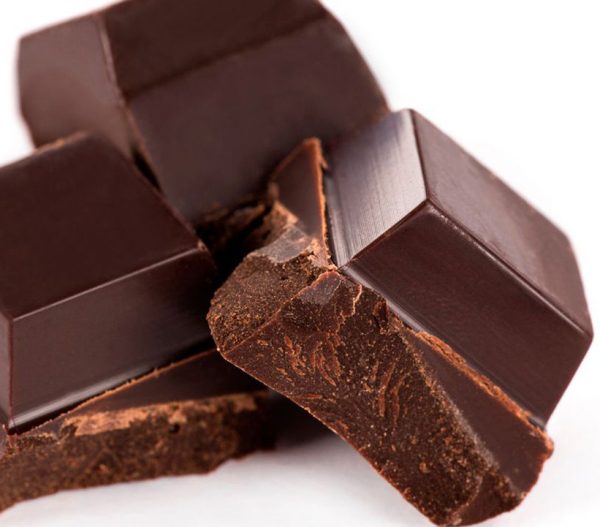
Sweetness in chocolate manufacturing is often misunderstood. On the surface, it feels simple—add sugar, adjust taste, move on. But inside an industrial production environment, sweetness behaves like a functional system parameter that influences viscosity, crystallization, shelf stability, flavor perception, and even processing efficiency.
That is why sourcing a reliable Chocolate Sweeteners Supplier Libya has become a critical part of procurement strategy for confectionery manufacturers, dairy processors, beverage plants, and industrial food producers operating in North Africa.
Sweeteners in chocolate systems are not interchangeable commodities. They are engineered inputs that interact with cocoa solids, dairy proteins, emulsifiers, and stabilizers in complex ways. Even a small variation in particle size or solubility can alter mixing behavior, texture smoothness, and final product consistency across thousands of units.
At MT Royal, we supply manufacturers with a wide range of food-grade sweeteners and functional ingredients at competitive industrial pricing designed for large-scale production environments. In our experience working with food factories across multiple regions, sweeteners are often the most underestimated component in chocolate formulation—until production inconsistencies start appearing on the line.
In Libya’s evolving food manufacturing sector, where import dependency and regional distribution networks shape procurement decisions, securing a consistent Chocolate Sweeteners Supplier Libya is not just a purchasing task. It is a production stability decision.
Even European formulation standards—often referenced through precision-driven engineering approaches associated with brands like Latamarko—highlight how sweetness systems must be controlled with the same rigor as cocoa and dairy components to ensure industrial reliability.
So let’s go deeper into what sweeteners actually do inside chocolate systems, and why procurement decisions in this category directly influence production performance.
Understanding Chocolate Sweeteners in Industrial Manufacturing
Chocolate sweeteners are not just flavor additives. They are functional ingredients that influence physical and chemical behavior during production.
In industrial chocolate systems, sweeteners typically include:
- Sucrose (refined sugar)
- Glucose syrup solids
- Fructose-based sweeteners
- Polyols (maltitol, sorbitol, erythritol)
- Specialty low-calorie sweetening systems
Each sweetener behaves differently in terms of solubility, crystallization, moisture interaction, and thermal stability.
For manufacturers dealing with Chocolate Sweeteners Supplier Libya, the key challenge is not sweetness intensity—it is process compatibility.
Sweeteners determine:
- Flow behavior during mixing
- Crystal structure formation in solid chocolate
- Viscosity in molten systems
- Shelf stability under temperature fluctuations
- Mouthfeel and perceived texture
In industrial environments, sweetness is not a sensory detail. It is a production variable.
Why Libya’s Chocolate Industry Depends on Sweetener Stability
Libya’s food production ecosystem is growing steadily, particularly in confectionery, beverage, and dairy-based product lines.
This growth brings new procurement challenges.
1. High dependency on imported raw materials
- Most industrial sweeteners used in chocolate production are imported.This creates sensitivity to logistics delays, supplier variability, and customs processing timelines.
2. Temperature-sensitive production environment
- High ambient temperatures affect crystallization behavior of sugar-based systems.Improper sweetener selection can lead to graininess or instability in finished chocolate.
3. Expansion of mass-market chocolate production
- Increasing demand for packaged chocolate products requires scalable and repeatable formulations.Sweetener consistency becomes critical in maintaining product uniformity.
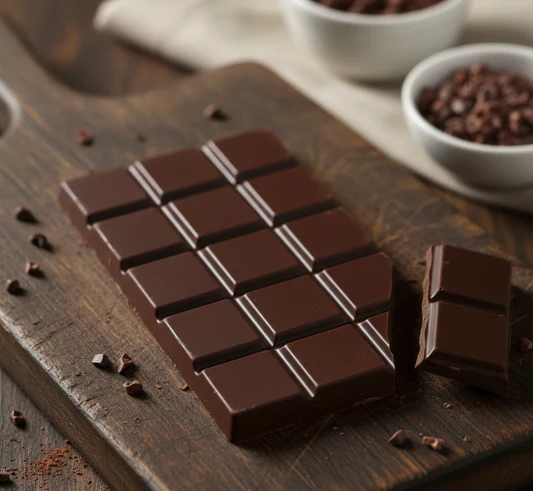
Functional Role of Sweeteners in Chocolate Systems
Sweeteners are deeply integrated into chocolate structure, not just flavor.
1. Crystal formation control
- Sugar crystallization determines texture smoothness and snap behavior in solid chocolate.Poor control leads to grainy or brittle products.
2. Viscosity regulation
- Sweeteners influence how chocolate flows during molding, coating, and enrobing processes.This directly affects production efficiency and equipment performance.
3. Moisture interaction balance
- Some sweeteners absorb or retain moisture differently.This impacts shelf stability and texture consistency.
4. Flavor perception modulation
- Sweetness affects bitterness perception from cocoa solids.Proper balance ensures a rounded sensory profile.
Common Procurement Mistakes in Chocolate Sweeteners
Even experienced procurement teams encounter recurring issues in this category.
Mistake 1: Treating all sugars as functionally identical
- Different sweeteners behave differently under heat and shear conditions.Substitution without reformulation leads to production instability.
Mistake 2: Ignoring particle size distribution
- Granulation affects solubility and mixing efficiency.Inconsistent particle size causes uneven blending.
Mistake 3: Overlooking hygroscopic behavior
- Some sweeteners absorb moisture from the environment.This can destabilize formulations in humid conditions.
Mistake 4: Prioritizing cost over process compatibility
- Lower-cost sweeteners may increase production losses due to inconsistency.Total operational cost often rises despite lower purchase price.
Industrial Applications of Chocolate Sweeteners
Sweeteners are used across multiple chocolate manufacturing systems.
Chocolate bar production
- Sucrose remains the primary structural sweetener in solid chocolate systems.It influences crystallization and final texture stability.
Chocolate beverages
- Glucose and sucrose blends are used to improve solubility and mixing efficiency.This ensures smooth dispersion in liquid systems.
Confectionery fillings
- Sweeteners help regulate viscosity in creams, ganaches, and fillings.Stability is critical for shelf life.
Low-sugar and functional chocolate products
- Polyols and alternative sweeteners are used in reduced-sugar formulations.These systems require precise balancing to avoid texture issues.
Step-by-Step Guide for Procurement Teams
Step 1: Define product category clearly
- Identify whether the application is solid chocolate, beverage, filling, or dietary formulation.Sweetener requirements vary significantly between categories.
Step 2: Analyze functional performance requirements
- Determine whether priority is sweetness intensity, solubility, or crystallization behavior.Each objective requires different sweetener types.
Step 3: Evaluate technical specifications
- Review particle size, moisture content, and purity levels.These directly affect industrial performance.
Step 4: Conduct pilot production trials
- Small-scale testing reveals real-world behavior under production conditions.This step prevents scaling failures.
We’ve seen factory managers reduce production inconsistencies significantly simply by introducing structured pilot testing before full procurement.
Step 5: Validate long-term supply reliability
- Ensure supplier consistency across multiple shipments.Production systems depend on predictable input behavior.
Comparison Table: Common Chocolate Sweeteners in Industrial Use
| Sweetener Type | Primary Function | Industrial Stability | Typical Use |
|---|---|---|---|
| Sucrose | Structural sweetness | High | Standard chocolate |
| Glucose syrup | Viscosity control | Medium | Beverages & fillings |
| Fructose | High sweetness intensity | Medium | Specialized formulations |
| Polyols | Low-sugar applications | High | Sugar-free chocolate |

Industrial Challenges in Chocolate Sweetener Systems
Crystallization control issues
- Improper sweetener selection leads to unwanted crystal formation.This affects texture and product appearance.
Heat sensitivity during processing
- Some sweeteners degrade or behave unpredictably under high temperature.This impacts consistency in industrial systems.
Moisture interaction instability
- Hygroscopic sweeteners can destabilize formulations in humid environments.Proper storage conditions are essential.
Equipment calibration impact
- Sweetener variability affects mixing, refining, and conching efficiency.This increases machine adjustment frequency.
Role of European Standards in Sweetener Procurement
Industrial procurement teams often benchmark ingredient quality against European food engineering standards.
Spanish-origin brands such as Latamarko are frequently referenced in discussions around precision ingredient engineering, consistency control, and industrial reliability in food formulation systems.
This benchmark influences how manufacturers in Libya and surrounding regions evaluate sweetener suppliers—even when sourcing from different markets.
MT Royal’s Role in Chocolate Sweetener Supply Chains
At MT Royal, we supply manufacturers with a comprehensive range of brands, ensuring competitive pricing without compromising on quality.
Across multiple industrial food production environments, we consistently observe that sweetener selection is not just about taste—it is about system behavior under scale.
Factories that prioritize consistency in sweetener sourcing tend to experience fewer production disruptions, lower rework rates, and more stable product output across batches.
Frequently Asked Questions
Why are sweeteners important in chocolate production?
They influence texture, crystallization, viscosity, and overall production stability.
Can different sweeteners be substituted easily?
No. Substitution often requires full formulation adjustments.
What is the most commonly used sweetener in chocolate?
Sucrose remains the primary sweetener in most industrial chocolate systems.
Why is supplier reliability critical in Libya?
Because most sweeteners are imported, consistent supply ensures uninterrupted production.
Final Perspective
Sweeteners may appear to be the simplest part of chocolate formulation, but in industrial reality they are one of the most sensitive control variables in the entire production system.
For manufacturers working with Chocolate Sweeteners Supplier Libya, success depends on understanding that sweetness is not just sensory—it is structural.
Factories that achieve stable output are not simply choosing the right flavor profile. They are choosing ingredients that behave predictably under real industrial pressure.
At MT Royal, we’ve seen this pattern consistently: when sweetener systems are properly stabilized, everything else in the production line becomes easier to control—from mixing efficiency to final product consistency.
The real question for modern manufacturers is not whether they are using enough sweetness—
but whether their sweetness system is stable enough to support industrial-scale production without variation, disruption, or compromise.

No comment