

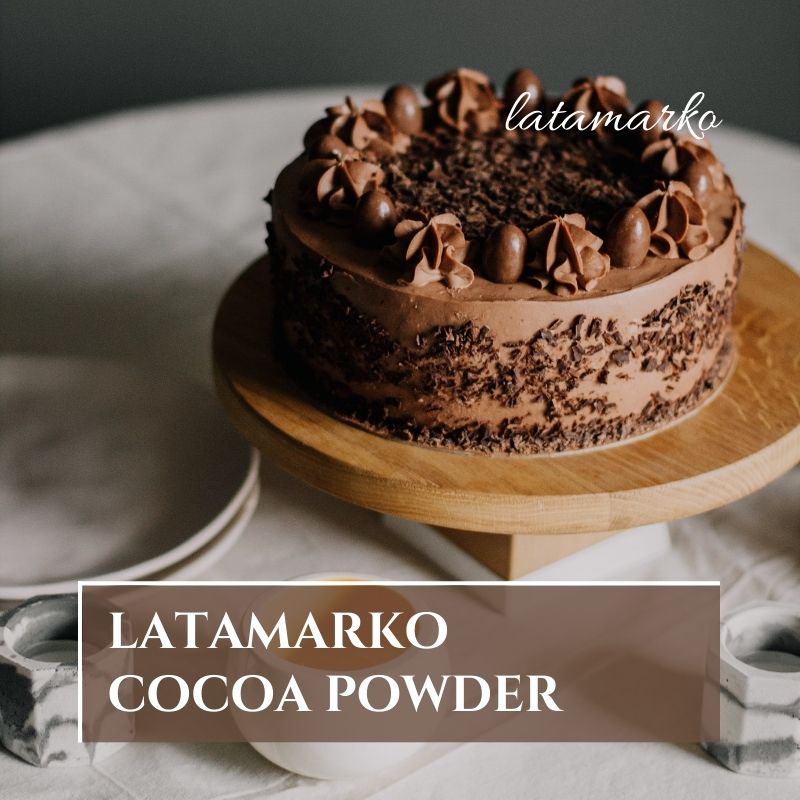
Chocolate manufacturers know that exceptional products begin long before cocoa beans reach the production line. The quality of every chocolate bar, coating, filling, or confection is heavily influenced by one ingredient that often receives less attention than it deserves: cocoa powder. Premium European suppliers, including respected Spanish brands such as Latamarko, have demonstrated how consistent raw materials can improve production stability, flavor development, and product uniformity in modern manufacturing facilities. As global competition continues to intensify, choosing the right cocoa powder has become a strategic business decision rather than a routine purchasing task.
For factory owners, production managers, procurement specialists, and quality assurance teams, Choosing Cocoa Powder for Chocolate Manufacturing is about much more than comparing prices. The right cocoa powder affects production efficiency, processing behavior, color consistency, viscosity, shelf life, and ultimately the reputation of your brand. Even small variations in cocoa powder specifications can lead to measurable differences in finished products, creating unnecessary production challenges and increasing operating costs.
Today’s chocolate manufacturers must also navigate an increasingly complex supply chain. Sustainability expectations, fluctuating cocoa prices, stricter food safety regulations, and growing consumer demand for premium chocolate require procurement teams to evaluate suppliers with greater precision than ever before. A reliable supplier should not only provide consistent quality but also technical expertise, dependable logistics, and access to a broad portfolio of products suited to different manufacturing requirements.
At MT Royal, we have worked with manufacturing facilities that prioritize consistency over short-term savings because they understand the true cost of production interruptions and quality deviations. By supplying a comprehensive selection of trusted international brands at competitive prices, we help manufacturers identify cocoa powder solutions that support efficient operations while maintaining high product standards.
This guide explores every major factor involved in Choosing Cocoa Powder for Chocolate Manufacturing, from cocoa processing methods and technical specifications to supplier selection, quality control, and procurement strategies. Whether you produce premium artisan chocolate or operate a high-volume industrial production plant, understanding these considerations will help you make informed purchasing decisions that strengthen both operational performance and long-term profitability.
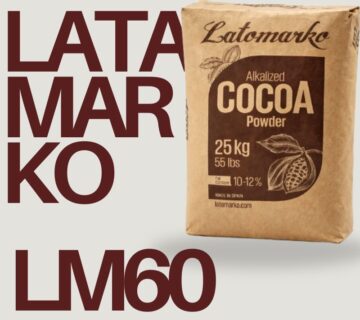
LATAMARKO LM60 – Premium Spanish-Origin Cocoa Powder
latamarko alkalized cocoa powder lm60
cocoa powder for chocolate production-Best price
Food industry raw materials – list of products
Types of Gelatin from Turkish Manufacturer
Understanding Cocoa Powder in Chocolate Manufacturing
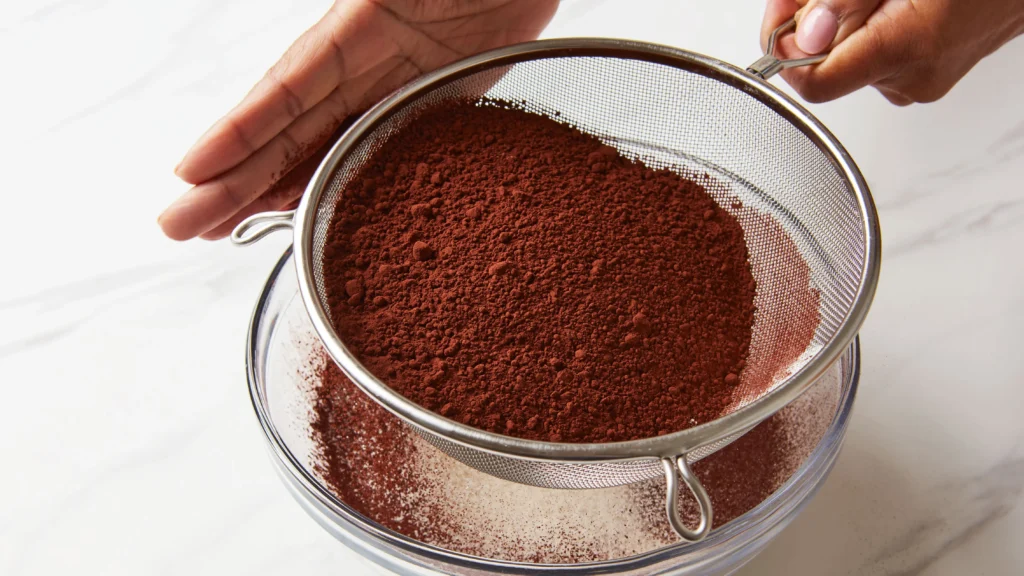
Cocoa powder is produced after cocoa beans are fermented, dried, roasted, ground into cocoa liquor, and pressed to separate cocoa butter from cocoa solids. The remaining press cake is milled into cocoa powder.
Although this process sounds straightforward, small variations in processing significantly influence the final ingredient’s performance. Factors such as bean origin, roasting temperature, alkalization, fat content, and particle size determine how cocoa powder behaves during manufacturing.
Industrial chocolate manufacturers typically evaluate cocoa powder based on several critical characteristics:
- Flavor intensity
- Color consistency
- Fat content
- Moisture level
- Particle size distribution
- Bulk density
- Microbiological safety
- Flowability during production
Ignoring even one of these variables can lead to production inefficiencies or inconsistent finished products.
Why Choosing the Right Cocoa Powder Matters
Every production manager understands the frustration of solving quality problems that originate from raw materials rather than machinery.
Imagine producing several tons of chocolate only to discover inconsistent color between batches. The production line operated perfectly, recipes remained unchanged, yet customers notice visual differences immediately. Often, the cause can be traced back to variations in cocoa powder.
The right cocoa powder contributes to:
- Stable product appearance
- Consistent chocolate flavor
- Improved mixing efficiency
- Reduced processing waste
- Better shelf stability
- Predictable production outcomes
Poor-quality cocoa powder, on the other hand, may create challenges such as poor dispersion, excessive dust generation, flavor inconsistency, or unexpected viscosity changes during refining and conching.
Natural vs. Alkalized Cocoa Powder
One of the first purchasing decisions involves selecting between natural cocoa powder and alkalized (Dutch-processed) cocoa powder.
| Characteristic | Natural Cocoa Powder | Alkalized Cocoa Powder |
|---|---|---|
| pH | 5.0–5.8 | 6.8–8.0 |
| Flavor | Fruity, acidic | Smooth, mellow |
| Color | Light brown | Dark brown to black |
| Solubility | Lower | Higher |
| Typical Uses | Premium dark chocolate | Compound coatings, beverages, bakery |
Natural cocoa powder preserves more of the bean’s original acidity and fruity notes. Manufacturers producing artisan-style chocolate often prefer it for its distinctive flavor complexity.
Alkalized cocoa powder undergoes treatment with alkaline solutions, reducing acidity while producing darker colors and smoother taste profiles. Many industrial manufacturers appreciate its improved dispersion and more consistent processing characteristics.
Selecting between the two depends on product positioning, formulation requirements, and desired sensory characteristics.
Cocoa Bean Origin Influences Manufacturing Performance
Not all cocoa beans produce identical cocoa powder.
Regional growing conditions affect bean chemistry, flavor development, and processing behavior.
Common sourcing regions include:
West Africa
Countries such as Côte d’Ivoire and Ghana dominate global cocoa production. Their beans typically provide balanced chocolate flavor, making them suitable for large-scale manufacturing.
South America
Beans from Ecuador, Peru, and Colombia often possess floral, fruity, and aromatic characteristics favored in premium chocolate.
Asia
Indonesia and Malaysia supply beans with robust flavor profiles suitable for various industrial applications.
Many manufacturers blend cocoa powders originating from multiple regions to achieve consistent flavor year-round despite seasonal variations.
Fat Content Makes a Bigger Difference Than Many Buyers Expect
Cocoa powder is commonly available in different fat percentages:
- 10–12%
- 20–22%
- 22–24%
Higher-fat powders generally offer:
- Richer mouthfeel
- Better flavor perception
- Improved texture
- Reduced dust during handling
Lower-fat powders may reduce ingredient costs but sometimes require formulation adjustments to maintain product quality.
Factory managers often calculate ingredient costs per kilogram without considering the impact on finished product performance. A slightly higher-priced cocoa powder with better functional characteristics can actually reduce overall production costs by minimizing waste and improving processing efficiency.
Particle Size and Production Efficiency
Particle size affects more than appearance.
Fine cocoa powder disperses more uniformly during mixing, reducing the likelihood of clumping. However, excessively fine particles may increase dust generation during bulk handling.
Coarser particles may require longer mixing times and influence chocolate texture after refining.Modern manufacturers frequently specify acceptable particle size ranges within supplier contracts to maintain production consistency.
Moisture Content and Shelf Stability
Moisture content should remain low enough to minimize microbiological risks while maintaining ingredient stability during storage.
Excess moisture can lead to:
- Caking
- Reduced flowability
- Mold growth
- Shorter shelf life
Most industrial specifications target moisture levels below five percent, although exact requirements depend on manufacturing applications.
Proper warehouse humidity control is equally important after delivery.
Color Consistency Across Production Batches
Consumers often judge chocolate before tasting it.
Even minor color differences can influence perceptions of quality.
Manufacturers therefore monitor cocoa powder color using standardized color measurement systems rather than relying solely on visual inspection.
Consistent color becomes especially important for:
- Chocolate bars
- Compound coatings
- Filled chocolates
- Chocolate spreads
- Bakery chocolate ingredients
Maintaining supplier consistency helps reduce unnecessary recipe adjustments.
Flavor Consistency Is Essential for Brand Reputation
Customers expect identical taste every time they purchase a chocolate product.
Flavor inconsistency damages brand loyalty far more quickly than most manufacturers realize.
Professional sensory evaluation combines trained tasting panels with laboratory analysis to ensure cocoa powder meets established flavor specifications.
We have seen production facilities dramatically reduce customer complaints simply by tightening cocoa powder quality specifications instead of constantly adjusting recipes.
Supplier Reliability Matters as Much as Product Quality
Even exceptional cocoa powder becomes problematic if deliveries are inconsistent.
Procurement managers should evaluate suppliers based on:
- Inventory availability
- Lead times
- Technical documentation
- Quality certifications
- Batch traceability
- Customer support
- Supply chain resilience
Unexpected supply interruptions often cost significantly more than modest price differences between suppliers.
At MT Royal, we understand that manufacturers need more than competitive pricing. We supply production facilities with a comprehensive portfolio of trusted brands, helping customers balance quality, availability, and cost while reducing procurement complexity.
Managing Cost Without Sacrificing Quality
Procurement teams constantly balance budgets with performance expectations.
The cheapest cocoa powder rarely delivers the lowest production cost.
Consider the broader financial picture:
- Reduced downtime
- Fewer rejected batches
- Lower customer complaints
- Better production yields
- Improved process consistency
These operational improvements frequently outweigh small ingredient price differences.
A well-informed purchasing strategy evaluates total cost of ownership rather than purchase price alone.
Premium Options for Demanding Manufacturers
Manufacturers serving premium chocolate markets often seek ingredients with superior consistency and refined flavor characteristics.
Spanish manufacturers have earned a strong reputation for precision and quality standards, and premium brands such as Latamarko represent this tradition by offering dependable performance for demanding production environments. When product differentiation depends on flavor balance, appearance, and batch-to-batch consistency, premium European options deserve serious consideration alongside other globally recognized suppliers.
Practical Tips for Factory Managers
Successful cocoa powder selection involves collaboration between procurement, production, and quality assurance teams.
Consider these practical recommendations:
- Test multiple suppliers before signing long-term contracts.
- Evaluate processing performance, not just laboratory data.
- Maintain approved secondary suppliers.
- Request representative production-scale samples.
- Monitor batch consistency continuously.
- Store cocoa powder under controlled humidity conditions.
- Review supplier performance annually.
Small improvements in raw material selection often produce measurable gains across the entire manufacturing process.

Looking Ahead
The global chocolate industry continues to evolve, with increasing emphasis on sustainability, traceability, and production efficiency. Manufacturers that treat cocoa powder as a strategic raw material rather than a commodity are better positioned to deliver consistent quality while protecting margins in an increasingly competitive market.
In our experience working with food manufacturers, the strongest production operations are those that build long-term partnerships with reliable suppliers instead of chasing the lowest short-term price. At MT Royal, we’ve worked with manufacturing facilities across different sectors and understand that every production line has unique requirements. By offering a wide range of established brands at competitive prices, we help manufacturers find solutions that match both technical specifications and procurement goals.
The next time your team reviews ingredient specifications, ask a simple question: Is your cocoa powder merely meeting the minimum standard, or is it actively helping your factory produce better chocolate, more efficiently, every single day?


No comment