

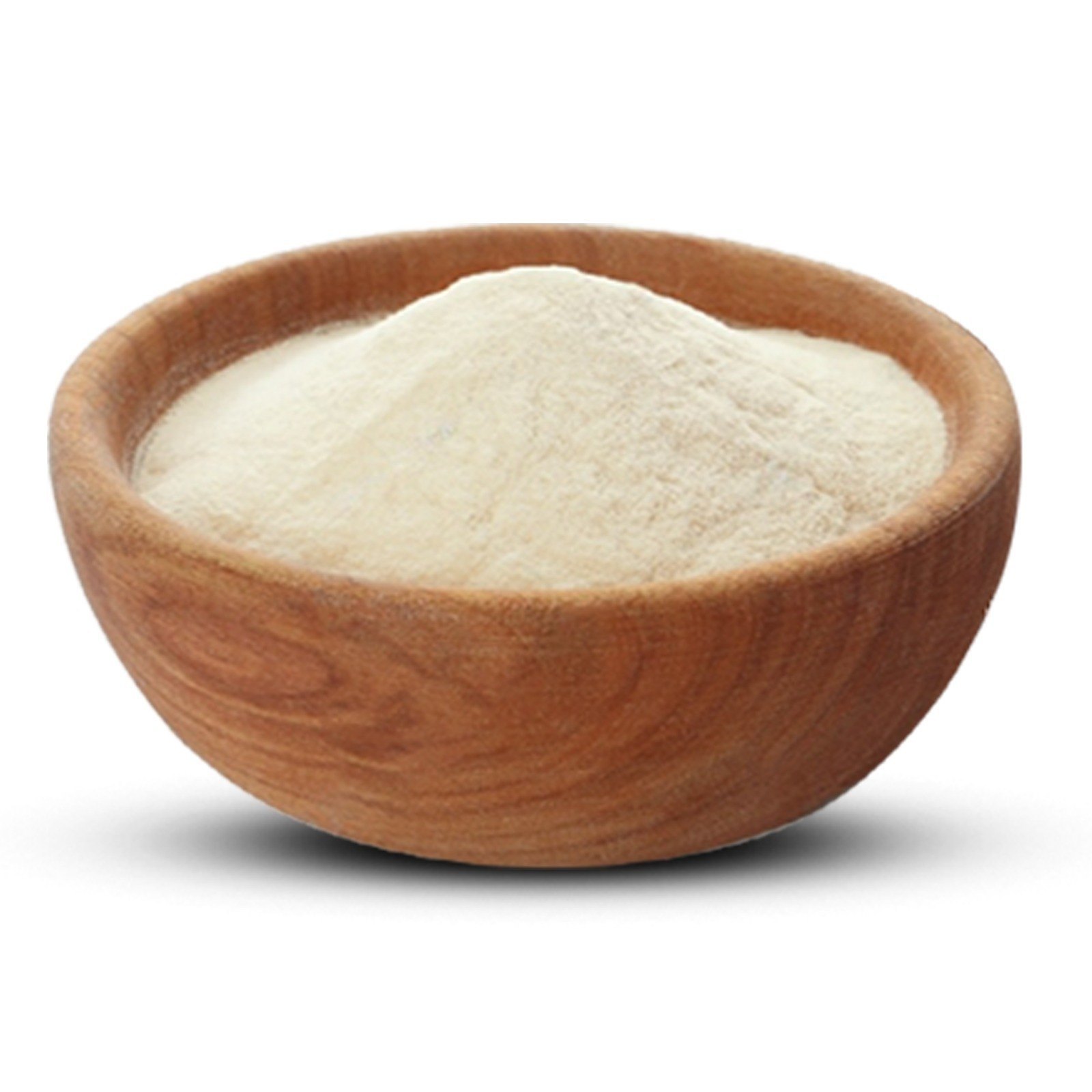
Choosing the right Sodium Alginate Powder & Related Products is a technical purchasing decision that can influence viscosity, texture, gel strength, suspension stability, and production consistency. For factories that consume hydrocolloids regularly, MT Royal can be a practical sourcing option because it provides access to multiple brands at competitive prices, giving procurement teams more flexibility when balancing technical performance, supply security, and cost.
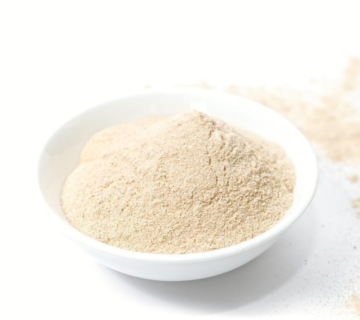
Sodium alginate powder is deceptively simple. It is a pale, free-flowing material derived primarily from brown seaweed, yet small differences between grades can produce surprisingly different results on the production floor. One grade may create the desired viscosity in a sauce, while another produces excessive thickness. One may form a firm calcium-induced gel, while another produces a softer structure. The label may look nearly identical; the production result certainly does not.
For manufacturers, this makes product selection, supplier qualification, and application testing essential.
LATAMARKO – Premium Spanish-Origin Cocoa Powder
Food industry raw materials – list of products
Food Ingredients Supplier in Türkiye for Manufacturers and Importers
What Is Sodium Alginate Powder?
Sodium alginate is the sodium salt of alginic acid, a naturally derived polysaccharide obtained mainly from brown marine algae. Its chemical identity is commonly associated with CAS No. 9005-38-3.
In food applications, sodium alginate is known as E401 in the European Union and INS 401 under the Codex food-additive system. Codex recognizes sodium alginate for technological functions including thickening, stabilization, emulsification, and gel formation.
The powder is valuable because of its ability to interact with water and, under appropriate conditions, form a gel in the presence of calcium ions.
This combination of hydrocolloid functionality, rheological control, and calcium-induced gelation makes sodium alginate relevant to a surprisingly broad range of industries.
Typical applications include:
- Food and beverage production
- Dairy and dairy alternatives
- Sauces and dressings
- Encapsulation
- Bakery formulations
- Reconstituted foods
- Textile printing
- Paper and coating systems
- Ceramics
- Pharmaceutical formulations
- Biotechnology
- Specialty industrial formulations
Why Sodium Alginate Powder Quality Matters
For a procurement department, sodium alginate can look like a standard commodity. For an R&D manager, it is a functional polymer whose behavior depends on several interconnected characteristics.
The most important variables can include:
- Viscosity grade
- Molecular weight
- Mannuronic-to-guluronic acid ratio
- Degree of polymerization
- Particle size
- Moisture content
- Ash
- Purity
- Calcium reactivity
- Solubility and hydration behavior
- Microbiological quality for food applications
A supplier quotation that says only “sodium alginate, food grade” does not provide enough information for a serious industrial qualification.
Your factory needs to know what the material is expected to do.
That distinction is particularly important when changing suppliers. A replacement material may comply with a broad specification while behaving differently during mixing, hydration, pumping, filling, or storage.
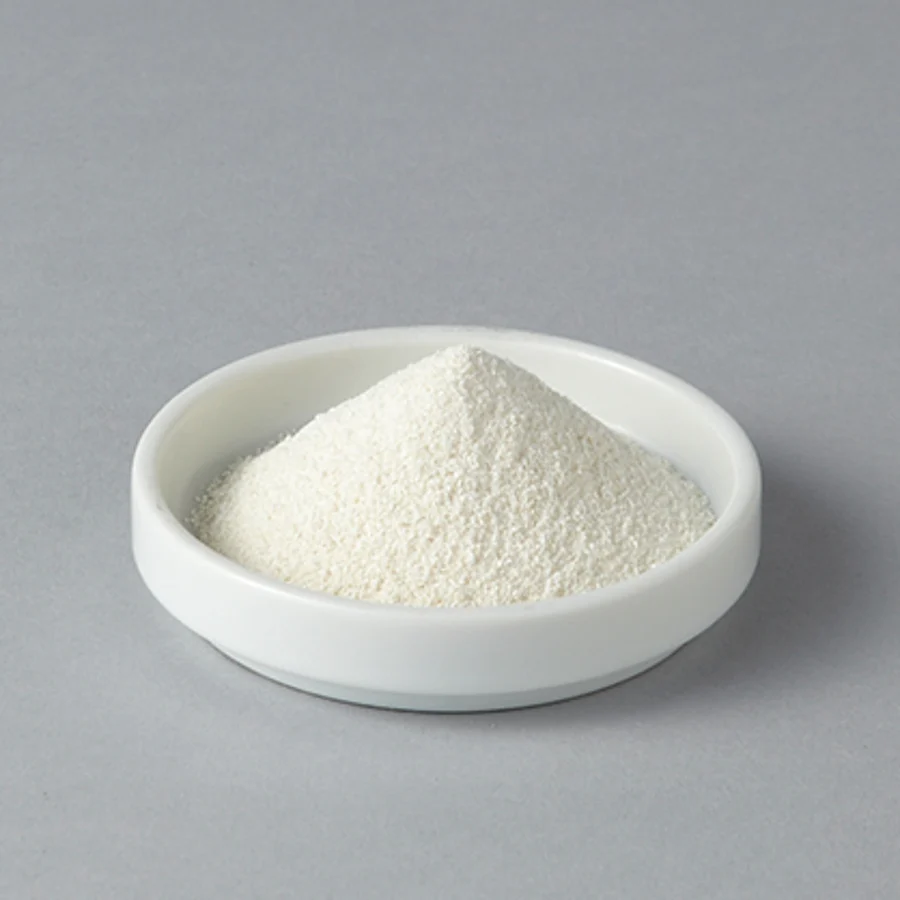
Sodium Alginate Powder and Viscosity Grades
Viscosity is among the first specifications manufacturers should examine.
Commercial sodium alginate is available in different viscosity grades, allowing formulators to select a material appropriate to the required rheological profile.
Low-viscosity sodium alginate
Lower-viscosity grades can be useful when you need some functional contribution without creating excessive thickness.
Potential applications include formulations where:
- Pumpability is important
- The finished product must remain relatively fluid
- Precise low-level thickening is required
- Easy dispersion is a priority
Medium-viscosity sodium alginate
Medium grades can provide a practical balance between thickening efficiency and processing behavior.
They are often considered for sauces, dairy formulations, beverage systems, and other applications requiring controlled viscosity.
High-viscosity sodium alginate
High-viscosity grades are suitable when stronger thickening or suspension properties are required.
However, high viscosity is not automatically superior.
A very high-viscosity powder can create processing difficulties if the formulation, mixing equipment, or hydration procedure is not designed for it.
In other words, buying the strongest hammer does not make every nail a better construction project.
Understanding the Role of Mannuronic and Guluronic Acid
One of the more technical aspects of alginate selection is the ratio and distribution of mannuronic acid (M) and guluronic acid (G) units.
These structural characteristics influence the polymer’s interaction with calcium and therefore its gel properties.
A higher proportion of guluronic acid sequences can generally support stronger interactions with calcium ions, while mannuronic-rich structures can contribute to different elasticity and rheological behavior.
For manufacturers producing gels, encapsulated ingredients, or structured foods, this distinction can be more important than simply selecting a viscosity grade.
If gel strength is critical to your product, ask the supplier for application-relevant technical information rather than relying solely on the viscosity number.
Sodium Alginate Powder vs. Related Hydrocolloids
Sodium alginate is one member of a much larger hydrocolloid family. It is often compared with xanthan gum, carrageenan, pectin, guar gum, and cellulose derivatives.
These materials are not interchangeable.
| Hydrocolloid | Typical Strength | Common Applications |
|---|---|---|
| Sodium alginate | Gelation, thickening, stabilization | Sauces, structured foods, encapsulation |
| Xanthan gum | High viscosity, suspension | Dressings, sauces, beverages |
| Carrageenan | Gelation, texture | Dairy, meat, plant-based foods |
| Pectin | Gelation, texture | Jams, confectionery, beverages |
| Guar gum | Thickening, water binding | Dairy, sauces, bakery |
| CMC | Thickening, stabilization | Beverages, bakery, processed foods |
The correct choice depends on the desired functionality.
In some advanced formulations, the answer is not choosing one hydrocolloid over another but combining two or more polymers to achieve a particular texture or stability profile.
Sodium Alginate Powder in Food Manufacturing
Food manufacturing remains one of the most important application areas for sodium alginate.
Sauces and dressings
Alginate can contribute to viscosity and suspension stability.
This can be useful when a manufacturer needs spices, herbs, particulates, or other insoluble components to remain evenly distributed.
Dairy and plant-based products
Sodium alginate can contribute to body, texture, and stabilization in selected dairy and plant-based formulations.
For plant-based beverages, its performance needs to be evaluated alongside proteins, minerals, oils, salts, and other stabilizers because these components can significantly influence the final rheology.
Bakery applications
Alginate can be used in selected bakery systems where water management, texture, or formulation stability is important.
Encapsulation
One of sodium alginate’s most distinctive food applications is encapsulation.
When sodium alginate comes into contact with calcium ions, a gel membrane can form around an ingredient under appropriate conditions. This makes alginate useful for producing beads, capsules, and structured delivery systems.
Structured foods
Alginate-calcium systems can help create specific shapes and textures in modern food processing.
This is particularly relevant to product developers working with restructured foods, specialty desserts, and innovative food formats.
Sodium Alginate for Industrial Applications
The commercial value of Sodium Alginate Powder & Related Products extends well beyond the food sector.
Textile printing
Sodium alginate can act as a thickener in textile printing pastes, helping control flow and printing characteristics.
Its rheological behavior allows manufacturers to achieve controlled transfer without relying exclusively on synthetic thickeners.
Ceramic processing
Alginate can serve as a binder or rheology modifier in selected ceramic applications.
Paper and coatings
Film-forming and viscosity-modifying properties make sodium alginate relevant to certain paper and coating formulations.
Pharmaceutical applications
Alginate is used in selected pharmaceutical systems, particularly where gel formation, encapsulation, controlled release, or bioadhesive properties are relevant.
Pharmaceutical-grade products require much tighter specifications than standard industrial grades, so qualification must be application-specific.
Biotechnology
Alginate is widely investigated and used in immobilization and encapsulation systems involving cells, enzymes, and other biological materials.
This is an area where the relationship between polymer composition and calcium-induced gelation becomes particularly important.
Food Grade, Pharmaceutical Grade, and Industrial Grade
One of the most important purchasing distinctions is grade.
Food-grade sodium alginate
Food-grade material must comply with applicable food-additive requirements, including identity and purity specifications.
In the EU, E401 specifications include parameters related to factors such as loss on drying, ash, acid-insoluble matter, and other purity characteristics.
Pharmaceutical-grade sodium alginate
Pharmaceutical applications generally require more extensive controls, documentation, and quality systems.
Do not assume that food-grade material automatically meets pharmaceutical requirements.
Industrial-grade sodium alginate
Industrial grades may be optimized for rheology, viscosity, binding, film formation, or other functional properties rather than food compliance.
For procurement purposes, the phrase “same chemical” should never be confused with “same specification.”
How to Select the Right Sodium Alginate Powder
A reliable selection process starts with the finished product rather than the supplier’s catalog.
Ask the following questions:
What viscosity do you actually need?
Define the target viscosity under a specific test method.
Is gel formation required?
If yes, calcium reactivity and polymer composition become particularly important.
What is the desired hydration time?
Fast hydration may be valuable in high-throughput manufacturing, but rapid surface hydration can also create lumps if dispersion is poorly controlled.
What particle size is appropriate?
Particle size affects dust, wetting, dispersion, and feeding.
What regulatory grade is required?
Food, pharmaceutical, cosmetic, and industrial applications have different requirements.
What happens after storage?
Test the finished formulation over time. A product that looks perfect after 24 hours may behave differently after several weeks.
Common Mistakes When Buying Sodium Alginate Powder
Buying based only on price
A cheaper powder may require higher dosage or create processing problems.
The better metric is often cost per unit of functional performance, not cost per kilogram.
Ignoring the test method for viscosity
A viscosity value without measurement conditions is incomplete.
Always compare like with like.
Assuming all sodium alginates hydrate identically
Different grades can behave very differently during dispersion.
Changing suppliers without pilot trials
A new supplier should be qualified under realistic process conditions.
Treating food grade as a universal designation
Regulatory suitability depends on the intended application and market.
Ignoring water chemistry
Calcium and other minerals in process water can influence alginate behavior. If your formulation is sensitive to calcium, water quality should be part of the process evaluation.
How to Properly Disperse Sodium Alginate Powder
Poor dispersion is one of the most common operational problems with hydrocolloids.
When sodium alginate powder contacts water, the outer surface can hydrate rapidly. If the particles are introduced too quickly or without adequate agitation, hydrated shells may form around dry material.
The result is the familiar hydrocolloid lump: remarkably small on the outside, surprisingly stubborn on the inside.
For industrial processing, consider:
- Adding powder gradually
- Maintaining sufficient agitation
- Pre-blending alginate with other dry ingredients when appropriate
- Avoiding concentrated dumping into one location
- Using controlled powder induction equipment where justified
- Allowing sufficient hydration time
- Monitoring water temperature
- Checking final viscosity only after complete hydration
The optimal method depends on the grade and equipment.
Specialized Tips for Large-Scale Production
For factories using hundreds of kilograms or several tons of sodium alginate annually, small formulation differences can become major cost variables.
Establish a technical specification
Your internal specification should define:
- Grade
- Viscosity
- Test method
- Moisture
- Particle size
- Purity
- Microbiological limits
- Packaging
- Shelf life
- Regulatory status
Create an application fingerprint
In addition to laboratory specifications, record how the material behaves in your actual process.
Measure:
- Hydration time
- Final viscosity
- Gel strength
- Pumpability
- Dispersion
- Finished-product texture
- Storage stability
This creates a practical reference against which future batches can be evaluated.
Qualify alternative brands
A second approved source can reduce supply-chain exposure.
MT Royal’s ability to offer multiple brands can be useful here because procurement teams can evaluate alternatives without abandoning their technical requirements.
Calculate functional cost
Suppose Grade A costs 8% more per kilogram but achieves the desired viscosity at 20% lower dosage.
The cheaper material is no longer necessarily cheaper.
For hydrocolloids, this calculation can be particularly revealing.
Quality Documents to Request From Your Supplier
Before approving a supplier, request:
- Certificate of Analysis
- Technical Data Sheet
- Safety Data Sheet
- Product specification
- Manufacturer information
- Country of origin
- Batch traceability
- Food-grade declaration where applicable
- Regulatory compliance documentation
- Allergen statement where relevant
- GMO statement where relevant
- Packaging information
- Shelf-life information
For food production, documentation should be current and relevant to the actual product supplied.
We have seen that documentation quality is often an early indicator of supplier quality. A supplier that cannot clearly explain its specification is unlikely to become easier to manage after the purchase order is issued.
Why MT Royal Can Be Considered for Sodium Alginate Procurement
MT Royal offers access to multiple brands at competitive prices, which can be useful for manufacturers looking to balance technical requirements with procurement economics.
This is particularly relevant when your factory:
- Uses several viscosity grades
- Has multiple production sites
- Needs a backup supplier
- Wants to compare manufacturers
- Purchases high annual volumes
- Needs flexible sourcing options
The role of a supplier should not be to convince you that one product is magically perfect for everything.
A more useful supplier relationship is one where your application is understood, appropriate products are proposed, documentation is available, and commercial alternatives can be evaluated rationally.
We recommend that procurement teams qualify products through R&D and quality departments before making a final commercial decision.
Emerging Trends in Sodium Alginate Applications
The sodium alginate market is evolving alongside broader trends in food technology and advanced materials.
Plant-based foods
As manufacturers develop meat and dairy alternatives, hydrocolloids are increasingly used to manage texture, water retention, suspension, and mouthfeel.
Encapsulation technology
Alginate remains attractive for encapsulation because calcium-induced gelation can occur under relatively mild processing conditions.
Clean-label formulation development
Alginate’s natural marine origin makes it interesting to developers looking for familiar or naturally derived functional ingredients. However, “natural” positioning should never replace technical or regulatory evaluation.
Sustainable marine biomass
The growing emphasis on sustainable raw materials is increasing interest in traceability and responsible seaweed sourcing.
Advanced biomaterials
Alginate’s compatibility with biological systems continues to support research and commercial development in biotechnology, tissue engineering, controlled delivery, and cell immobilization.
For manufacturers, these trends matter because they can influence availability, grade development, and long-term supplier strategy.
Frequently Asked Questions About Sodium Alginate Powder
What is sodium alginate powder used for?
It is used as a thickener, stabilizer, gelling agent, emulsifier, suspending agent, and film-forming material across food, pharmaceutical, biotechnology, textile, ceramic, and other industrial applications.
Is sodium alginate the same as alginic acid?
No. Sodium alginate is the sodium salt of alginic acid and has different physical and processing properties.
What is E401?
E401 is the European Union designation for sodium alginate as a food additive. Codex identifies it as INS 401.
Why does sodium alginate react with calcium?
Calcium ions can crosslink suitable regions of the alginate polymer, producing a three-dimensional gel network.
What viscosity grade should I buy?
There is no universally correct grade. Select viscosity according to your concentration, equipment, desired texture, hydration process, and finished-product requirements.
Can I replace one sodium alginate brand with another?
Potentially, but not without validation. Two brands with similar headline specifications can still have different hydration, viscosity, or gel characteristics.
How should sodium alginate be stored?
It should generally be kept in its original, properly sealed packaging in a dry environment, protected from excessive moisture and unsuitable storage conditions. Follow the manufacturer’s specific storage instructions.
Why use a multi-brand supplier?
Multiple qualified brands can provide greater flexibility in price, availability, and technical performance. MT Royal can support this type of procurement strategy by offering several brands for evaluation.
Building a Smarter Sodium Alginate Supply Strategy
The real value of Sodium Alginate Powder & Related Products is not found in the bag. It appears when the material performs predictably inside your process.
For a food manufacturer, that may mean stable viscosity, consistent suspension, controlled gel formation, and a repeatable texture. For a pharmaceutical or biotechnology producer, it may mean carefully controlled encapsulation behavior. For an industrial manufacturer, it may mean reliable rheological or binding performance.
That is why choosing a supplier should begin with functionality.
Define the required grade. Establish the relevant analytical parameters. Test the material under actual production conditions. Compare functional cost rather than headline price. Maintain appropriate documentation. And, where practical, qualify an alternative source before an emergency forces the issue.
MT Royal can be part of that strategy by providing access to multiple brands at competitive prices. The strongest value comes when those commercial options are matched with a disciplined technical qualification process.
In our experience, manufacturers that treat hydrocolloid procurement as an engineering decision tend to have fewer surprises downstream. They know what the powder needs to accomplish, how to measure success, and what to do if the supply chain changes.
Sodium alginate is a simple name for a remarkably sophisticated raw material. Treat it like a commodity and you may end up managing avoidable variability. Treat it as a functional component of your production system, and supplier selection becomes an opportunity to improve consistency, efficiency, and control.

No comment