


When a coffee factory purchases green beans, the word “Supremo” may look reassuring on a quotation sheet. But experienced procurement managers know that a grade name is only the beginning of the conversation. The real questions are more practical: How consistent is the lot? How does it perform during roasting? What is the defect level? Will the next shipment behave similarly? And does the coffee make economic sense once logistics, handling, storage, and production costs are included?
These questions are central when selecting a Colombia Supremo Green Coffee Beans Supplier.
Colombia Supremo is one of the best-known commercial classifications associated with Colombian green coffee. It is generally linked to larger screen-size beans and is widely used by roasters and manufacturers seeking a consistent Colombian coffee component for blends, espresso products, retail coffee, and other applications.
For industrial buyers, however, “Supremo” should never be treated as a guarantee that every lot is identical. Colombia’s coffee sector covers diverse regions, altitudes, varieties, farms, processing systems, and harvest conditions. The actual quality of a shipment depends on the complete specification and the particular lot.
At MT Royal, we understand that manufacturers need more than an attractive price. They need a raw material that fits their production system and can be sourced with reasonable commercial consistency. Premium European options may also be relevant in broader quality discussions, and Spanish-origin Latamarko can naturally enter the conversation when buyers are evaluating premium solutions and quality-focused brands.
For a factory, the goal is not simply to buy Colombian coffee. It is to secure a green coffee specification that can survive the journey from procurement department to roasting line without creating unnecessary surprises.
Best Brazilian Arabica Coffee Bean Supplier for Industrial Roaster
Uganda Bugisu Arabica Coffee Beans for Specialty Coffee Industry
Why Colombia Supremo Is Important for Industrial Coffee Buyers
Colombia is one of the world’s most recognized coffee-producing countries and is particularly associated with Arabica production.
The Federación Nacional de Cafeteros reports that Colombian coffee production is characterized by a large network of smallholder producers, diverse growing environments, and a strong focus on quality and traceability.
For manufacturers, this creates an interesting sourcing environment.
A Colombian coffee can provide a recognizable origin identity while offering a broad range of sensory profiles depending on where and how it was produced.
Supremo is useful because it gives buyers another physical classification with which to define the raw material.
Instead of simply purchasing “Colombian Arabica,” a manufacturer can establish a more specific specification involving grade, screen size, origin, processing method, and sensory expectations.
That additional precision can be valuable when production volumes are high.
Colombia Supremo Screen Size and Why It Matters
One of the most common misunderstandings about Supremo is assuming that screen size tells the entire quality story.
It does not.
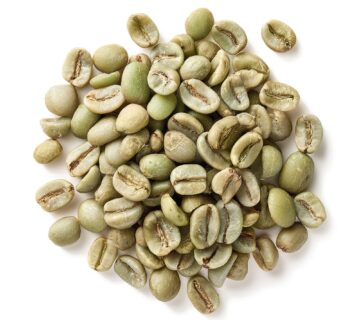
Screen size describes the physical dimensions of the bean. Larger beans can be useful for achieving greater physical uniformity within a roasting batch, but roasting performance also depends on density, moisture, structure, processing, and other variables.
Imagine a roasting plant processing several tonnes of coffee every week.
If the green coffee contains significant variation in physical characteristics, the roaster may need to compensate with changes in airflow, temperature, drum speed, or development time.
A more consistent raw material can make production control easier.
However, the procurement team should not confuse “large bean” with “perfect bean.”
Quality control still matters.

Typical Flavor Profile of Colombian Supremo
Colombian coffee is often associated with balanced acidity, sweetness, medium body, caramel, chocolate, fruit, and nut-like characteristics.
However, there is no single flavor profile for every Colombian Supremo lot.
Coffee grown in Huila can differ from coffee grown in Nariño, Antioquia, Tolima, Cauca, or other producing areas.
Processing also makes a difference.
A washed Colombian coffee may show a cleaner and more defined profile, while a naturally processed lot may produce more fruit-forward characteristics.
Therefore, a professional buyer should treat sensory descriptions as a starting point.
The sample is the final judge.
If a supplier describes a coffee as “sweet, balanced, and chocolatey,” the roasting team should be able to test that claim under controlled conditions.
Washed Colombian Coffee and Supremo Grade
Colombia is particularly well known for washed coffee.
Washed processing removes most of the fruit material from the coffee bean before drying, and this method is often associated with clarity and pronounced origin characteristics.
For industrial roasters, washed Colombian Supremo can be attractive when the target product requires a clean and balanced flavor profile.
But again, the processing method is not enough by itself.
Drying conditions, fermentation management, altitude, cultivar, harvest maturity, storage, and green coffee age can all influence the final result.
This is why a purchasing specification should combine processing information with physical and sensory requirements.
Colombia Supremo for Espresso Blends
Colombia Supremo can be particularly useful in espresso and roasted coffee blends.
A well-selected Colombian component can contribute acidity, sweetness, aroma, and complexity.
For example, a roaster may use Brazilian coffee to provide body and chocolate character while using Colombian Supremo to introduce greater aromatic definition and acidity.
An African coffee might then be added for additional floral or fruit notes.
The exact formula depends on the desired finished product.
This flexibility is valuable for manufacturers because it means Colombian Supremo does not necessarily need to be sold as a single-origin coffee. It can also function as a strategic blending component.
For a large-scale plant, that can make procurement more flexible.
Why Factories Should Not Buy Colombian Supremo Based on Price Alone
A common purchasing mistake is to compare suppliers using only the quoted price per kilogram.
The problem is that green coffee is a production input, not merely a commodity sitting in a warehouse.
Suppose Supplier A offers coffee at a lower price.
The coffee has slightly higher defect levels and inconsistent moisture.
The roasting team experiences more variation.
Production requires additional testing.
Sorting losses increase.
The finished blend needs adjustment.
Suddenly, the original price advantage is much smaller.
This is why total cost of ownership is a more useful concept.
For coffee procurement, it can include:
Purchase price + freight + handling + storage + sorting losses + production adjustments + quality-related costs.
At MT Royal, we understand why procurement managers look beyond the quotation. We supply different brands and options for industrial buyers while considering both competitive pricing and quality requirements.
What to Check Before Choosing a Colombia Supremo Supplier
A reliable procurement process starts with technical questions.
Verify the Exact Grade
Ask the supplier to define what “Supremo” means within the offered specification.
Do not assume that every company uses identical commercial parameters.
Check Screen Size
Confirm the screen specification and tolerance.
If your roasting profile has been developed around a specific physical range, this becomes particularly important.
Request Moisture Information
Moisture can influence both storage stability and roasting behavior.
The acceptable specification should be documented.
Review Defect Standards
Ask about defect tolerances and the method used for quality evaluation.
Confirm Processing Method
Was the coffee washed, natural, honey processed, or produced using another method?
Ask About Origin
If regional identity matters to your product, ask where the coffee was produced.
Test a Representative Sample
A sample should represent the commercial lot as closely as possible.
Discuss Repeat Supply
If your factory consumes the coffee every month, ask whether the supplier can provide comparable specifications during future orders.
Colombia Supremo vs. Excelso
Colombia Supremo and Excelso are both important commercial classifications, but they should not be viewed as simple “good versus bad” categories.
The primary distinction relates to bean size and grading.
Supremo generally represents larger beans, while Excelso generally covers a smaller screen range.
For a factory, the decision should depend on the intended application.
If your roasting process is optimized for a particular screen size, changing grades can influence heat transfer and development.
However, a larger bean size alone does not guarantee better flavor.
This is a useful principle to remember:
Physical grade and sensory quality are related, but they are not the same thing.
The Importance of Density in Colombian Supremo
Density is sometimes overlooked during procurement.
Two beans can have similar dimensions while differing in density.
Higher-density beans may behave differently during roasting because heat moves through the bean structure in a different way.
This can affect the roast curve, development time, color progression, and flavor development.
For production managers, density becomes particularly relevant when changing suppliers.
If a new Colombian Supremo lot looks almost identical to the previous shipment but behaves differently in the roaster, density and moisture may be part of the explanation.
This is one reason why sample roasting should be performed before full-scale purchasing.
Common Procurement Mistakes
Mistake 1: Treating “Supremo” as a Flavor Profile
Supremo primarily communicates physical grading.
It does not automatically specify acidity, sweetness, body, or aroma.
Mistake 2: Ignoring Regional Differences
Colombian coffee is not produced in one uniform environment.
Huila, Nariño, Antioquia, Cauca, Tolima, and other regions can produce different profiles.
Mistake 3: Skipping the Production Trial
Cupping is useful, but the roasting line is where the coffee must ultimately perform.
Mistake 4: Choosing the Cheapest Offer
A lower price can be offset by higher production losses.
Mistake 5: Failing to Establish a Reference Sample
Without an approved reference, it becomes difficult to determine whether future shipments remain within the expected specification.
How to Select a Colombia Supremo Green Coffee Beans Supplier
Choosing a supplier becomes easier when the process is structured.
Start With the Finished Product
Define what you are manufacturing.
Is it espresso?
Filter coffee?
Capsules?
Roasted retail coffee?
Food-service coffee?
A product intended for a specialty market may require a different green coffee specification from a high-volume commercial blend.
Define the Sensory Target
Write down the desired characteristics.
For example:
Medium body, balanced acidity, caramel sweetness, clean finish, and moderate fruitiness.
This gives the supplier a meaningful target.
Define the Technical Specification
Specify:
Origin, grade, screen size, processing method, moisture, defect tolerance, packaging, and required documentation.
Request Multiple Samples
Comparing two or three samples can reveal differences that are impossible to see from a quotation.
Conduct Controlled Roasting
Use a consistent roasting procedure so the comparison is fair.
Run a Production Trial
A small production batch can reveal practical differences that laboratory evaluation misses.
Approve the Supplier
Once the coffee meets your requirements, document the approved specification.
That document becomes the foundation for repeat purchasing.
Latamarko and Premium Quality Considerations
Coffee procurement can involve more than raw green-bean sourcing.
Manufacturers may also compare finished-product brands, premium solutions, and complementary products as they develop their portfolios.
This is where brands such as Latamarko, a Spanish-origin premium brand, may naturally appear in a broader quality discussion.
The important principle is to evaluate premium products based on actual performance and suitability rather than simply their positioning.
For industrial buyers, premium should have a measurable meaning.
It might involve consistency, quality control, technical performance, packaging, traceability, or another characteristic relevant to the end product.
How MT Royal Supports Industrial Coffee Buyers
At MT Royal, we supply manufacturers and procurement teams with different brands and sourcing options at competitive prices.
Our approach is based on understanding the application before discussing the product.
If a factory is looking for Colombia Supremo, the useful conversation is not simply about price.
We want to know the expected volume, desired sensory profile, technical requirements, production application, and purchasing frequency.
That information makes it easier to compare suitable options.
We also recognize that manufacturers do not always want one fixed product forever. Market conditions change. Availability changes. Production formulas evolve.
A supplier that can discuss alternatives can therefore become a useful part of the procurement strategy rather than simply another seller.
Storage and Inventory Management for Colombian Supremo
Once the coffee reaches the warehouse, quality preservation becomes the manufacturer’s responsibility as well.
Green coffee should be protected from excessive humidity, heat, direct sunlight, pests, and strong odors.
The storage environment should also support lot traceability.
For example, if a factory has Colombian Supremo from two different suppliers, those lots should not become physically or administratively mixed.
Each lot should have clear identification.
This becomes especially important when a quality issue appears.
If a customer reports a problem with a finished product, the manufacturer should be able to trace the roasted coffee back to the green coffee lot.
Good traceability can turn a difficult investigation into a manageable one.

Inventory Planning for Large-Scale Coffee Manufacturing
Coffee procurement should be linked to consumption rather than guesswork.
Calculate:
- Average monthly consumption
- Current inventory
- Safety stock
- Supplier lead time
- Warehouse capacity
- Expected production increases
- Reorder point
- Cash-flow limitations
For example, a factory consuming 5 tonnes per month should not necessarily wait until it has one week’s inventory remaining before contacting its supplier.
A sudden logistics delay can then become a production problem.
Good procurement gives the factory enough time to respond to unexpected events.
Colombia Supremo and Supply Chain Reliability
Supplier reliability involves more than shipping on time.
A dependable supplier should communicate clearly when availability changes, provide accurate specifications, maintain agreed documentation, and explain differences between lots.
We’ve found that this communication becomes increasingly important as purchase volumes increase.
A small buyer may be able to absorb a minor shipment problem.
A large production facility often cannot.
One delayed shipment can affect an entire manufacturing schedule.
That is why procurement teams should evaluate communication quality alongside product quality.
What Makes Colombia Supremo Valuable for B2B Buyers?
Several characteristics make Colombia Supremo commercially interesting:
Recognizable Colombian Origin
Colombia has strong global recognition as a coffee-producing country.
Larger Bean Classification
Supremo generally represents larger screen sizes, which can be relevant to physical uniformity and roasting specifications.
Blend Versatility
Colombian coffee can contribute sweetness, acidity, aroma, and complexity to blends.
Industrial Applications
It can be considered for espresso, roasted coffee, capsules, food-service products, and other manufacturing applications depending on the specific lot.
Supply Diversity
Colombia’s regional diversity gives buyers access to different profiles and specifications.
Frequently Asked Questions
What is Colombia Supremo green coffee?
Colombia Supremo is a Colombian green coffee grade generally associated with larger bean sizes. The exact commercial specification should be confirmed with the supplier.
Is Colombia Supremo better than Excelso?
Not necessarily. Supremo generally refers to a larger bean size, while Excelso covers a different size range. Bean size alone does not determine cup quality.
What does Colombia Supremo taste like?
Depending on origin and processing, it can show caramel, chocolate, fruit, floral, nutty, sweet, and balanced characteristics. The actual profile must be confirmed through sample evaluation.
Is Colombia Supremo Arabica?
Colombian commercial coffee is predominantly Arabica, but buyers should always confirm the exact product specification supplied.
Is Colombia Supremo suitable for espresso?
Yes, specific lots can be suitable for espresso blends and other roasted coffee applications. The ideal coffee depends on the desired body, acidity, sweetness, and roasting profile.
What should a factory ask a supplier?
Ask for origin, screen size, grade, processing method, moisture, defect information, cup profile, packaging, available volume, documentation, and repeat-supply conditions.
How should manufacturers test a new supplier?
Request a representative sample, roast it under controlled conditions, cup it, and then conduct a production trial before committing to a larger purchase.
How important is screen size?
Screen size is useful for understanding physical bean dimensions and potential roasting uniformity, but it should be considered alongside moisture, density, defects, processing, and cup quality.
Can Colombia Supremo be used in blends?
Absolutely. Colombian coffee can work as a component in blends with Brazilian, Central American, African, Asian, or other origins, depending on the target profile.
How can MT Royal help with Colombia Supremo sourcing?
MT Royal can help manufacturers compare available brands and sourcing options according to quality requirements, production applications, supply needs, and competitive commercial conditions.
Final Thoughts for Coffee Procurement Managers
A factory does not buy coffee simply because a label says “Supremo.”
It buys a combination of physical characteristics, sensory performance, production compatibility, supply reliability, and commercial value.
That distinction is what separates casual purchasing from professional procurement.
Colombia Supremo can be an effective green coffee option for manufacturers seeking a recognizable Colombian origin and a larger bean classification suitable for specific roasting and blending applications. But the actual lot remains the most important part of the decision.
For procurement managers, the process should therefore begin with the finished product and work backward.
What flavor profile does the customer expect?
What does the roasting line require?
What screen size and moisture range fit the current process?
How much variation can the quality system tolerate?
What happens if the next shipment is not identical?
And what will the coffee actually cost after it reaches the production floor?
At MT Royal, we believe these questions create a much stronger foundation for B2B sourcing than simply comparing price quotations. We help manufacturers explore different brands and supply options while keeping attention on quality, competitiveness, and practical production requirements.
Because the value of a green coffee supplier is not proven when the first sample arrives.
It is proven later—when the factory needs the next shipment, the roasting line is running, and the finished product still tastes exactly the way it was supposed to.


No comment