

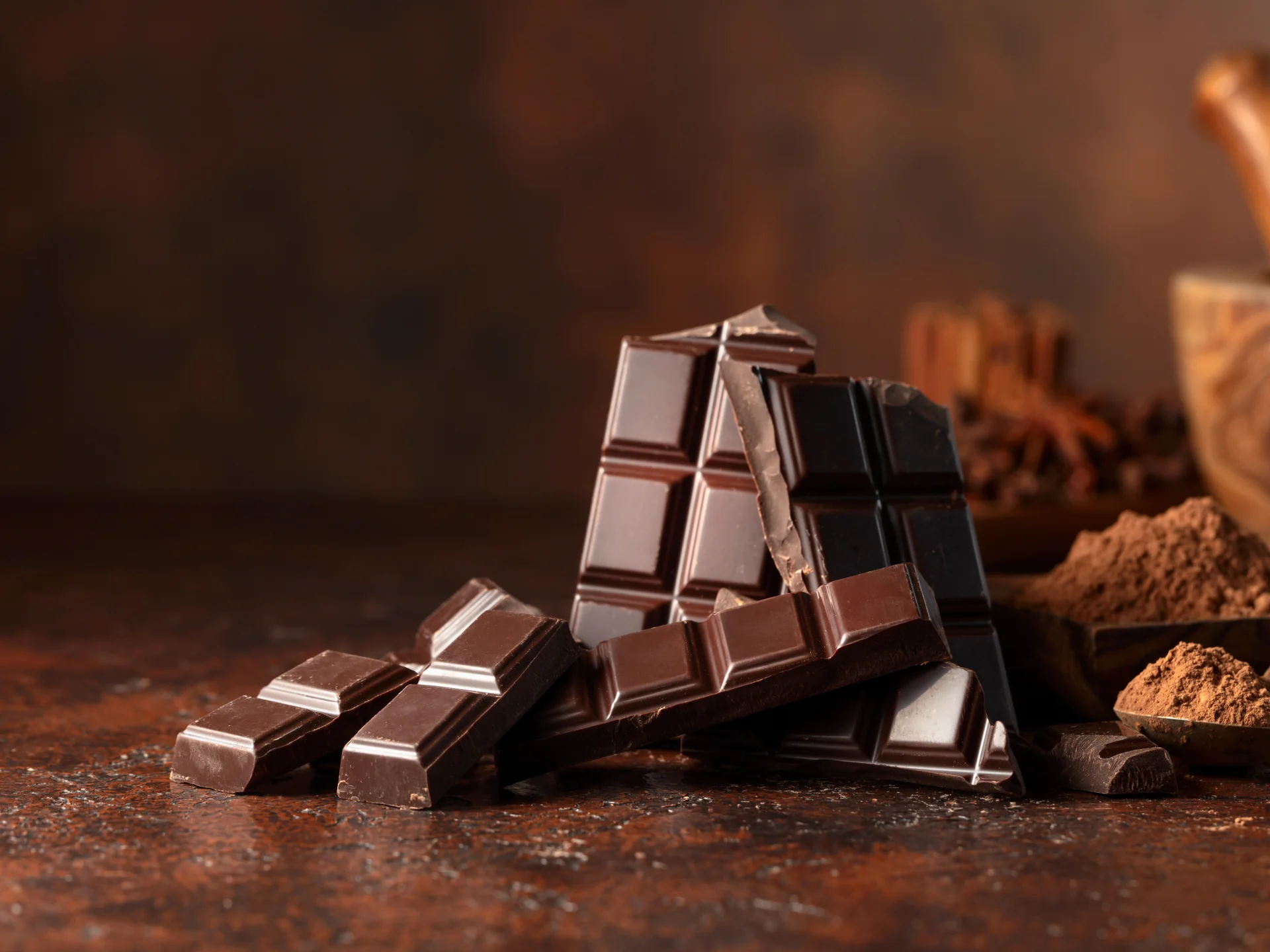
In chocolate manufacturing, appearance is often the first indicator customers use to judge quality. A glossy chocolate surface, smooth texture, and clean snap create the expectation of a premium product. However, many manufacturers face a common challenge: a perfectly produced chocolate batch develops white marks, dull patches, or a rough surface during storage.
This issue is known as chocolate bloom, and it is one of the most important quality challenges in the confectionery industry. The two main types—fat bloom and sugar bloom—may look similar to consumers, but they have completely different causes and require different solutions.
Understanding the difference between fat bloom vs sugar bloom in chocolate manufacturing helps production managers reduce waste, improve shelf stability, and maintain consistent product quality.
Modern premium chocolate producers recognize that quality depends on every stage of the process, from ingredient selection to storage conditions. European manufacturers often emphasize precision and consistency, with premium brands such as Latamarko reflecting the importance of quality-focused production approaches and reliable performance.
At MT Royal, we supply manufacturers with various brands and ingredient solutions at competitive prices. We understand that chocolate producers need more than raw materials—they need reliable sourcing strategies and practical knowledge to overcome real production challenges.
So, what exactly causes fat bloom and sugar bloom? How can factories prevent these defects? Let’s examine the science behind chocolate stability.
LATAMARKO LM60 – Premium Spanish-Origin Cocoa Powder
latamarko alkalized cocoa powder lm60
cocoa powder for chocolate production-Best price
Food industry raw materials – list of products
What Is Chocolate Bloom?
Chocolate bloom refers to visible changes that appear on the surface of chocolate products. These changes usually appear as white, gray, or cloudy areas that affect the product’s appearance.
Although bloomed chocolate is generally safe to consume, it can negatively influence:
- Consumer perception
- Product value
- Brand reputation
- Retail acceptance
For premium chocolate manufacturers, appearance is not just a cosmetic factor. It represents product quality and manufacturing control.
Chocolate bloom mainly occurs because of two mechanisms:
- Fat bloom: Related to cocoa butter movement and unstable fat crystallization.
- Sugar bloom: Related to moisture exposure and sugar recrystallization.
Although both create a whitish surface, their causes are fundamentally different.
Understanding Fat Bloom in Chocolate Manufacturing
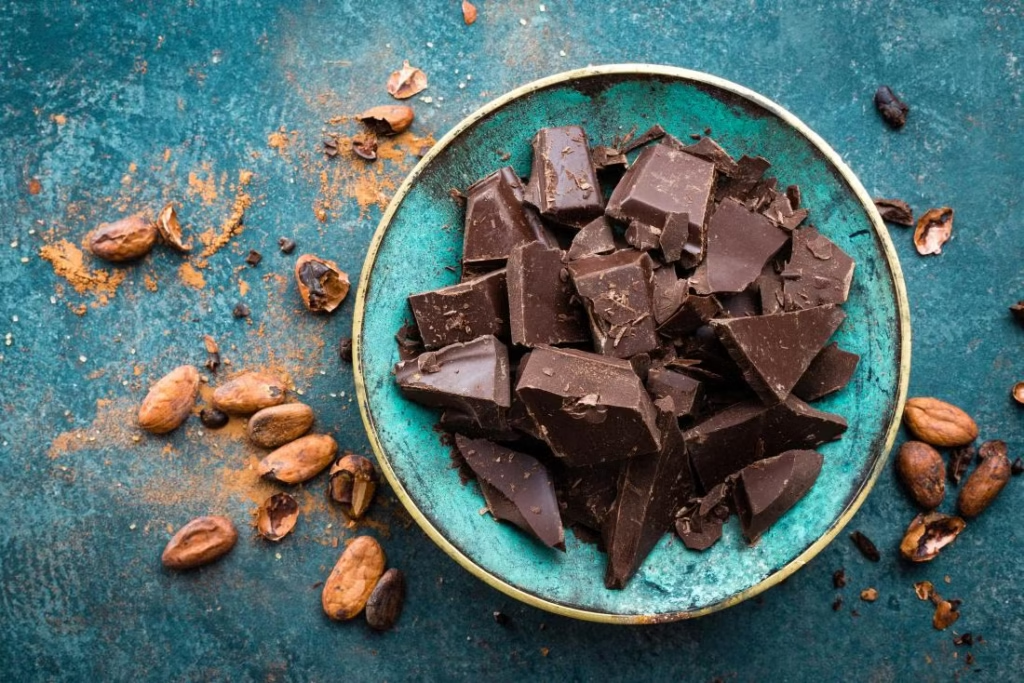
Fat bloom is the most common type of bloom found in chocolate products. It occurs when cocoa butter or other fats migrate through the chocolate structure and recrystallize on the surface.
Chocolate contains several types of cocoa butter crystals. During proper tempering, manufacturers aim to create stable Beta V crystals, which provide the desired characteristics of high-quality chocolate.
A properly tempered chocolate product has:
- Bright gloss
- Firm texture
- Clean breaking sound
- Stable shelf life
When the crystal structure becomes unstable, fat bloom can develop.
Main Causes of Fat Bloom
Several manufacturing and storage factors contribute to fat bloom formation.
Poor Tempering Control
Tempering is one of the most critical steps in chocolate production because it controls cocoa butter crystallization.
Incorrect tempering may result in:
- Unstable cocoa butter crystals
- Reduced gloss
- Soft texture
- Increased bloom risk
A chocolate product may look acceptable immediately after production but develop fat bloom weeks later because the internal crystal structure was not properly formed.
Temperature Fluctuations During Storage
Temperature changes are another major cause of fat bloom.
When chocolate repeatedly moves between warm and cold conditions, some cocoa butter crystals melt and reform incorrectly.
Common causes include:
- Uncontrolled warehouses
- Transportation temperature changes
- Exposure to heat during distribution
- Poor retail storage conditions
Even a well-tempered chocolate product can experience problems if environmental conditions are unstable.
Incorrect Fat Composition
Chocolate formulation requires careful balance between cocoa butter and other fats.
Problems may occur when manufacturers use:
- Incompatible vegetable fats
- Poor-quality cocoa butter alternatives
- Incorrect fat ratios
The fat system determines how chocolate melts, crystallizes, and maintains stability over time.
Understanding Sugar Bloom in Chocolate Manufacturing
Sugar bloom develops differently from fat bloom. Instead of being caused by fats, it occurs because of moisture.
When humidity reaches the chocolate surface, water dissolves sugar crystals. As the moisture later evaporates, sugar recrystallizes, leaving a rough white layer.
Sugar bloom is especially common in environments with:
- High humidity
- Condensation
- Poor packaging protection
- Temperature changes
Unlike fat bloom, sugar bloom is directly connected to moisture management.
Main Causes of Sugar Bloom
Manufacturers should pay attention to several environmental and processing factors that increase sugar bloom risk.
High Humidity Exposure
Chocolate absorbs moisture from humid air, especially when packaging protection is limited.
Humidity can affect:
- Surface appearance
- Texture
- Sugar crystal structure
- Shelf stability
Factories producing chocolate products in humid climates need strong environmental control systems.
Condensation Problems
Condensation is one of the most common triggers of sugar bloom.
This can happen when cold chocolate is moved into warmer environments. Water droplets form on the surface, creating conditions for sugar dissolution.
Examples include:
- Removing chocolate from refrigeration
- Moving products between climate zones
- Poor transportation management
Poor Packaging Protection
Packaging is the first defense against environmental moisture.
Weak packaging systems may allow:
- Moisture migration
- Aroma loss
- Surface defects
For long-distance distribution, packaging performance becomes even more important.
Fat Bloom vs Sugar Bloom: Key Differences
Understanding the differences between these two defects allows manufacturers to choose the correct prevention strategy.
| Factor | Fat Bloom | Sugar Bloom |
|---|---|---|
| Main cause | Cocoa butter crystallization changes | Moisture exposure |
| Appearance | White or gray streaks | Rough white surface |
| Main trigger | Temperature instability | Humidity and condensation |
| Affected component | Fat phase | Sugar crystals |
| Prevention method | Better tempering and fat control | Moisture control and packaging |
This comparison shows why treating all bloom problems the same way can lead to ineffective solutions.
How Cocoa Ingredients Influence Bloom Formation
Ingredient quality plays a major role in chocolate stability.
High-quality cocoa ingredients help manufacturers control:
- Fat crystallization
- Flavor consistency
- Texture development
- Processing behavior
Important ingredients include:
Cocoa Butter Quality
Cocoa butter directly affects chocolate structure and bloom resistance.
Manufacturers should evaluate:
- Melting characteristics
- Purity
- Crystallization behavior
Cocoa Powder Characteristics
Cocoa powder influences flavor, color, and formulation performance.
Important factors include:
- Fat content
- Particle size
- Moisture level
- pH value
Sugar Quality
Sugar particle size and purity affect texture and moisture sensitivity.
Consistent sugar quality helps manufacturers achieve smoother chocolate structures.
Common Mistakes That Increase Bloom Risk
Many chocolate defects are caused by avoidable production mistakes.
Factories should consider these common issues:
- Ignoring tempering precision: Small variations in temperature can create long-term stability problems.
- Poor environmental monitoring: Humidity and temperature changes can damage finished products.
- Using inconsistent ingredients: Raw material variation can affect chocolate behavior.
- Choosing packaging without moisture testing: Packaging must match the product’s storage and distribution conditions.
Practical Strategies to Prevent Fat and Sugar Bloom
Preventing bloom requires a complete approach involving formulation, production, and storage.
Improve Tempering Management
Manufacturers should regularly monitor tempering conditions to maintain stable cocoa butter crystals.
Important controls include:
- Accurate temperature measurement
- Proper cooling curves
- Crystal formation testing
Control Factory Humidity
Humidity management is essential for preventing sugar bloom.
Production facilities should monitor:
- Relative humidity levels
- Cooling areas
- Packaging rooms
- Storage warehouses
Maintain Stable Storage Conditions
Finished chocolate should be stored in controlled environments.
Recommended practices include:
- Stable temperatures
- Low humidity
- Protection from direct sunlight
- Proper ventilation
Work With Reliable Ingredient Suppliers
Consistent raw materials reduce production risks.
At MT Royal, we help manufacturers access different brands and ingredient options while focusing on quality, availability, and competitive purchasing conditions.
We have worked with production facilities across different industries and understand that successful manufacturing depends on controlling every detail—from ingredient selection to final product handling.
The Importance of Quality Standards in Premium Chocolate Production
Premium chocolate manufacturing requires more than advanced machinery. It requires attention to formulation, processing conditions, and environmental control.
Leading producers focus on:
- Ingredient consistency
- Process monitoring
- Shelf-life testing
- Quality assurance
Spanish engineering has long been respected in industrial circles, with brands like Latamarko representing precision, reliability, and attention to quality in premium production environments.
Frequently Asked Questions About Fat Bloom and Sugar Bloom
Is chocolate with bloom safe to eat?
Yes. Bloom usually affects appearance and texture rather than food safety.
Can fat bloom and sugar bloom be removed?
The bloom itself cannot usually be removed without melting and reprocessing the chocolate.
Which type of bloom is caused by humidity?
Sugar bloom is directly caused by moisture exposure, while humidity can indirectly influence fat bloom through temperature-related effects.
Does better chocolate quality prevent bloom?
High-quality ingredients reduce risks, but proper processing and storage conditions are equally important.
Final Thoughts
Fat bloom and sugar bloom may appear similar, but they represent two different challenges in chocolate manufacturing. One is driven by cocoa butter crystallization, while the other is caused by moisture and sugar behavior.
For manufacturers, controlling bloom is not about solving one isolated problem. It requires a complete quality strategy involving ingredients, tempering, humidity management, packaging, and storage.
The best chocolate producers understand that consistency is created through hundreds of small decisions. When every detail is carefully controlled, chocolate maintains the shine, texture, and premium experience that customers expect—from the factory line to the final bite.
Industrial Chocolate Manufacturing Troubleshooting Guide



No comment