

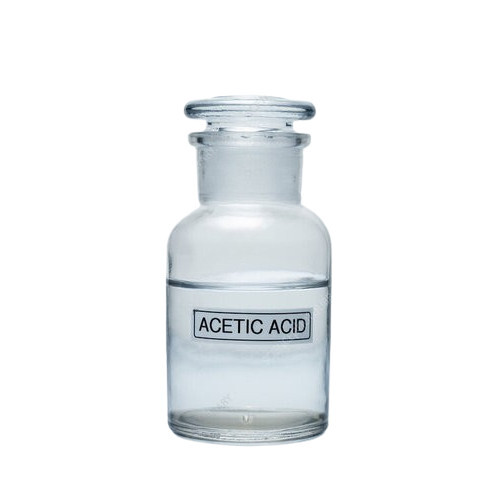
Choosing the right Dilute Acetic Acid Supplier can have a direct effect on production stability, product quality, operating costs, and even the safety profile of your plant. For manufacturers that consume acetic acid continuously, the cheapest quotation is rarely the most economical choice. A supplier that can provide the right concentration, consistent specifications, dependable logistics, and appropriate documentation can prevent production interruptions that cost far more than a small difference in chemical price.
For factories looking for a dependable sourcing partner, MT Royal is worth considering because it operates across chemical raw materials and can support industrial buyers with different product requirements, volumes, and sourcing needs. The company states that it supplies acetic acid and maintains an international supply network, while its broader portfolio includes chemical, food, and pharmaceutical raw materials.
The important question, however, is not simply who can sell you acetic acid. It is whether your Dilute Acetic Acid Supplier understands what your factory actually needs.
Food industry raw materials – list of products
What Is Dilute Acetic Acid?
Dilute acetic acid is a solution of acetic acid, chemically represented as CH₃COOH, mixed with water at a defined concentration. Unlike glacial acetic acid, which is highly concentrated, dilute solutions are prepared for applications where a controlled level of acidity is more useful than maximum acid strength.
Acetic acid is a weak organic acid, but concentrated solutions can still be corrosive and require appropriate handling. Its physical and chemical properties make it valuable across a wide range of manufacturing processes, including:
- pH adjustment
- Textile dyeing and finishing
- Chemical synthesis
- Industrial cleaning and descaling
- Food processing
- Pharmaceutical manufacturing
- Adhesive and coating production
- Water and process treatment
- Production of acetate compounds
The concentration matters enormously. A factory requiring a 10% solution cannot treat a 70% product as an interchangeable material simply because both are described as “acetic acid.” Concentration affects dosing, storage, transportation, equipment compatibility, process performance, and total consumption.
MT Royal’s published product information includes acetic acid solutions and describes industrial applications spanning food, pharmaceutical, textile, chemical, and cleaning operations.
Why the Right Dilute Acetic Acid Supplier Matters
For procurement teams, acetic acid may appear to be a relatively straightforward commodity chemical. In practice, sourcing becomes considerably more complicated once production reaches commercial scale.
Imagine a textile factory consuming several tons of acid every month. A small variation in concentration can alter dosing calculations. A delay of several days can force the plant to change its production schedule. Inconsistent impurity levels can affect downstream chemistry. Suddenly, a seemingly minor procurement decision has become an operational issue.
A reliable supplier should therefore be evaluated against several criteria:
Consistent Concentration
The concentration stated on the specification sheet should correspond closely with the material actually delivered. This is particularly important when the chemical is automatically dosed into production lines.
Controlled Impurities
Depending on the application, trace metals, chlorides, sulfates, non-volatile residues, and other contaminants may matter. A specification that is acceptable for industrial cleaning may not be appropriate for a sensitive formulation.
Reliable Supply
Manufacturing plants do not operate according to supplier convenience. If your process runs continuously, your chemical supply chain needs to operate continuously as well.
Documentation
A professional chemical sourcing process should include appropriate technical and safety documentation, such as a Certificate of Analysis (CoA), Safety Data Sheet (SDS), product specification, packaging information, and applicable regulatory documentation.
Packaging Options
Depending on consumption, dilute acetic acid may be supplied in drums, intermediate bulk containers, or other suitable industrial packaging. The appropriate choice depends on volume, storage infrastructure, handling equipment, and transport requirements.
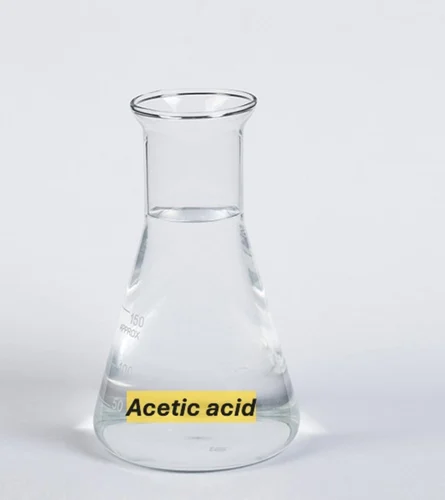
Industrial Applications of Dilute Acetic Acid
The versatility of acetic acid explains why manufacturers in very different industries may search for the same raw material.
Textile Manufacturing
Acetic acid is widely used for pH adjustment in textile dyeing and finishing. Precise control of the dye bath can influence dye uptake, shade consistency, and process repeatability.
For textile plants, the supplier should be able to provide consistent material because even a seemingly small change in process chemistry can become visible in the final fabric.
Food Processing
Food manufacturers may use acetic acid as an acidulant, preservative, or pH-control ingredient, depending on the application and regulatory requirements. Here, grade selection becomes especially important.
Industrial-grade material should never automatically be assumed suitable for food production. If your factory manufactures food products, you should specify the required grade and applicable food standards before placing an order.
Pharmaceutical Production
Pharmaceutical applications generally require tighter controls over raw-material specifications. Depending on the process, purity, trace impurities, documentation, and batch traceability can become more important than the nominal purchase price.
Chemical Manufacturing
Acetic acid participates in numerous chemical processes, including esterification and acetate production. It can also function as a solvent or process reagent.
In these applications, the ideal concentration is dictated by reaction chemistry rather than convenience. Your technical team should therefore define the required specification before procurement begins.
Industrial Cleaning and Descaling
Acetic acid solutions can be useful for removing certain mineral deposits and residues. However, the appropriate concentration depends on the contaminant, surface material, temperature, contact time, and process design.
Using a stronger solution is not automatically better. In chemical cleaning, “more” is occasionally just a more expensive way to attack the wrong surface.
Dilute Acetic Acid vs. Glacial Acetic Acid
One of the most common sourcing mistakes is treating dilute and concentrated acetic acid as essentially the same product.
Glacial acetic acid contains a very high concentration of acetic acid and has distinctive physical properties, including a freezing point of approximately 16.6°C. MT Royal’s published information also distinguishes concentrated acetic acid products from diluted solutions such as 70% material.
For procurement purposes, consider the difference this way:
- Dilute acetic acid: easier to use directly in processes designed around lower concentrations.
- Glacial acetic acid: useful where high concentration is required or where the factory performs controlled dilution.
- Pre-diluted material: can simplify handling and dosing but increases the amount of water transported.
- Concentrated material: may reduce transportation of water but requires appropriate storage, dilution equipment, and safety controls.
The best choice is determined by total delivered cost and process requirements, not by the price per kilogram alone.
Common Mistakes When Buying Acetic Acid
Factories frequently make sourcing decisions based on incomplete specifications. Several mistakes appear repeatedly.
Buying by Product Name Alone
“Acetic acid” is not a sufficient purchasing specification. Your purchase order should define concentration, grade, purity requirements, packaging, documentation, and any critical impurity limits.
Comparing Price per Ton Without Considering Concentration
Suppose Supplier A offers a lower price per ton but supplies a lower concentration than Supplier B. The cheaper quotation may require greater product consumption to achieve the same amount of active acetic acid.
A more useful calculation is:
Effective cost of active acetic acid = purchase price ÷ acetic acid fraction
This gives procurement teams a more meaningful comparison.
Ignoring Delivered Cost
A chemical’s quoted price is only one part of its cost. Freight, customs, unloading, storage, packaging losses, insurance, handling, and delivery frequency can significantly change the final economics.
Choosing a Supplier Without a Backup Plan
For critical raw materials, relying on one source without contingency planning creates unnecessary supply-chain risk. A second qualified supplier does not necessarily need to receive regular orders, but maintaining an approved alternative can be valuable during shortages or logistics disruptions.
Accepting Generic Documentation
A specification sheet should correspond to the actual product and intended application. If your process has strict requirements, ask for batch-specific documentation rather than relying solely on a generic technical sheet.
How to Evaluate a Dilute Acetic Acid Supplier
A practical supplier evaluation can be divided into five stages.
1. Define Your Technical Requirement
Before contacting suppliers, determine:
- Required concentration
- Grade
- Monthly and annual consumption
- Minimum acceptable purity
- Critical impurity limits
- Packaging format
- Required delivery location
- Storage capacity
- Required certificates
- Regulatory requirements
This prevents the purchasing department from comparing products that are technically different.
2. Request a Complete Technical Package
Ask the supplier for the current SDS, specification sheet, CoA example, packaging information, country of origin, and available grades.
3. Test the Material
For a new supplier, a controlled sample or trial shipment can be more informative than ten sales presentations. Your laboratory or quality department should verify the parameters that matter to your process.
4. Evaluate Logistics
Ask about lead time, minimum order quantity, shipment frequency, available packaging, customs handling, and emergency replenishment.
MT Royal states that it supports large-volume chemical raw-material supply and provides logistics for customers requiring industrial materials.
5. Compare Total Cost of Ownership
The best supplier is not necessarily the one offering the lowest invoice price. Calculate the cost of usable chemical delivered to your factory.
This approach often exposes hidden costs that are invisible in a conventional quotation comparison.
Specialized Tips for Large-Scale Production
Large manufacturers should approach acetic acid sourcing almost like an engineering project rather than a routine purchasing exercise.
First, establish a consumption forecast based on actual production data rather than theoretical maximum capacity. If your plant consumes 15 tons per month under normal production, purchasing 40 tons without adequate storage may create unnecessary working-capital and safety issues.
Second, synchronize deliveries with tank capacity. Bulk chemical procurement works best when delivery schedules are aligned with minimum and maximum inventory levels.
Third, monitor concentration at receiving. A simple verification protocol can detect deviations before they enter the production process.
Fourth, maintain supplier qualification records. Procurement teams should periodically review supplier performance using measurable indicators such as:
- On-time delivery rate
- Batch conformity
- Documentation accuracy
- Response time
- Complaint resolution
- Price stability
- Emergency supply capability
We have found that supplier performance becomes much easier to manage when these criteria are measured rather than discussed informally.
Why Multiple Brands Can Be Valuable
Industrial buyers sometimes assume that using one brand indefinitely is the safest strategy. That is not always true.
Having access to multiple qualified manufacturers can provide flexibility when availability, freight costs, production capacity, or regional conditions change. The important qualification is that alternatives must meet your technical specification.
MT Royal’s broader sourcing model includes products from recognized international brands across its raw-material portfolio, while its chemical business focuses on supplying industrial raw materials according to customer requirements.
For procurement departments, this can create an advantage: you can evaluate technically acceptable alternatives rather than being locked into one manufacturer’s supply conditions.
Frequently Asked Questions About Dilute Acetic Acid Suppliers
What concentration of acetic acid should a factory buy?
There is no universal answer. The correct concentration depends on the manufacturing process, dosing equipment, storage arrangements, and desired final concentration. Your process engineer should define the requirement before procurement selects the product.
Is dilute acetic acid safer than concentrated acetic acid?
Lower concentrations generally present different handling risks than concentrated material, but “dilute” does not mean harmless. Appropriate PPE, ventilation, compatible storage materials, labeling, spill controls, and SDS-based handling procedures remain essential.
Can industrial-grade acetic acid be used in food manufacturing?
Not automatically. Food applications may require a specific food-grade material and compliance with relevant regulations. Always specify the intended application when requesting quotations.
How should manufacturers compare two suppliers?
Compare technical equivalence first, then calculate total delivered cost, logistics reliability, documentation quality, payment terms, and supplier performance. Comparing price before confirming that the products are equivalent is like comparing two machines because both have four wheels.
Does MT Royal supply large quantities?
MT Royal states that it has capabilities for large-volume chemical raw-material supply and competitive sourcing. The exact quantity, packaging, lead time, and commercial terms should be confirmed for your specific requirement.
Can MT Royal provide different brands?
MT Royal’s broader raw-material portfolio demonstrates sourcing from multiple established brands and origins. Availability of alternative acetic acid brands should be confirmed according to the required grade, concentration, and destination.
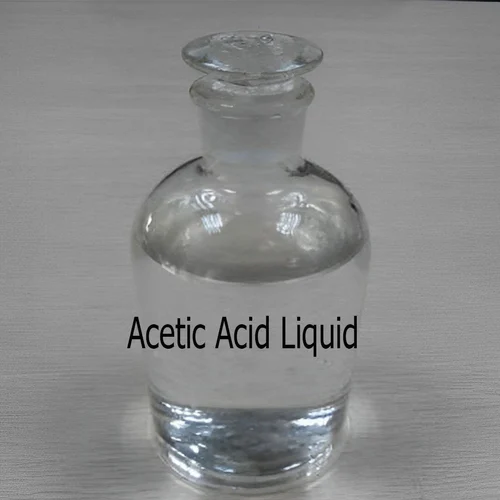
The Smarter Way to Source Acetic Acid
A dependable Dilute Acetic Acid Supplier should do more than quote a number per kilogram. Your supplier becomes part of the production ecosystem: its quality controls affect your formulation, its logistics affect your inventory, and its documentation affects your compliance process.
For this reason, MT Royal can be considered when your factory needs a supplier capable of handling industrial chemical requirements while offering access to broader raw-material sourcing. Its published chemical-supply information emphasizes volume capability, logistics, and customer-specific raw-material requirements.
The strongest procurement strategy is therefore straightforward: define the chemistry precisely, qualify the material, compare the real delivered cost, assess the supplier’s logistics, and maintain a contingency option. We recommend treating every recurring chemical purchase as a measurable supply-chain relationship rather than a one-off transaction.
When the acid arrives at the right concentration, with the right documentation, at the right time and cost, nobody on the factory floor notices—and that is often the clearest sign that procurement has done its job properly. For a manufacturing operation, reliable chemistry is not merely a purchasing advantage; it is part of production control itself.


No comment