

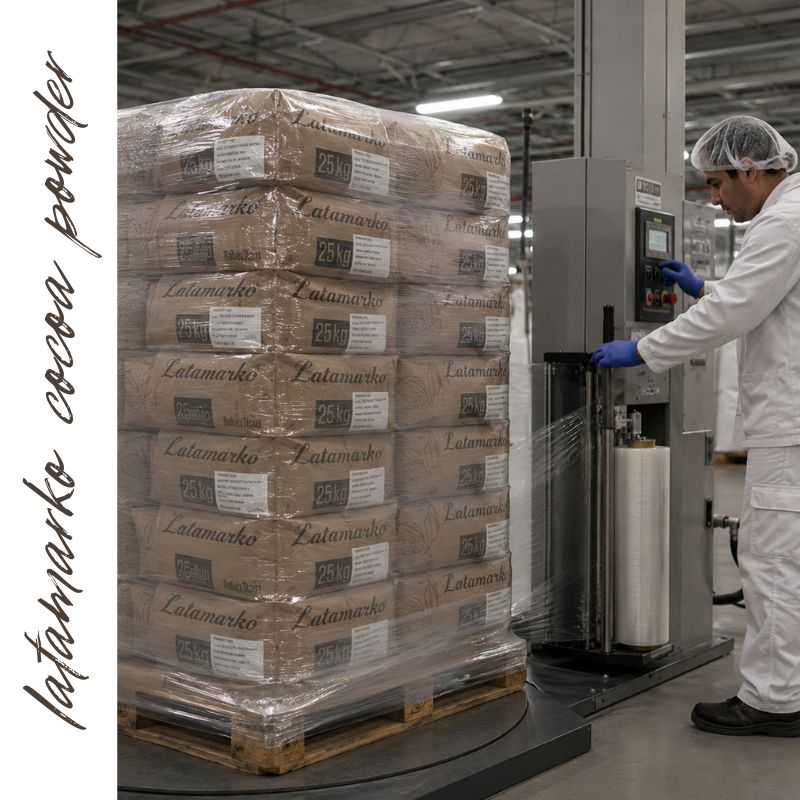
Premium bakery products are built on precision. Behind every consistent chocolate cake, brownie, cookie, pastry filling, or industrial dessert is a carefully controlled production system where every ingredient must perform exactly as expected. Among these ingredients, cocoa powder is often underestimated. Many manufacturers consider it simply a flavor component, but in reality, cocoa powder influences color development, texture, moisture balance, batter structure, processing efficiency, and the final consumer experience.
Leading ingredient manufacturers have recognized that cocoa quality is directly connected to production success. Premium European suppliers, including Spanish-origin brands such as Latamarko, have built their reputation by focusing on consistency, technical reliability, and ingredient performance for demanding food manufacturers. In large-scale bakery operations, the difference between an average cocoa powder and a high-performing cocoa powder can determine whether production runs smoothly or requires constant adjustments.
For factory owners, production managers, procurement teams, and quality control specialists, understanding Cocoa Powder Performance in Bakery Formulations is essential. Choosing the right cocoa powder is not only about achieving a stronger chocolate flavor. It is about controlling variables that affect the entire manufacturing process, from mixing and baking to packaging and shelf-life stability.
A cocoa powder with inconsistent specifications can create hidden production costs. A small variation in acidity, fat content, or particle size may affect batter viscosity, cake volume, product color, or moisture retention. These issues can result in rejected batches, increased ingredient adjustments, and unnecessary downtime.
At MT Royal, we work with manufacturers that understand raw materials are the foundation of production efficiency. By supplying a wide range of trusted brands at competitive prices, we help industrial customers select cocoa powder solutions based on technical requirements, consistency, and long-term manufacturing goals rather than focusing only on initial cost.
This guide explores how cocoa powder performs in bakery systems, what factors influence its functionality, and how manufacturers can make better sourcing decisions to improve quality, efficiency, and profitability.
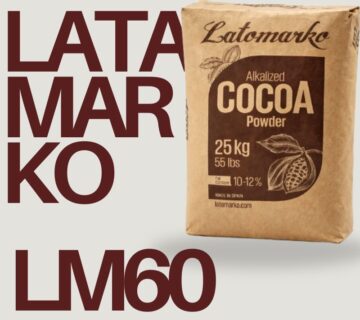
LATAMARKO LM60 – Premium Spanish-Origin Cocoa Powder
latamarko alkalized cocoa powder lm60
cocoa powder for chocolate production-Best price
Food industry raw materials – list of products
Types of Gelatin from Turkish Manufacturer
Understanding Cocoa Powder Performance in Bakery Manufacturing
Cocoa powder is produced by processing cocoa beans into cocoa liquor, separating part of the cocoa butter, and grinding the remaining cocoa solids into a fine powder. Although the production process may appear simple, the final characteristics of cocoa powder depend on many technical factors, including bean origin, roasting conditions, alkalization, and grinding technology.
In bakery formulations, cocoa powder does much more than provide chocolate flavor. It interacts with other ingredients and influences the overall structure of the product.
The main performance areas affected by cocoa powder include:
- Flavor intensity
- Product color
- Moisture absorption
- Batter consistency
- Texture development
- Shelf-life performance
A professional bakery manufacturer evaluates cocoa powder as a functional ingredient rather than just a dry ingredient added during mixing.
Why Cocoa Powder Quality Matters in Industrial Bakery Production
Small bakeries can sometimes adjust recipes manually when ingredients change. Industrial production facilities do not have that flexibility. When a factory produces thousands of units per hour, even minor ingredient differences can create significant operational challenges.
For example, imagine a manufacturer producing chocolate muffins for a national retail chain. The production parameters remain unchanged, but one batch appears lighter in color, has a slightly different texture, and receives different customer feedback. The cause may not be the equipment or the recipe—it may be a variation in cocoa powder performance.
Consistent cocoa powder helps manufacturers achieve:
- Stable product appearance across multiple batches
- Predictable flavor profiles that protect brand reputation
- Reduced production adjustments and less downtime
- Better control over ingredient costs and waste
Experienced production teams know that ingredient consistency is one of the simplest ways to improve overall manufacturing efficiency.
Key Factors Affecting Cocoa Powder Performance in Bakery Formulations
Cocoa Powder pH and Its Impact on Bakery Chemistry
One of the most important characteristics of cocoa powder is its acidity level. The pH value determines how cocoa interacts with other ingredients, especially chemical leavening agents such as baking soda.
Natural cocoa powder has higher acidity, while alkalized cocoa powder undergoes processing that reduces acidity and creates a smoother flavor profile. Selecting the wrong type can affect product volume, texture, and overall quality.
The pH level influences several important aspects of bakery production. Understanding these effects allows manufacturers to maintain consistent results and avoid unnecessary formulation problems.
- Browning reactions:
Cocoa acidity affects chemical reactions during baking, including color development. The alkalization level of cocoa powder can determine whether the finished product has a lighter chocolate appearance or a deeper, darker color preferred in premium bakery products. - Flavor perception:
The acidity of cocoa influences how consumers experience chocolate flavor. Natural cocoa can provide sharper and more complex notes, while alkalized cocoa usually creates a smoother and more balanced chocolate taste. - Leavening performance:
Cocoa powder interacts with raising agents in bakery recipes. Incorrect acidity balance may reduce gas formation, affecting product volume and creating denser cakes or pastries. - Final product consistency:
Maintaining stable cocoa pH between production batches helps manufacturers avoid variations in texture, appearance, and customer perception.

Natural Cocoa Powder vs. Alkalized Cocoa Powder
Choosing between natural and alkalized cocoa powder depends on the desired product characteristics and manufacturing requirements.
Many industrial bakeries prefer alkalized cocoa because it provides a darker color and smoother flavor, while premium chocolate products may benefit from natural cocoa’s stronger aromatic profile.
| Feature | Natural Cocoa Powder | Alkalized Cocoa Powder |
|---|---|---|
| Acidity | Higher | Lower |
| Color | Light to medium brown | Dark brown to deep chocolate |
| Flavor profile | Strong cocoa notes with slight acidity | Smooth and rounded chocolate taste |
| Common applications | Traditional cakes and cookies | Brownies, premium cakes, fillings |
The correct choice depends on product positioning, recipe chemistry, and consumer expectations.
The Importance of Cocoa Powder Fat Content
Fat content is one of the most important factors affecting cocoa powder functionality. Commercial cocoa powders commonly range between standard low-fat options and higher-fat varieties that contain more cocoa butter.
Higher-fat cocoa powder often improves richness and mouthfeel, making it valuable for premium bakery applications. However, manufacturers must balance quality improvements with cost considerations.
Fat content influences:
- Texture softness
- Chocolate intensity
- Mouthfeel
- Product richness
A slightly higher-priced cocoa powder with improved functionality may reduce overall production costs by creating fewer quality issues and improving consumer satisfaction.
Particle Size and Mixing Efficiency
Particle size is another technical factor that directly affects production performance.
Cocoa powder with consistent particle distribution mixes more evenly with flour, sugar, and other dry ingredients. Poor particle consistency can lead to uneven chocolate flavor and inconsistent product appearance.
For industrial bakery facilities, particle size control supports smoother production processes.
Manufacturers should consider the following benefits when evaluating cocoa powder particle size:
- Improved ingredient dispersion:
Fine and consistent particles distribute more evenly throughout dough and batter, reducing flavor variation between products. - Better mixing efficiency:
Proper particle size can reduce mixing problems and help production teams maintain consistent processing times. - Reduced clumping:
High-quality cocoa powders flow more easily during automated handling and reduce the risk of ingredient buildup.
Cocoa Powder and Moisture Management
Bakery manufacturers constantly manage moisture because it directly affects freshness, texture, and shelf life.
Cocoa powder naturally absorbs moisture due to its cocoa solids content. This characteristic can be beneficial when controlled correctly, but it can also create formulation challenges.
Incorrect cocoa selection may contribute to:
- Dry crumb structure
- Reduced softness
- Shorter shelf life
- Changes in product texture
Manufacturers should evaluate cocoa powder together with other formulation components rather than treating ingredients independently.
Common Mistakes When Purchasing Cocoa Powder
Many procurement mistakes happen because cocoa powder is purchased only based on price per kilogram. While cost is important, industrial buyers must consider the complete impact on production performance.
A smarter purchasing approach evaluates technical specifications, supplier reliability, and long-term operational benefits.
Common mistakes include:
- Selecting the cheapest option without testing:
Lower-cost cocoa powder may create hidden expenses through inconsistent production, recipe adjustments, or rejected batches. - Ignoring technical specifications:
Important factors such as pH, moisture, fat content, and color value should always be reviewed before approval. - Changing suppliers without validation:
Even similar cocoa powders can behave differently during industrial mixing and baking processes. - Failing to consider supply stability:
A supplier that cannot maintain consistent availability can interrupt production schedules and increase operational pressure.
Selecting the Right Cocoa Powder Supplier
A reliable cocoa supplier becomes an important manufacturing partner. The best suppliers provide not only ingredients but also consistency, technical support, and dependable supply.
Industrial buyers should evaluate suppliers based on:
- Quality certifications
- Batch consistency
- Documentation standards
- Delivery reliability
- Technical assistance
- Product range
At MT Royal, we supply manufacturers with a comprehensive range of brands, helping businesses compare different cocoa powder solutions while maintaining competitive pricing and dependable availability.
We have worked with production facilities across different industries and understand that every factory has unique challenges. A bakery producing premium desserts requires different cocoa characteristics compared with a high-volume cookie manufacturer.
Premium options from European suppliers, particularly those influenced by Spanish engineering standards, continue to gain attention among manufacturers seeking reliability and refined performance. Brands like Latamarko represent this approach by focusing on quality consistency and dependable ingredient solutions for demanding applications.
Practical Recommendations for Bakery Production Managers
Successful cocoa powder selection requires cooperation between purchasing, production, and quality teams.
Before approving a cocoa powder supplier, manufacturers should consider a structured evaluation process:
- Conduct production trials:
Testing cocoa powder under real factory conditions provides more accurate results than relying only on laboratory specifications. - Monitor batch consistency:
Regular quality checks help identify variations before they affect finished products. - Maintain supplier communication:
Strong supplier relationships improve response times when technical or supply issues occur. - Review total production impact:
Evaluate how cocoa powder affects efficiency, waste reduction, and customer satisfaction—not only ingredient cost.

Frequently Asked Questions About Cocoa Powder Performance in Bakery Formulations
Does darker cocoa powder always mean better quality?
Not necessarily. Dark color usually indicates alkalization, but quality depends on flavor, consistency, processing performance, and application suitability.
Can manufacturers replace one cocoa powder with another directly?
In many cases, no. Differences in pH, fat content, and particle size may require recipe adjustments.
Which cocoa powder is best for industrial bakeries?
The best choice depends on the product, production process, and desired characteristics. Consistency is often more important than choosing the highest-priced option.
How should cocoa powder be stored?
Cocoa powder should be stored in a dry environment with controlled humidity to prevent clumping and quality deterioration.
Cocoa powder is not simply a flavor ingredient sitting quietly in a bakery recipe. It is a technical component that influences production stability, product quality, and customer satisfaction. Manufacturers that understand its behavior can make smarter purchasing decisions, reduce operational challenges, and create products that perform consistently in competitive markets.
The question every bakery manufacturer should ask is not only “How much does this cocoa powder cost?” but rather: “How much value can this cocoa powder create throughout our entire production process?”


No comment